The difference between a wedding album you skim once and one you keep returning to is usually a single decision made weeks before the day: whether your photographer knows which details actually matter to you.
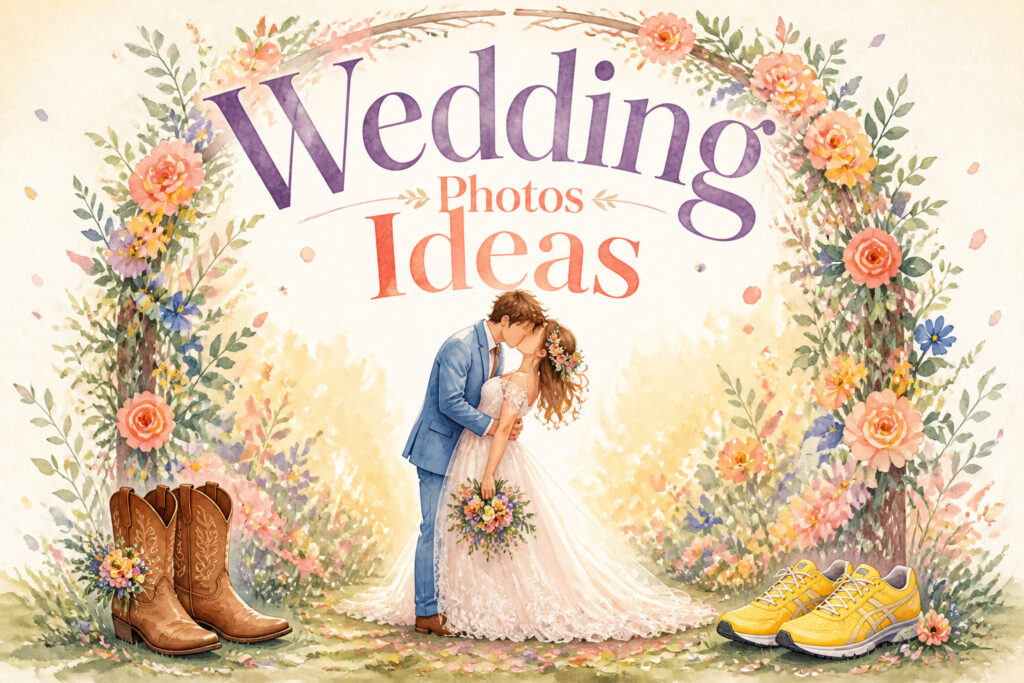
A bride in cowboy boots or bright yellow running shoes can own the frame or disappear into it entirely, depending on whether someone planned for the shot.
The 100mm macro that finds a hidden engraving, the ten to fifteen minutes of golden hour you have to negotiate your timeline around, the buffer that fills mid-kiss and loses the frame forever: these are not decorative extras.
They are the conditions that separate the wedding photos ideas worth keeping from the ones you forget.
1. Wedding stationery and invitations
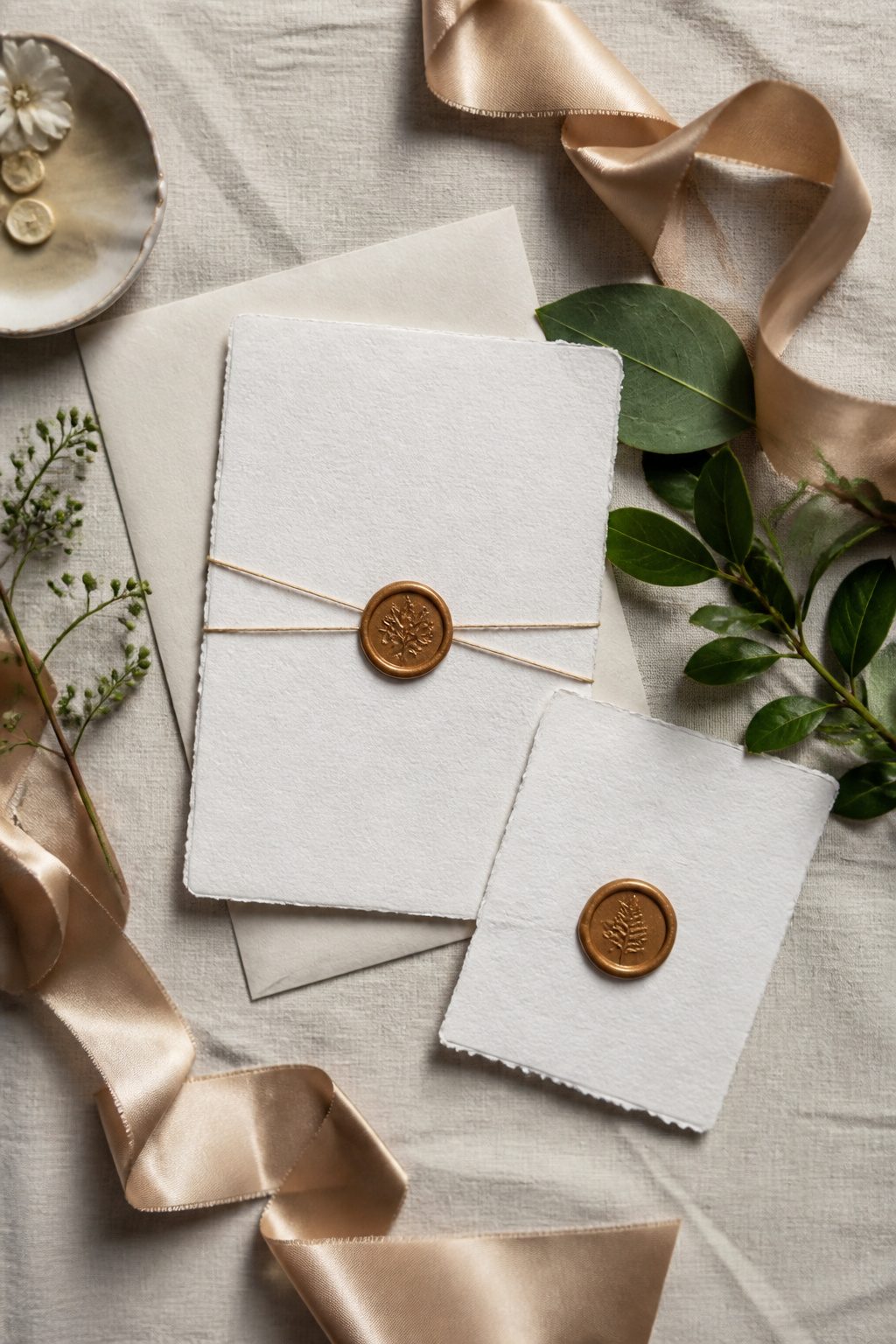
Save-the-dates and invitation suites photograph best as flat-lays, laid on a clean surface near a window where the light falls soft and even.
The paper stock, the ink color, any wax seal or custom calligraphy, the RSVP card tucked just slightly askew: these details set the tone for the whole album, and they deserve their own moment before the day gets moving.
I always ask couples to bring extra copies of everything. One invitation will get a fingerprint on the envelope flap, another will curl slightly under the camera’s weight, and a third might catch a glare off the seal.
Having spares means I can work through the setup without the stress of handling the only keepsake.
Natural window light flatters paper in a way flash rarely does, though midday sun coming straight through can blow out cream stock to pure white.
A slightly overcast morning or a spot set back from the glass usually solves this. Ribbon, a ring, a sprig of whatever the florist delivered: these dress the frame without stealing attention from the lettering itself.
The finished shot belongs near the front of the final gallery, a quiet prelude to the louder moments coming after.

Elegant White Floral Vellum: Transform your 5x7 invitations with our exquisite white floral printed vellum jackets. The delicate botanical patterns combined with the translucent paper create a timeless, ethereal look that complements any classic or church wedding theme.


Size: Our wedding invitation cards are measures 4 x 6 inches.
2. The rings
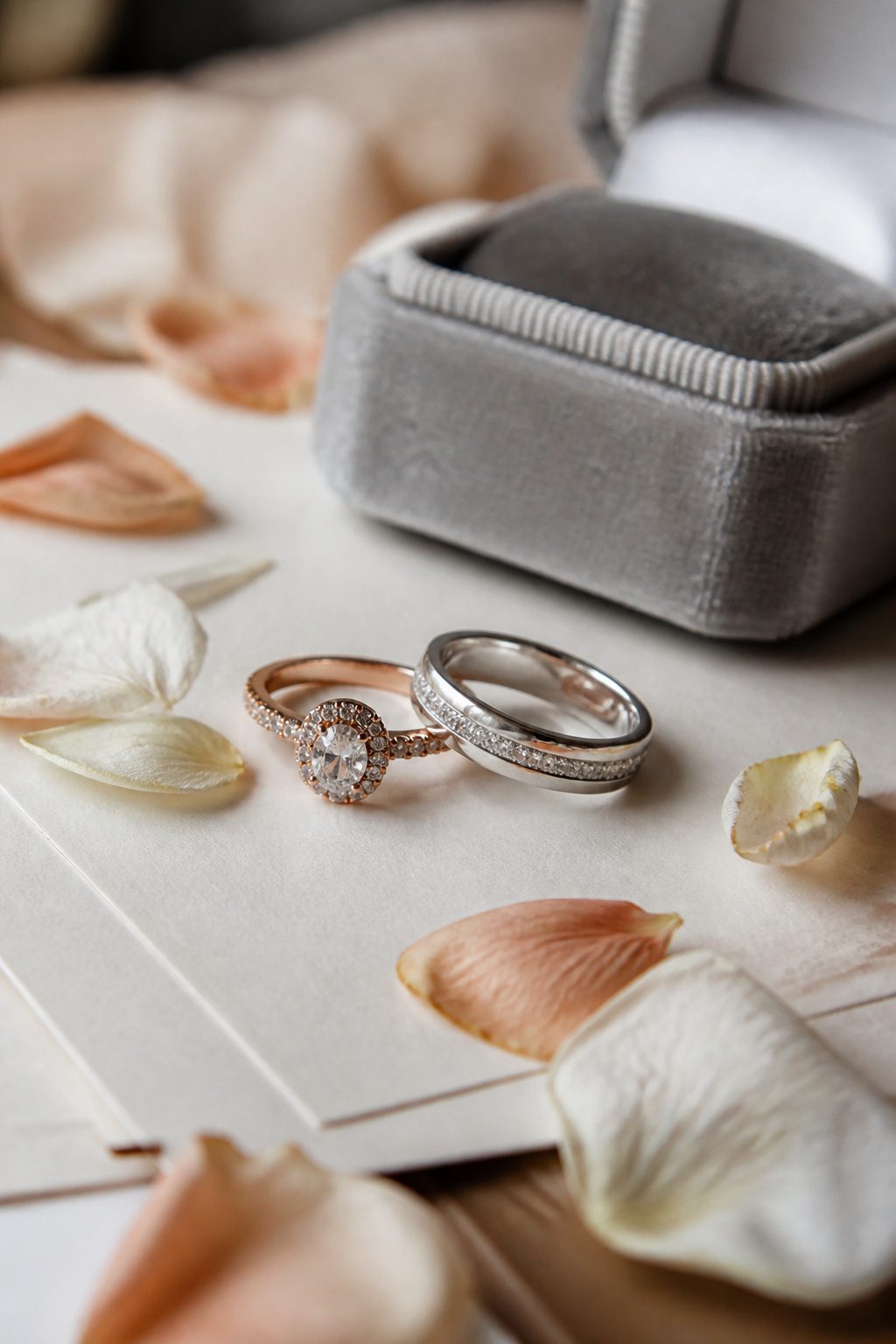
A macro lens turns the rings into landscape enough to fill a frame.
I like them on the invitation suite, the paper texture giving the metal something to sit against, or still inside the box they arrived in, the velvet holding them the way the jeweler intended.
The flatlay approach works here too: ribbon, a few petals, the fragrance bottle if it sits nearby. Those items are future heirlooms, and the camera should treat them that way.
The groom’s band deserves its own moment. I once spent twenty minutes on a ring shot because the inside carried an engraving the bride had not seen yet.
That kind of secret only reveals itself under magnification, and a 100mm macro or equivalent is the tool that finds it. The exchange during the ceremony matters, but the still life beforehand is where the detail lives.

Godox RING 72 Macro LED ring light is Perfect choice for photographers who require shadow-free illumination

【Macro Ring Flash Compatible with Nikon】 RF1-N macro ring flash light is compatible with Nikon cameras, lighting equipment for plants, insect photos, studio accessories photoshoot, and other macro photography subjects. 80° wide flash coverage from all angles can evenly brighten the subjects, minimize harsh shadows, and avoid vignetting. At 13oz/368g, this compact and lightweight flash ring is applicable in all situations, wide or narrow

3. Make-up moments
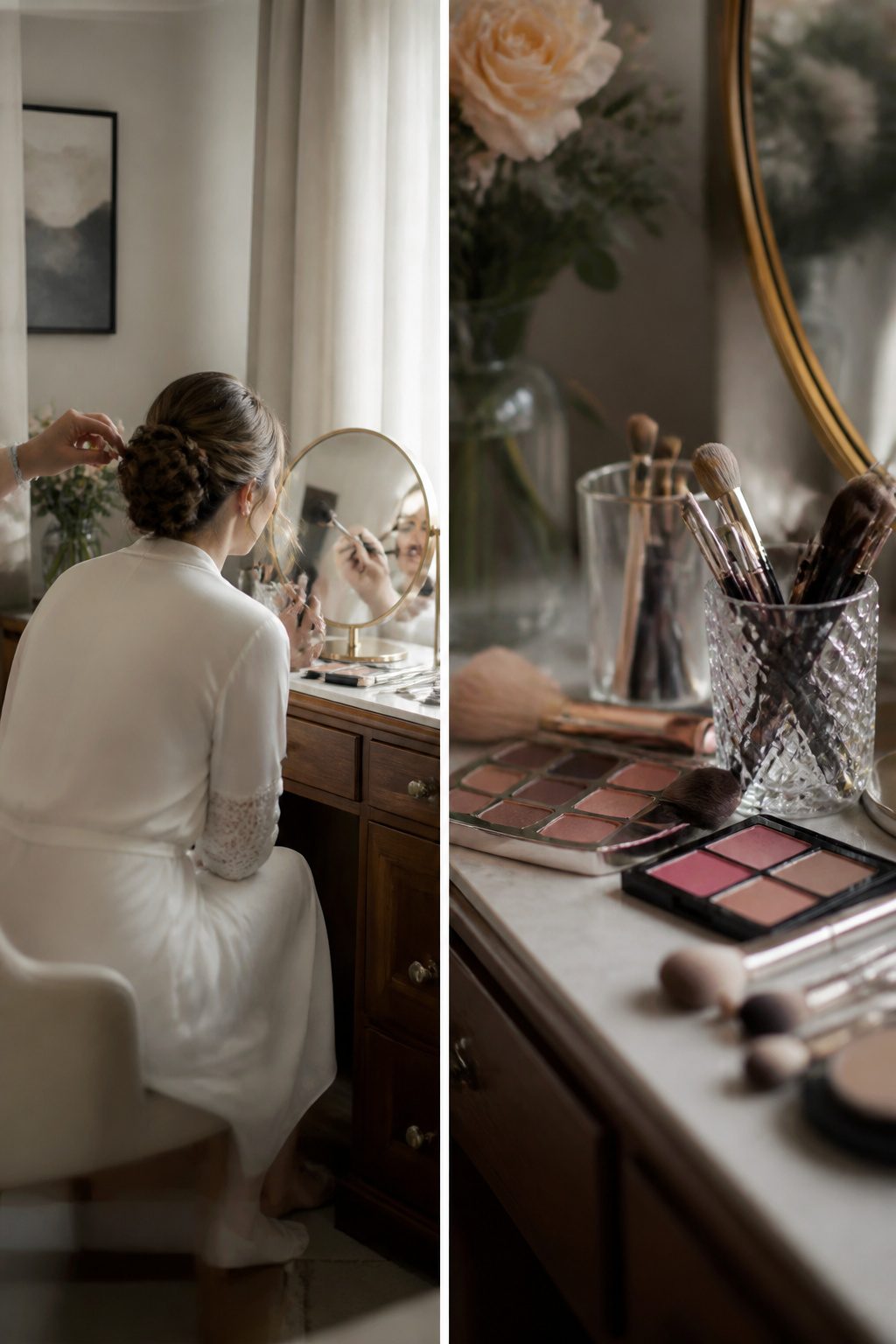
A makeup brush held mid-stroke, the bride leaning into the mirror, the artist stepping back to check lashes: these are the last quiet frames before the day accelerates.
I look for the reflection when I can, the doubled image that reads as concentration rather than performance.
The getting-ready room itself matters more than couples expect. A second shooter becomes necessary if you want both partners documented, and that shifts the package cost, so I raise it early in planning conversations.
The shots I keep returning to are the ones the bride barely notices happening: a final powder check, the hand still raised from adjusting an earring.
They carry the weight of everything that follows because they are the still point right before it.

The LMR-C100 Tripod Mount Ring from Haoge is designed for Canon EF 100mm f/2.8L Macro IS USM Lens.

World’s First Medium Telephoto Macro Lens with a Maximum Magnification of 1.4x.

Bright f/2 Aperture Mid-telephoto Macro RF Lens with Beautiful Bokeh.
4. Getting ready, the bride
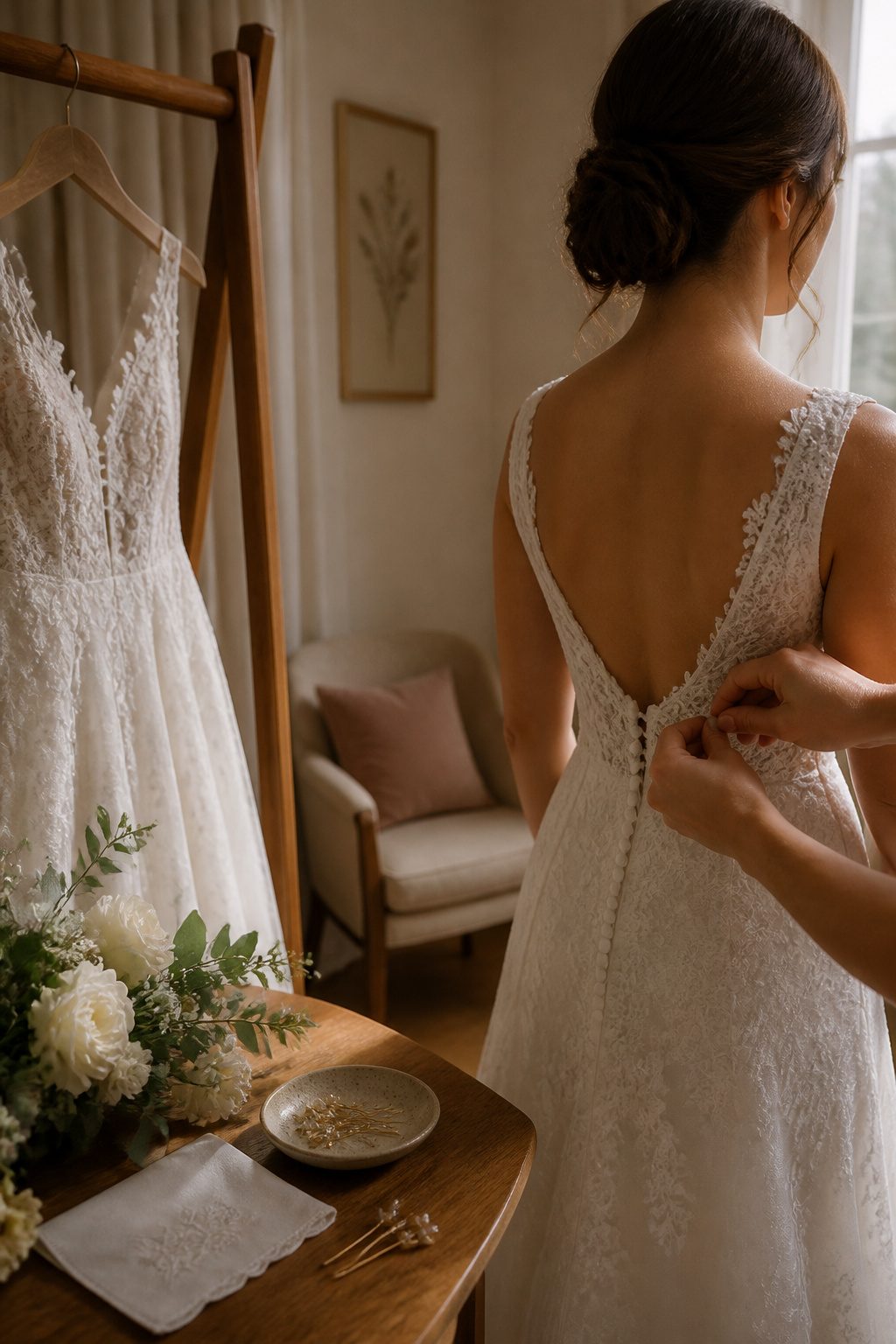
The getting ready room is where the day actually starts to feel real.
Hairpins slide in, someone laughs at the wrong angle and has to redo a curl, and the dress comes off its hanger with a whisper of fabric that makes everyone go quiet.
I stay back with a longer lens, usually 85mm or more, so the moment stays between the bride and whoever is fastening buttons or settling the veil.
The second a photographer steps into the middle of it, the room performs for the camera instead of the person.
Light matters more than square footage. A window to one side, not directly behind, gives the skin dimension and lets me keep ISO low enough that the images stay clean when the room is dim.
If the space is tight, I shoot from the doorway or even the hall, catching the hands at the small of the back, the mother pausing after the last button, the bridesmaid holding the veil like it is made of actual glass.
The sources flag this block as essential, and I see why. The ceremony is public; this is the last private threshold.

Easy to Use -- Within Two Comfortable Grips on The Reflector, Allowing You to Use it with Just One Hand. Provide Better Experience Than Traditional Reflector.
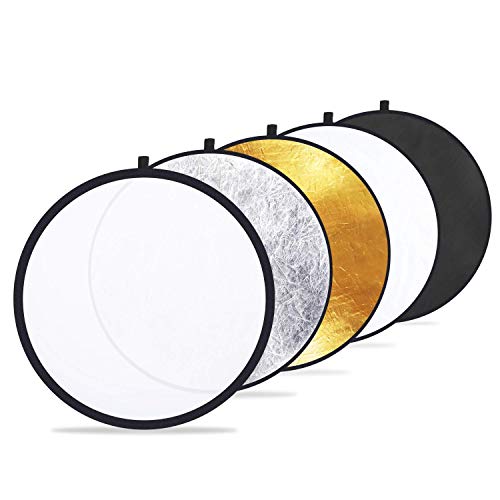
5-In-1 Lightweight Reflector: Includes gold, silver, white, black, and translucent

95% High-Reflectivity Reflector Constructed with high-grade reflective fabric, Skytex light reflector boasts an exceptional 95%+ reflectivity rate—delivering consistent, high-intensity illumination to enhance subject detail definition and skin tone rendition. Skytex photography reflector is ideally suited for novice photographers and professional practitioners. As a lightweight, indispensable piece of photographic equipment, it effectively elevates image quality with ease
5. The wedding shoes
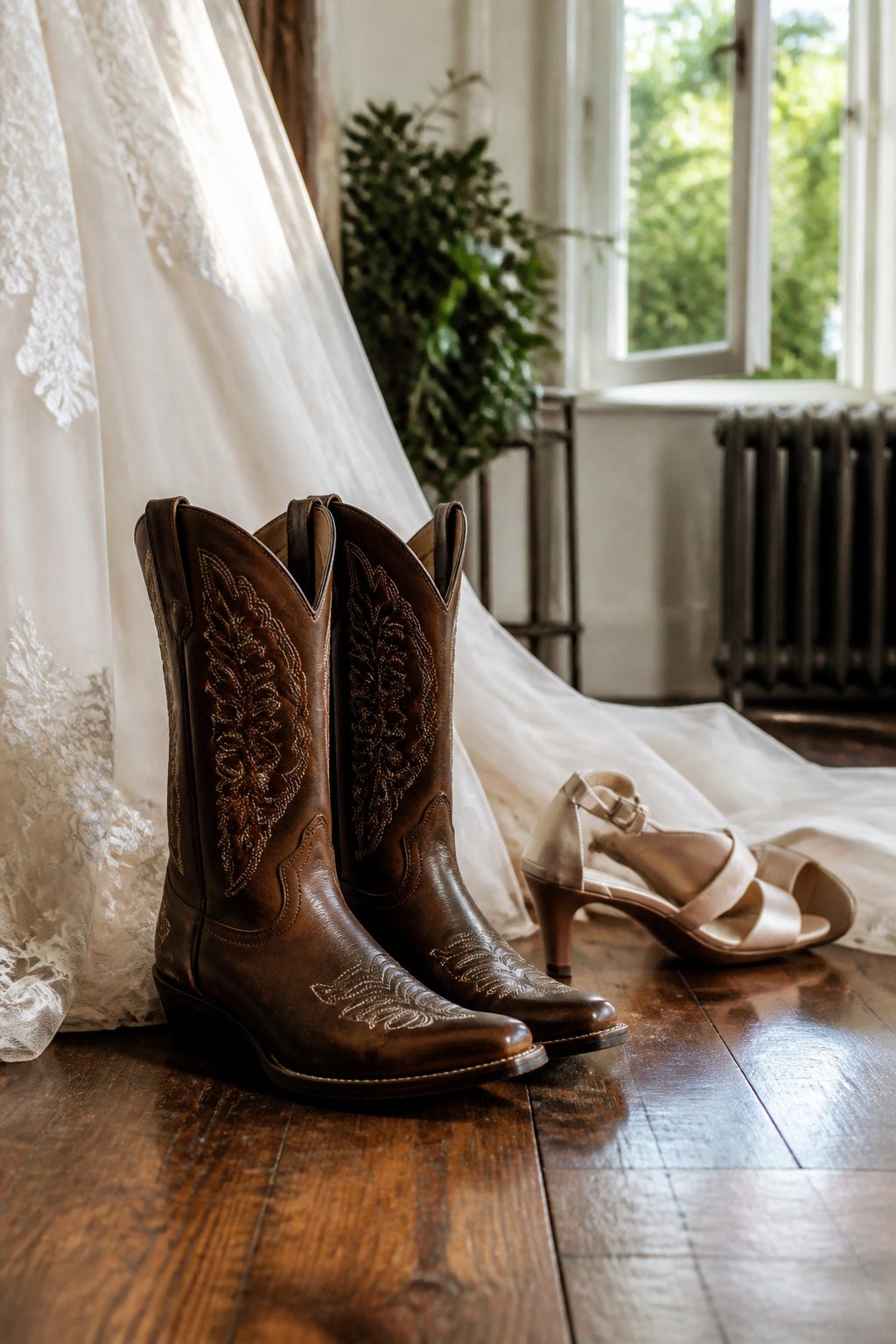
Heels still dominate the bridal suite, but the real conversation is about what happens after the ceremony.
A bride in cowboy boots can lift her hem for a shot that reads as playful rather than costume, and the same goes for clean white sneakers against a long train.
The photographer needs to know the plan, because a shoe change mid-day means catching both looks or missing the transition entirely.
One groom I shot wore bright yellow running shoes with his suit, a choice that sounded risky when he mentioned it over coffee.
The color popped against the gray wool in every frame where his pant leg rose a half inch, and guests still bring up those shots at anniversary parties.
The trick is committing fully, not apologizing for the choice with half-visible framing.
If the shoes matter, the dress hem comes up or the groom’s stance widens enough to show them. If they don’t, pick something neutral and forget about it.

1. PREMIUM TONGUE SHAPE CONCEALER Soft bristles makeup brushes for liquid cream foundation powder buffing blending, Use this flat makeup brush as a foundation or contour brush to apply liquid and cream products onto the skin without trapping or absorption of product. It does not soak up excessive amounts of product like other makeup brushes

Custom Initial Makeup Bag Set: Personalize with your or the recipient’s unique initial to create a fashionable statement piece that reflects individuality. This cosmetic bag set makes a thoughtful gift for your mom, wife, bridesmaid, girlfriend, daughter, granddaughter, or friend

1. PREMIUM Ultra Thin Concealer Soft bristles makeup brushes for liquid cream foundation powder buffing blending, Use this flat makeup brush as a foundation or contour brush to apply liquid and cream products onto the skin without trapping or absorption of product. It does not soak up excessive amounts of product like other makeup brushes
6. Bridal portraits
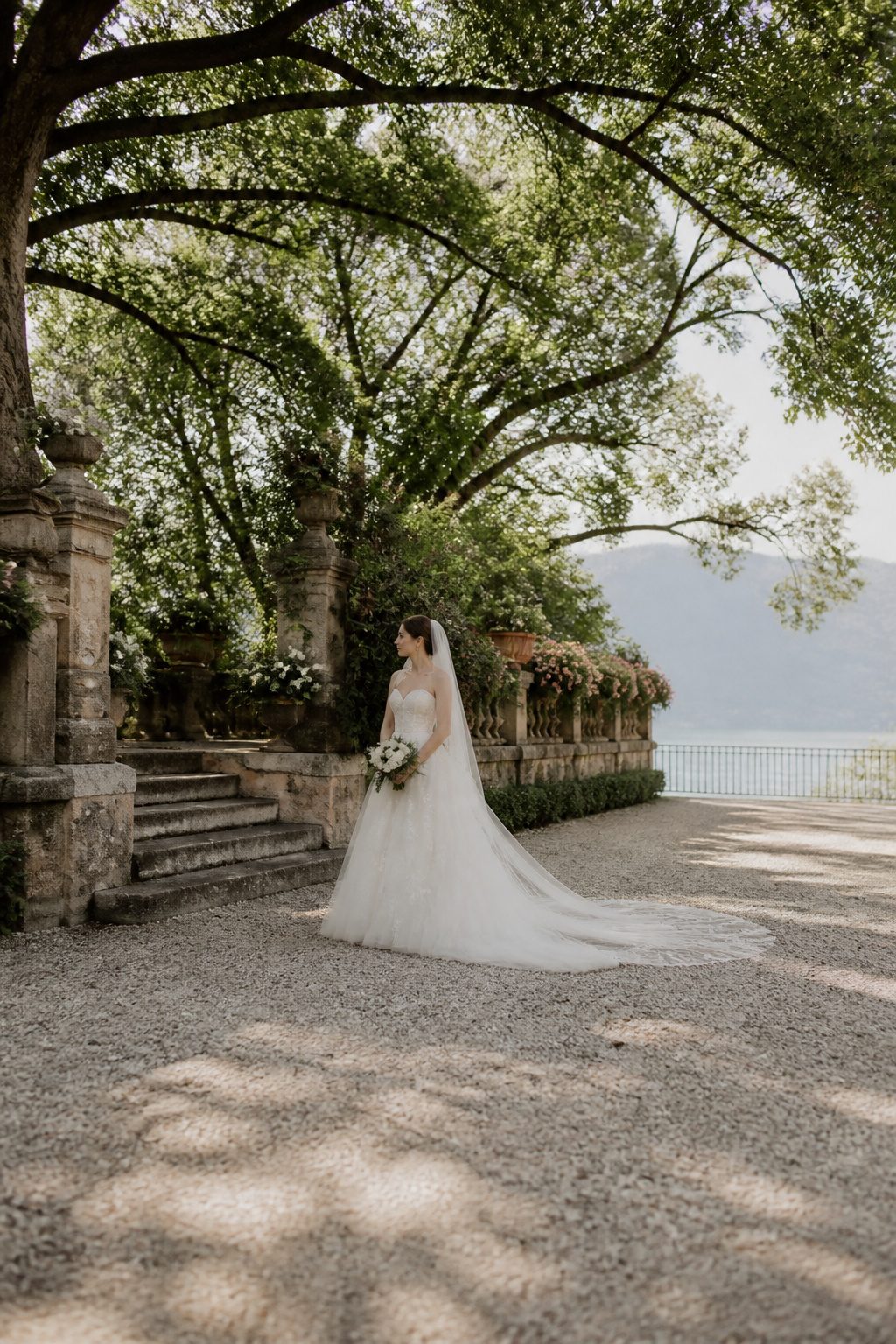
The fully dressed bride, alone, is a different photograph than the bustle of getting ready.
Window light in the prep room gives the cleanest skin tones, especially when she turns slightly toward it so the shadows fall softly across the face rather than cutting it in half.
Full length shows the dress as it was meant to look, not crushed between bridesmaids and makeup bags.
A closer frame from the same spot catches what the mirror missed: the way the fabric sits at the waist, the expression that hasn’t yet shifted into ceremony mode.
If the venue has a covered porch or deep doorway just outside, that light is worth the short walk.
Direct sun is the enemy here; even five minutes in open midday glare hardens every line and turns the dress blinding white.
Cover from above, open shade from the side, and the same slight turn toward the brighter area keeps the portrait from flattening out.
Two separate frames matter: one full length, one closer, not a crop from the same shot. The proportions read differently, and the closer frame lets the eyes carry what the full body can’t.

Each package contion 25 pcs black laser cut card, 25pcs blank inserts, 25pcs envelopes with seals.

Comprehensive Wedding Package: the wedding invitation accessories include 100 pre folded vellum jackets, 18 rolls of beige chiffon silk ribbons, 100 gold wax seal stickers, and 100 natural dried pressed flowers; It's truly ample for your wedding invitations needs
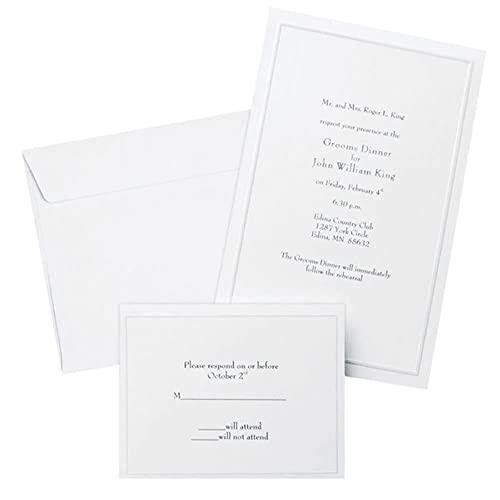
Give your special day the significance it deserves with the classic and pristine design of our convenient print at home invitations and response cards
7. The veil
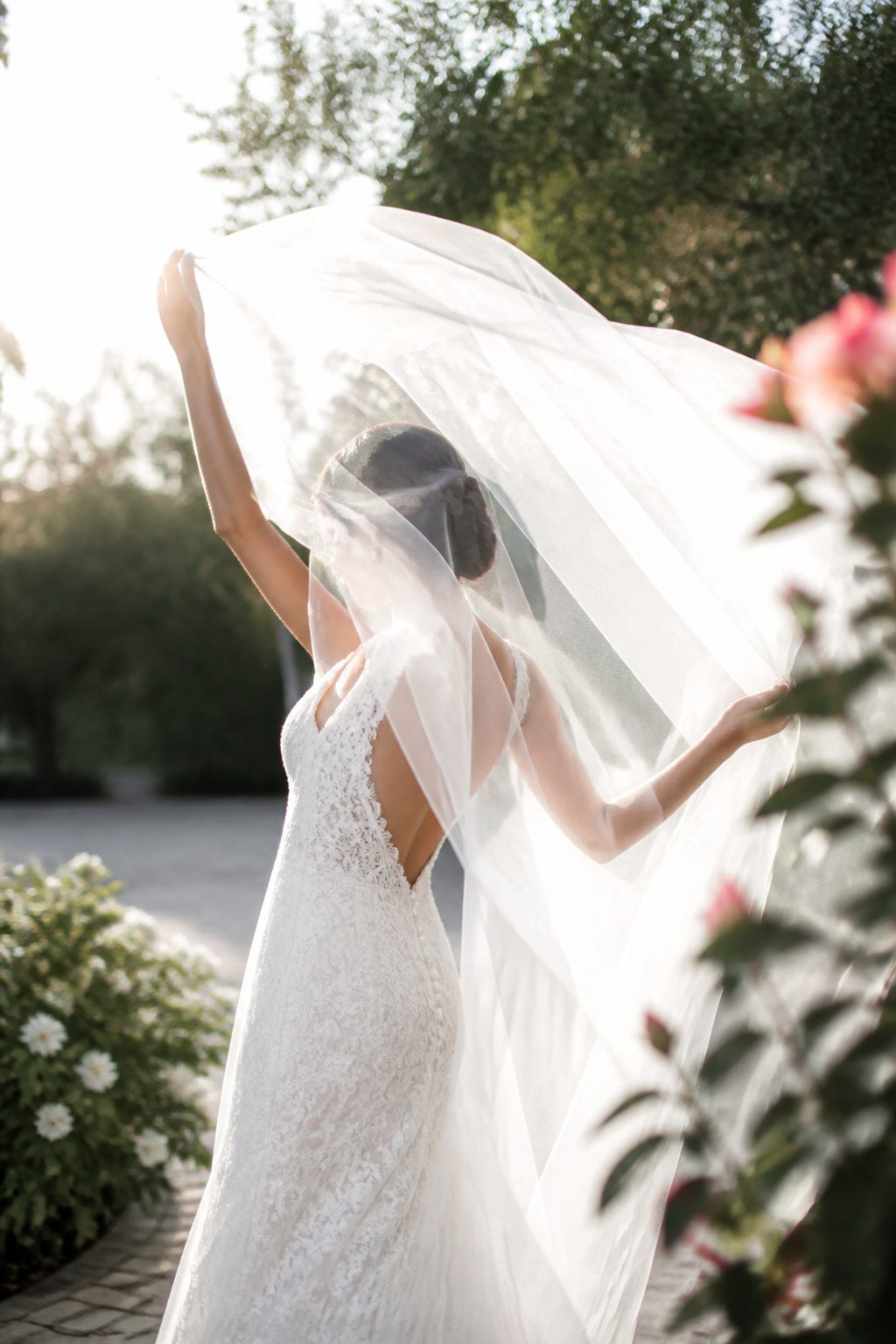
A veil in motion photographs like nothing else in a wedding.
The fabric catches light differently than tulle or chiffon, and it holds a shape for just a second before collapsing, which means timing the shot to the breath between movements separates a keeper from a near-miss.
I ask brides to lift it slowly, let it drop, or turn into a breeze if there is one, then shoot through three or four cycles because the third try is usually where the hands relax and the fabric does what it wants.
Backlighting changes the whole equation. When the sun or a window is directly behind the veil, the fabric turns translucent and the edges glow, framing the face in soft light without needing any additional setup.
The face stays in shadow while the veil becomes the light source, and that contrast flatters almost everyone.
I also keep a few extra blooms from the florist on hand, usually pinned to my bag, in case the bride wants to add one to the comb or let a small spray trail from where the veil meets the hair.
It takes thirty seconds to pin in and can tie the whole look together without a second bouquet to carry.

Irreplaceable 200Ws Ring Flash: As a 200Ws ring flash like never had before, the R200 renders incredible even illumination while eliminating unpleasant highlights and creating a glamorous glow on your subject that will make the portrait look expensive and impressive

Widely applied to outdoor photo light, filling light indoors, portrait photography , fashion, wedding art, advertisement photography,makeup, YouTube live streaming video, studio shoot,etc.
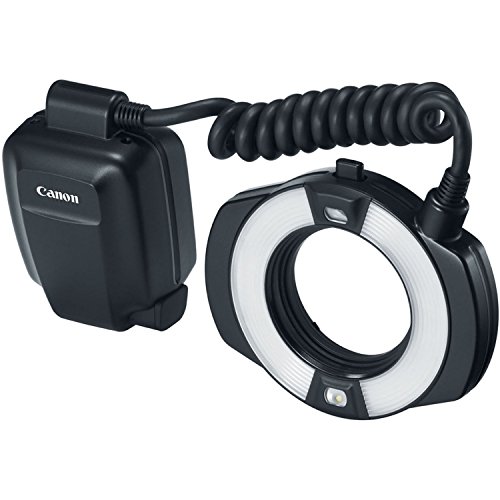
Twin-tube ring lite designed for close-up photography with EF Macro lenses; flash tubes can fire together or independently.
8. The bridal bouquet
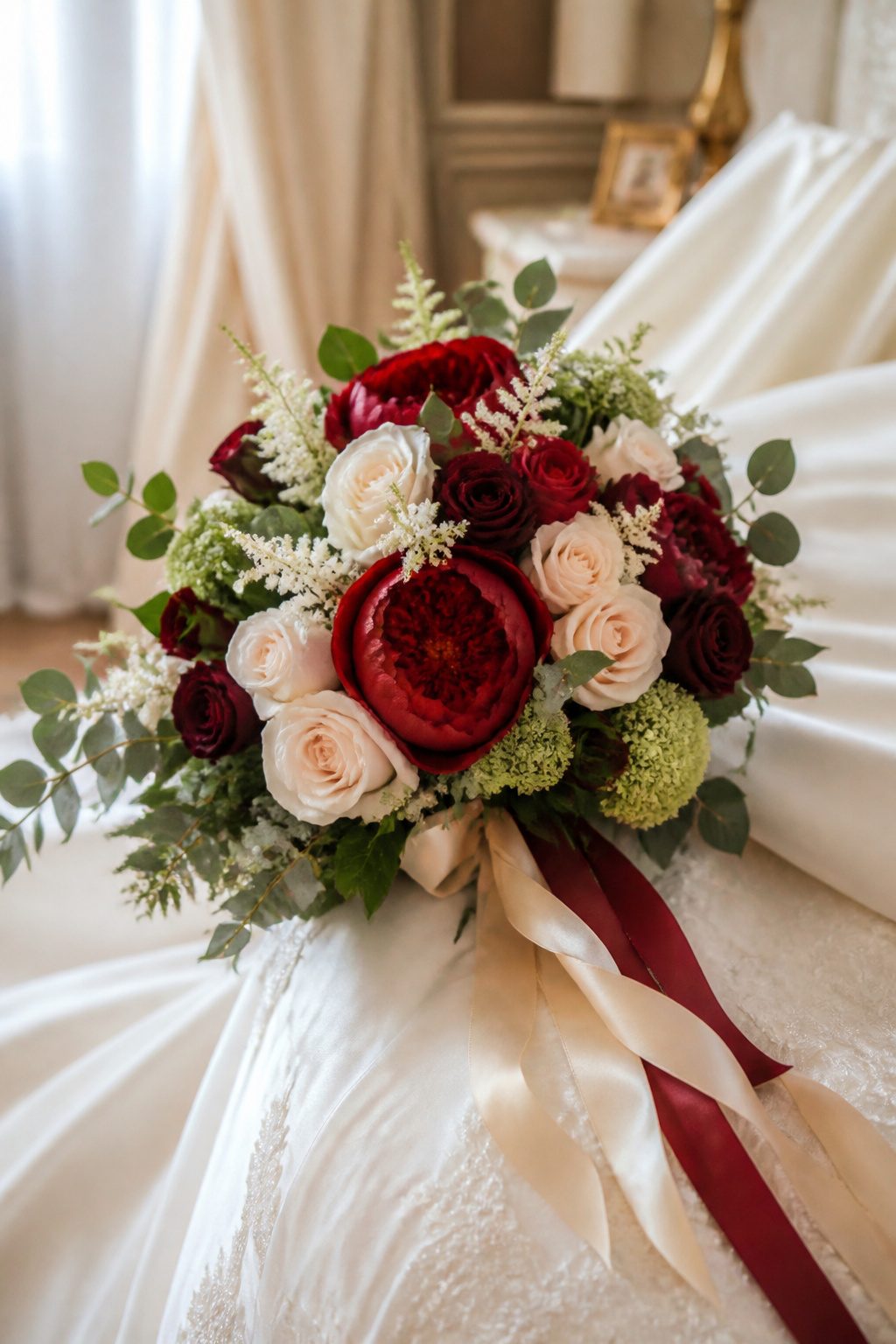
The bridal bouquet is usually the first thing I ask for when I arrive.
Held in both hands, laid across the dress, or turned stem-up so the ribbon trails out, the flowers photograph best before the ceremony starts, while the petals are still tight from the cooler and the bride has not yet gone into performance mode.
She can hand it over for sixty seconds without feeling like she is missing something.
That timing matters more than the pose. After the processional, the bouquet starts to wilt at the edges, and the bride’s attention is split between guests and the next event on the clock.
I have learned to shoot the detail of stems and ribbon right then, in that quiet window, because once the day accelerates there is rarely a second chance.
Outfit details. Elements such as the bouquet, buttonholes, shoes, accessories and any sentimental items will help to tell the story of the day.
A single frame of the bouquet alone, with some hint of the room behind it, rounds out the set without requiring the bride to step back into position.
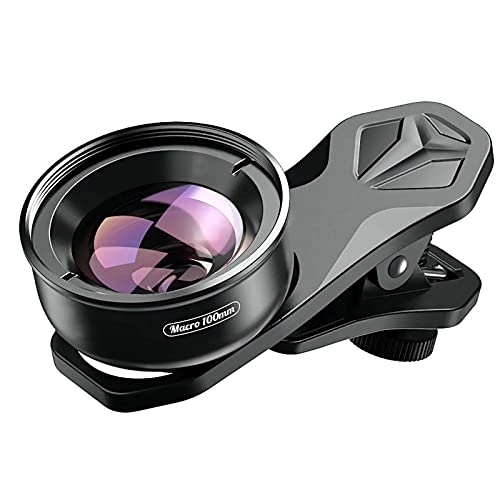
【High Definition】: Cell phone lens are made of glasses with multilayer green optics coating, make your picture more clearly,material enhanced durability, he will accompany you through all the good times.

100mm macro USM lens with F/2.8 maximum aperture for Canon SLR cameras

100 mm focal length and 1:2.8 maximum aperture. The EF1.4X II/EF2X II extenders cannot be used with this lens. There are no compatible close-up lenses.
9. Getting ready, the groom
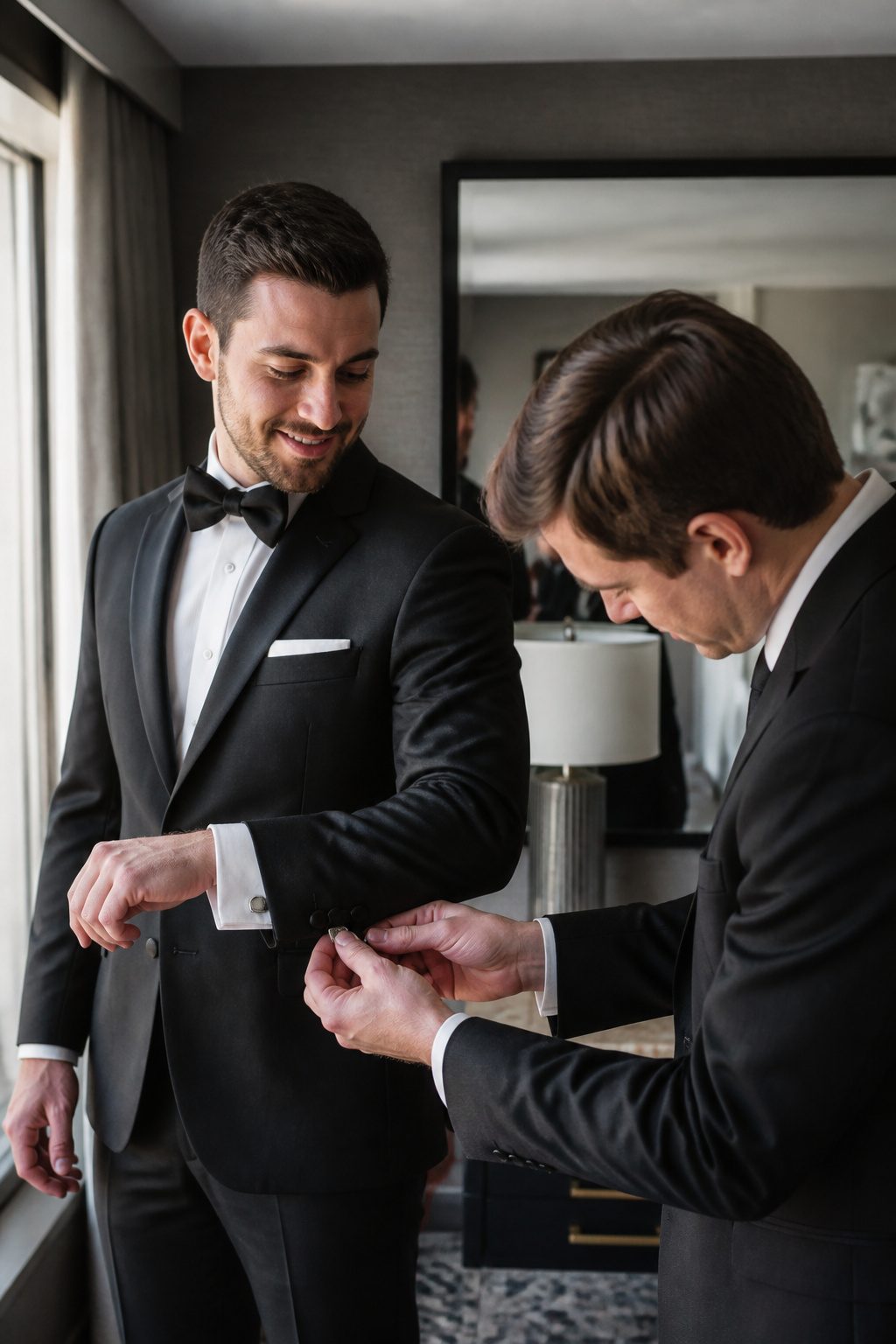
Grooms usually get the hotel bathroom with a single overhead bulb while the bridal suite has windows on three sides.
I look for a room with actual light, even if it means staging the getting-ready shots in a lobby corner or an empty conference room down the hall.
The sequence that matters is specific: the tie being tied, cufflinks sliding through, the jacket lifted on by a groomsman.
These are often the only alone shots the groom gets all day. The groomsmen hovering nearby, half-dressed and drinking coffee, add context without needing to be the point.
I shoot the jacket going on from behind the groom’s shoulder so the label faces away and the lapel catches whatever light I found.
A groom adjusting his own cufflinks reads as solitary; a best man doing it reads as friendship. Both are worth having.
The mistake I made early was treating this as documentary only, no direction. Now I tell the groomsmen exactly where to stand so they are in frame but not blocking the window.
The groom’s suite is usually the afterthought in every venue’s layout. The photographer has to be the one who remembers it.

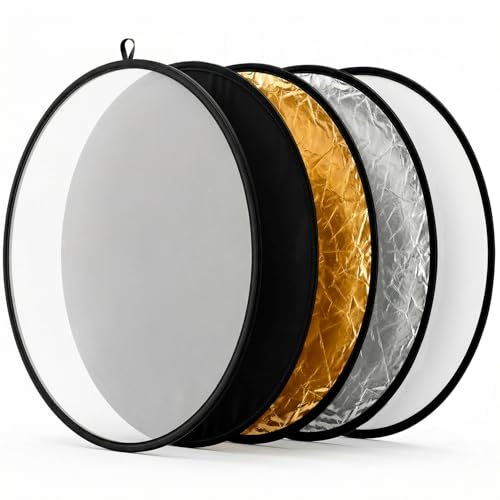
5-in-1 Versatility: Comes with five interchangeable surfaces—Translucent, Silver, Gold, White, and Black—for complete lighting control and creative flexibility in any photography setting.

5-IN-1 PHOTOGRAPHY REFLECTOR:This 5 in 1 photography reflector includes translucent, silver, gold, white and black surfaces to soften light, brighten shadows, add warm tones, create natural fill or reduce unwanted reflections with negative fill
10. Candid moments
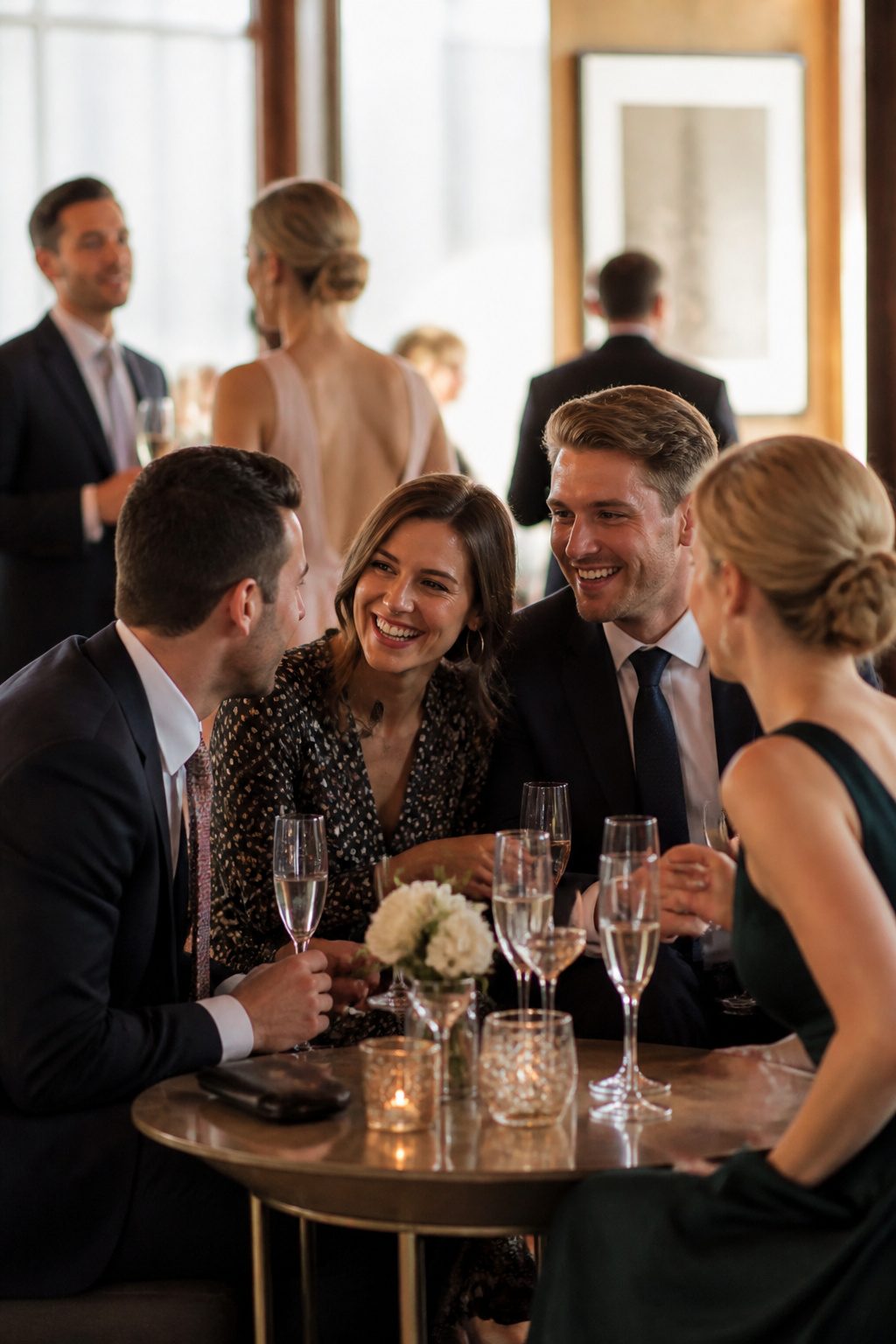
The best unposed shots happen in the gaps, not during the posed ones.
A hand landing on a shoulder, someone brushing an eye while they think nobody is watching, laughter that breaks out while the wedding party is technically waiting for the next setup.
These are the moments couples tell me they want most, and they are the hardest to manufacture.
The ones I have actually kept were caught while I was walking somewhere else.
Camera already up, one eye on the path ahead, the other on the viewfinder. No stopping, no calling attention.
The second you pause, the shoulder drops, the hand retreats, the face resets. The trick is to shoot like you are not there at all.
If you want more of this in your gallery, say so directly. Most photographers will catch some candids by reflex, but telling them laughter and quiet gestures matter to you changes what they watch for during transitions.
It also helps to know your crowd. Some wedding parties stay picture-perfect between shots; others drop the pose the instant the camera turns away.
The getting-ready stretch is where you learn which kind you have, and that tells the photographer what to expect for the rest of the day.

Docolor Flat Foundation Brush: A large, flat, ultra-thin synthetic fiber brush with a fine, firm edge for even distribution and blending of liquid foundation, concealer, primer, emulsion, mud facial mask and cream cosmetic products on the face or body. The wide head design allows for more control on the level of coverage, which makes flexible application and building ultra-thin layers a job

Flat Brush Tip Design: Our foundation brush is designed with a unique flat brush tip, which allows for quick and even application of foundation, giving you a flawless and streak-free finish, with the foundation adhering to your face!
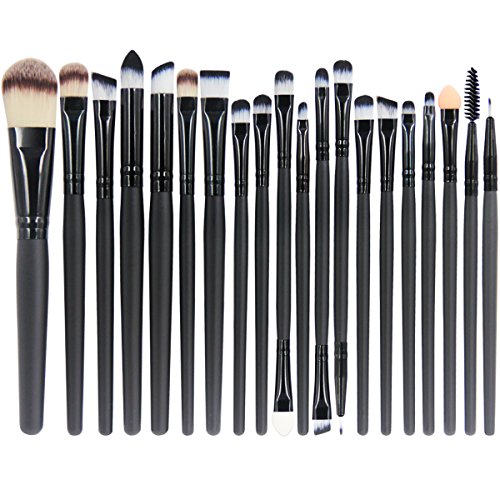
This EmaxDesign cosmetic brush set will show your natural beauty and leave a flawless finish. Handmade brushes made of premium synthetic fiber materials provide an incredible touch and feel
11. Couple portraits
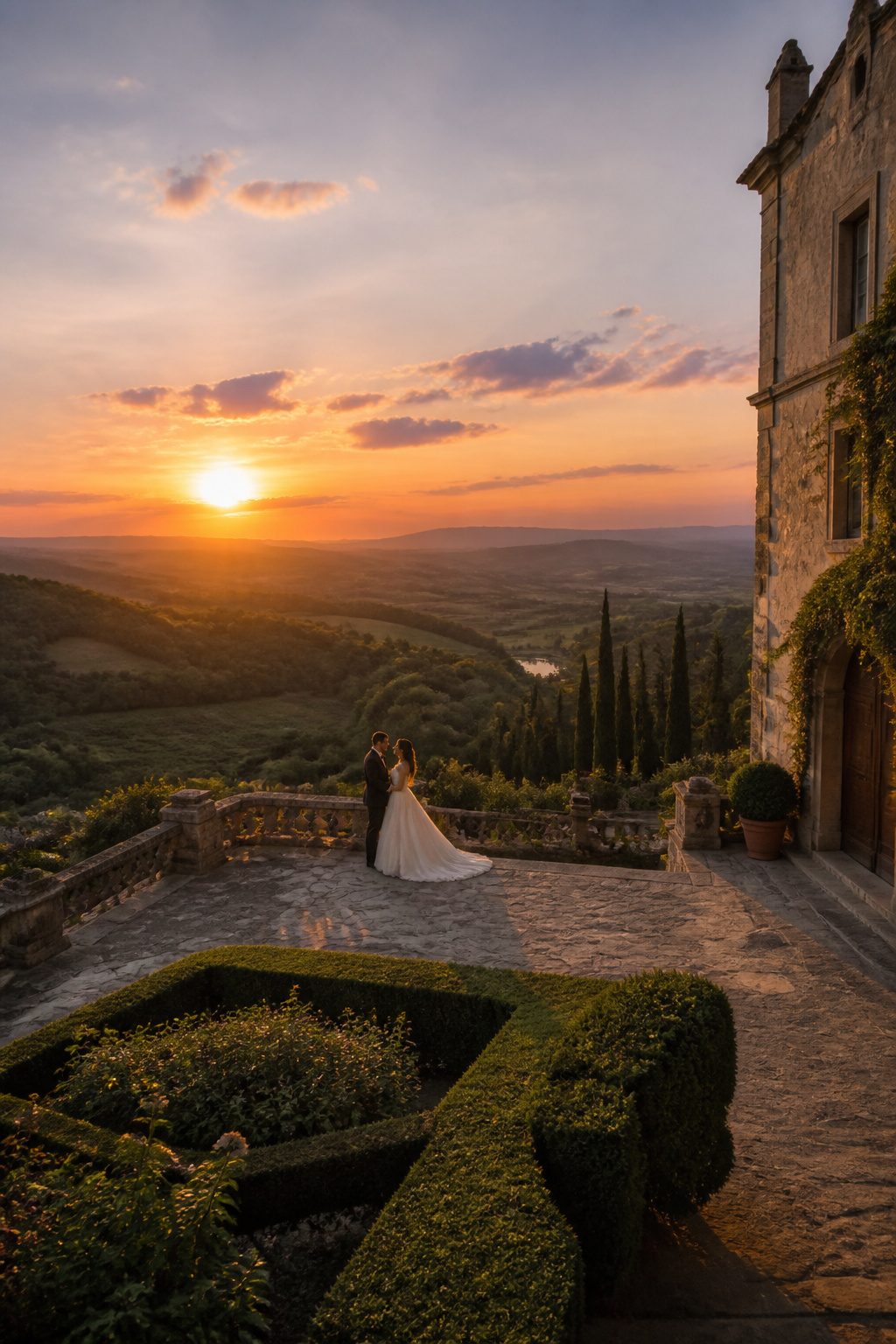
The best light for couple portraits usually arrives late in the day, so the question is whether your timeline can bend toward it.
Golden hour gives you about ten to fifteen minutes of workable light, sometimes a little more if the sky is generous.
I ask couples for twenty minutes total, which keeps them from missing too much of the cocktail hour they paid for.
When the schedule won’t shift, open shade becomes the move.
A covered porch, the shadow side of a tall building, even a dense tree line will soften the light across both faces without the hard shadows full sun throws under eyes and chins.
The trick is finding shade that still faces the open sky, so you keep the brightness in their eyes.
Rain steals both options. Clear umbrellas photograph well and keep you shooting; a tented corner or indoor spot with a window becomes the backup plan.
I have walked couples out between sprinkles more than once, and the nervous laugh in those shots usually reads better than the posed smile.
If you are skipping a first look, the post-ceremony window is your only chance for these two-together portraits. Start the ceremony at least ninety minutes before sunset, finish by sixty minutes out, and you keep golden hour on the table.
12. The wedding party
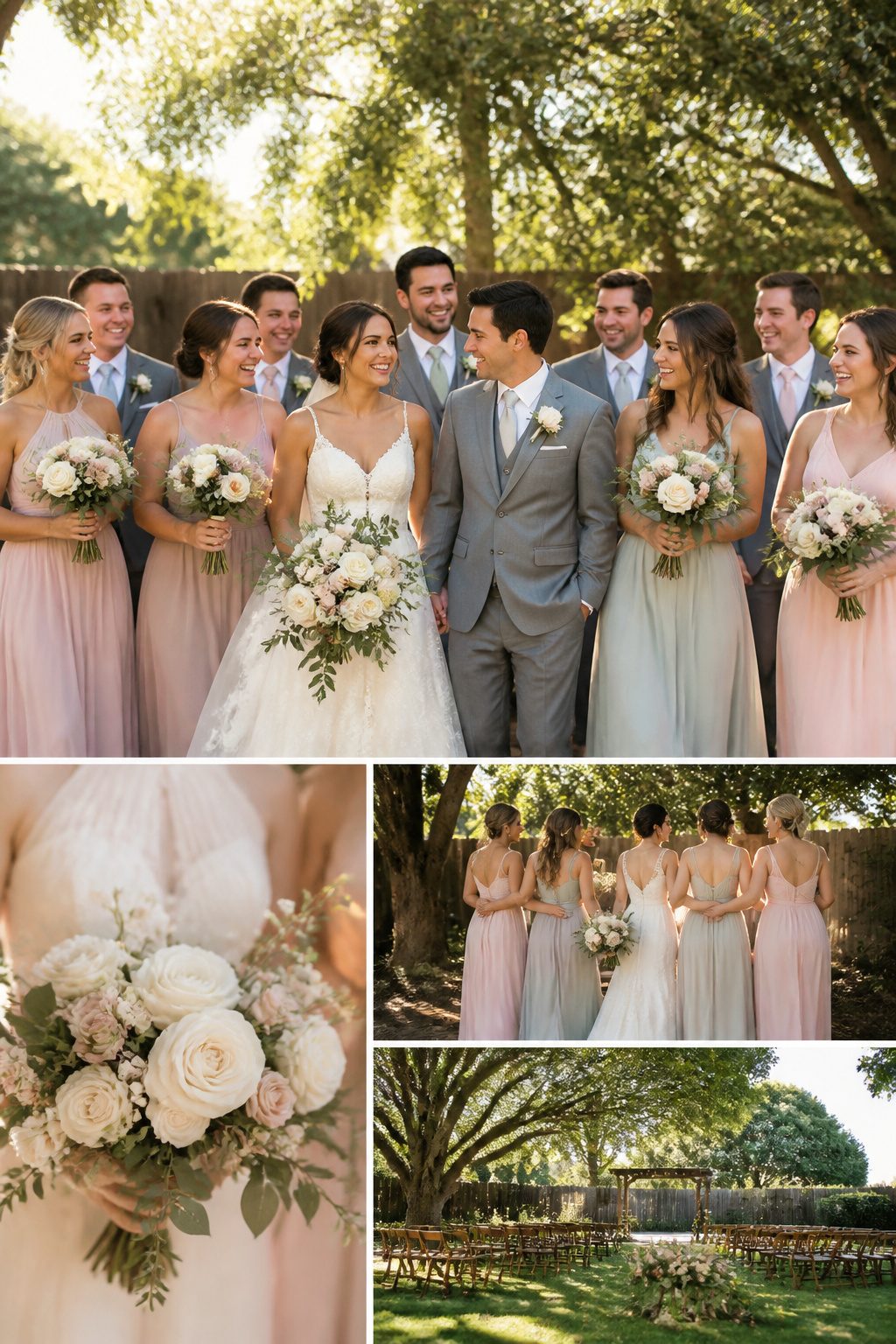
The wedding party deserves its own window in the day, and the order matters more than most couples realize. I shoot the full group first, while jackets still sit right and ties haven’t loosened.
Every group eats 3–5 minutes just to arrange, so a list of 20 shots swallows over an hour. Keep the formal set to ten combinations and knock them out before anyone wanders toward the bar.
After that, the same group loosens up. Bridesmaids and groomsmen separately have their place, but the shot that usually ends up framed is everyone together, laughing at something that happened five seconds before.
One photographer I follow calls it her favorite wedding photo idea, and I land there too. The stiff version satisfies the parents; the relaxed one is what you’ll actually want to keep.
13. The young ones
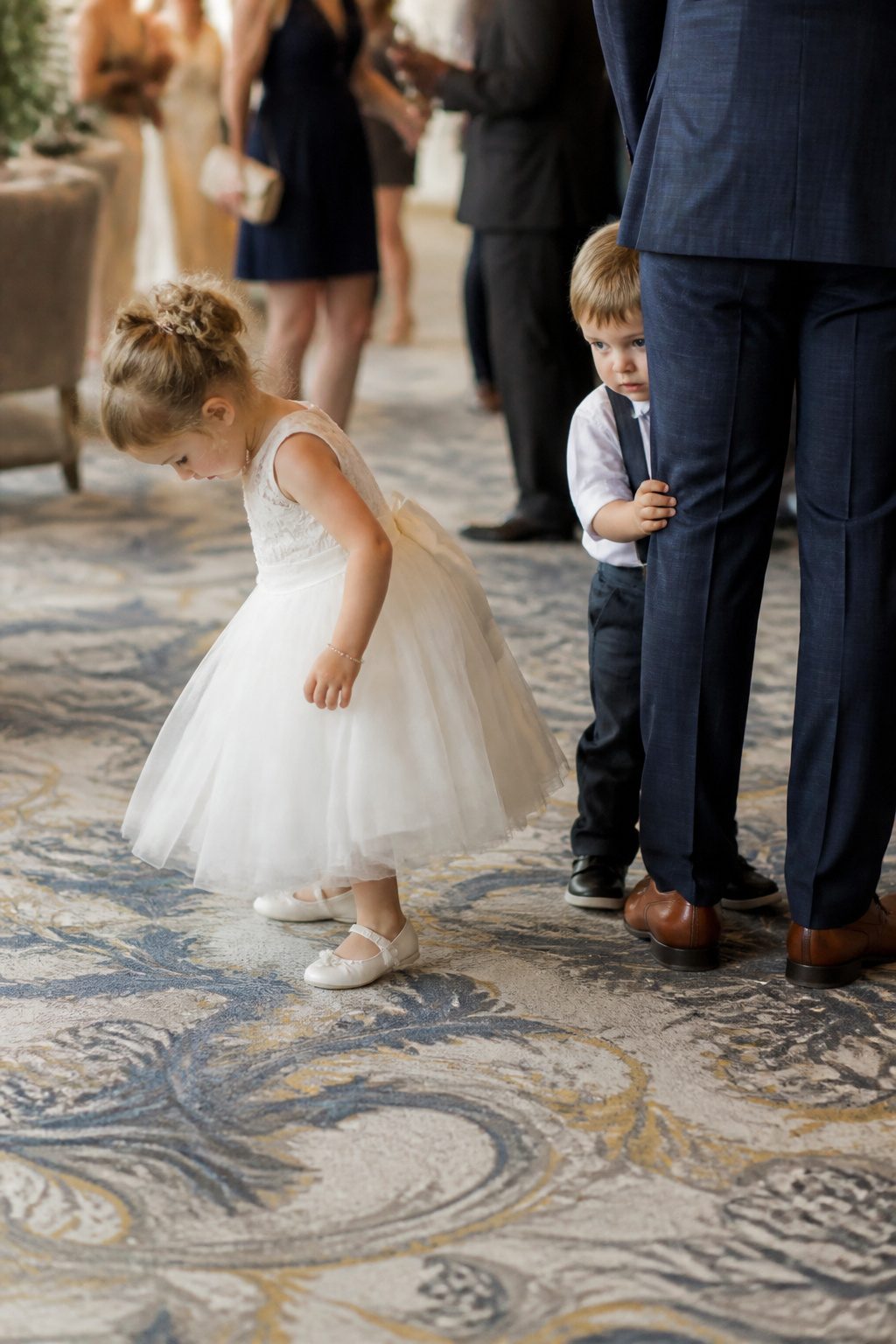
The young ones move on their own schedule, and that unpredictability is exactly what makes the frames worth keeping.
A flower girl mid-stride, suddenly fascinated by a pattern in the carpet, or a ring bearer ducking behind his father’s leg when the crowd turns his way: these are the moments that outlast the posed lineup.
The best shots often come when they have forgotten you are there at all.
I have learned to stay ready rather than direct. Kids at a wedding are not small adults performing a role; they are guests having their own enormous day, and the camera catches that scale when you let them alone.
Some photographers hand disposable cameras to the children for an alternate angle, which keeps them occupied and yields the occasional surprising frame.
Either approach works, though I prefer to watch from a distance and catch what happens rather than recruit them as junior shooters.
The growth curve is steep.
Parents know this, and wedding albums become the record of how small they once were. A distracted glance downward, a hand half-hidden in a parent’s coat: these read as personality, not error, and that is the point.
14. Drone wedding photos
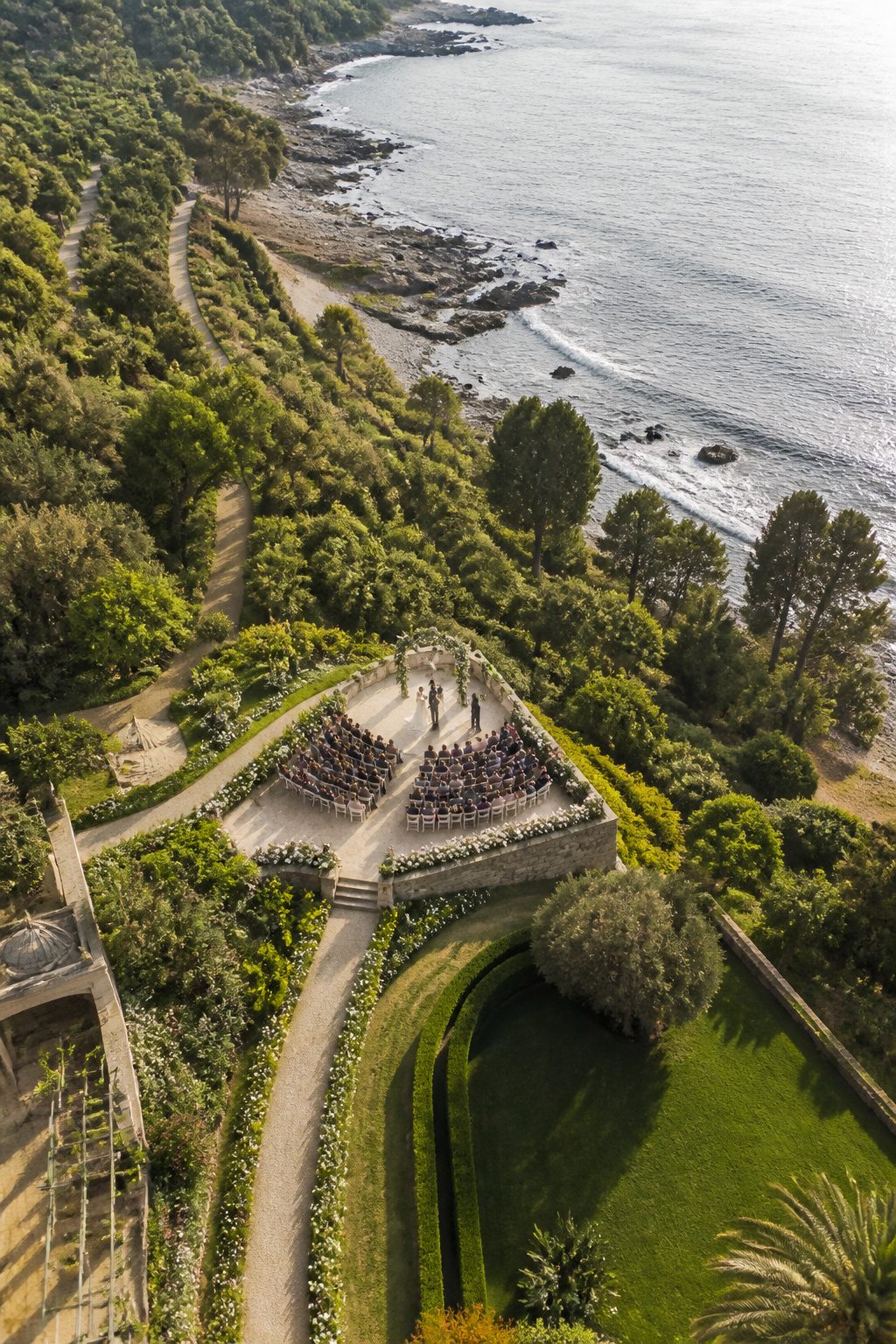
Aerial shots turn the whole day into a map the couple will study for years. The drone rises above the tree line and suddenly the ceremony setup, the guest rows, the path the bride walked all fit into one frame.
You need a licensed pilot and written permission from the venue before the day, not after you have already built the timeline around it.
I have seen this go wrong twice because nobody checked the wind.
Gusts above what the drone can correct for mean jerky footage or a lost aircraft, and trees are worse than open water because the signal drops and the pilot has no clean descent.
Battery life is the hard stop most couples do not plan for.
Fifteen minutes of flight time is typical, and that is not fifteen minutes of usable footage; it is fifteen minutes of motor-on time, including the climb and the return.
Rain scrubs the flight entirely.
So does proximity to an airport with controlled airspace. One summer wedding on Lake Como at Villa Erba worked because the grounds were wide, the sky was clear, and the villa sat far enough from commercial flight paths.
The couple got the full property in a single shot, terraced gardens dropping to the water. Without those conditions, the money for the pilot sits in the budget doing nothing.
15. Walking down the aisle
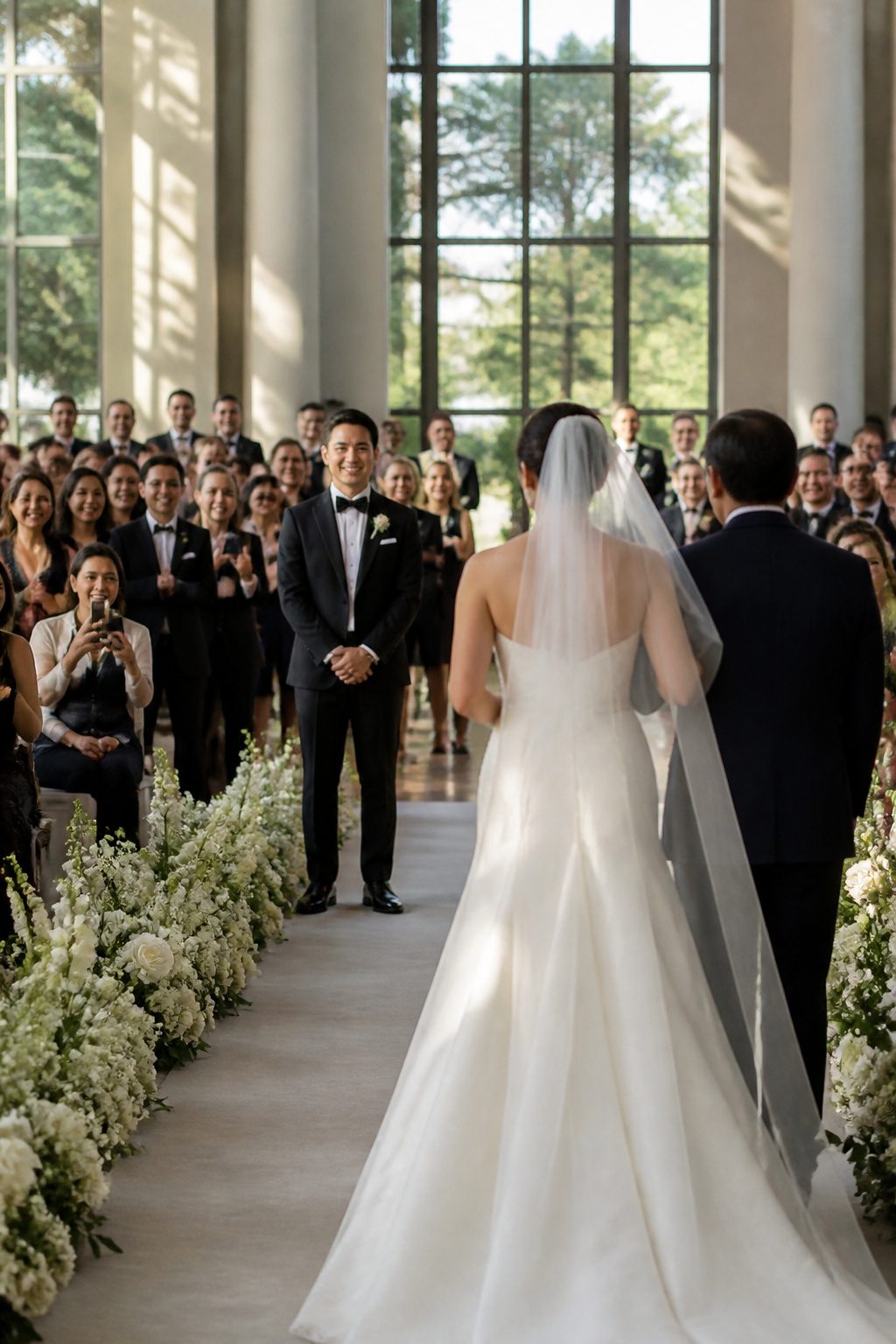
The walk down the aisle is one of the few shots where I will fight for two photographers if the budget has any stretch at all.
I station myself at the front, usually off to the side the bride will approach from, lens locked on the groom’s face.
The second shooter stands at the rear for the wide view that shows the full length of the aisle, the guests turning, and whoever is walking her.
That pairing is the only way to get both the genuine expression when they first see each other and the scene that sets it in context.
Some couples keep their first look for this exact moment, skipping the private session entirely.
Others do a first look beforehand and still find something worth capturing here, though the charge is different. Either way, the photographer needs to know the plan, because the positioning changes.
A first look at the ceremony means I am gambling everything on that front angle and the light at the altar. No do-overs.
If the budget only allows one photographer, the front position wins. The wide shot is a loss I can absorb; the face at the moment of arrival is not.
16. Wedding ceremony exit
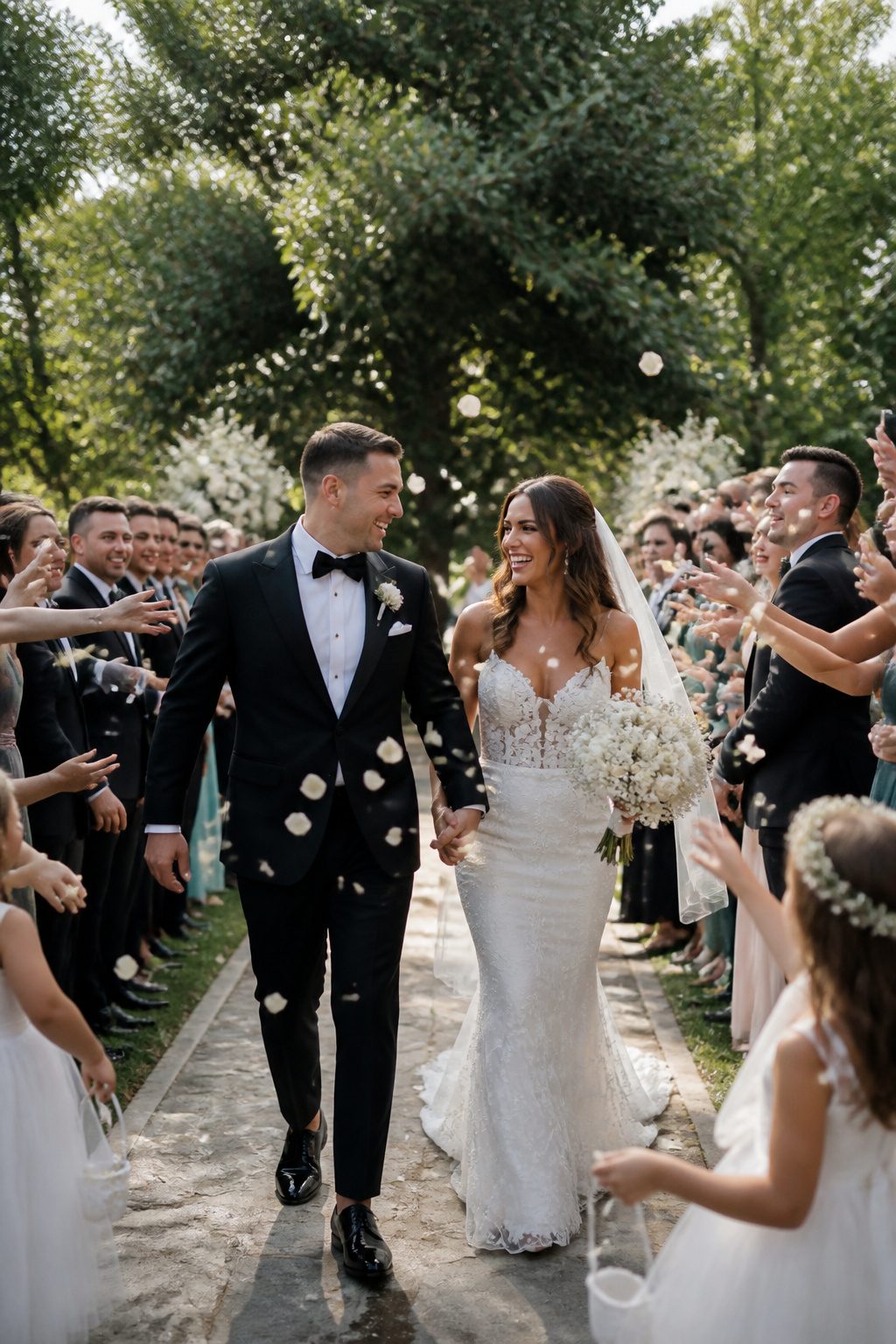
The recessional is the simplest great shot of the day if you’re in the right spot.
Faces are forward, joy is unguarded, guests are reaching out to touch a sleeve or blow a kiss. Everything that made the processional tense has dissolved into relief.
The catch is where I stand for the kiss.
If I moved up the aisle for that shot, I am now behind the couple as they walk back toward me. Their backs are to my camera while the guests see the good faces.
I learned this the hard way at a ceremony in France: the couple was newly married for maybe ten seconds, guests were beaming, and I was scrambling to a side aisle too late.
Position yourself at the back before the kiss, or agree with your second shooter on who covers which direction.
The couple can pause for a quick kiss at the aisle entrance, but the real photograph is the walk itself: hands found again, the step that is already synchronized, someone laughing with their whole mouth open.
Ask your photographer about this shot specifically. It is obvious in retrospect and easy to miss in the moment.
17. Laughing at weddings
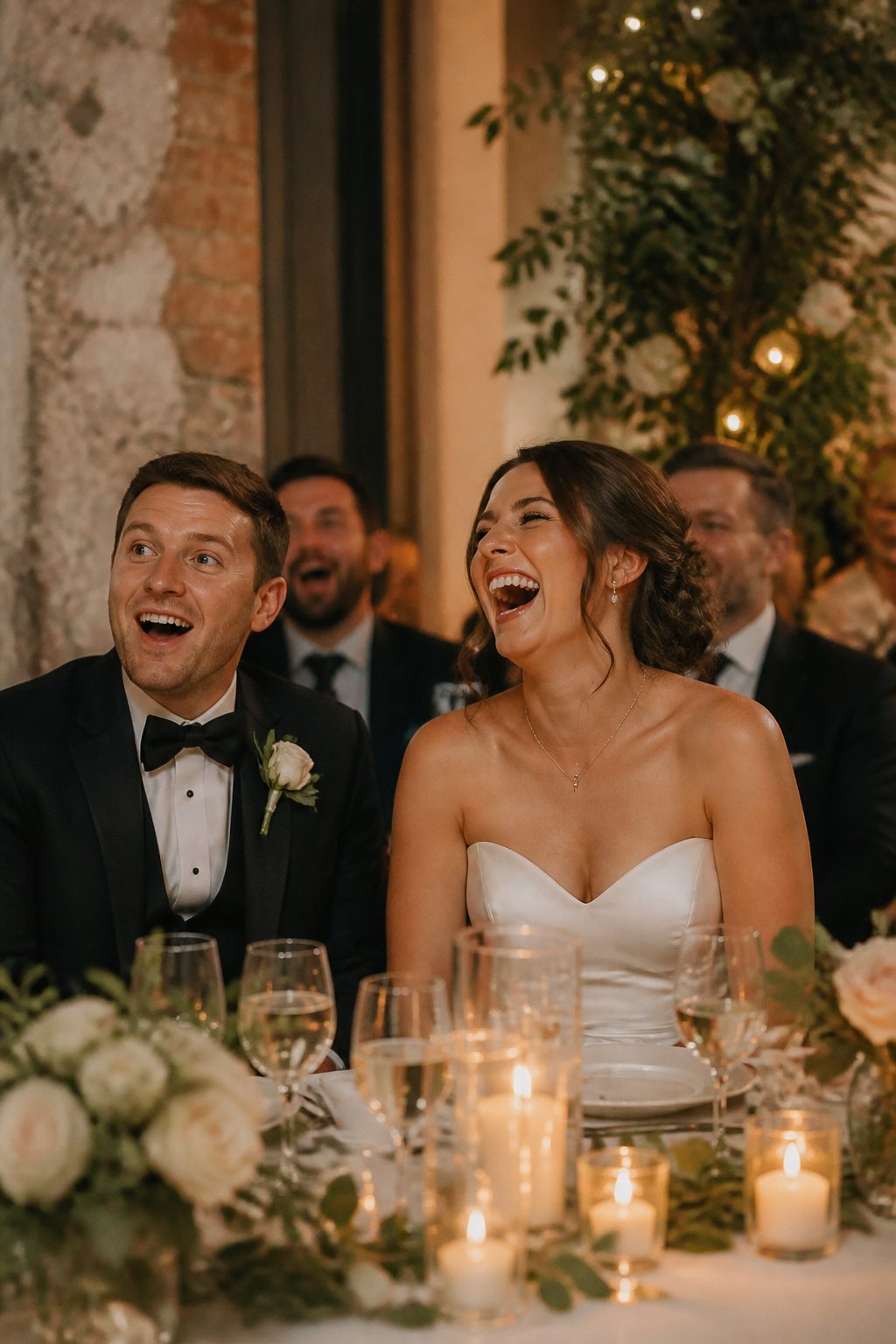
The best wedding photos ideas for genuine laughter come from staying close to the person who makes the bride laugh hardest during toasts.
I watch for that dynamic early, usually at the rehearsal dinner or cocktail hour, and position myself near them once speeches begin.
The laugh lines are real in those shots, not the tight, posed smile that stiffens after three seconds of holding it.
Unguarded laughter during a parent speech, a best-man story gone slightly wrong, or a quiet moment between dances ages better in an album than anything I could direct.
The couple almost never notices me at those times, which is exactly when the camera should be working.
18. The first kiss
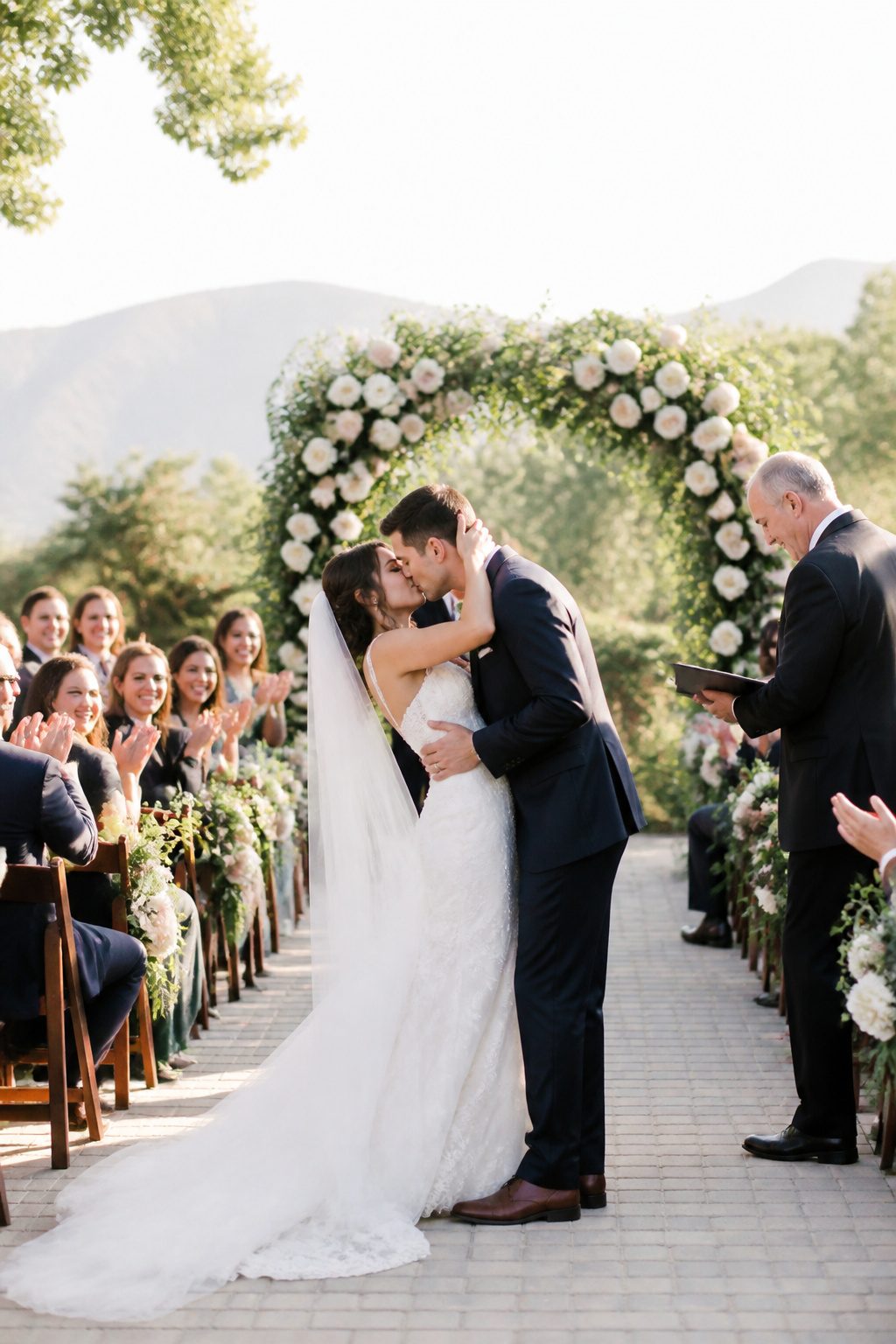
The first kiss is the moment every guest watches for, and the angle matters more than most couples notice.
Face the audience, not each other at forty-five degrees, so the photographer can catch both expressions with the crowd still visible behind you.
Officiants who step aside just before the announcement stay out of the frame without creating motion blur mid-kiss.
I shoot this on burst mode and sort later, which usually works until it doesn’t. At one outdoor ceremony the kiss went long enough that my camera buffer filled completely, and I lost the final frame.
That still bothers me. The card still held plenty of space; the bottleneck was the camera writing speed to the buffer, a limit I now account for by starting the burst a half-beat later than instinct suggests.
19. The table decor
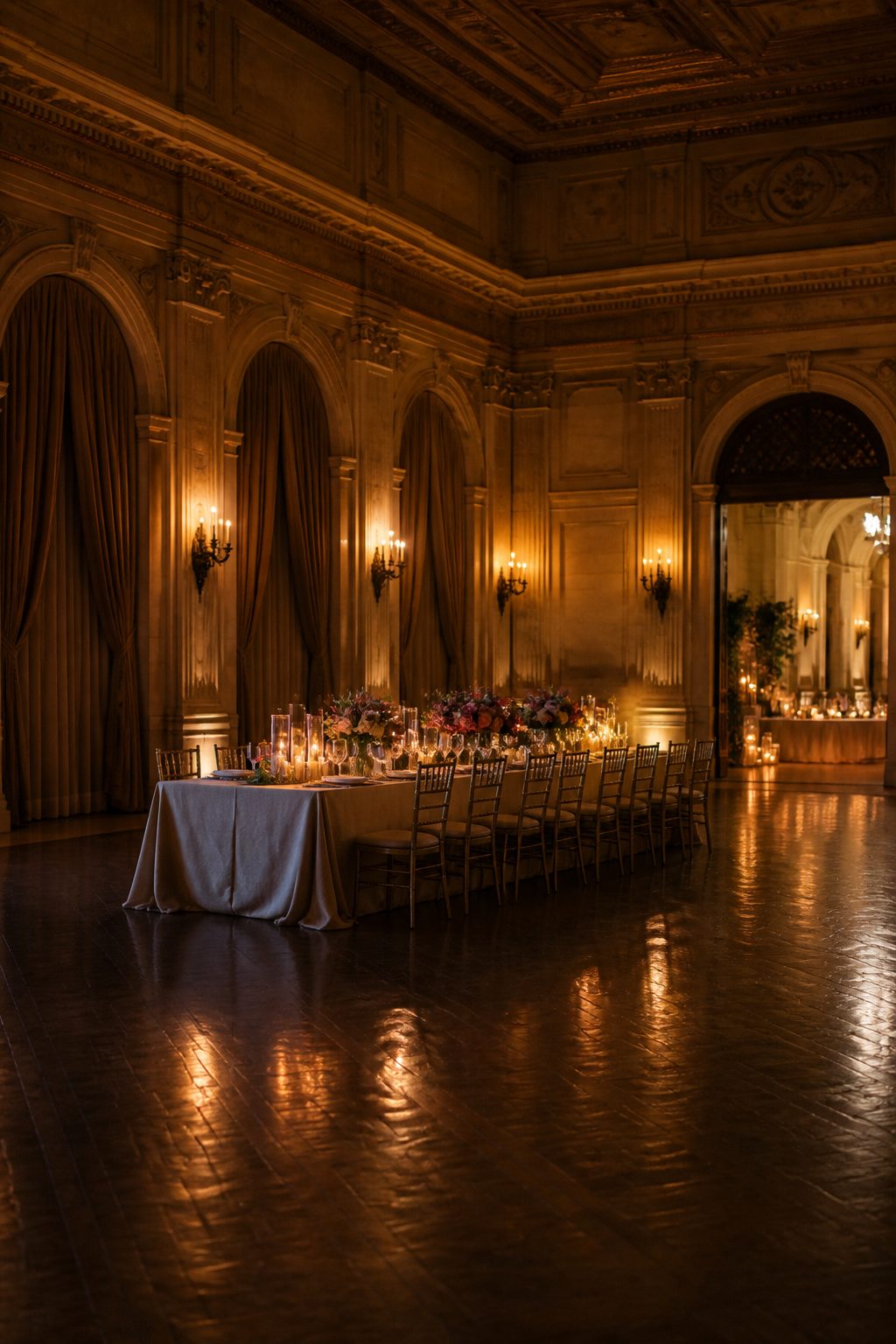
The centerpieces, place settings, and candles you spent weeks choosing deserve their own frame, and the only honest way to show them is at guest height, not from standing above.
A table shot taken at six feet flattens everything into a diagram of what was there. Dropped to seated eye level, the same frame pulls a viewer in as if the chair is already theirs.
I shoot these during cocktail hour, once the room is finished and still empty. That window lasts maybe twenty minutes before someone wanders in for a forgotten purse or the catering manager flips the lights to preset.
The candles need to be lit, the napkins folded, the chairs pushed in, and the room silent enough that you can hear the wicks.
Miss it and you are photographing elbows and wine glasses instead of the story the couple paid to set.
20. The wedding cake
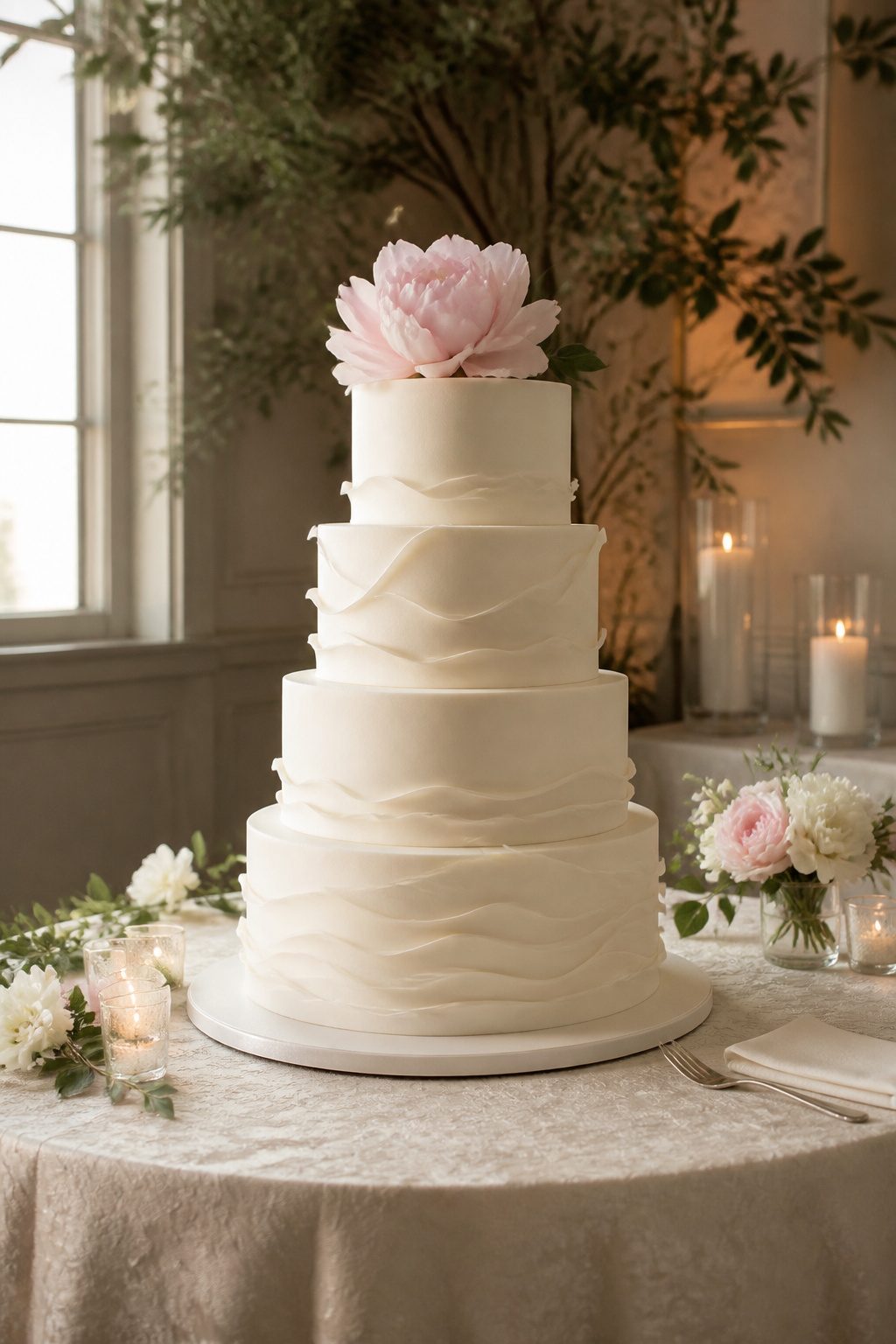
The cake needs its own ten minutes before anyone touches it. I always ask the caterer to leave the table completely undisturbed, though about half the time I arrive to find crumbs already scattered or a serving knife left behind.
Those details wreck the clean shot, so I build in buffer time and bring a small brush.
Start with the cake alone, full table width, then move closer for the sugar work.
A single peony or a piped monogram deserves its own frame; the light catches fondant differently than real petals, and that contrast is what makes the detail worth keeping.
If the couple wants a portrait behind the cake, position them slightly off-center so the tiers still read as the subject, not background filler.
The height difference between a seated cake and standing couple can flatten the composition, so I usually ask them to lean in rather than stand straight.
Ask for those ten minutes in writing with the catering timeline, not just a verbal pass-along.
The cost of missing this is a cake photo that looks like an afterthought, and for most couples, that tiered slice of budget was not small.
Frequently Asked Questions
What are some unique wedding photo ideas?
Unique wedding photo ideas include underwater sessions, jumping into water or leaves, finding unusual perspectives like looking up at domed ceilings, shooting in museums, using light creatively with long exposures, shooting upside-down, visiting remote locations, getting near waterfalls, taking long hikes for mountain-top shots, and using props like copper pipes or prisms for optical effects.
These ideas require extra time and a willingness to experiment, but they produce images that stand out from standard wedding photography.
How can I ensure I get the best wedding photos?
Communicate directly with your photographer about what matters most to you, such as candid laughter or quiet gestures, and allow enough time for key moments.
Build twenty minutes into your timeline for couple portraits during golden hour, which lasts about ten to fifteen minutes, and start ceremonies at least ninety minutes before sunset if you want that light.
Bring extra copies of stationery and details so your photographer can work without stress, and make sure your getting-ready space has good natural window light rather than relying on overhead bulbs.
What should I include in my wedding photo checklist?
Essential shots include stationery and invitation flat-lays before the day begins, ring close-ups with a macro lens, makeup moments and getting-ready scenes for both partners, bridal portraits in window light, veil shots with the fabric in motion, the bouquet before it wilts, the ceremony exit from the right position, couple portraits during golden hour or open shade, formal wedding party groupings while everyone is still fresh, candid moments during gaps in the schedule, and table decor at guest height during the empty cocktail-hour window.