The right makeup look for prom depends on one thing: how your face behaves under flash photography, which turns shimmer into grease and matte into flat cardboard.
Each of these twenty styles solves that problem differently, from the satin-finish base that bounces light gently back to the smoky eye set with translucent powder so it does not migrate by hour three.
What unites them is that every one was chosen for a gymnasium full of phone cameras and overhead fluorescents, not a studio.
1. Soft Glam
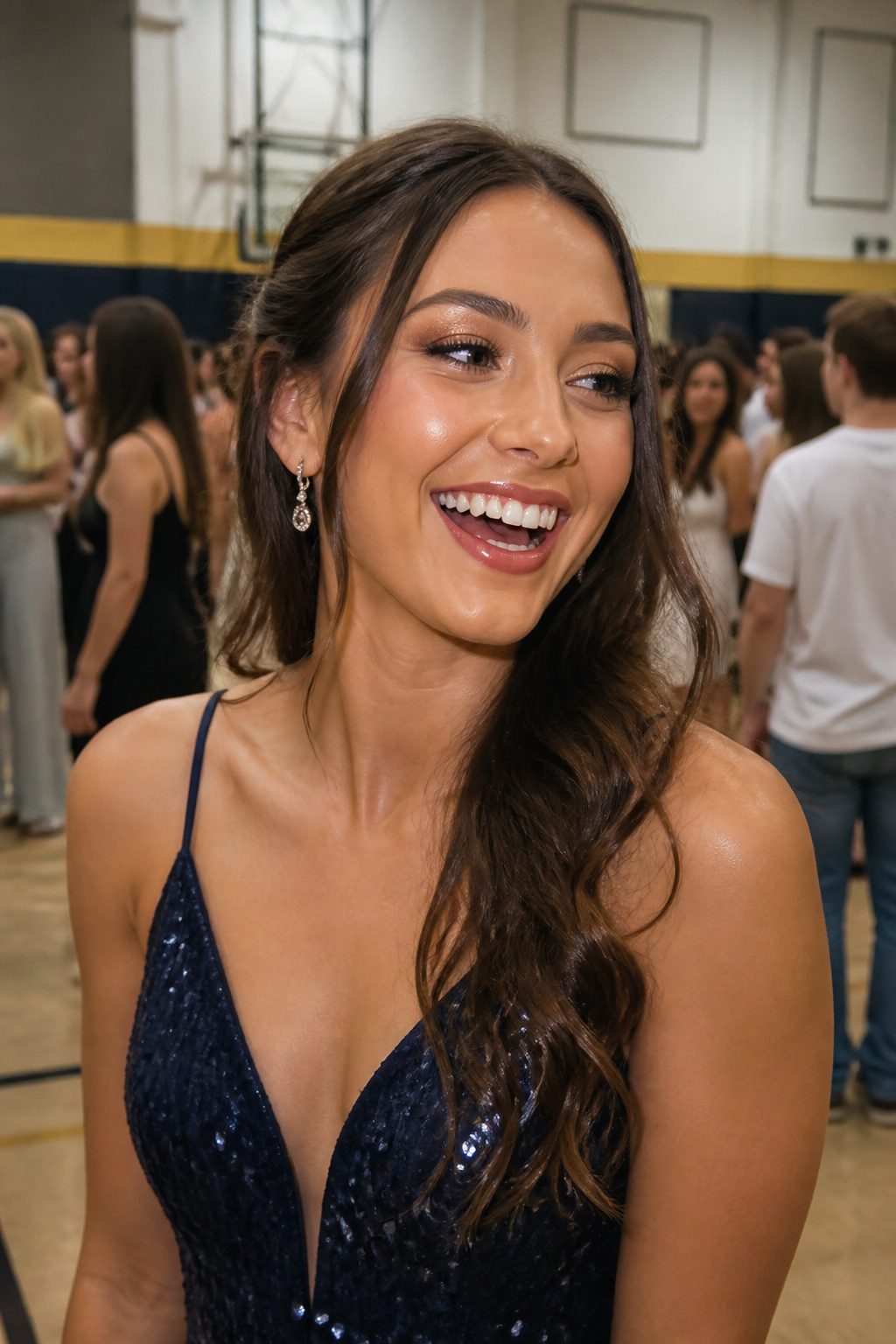
A satin-finish base sits right in the middle of matte and dewy, which is exactly where flash photography wants you. The light bounces back with a gentle luminosity instead of flattening out or turning greasy under the gymnasium lights.
I build this look with warm tones through the crease, nothing cooler than a soft bronze, then lay a wash of cream eyeshadow across the lid itself.
The cream formula catches light differently than powder alone, and that subtle variation is what reads as dimension in photos.
Blending matters more than color intensity here. The edges need to disappear so completely that someone three feet away sees only your features, not your technique.
For the lip, a rose or berry tone in a hydrating formula finishes without competing. A nourishing lip oil with buildable tint and that high-shine, non-sticky finish keeps the mouth soft through hours of talking and dancing.
What I like about this makeup look for prom is its forgiveness: it enhances what you already have rather than drawing a mask over it, so the photos still look like you when you flip back through them years later.

LONG-LASTING LIQUID FOUNDATION: Hit that dreamy sweet spot between full beat and barely there with e.l.f. Cosmetics’ long- wearing Soft Glam Satin Foundation.

LONG-LASTING LIQUID FOUNDATION: Hit that dreamy sweet spot between full beat and barely there with e.l.f. Cosmetics’ long- wearing Soft Glam Satin Foundation.

LONG-LASTING LIQUID FOUNDATION: Hit that dreamy sweet spot between full beat and barely there with e.l.f. Cosmetics’ long- wearing Soft Glam Satin Foundation.
2. Classic Smoky Eye
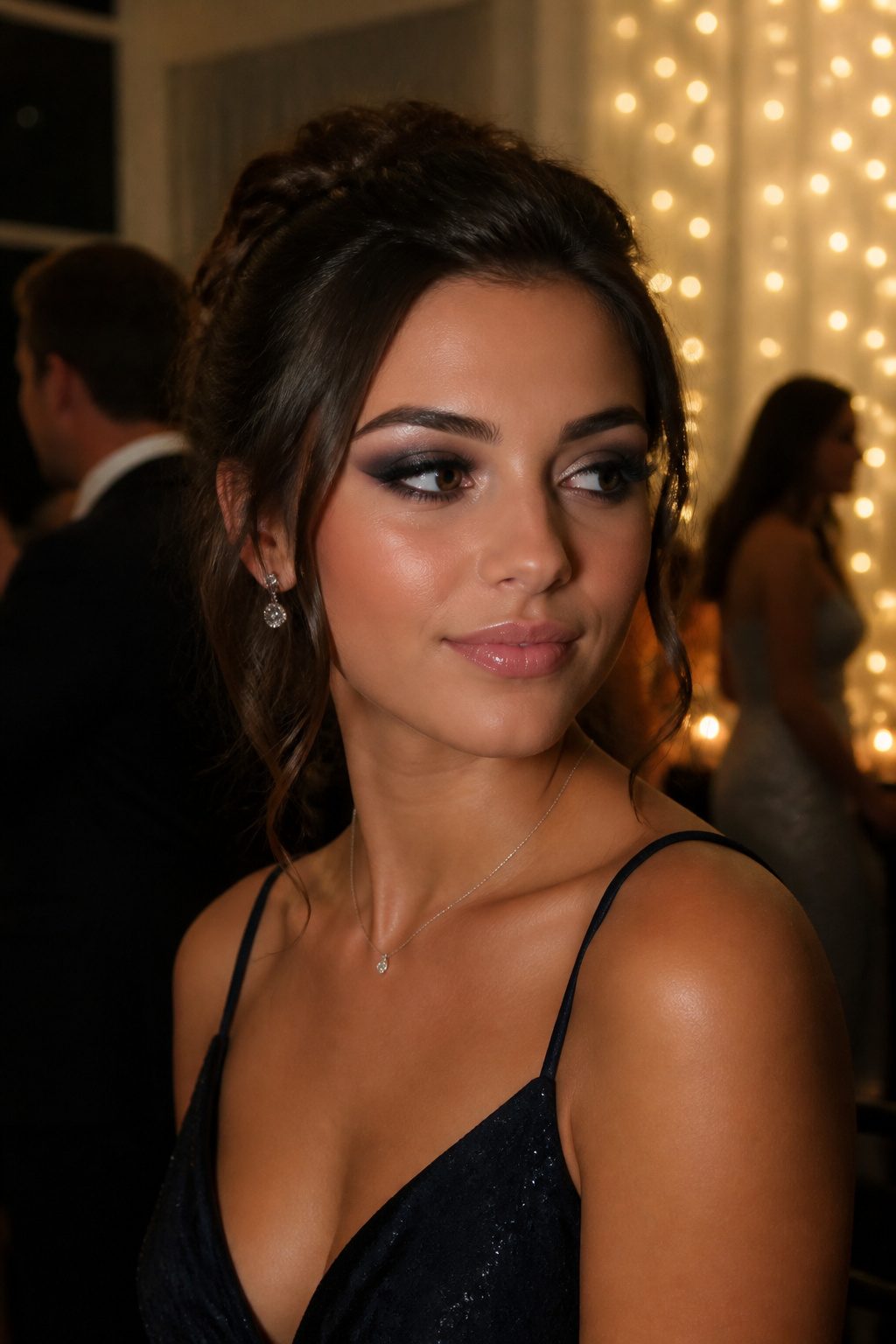
A smoky eye done right reads expensive in person and still reads as an eye in flash photography rather than a shiner. The shape matters more than the shade.
I start by pressing the blackest black, whether a powder or a stick shadow, into the crease and the outer third of the lid, then I build the gradient inward with a clean brush so the inner corner stays light enough to catch light.
The difference between drama and bruise is that inner-corner brightness and a hard edge of definition at the lash line, not a cloud of gray that drifts toward the brow bone.
For prom specifically, where the photographer’s flash will flatten everything, I set the black with a tiny amount of translucent powder tapped on with a finger so it does not migrate by hour three.
Skip shimmer on the crease; it photographs as texture you did not intend.
A matte black, a mid-tone gray blended through the socket, and a cream or pale gold on the inner corner and brow bone gives the depth without the damage.

A silky weightless setting powder with a touch of sheer coverage to set makeup for lasting wear

Brightening Face Makeup: Infallible up to 24H Blur-fection Longwear Loose Finishing Powder sets your makeup while blurring and brightening. Lightweight powders with longwear effects. Transfer and flashback resistant, talc-free with up to 24H wear

SO E.L.F.-ING FLAWLESS FINISH: This sheer, loose setting powder wraps your skin in a dreamy, soft-focus glow, blurring the appearance of fine lines and pores for an airbrushed, selfie-ready look.
3. Bold Lips
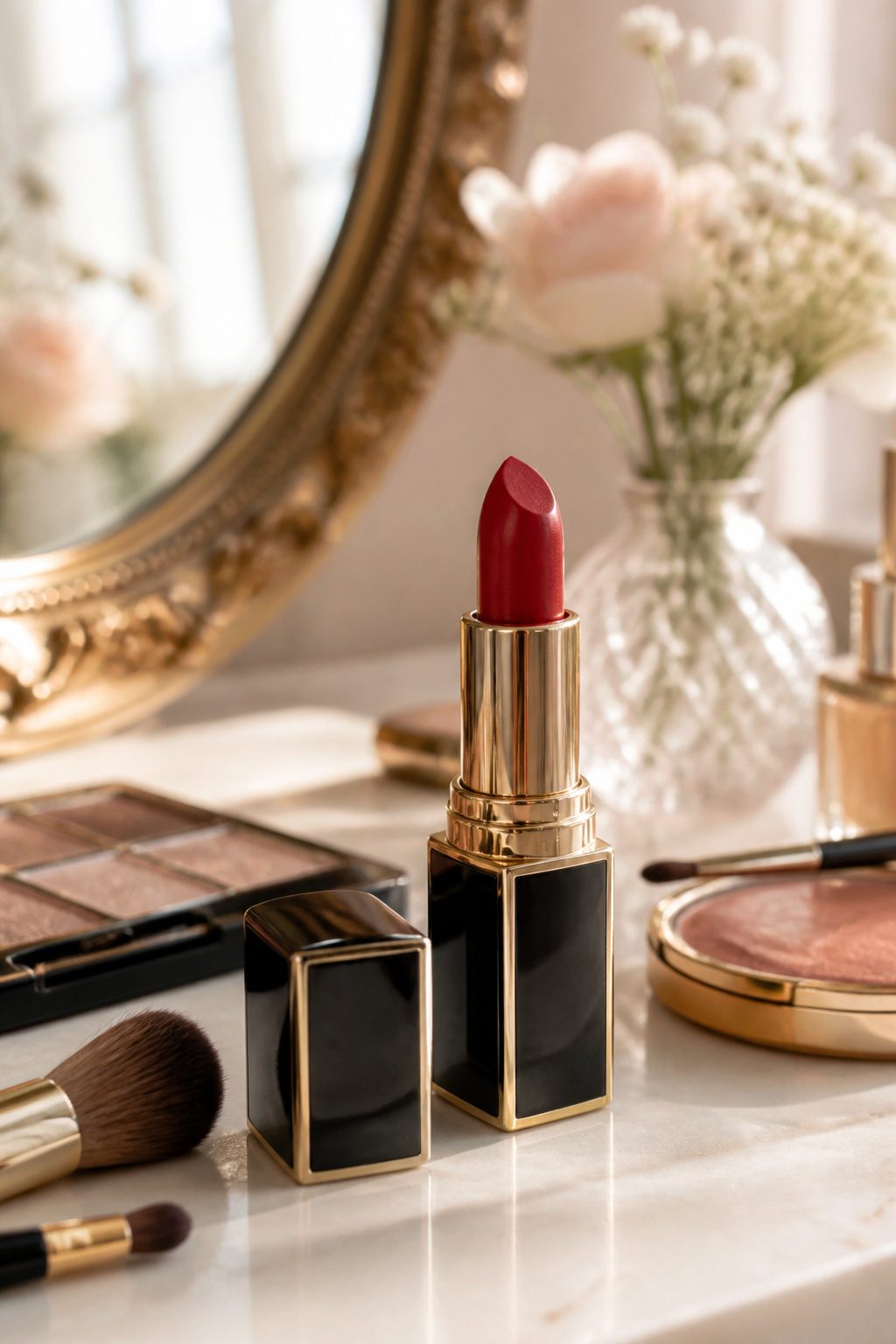
A bold red lip with almost nothing on the eyes is the oldest prom move that still lands.
The mouth does the talking, literally and visually, so the rest of the face stays quiet: a skin prep that catches light, maybe a whisper of neutral shadow, and mascara kept to a single coat.
The balance works because human attention has one landing strip at a time.
Plum reads the same way if your dress runs emerald or navy, colors that swallow a competing eye look whole.
Against a neutral gown, champagne or soft gray, either red or plum becomes the single pop the sources keep pointing toward.
The real advantage for prom specifically is endurance. Lip color holds through hours of talking, laughing, sweating under gym lights, and leaning in for photos.
Eye makeup would have creased or flaked by the second slow song; a maintained lip just needs a pocket mirror and the patience to reline before reapplying.

Long-Lasting Crease-Proof Formula: Wugbc cream eyeshadow stick delivers a smooth, highly pigmented matte or glitter finish that stays through the day without fading, smudging, or creasing, even on mature eyelids with fine lines
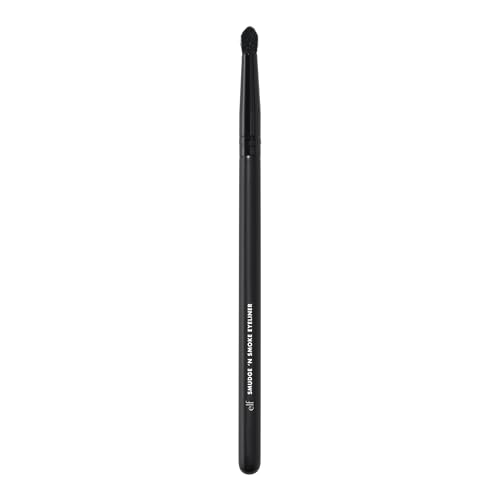
SMOKY EYELINER BRUSH: Eyeliner brush with densely packed bristles for creating smoky eyeliner looks.

✦MATTE AND SHIMMER COLORS: Both matte shadows and shimmers have velvet creamy texture in range of metallic, satin, and matte finishes. Each color is unique, easy to layer and blend. You can use base primer for better application. If you get a damaged eyeshadow palette, please feel free to contact us for a best solution.
4. Monochromatic Look
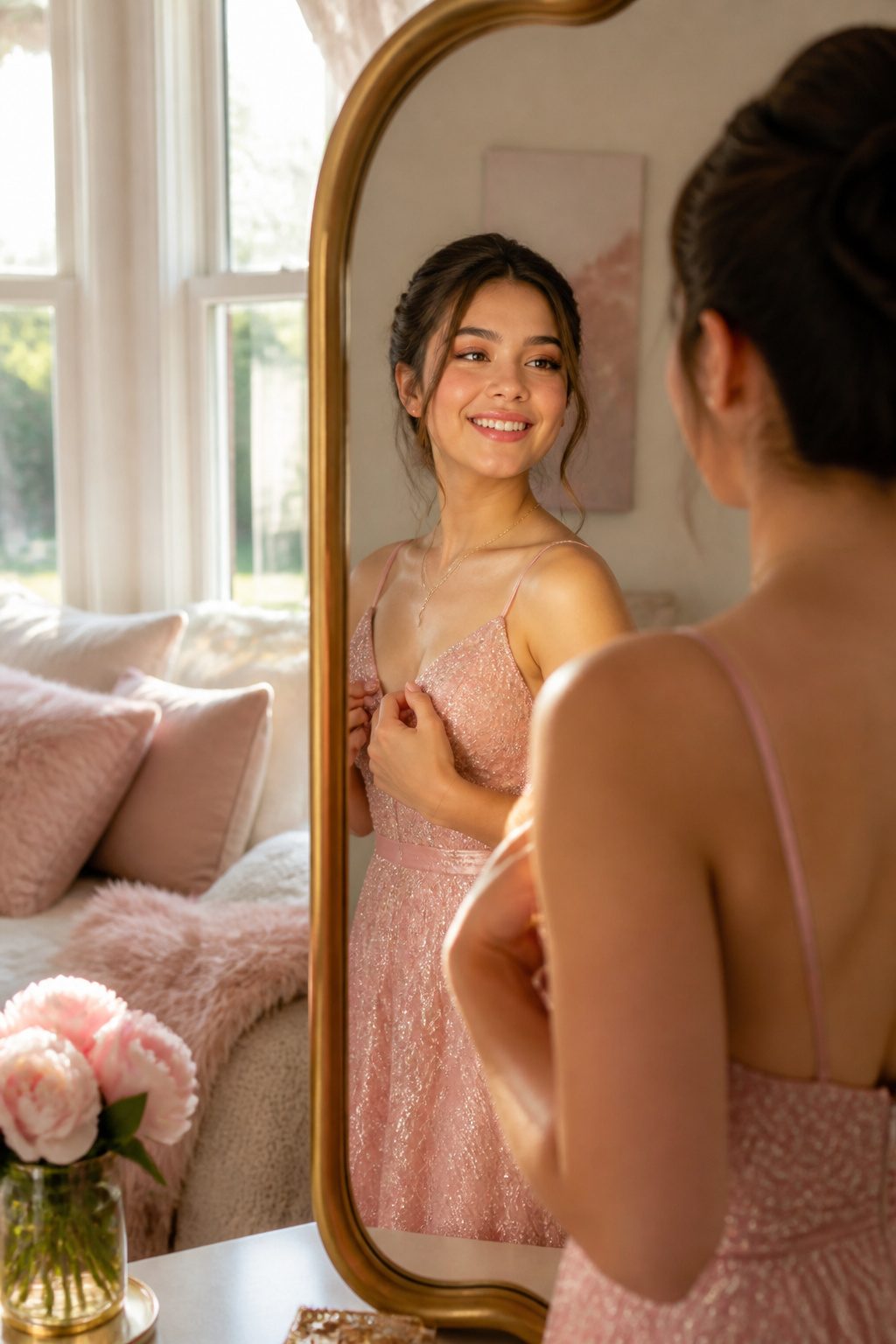
A monochromatic makeup look for prom keeps eyes, lips, and cheeks within one color family, not one identical shade. The cohesion reads as intentional, not matchy-matchy with your dress.
I start with foundation as usual, then build everything from a single lipstick that also doubles as blush, blended out with a fluffy brush or fingertips so the tone stays consistent across the face.
Red, pink, brown, and purple all work for this approach.
Warm skin tones lean toward rust as the base color. Cooler complexions carry purple and magenta more naturally.
Neutral skin tones do well with muted options like bronze or dusty rose. Finishes can vary, so a glitter or matte eyeshadow against a glossy lip keeps the look dimensional without breaking the single-color rule.
Plum Dandy on the eyes with Dusty Rose on the lips, or Socialite Brown paired with Chocolate Kiss, gives two ready directions, one cooler and one warmer.
A cream multitasker across lids, cheeks, and lips simplifies the whole thing and removes any risk of clashing undertones.

DJ PLUM: A deep cool plum lip tint that delivers juicy color with a glossy finish and comfortable wear

Glazed, Glowy Lip Care: Glaze lips in melty goodness with Maybelline's Lifter Glaze. A hydrating oil balm that leaves lips so smooth and glowy - they're glazed. Our new next level lip moisturizer melts to lips without feeling sticky or greasy
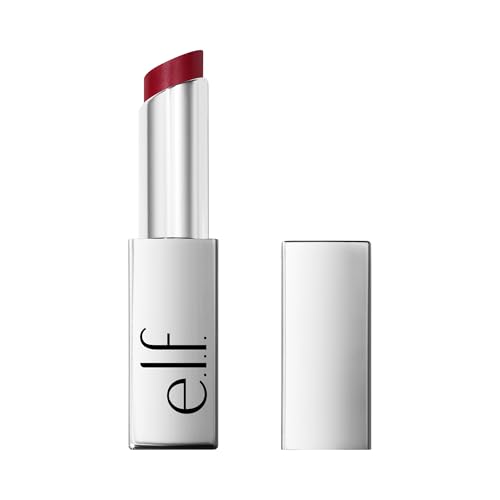
TINTED LIP OIL STICK: The slick of your favorite lip oil meets the high-pigment payoff of your go-to lipstick! e.l.f. Glow Reviver Lip Oil Stick glides on smooth with irresistible softness and shine.
5. Glitter Accents
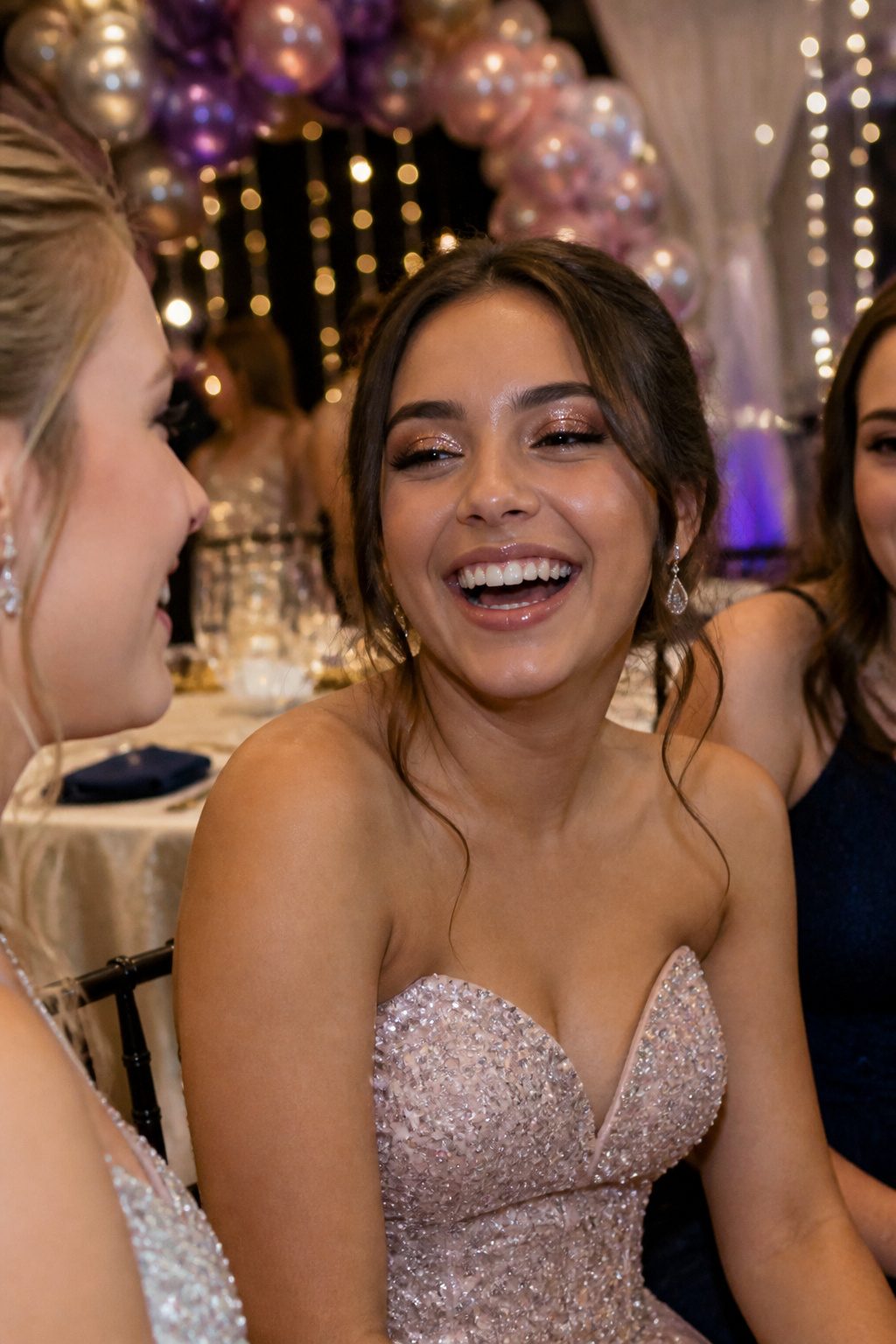
Glitter catches the dance floor light exactly where you place it, and nowhere else.
On the eyes, a fine cosmetic glitter pressed over a neutral base shadow turns a standard look into something that reads festive in person without drifting toward craft-project territory in photos.
The trick is density: a concentrated wash across the lid stays elegant, while scattering it up to the brow or onto the cheekbones risks catching flash photography in ways that flatten the whole face into shimmer.
Application matters more than the glitter itself. A glitter-specific adhesive or a dampened flat brush locks particles down better than patting dry shadow over bare skin.
Let each layer set for thirty seconds before adding more; building slowly prevents the fallout that lands on lashes and reads as mistakes in close-ups.
For lips, a glitter gloss layered over your base color gives the effect without the grit of loose particles, though any loose cosmetic-grade product used directly needs wiping from the inner lip line so you are not tasting it all night.
Long wear formulas help, but glitter still travels. A light mist of setting spray after the eyes are done, followed by a second pass once the whole face is complete, keeps most of it in place through the last song.
Pack a small brush in your clutch for brushing stray sparkles off cheekbones before photos, not after.

LONG-LASTING LIQUID FOUNDATION: Hit that dreamy sweet spot between full beat and barely there with e.l.f. Cosmetics’ long- wearing Soft Glam Satin Foundation.

LONG-LASTING LIQUID FOUNDATION: Hit that dreamy sweet spot between full beat and barely there with e.l.f. Cosmetics’ long- wearing Soft Glam Satin Foundation.

LONG-LASTING LIQUID FOUNDATION: Hit that dreamy sweet spot between full beat and barely there with e.l.f. Cosmetics’ long- wearing Soft Glam Satin Foundation.
6. Natural Makeup
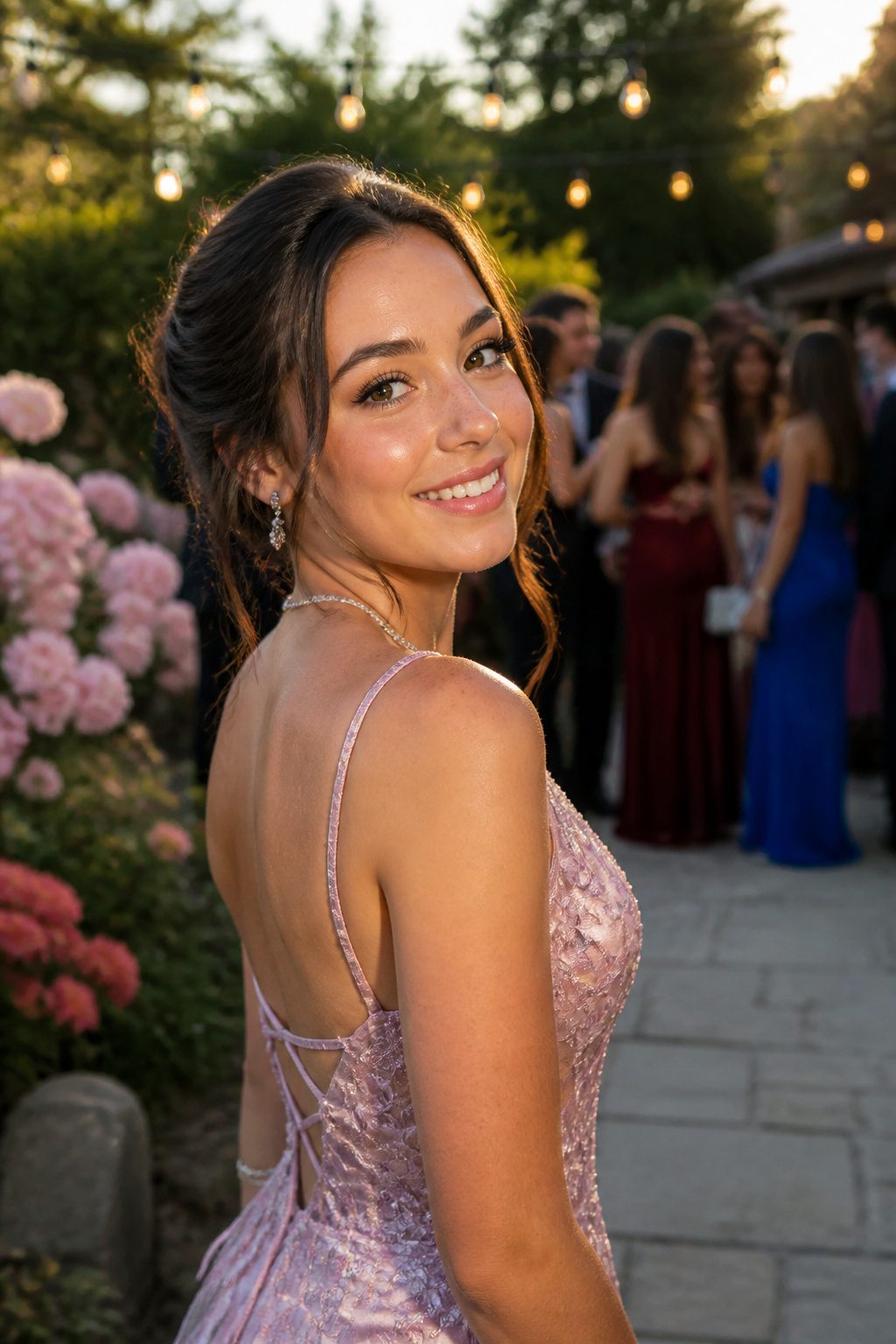
A natural makeup look for prom keeps the texture of your own skin visible and stays close to tones you already have, blending into something like a second skin rather than sitting on top of it.
The goal is effortless, not bare. I think of the difference from soft glam as a matter of layers: soft glam still builds coverage, still sculpts and defines, while natural makeup stops at evening out and brightening.
A light foundation or tinted moisturizer handles tone, a light concealer spots the under-eyes, and the rest is minimal by design.
Some wearers choose this for comfort, especially if heavy makeup feels like a mask by hour three on a dance floor.
Others need it because school dress codes still exist for prom night, and administrators sometimes flag looks that read too theatrical under ballroom lighting.
A neutral eyeshadow, a single coat of mascara or even a clear one, a cream blush in pink or peach, and a tinted balm or clear gloss keep you inside most lines while still looking intentional.
A little highlighter at the cheekbones and brow bone catches the light without announcing itself.
The real requirement is the work underneath: this style shows off skin rather than covering it, so the payoff depends on what you started with. If your routine is solid, the makeup itself can stay almost invisible.

Directions: Use powder puff or makeup brush and apply to face, let set and brush off excess.

HIGH-PERFORMANCE, LONG-WEAR – Absorbs excess moisture, reduces tackiness, and mattifies cream makeup. Designed for long-wear to keep your makeup locked in all day.

Light-Coverage Matte Finishing Powder: Complete your look while adding a matte finish with this light-coverage finishing powder.
7. Graphic Eyeliner
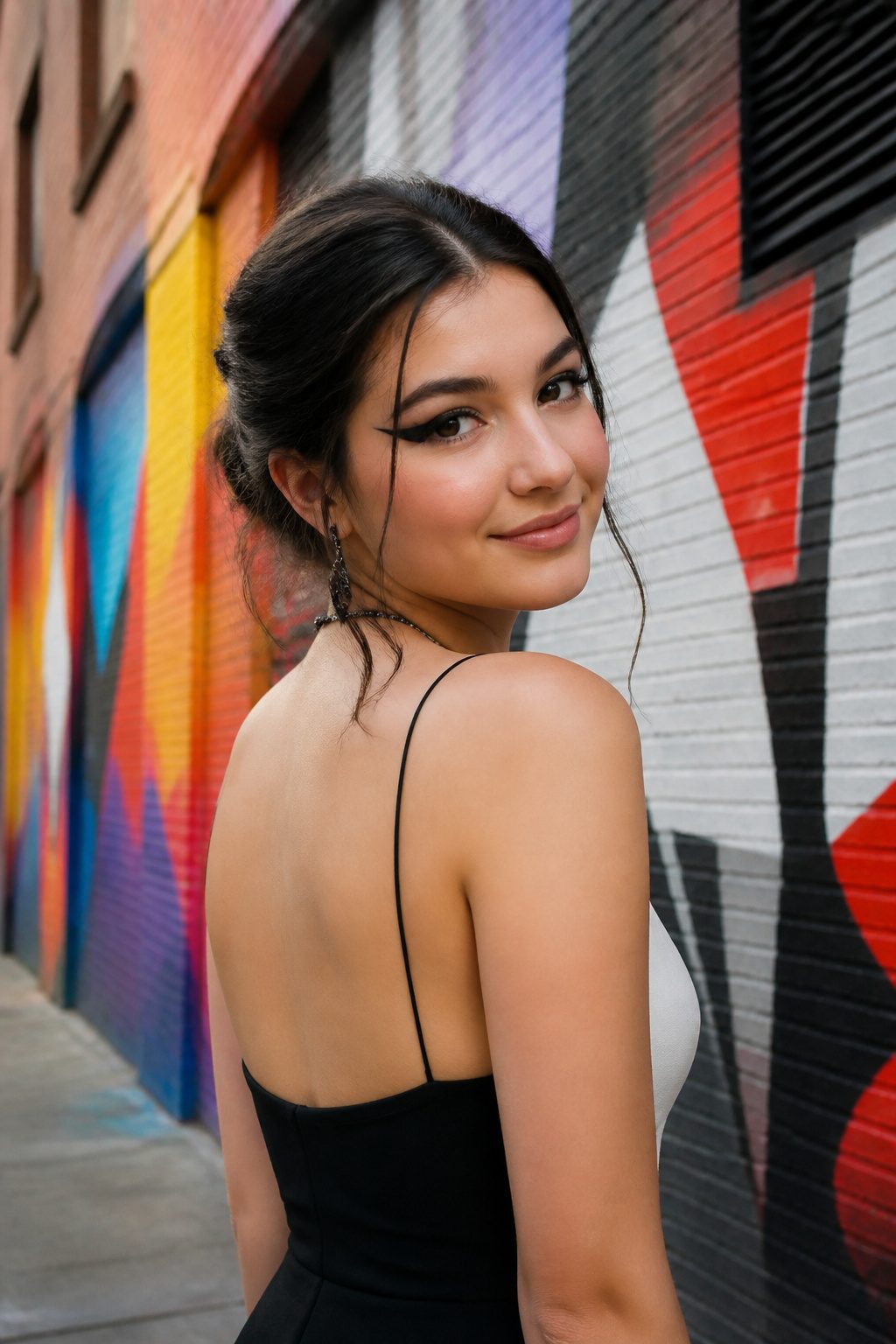
Graphic eyeliner tosses the classic wing into new territory. Negative space, sharp geometric angles, and floating lines that hover above the crease all read as modern without demanding a full lid of color.
A waterproof liquid liner with a felt tip keeps the edges crisp, and the look pairs especially well with a simpler prom dress that can handle the extra visual weight up top.
Round and almond eyes carry these shapes most naturally; the open lid gives the geometry room to breathe.
Hooded lids can work it too, but the floating line sits higher, above where the fold hides the action when your eyes are open.
The real requirement is a steady hand and time to build the shape in thin passes rather than one committed sweep.
For anyone drawn to liner that lives below the lash line, the floating bottom lash look offers a similar spirit.
Rei Ami’s ’60s-inspired version, crafted by Tami El Sombati, lands edgy and avant-garde while staying simpler than it appears. You can apply actual falsies or paint the illusion with a fine-tip liner.
This look is edgy and avant-garde, yet relatively simple, ensuring all eyes are on you during prom.
That relative simplicity is worth noting: the impact reads high-effort even when the execution is just liner, patience, and a waterproof formula that will not migrate by hour three on a dance floor.

SOFT, BUILDABLE COLOR WITH DUAL-ENDED DESIGN: The creamy eyeshadow stick applies in smooth, lightweight layers for soft everyday color. Use the built-in sponge tip to blend edges promptly after application, then add more layers to gradually increase color intensity.
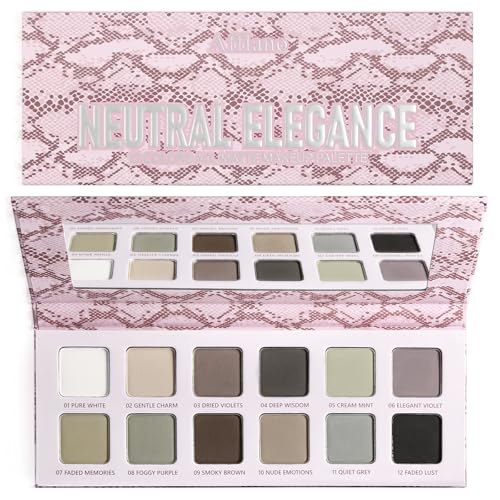
Sombras de ojos profesional: 12 colors mauve taupe cement gray tones, best for daily makeup and smokey makeup, both gentle and cool, highlighting the elegance, you can use the cool toned eyeshadow palette to modify the swelling of the inner pair of eyes, single eyelids, puffy eyes, highlighting the eyes of the 3D deep attempt charming. Pefect for begginer and MUA.

PRO-LEVEL PERFORMANCE: Unlock your creativity with rich, matte shades that blend effortlessly for bold, buildable color and all-day vibrancy—perfect for crafting stunning, professional eye looks that empower your style.
8. Pastel Eyes
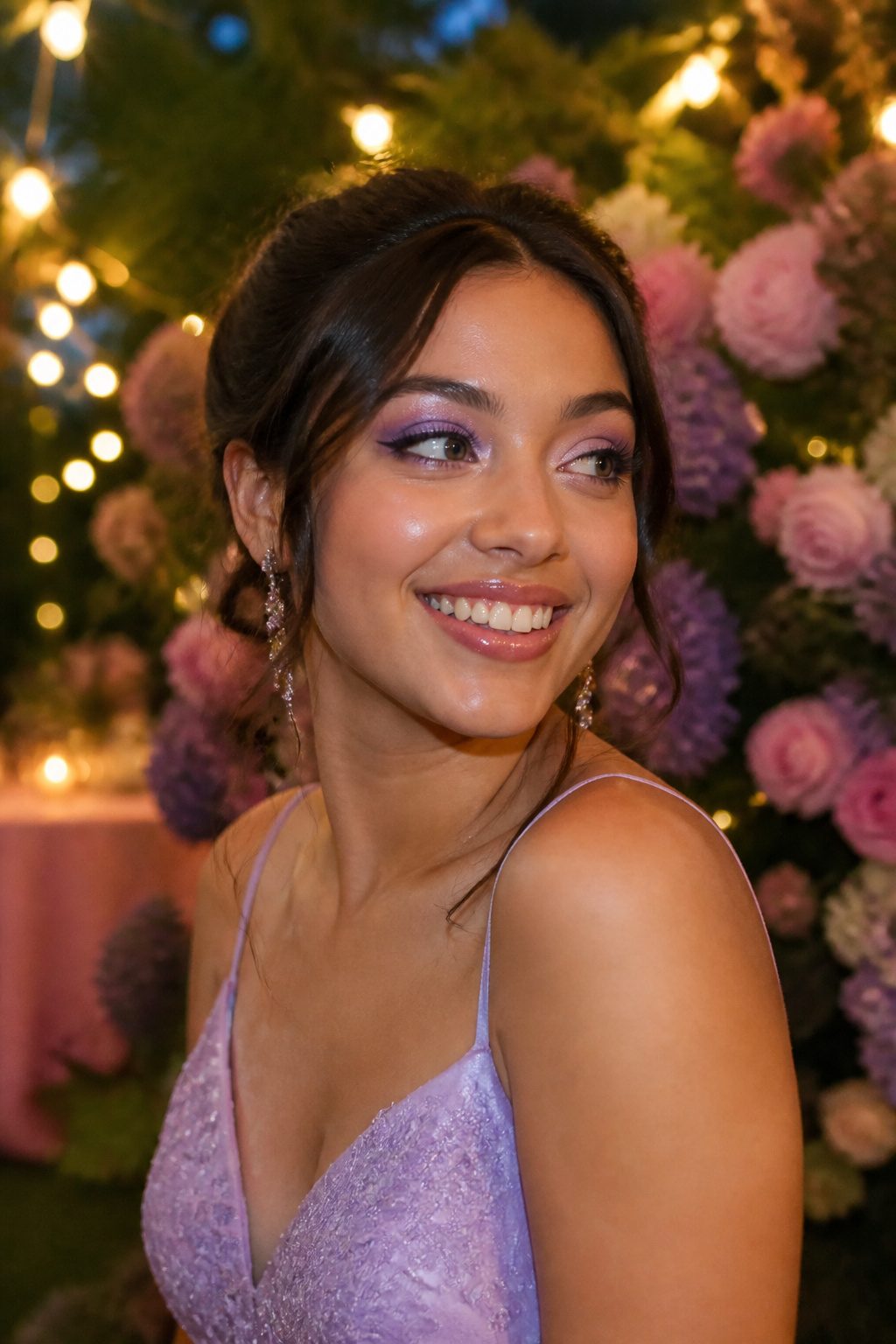
Pastel shadow reads as either angelic or sickly depending on the undertone match. Cool complexions carry lavender and ice blue without effort; warm skin pulls peach and soft mint into something dimensional rather than chalky.
The common mistake is packing on pigment to compensate for the softness, which only turns the lid powdery under flash. Building in thin, translucent layers with a damp brush keeps the color alive and the texture skin-like.
A defined lash line saves the whole look from washing out in prom photos.
Sources disagree on how to get there: one route traces gel or liquid liner along the upper lashes for structure, while another skips shadow entirely and relies on tightlining plus volumizing mascara to make the eye pop.
Both agree on the principle. Pastel without definition floats away; the camera needs that anchor to find the eye.
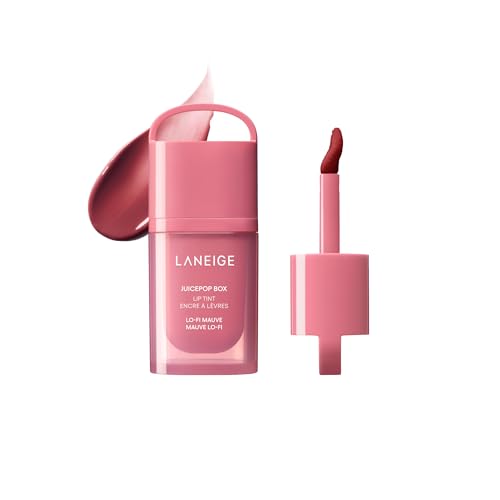
LO-FI MAUVE: A pinky mauve lip tint that delivers juicy color with a glossy finish and comfortable wear

Slick Lip Makeup Look: Our pigmented Fat Oil Lip Balm in click up packaging that dispenses just the right amount of formula, all you gotta do is click it to slick it! This lightweight, buildable balmy lip oil formula provides 12hr hydration

Fat Oil Lip Drip Lipgloss: Serve glossy, shiny lip makeup looks with our non-sticky lip oil gloss. Our lip gloss is infused with vegan squalane and rich in shine. This hydrating lip gloss delivers up to 12 hours of hydration and protection
9. Metallic Eyes
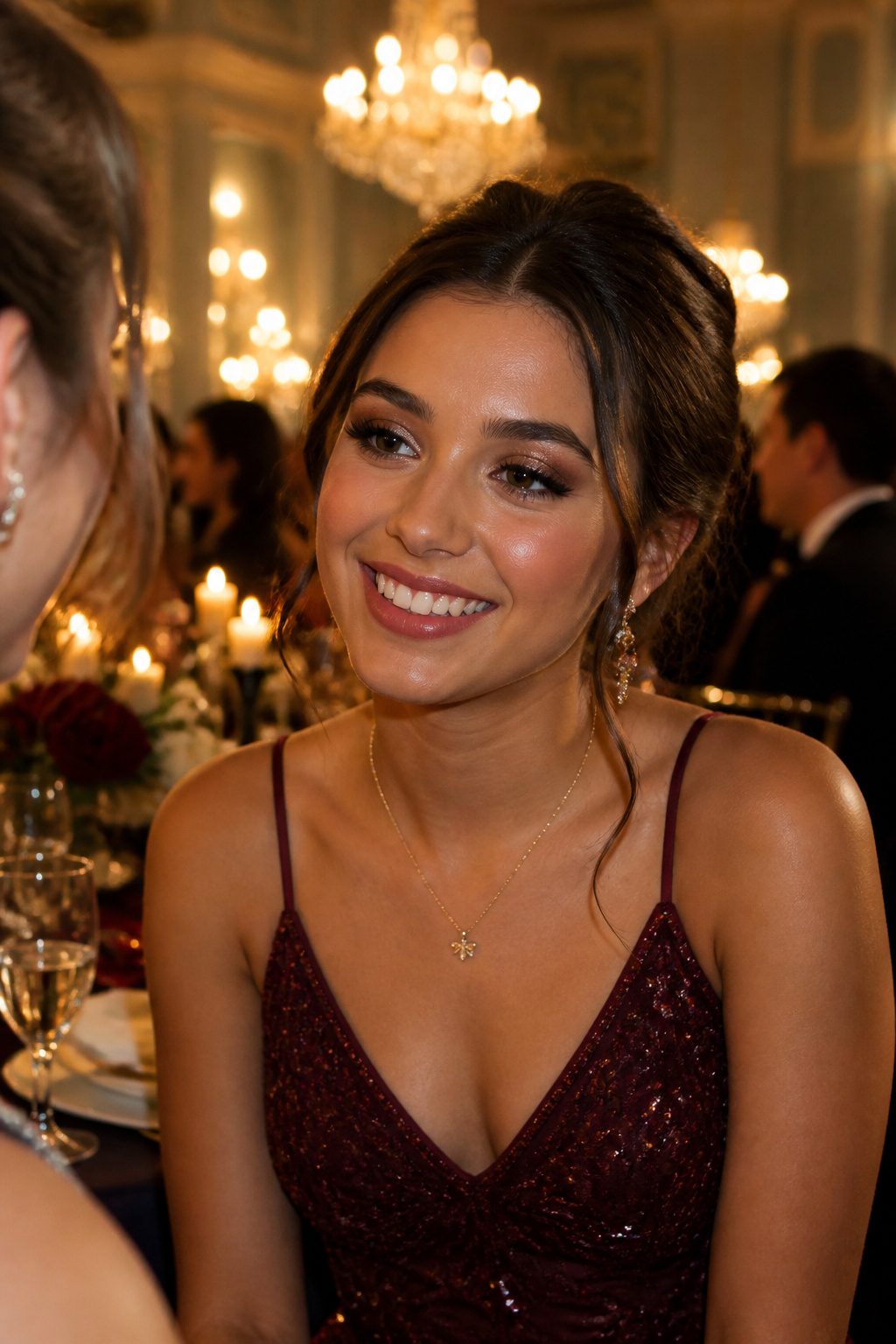
Metallic shadow catches light every time you turn your head, which is exactly what you want in a gymnasium full of phone cameras.
The real decision is cream versus powder. Cream formulas give that wet, molten finish but tend to collect in the crease by hour three of dancing.
Powder stays put longer, though it reads drier. If your lids run oily, a thin layer of primer underneath either formula buys you hours.
Gold and rose gold pair naturally with navy or burgundy dresses, the warmth balancing those cooler fabrics. Silver works against black or jewel tones, and bronze sits right with emerald or champagne.
A silver base with bronze or gold pressed onto the outer third of the lid, what some call a duotone metallic, gives dimension without needing a dozen products.
Keep cheeks and lips in the neutral family so the eyes stay the point. Waterproof cream liners exist for exactly this kind of night, and they are worth the extra step.

RESTORE & ILLUMINATE: e.l.f. Flawless Finish Foundation is a lightweight liquid foundation that naturally blends into skin (and hydrates while you’re at it) to help improve uneven skin tone and texture. The shade Linen is medium with golden undertones.

RESTORE & ILLUMINATE: e.l.f. Flawless Finish Foundation is a lightweight liquid foundation that naturally blends into skin (and hydrates while you’re at it) to help improve uneven skin tone and texture. The shade Snow is fair with pink undertones.

Instantly evens skin tone with a soft-focus effect that smooths and refines. Formulated for all day wear that keeps skin hydrated.
10. Retro and Vintage Looks
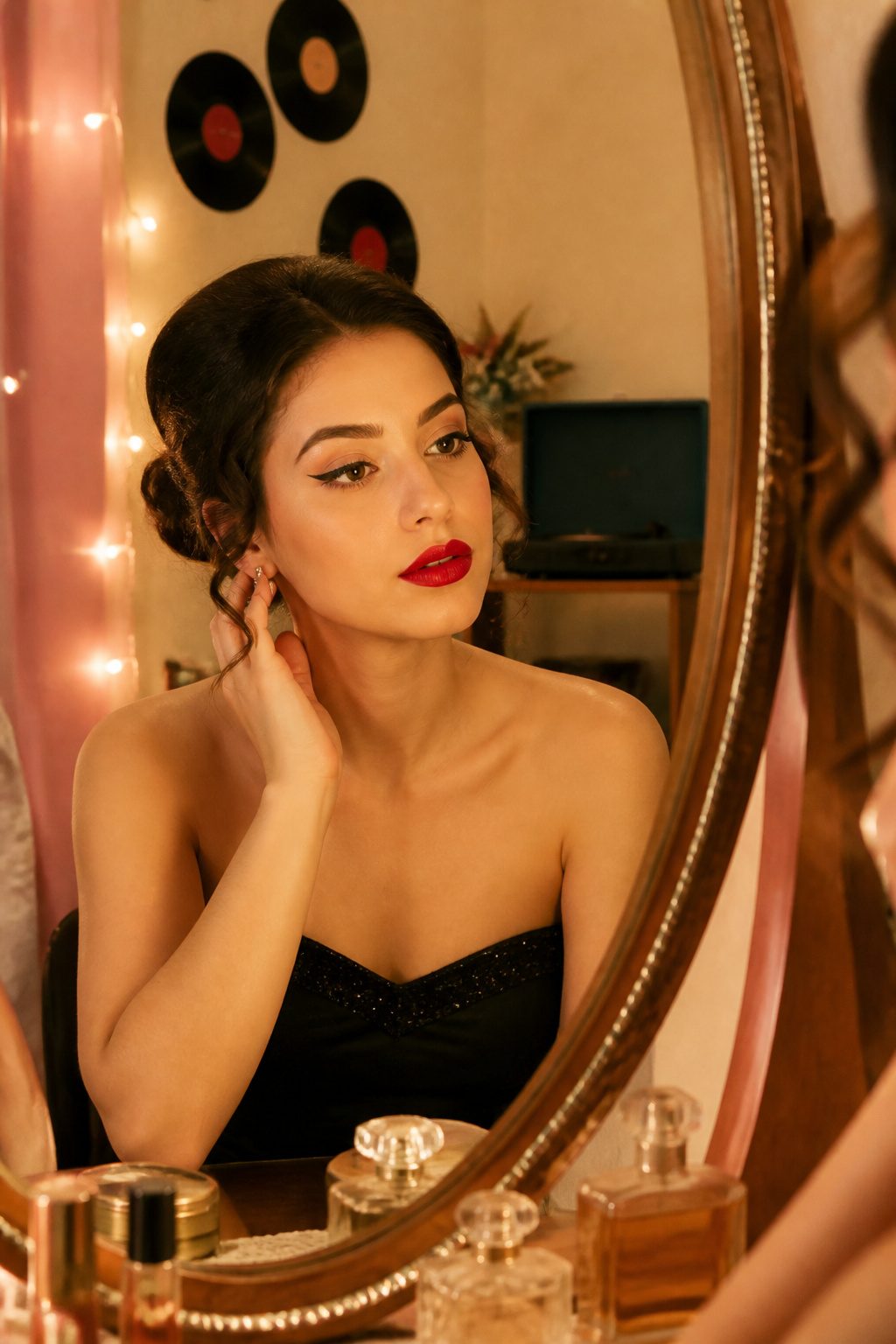
A makeup look for prom drawn from the 1950s keeps the attention on a crisp wing and a saturated red mouth, the pairing Audrey Hepburn and Marilyn Monroe wore so often it became shorthand for the whole decade.
The arched brow and dark lashes frame the face; the lip does the talking.
The 1960s reverses that balance.
A cut crease in soft brown or gray sculpts the lid while the mouth stays pale, almost erased, letting the eyes carry the full drama. It flatters wider-set eyes especially, since the drawn crease pulls focus inward.
For the 1970s, bronze shadow and a deliberate shine across cheekbones and eyelids replace the painted structure of earlier decades. The finish reads sun-warmed rather than defined, which softens angular jawlines and sharp features.
Choosing which decade suits you starts with what you already see in the mirror. Strong bone structure and full lips handle the 1950s contrast without letting the lip overwhelm the face.
Rounder or softer features tend to read more balanced in the 1960s eye-first approach or the 1970s all-over glow, where no single element competes.

Long-lasting Makeup Hold: MEICOLY setting powder ensures your makeup stays flawless all day long without moving, even under the harshest stage lights.works well to set makeup, no touch-ups needed, as your look remains intact from morning till night.


LOOSE SETTING POWDER: Our True Complexion Loose Setting Powder helps minimize skin imperfections & sets makeup for all day wear. The silky, loose powder effortlessly blends away without looking ashy.
11. Dewy Skin
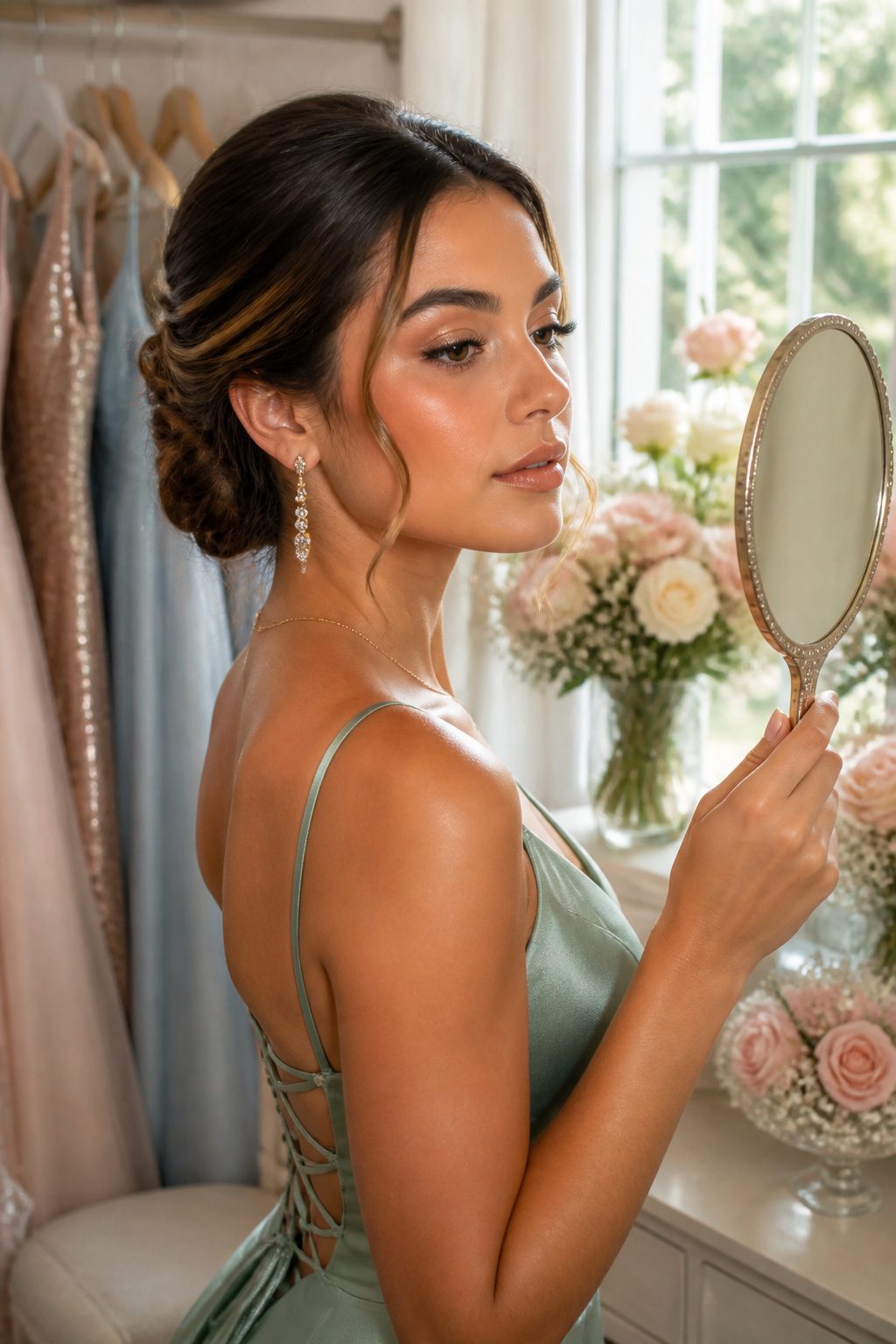
A dewy makeup look for prom lives or dies on the boundary between glow and grease.
The difference is mostly in the prep. Skincare has to absorb fully before anything else touches the face; heavy moisturizer left tacky will slide foundation into patches by the first slow song.
I give products a solid ten minutes, then reach for a gripping primer like MILK MAKEUP Hydro Grip to create a base that actually holds.
Liquid and cream formulas are what move with skin through heat and dancing.
IT COSMETICS CC+ Cream blends coverage with SPF 50+, then concealer goes exactly where needed rather than masking the whole face. Cream highlighter on cheekbones and brow bones catches light without the chalky sit-on-top look powders give.
Powder still has a job, but placement is strategic.
The T-zone gets the lightest dusting; everywhere else stays untouched to keep that fresh finish alive. Blot with tissue if shine breaks through, never add more powder; layers of powder over sweat turn cakey fast.
A setting mist finishes it, and a small kit with blotting sheets handles the rest of the night without weighing a clutch down.
12. Colorful Mascara
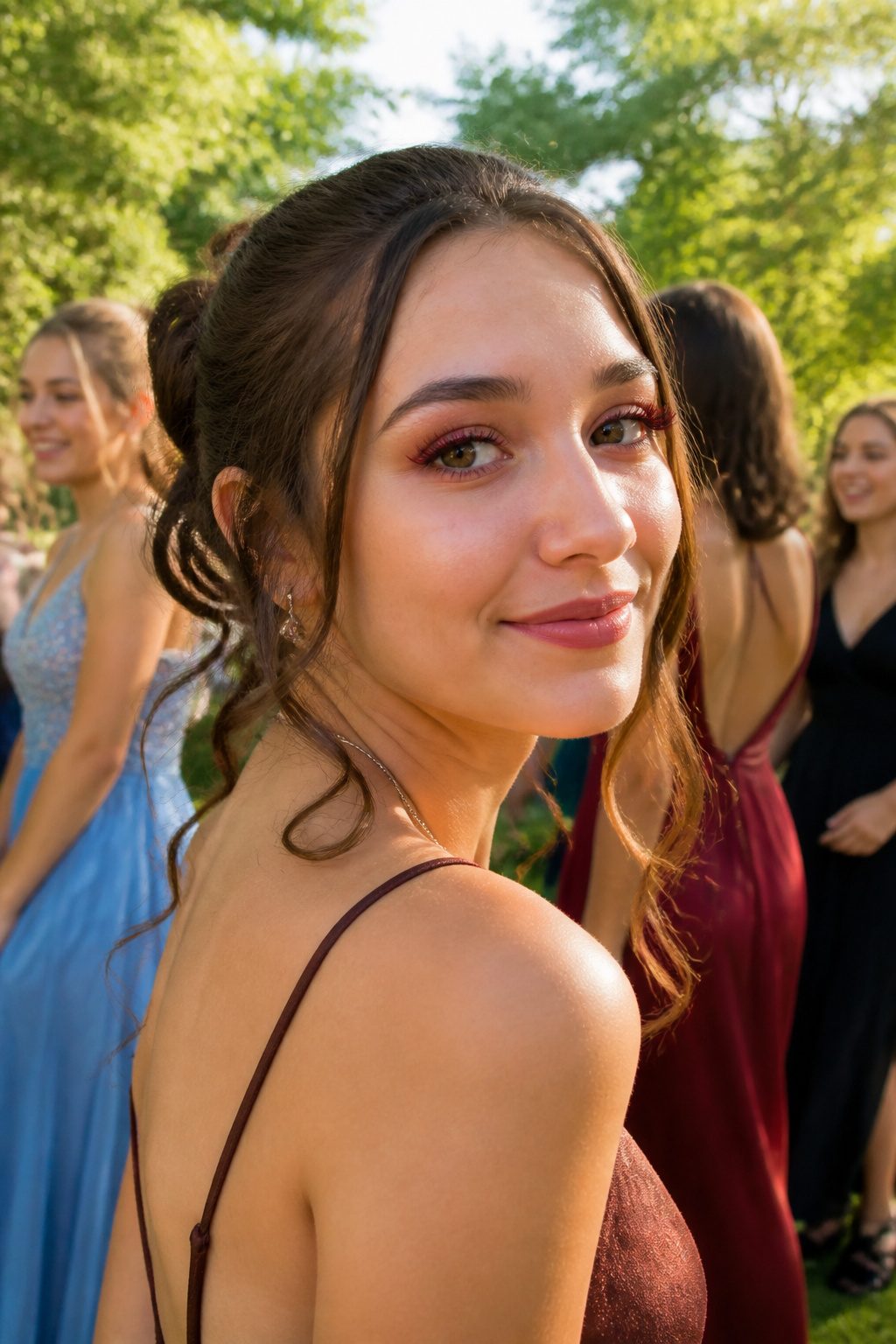
Colored mascara lands somewhere between subtle and statement, which makes it forgiving for a first try.
Burgundy flatters green eyes without the harshness of black, navy deepens brown eyes with less contrast than you’d expect, and plum picks up the mixed tones in hazel without fighting them.
The trick is placement. Upper lashes carry the color where it reads as intentional; lower lashes alone can look like a smudge.
If you’re set on both, the lower coat should be thin, maybe a single pass, so the effect stays crisp rather than clownish.
I learned that balance the hard way at a spring formal, where heavy lower-lash plum pooled by hour two and had to be cleaned off with a corner of tissue and some patience.
For prom, top-lash focus keeps the look photographable from conversational distance and still interesting up close.
13. Iridescent Highlighter
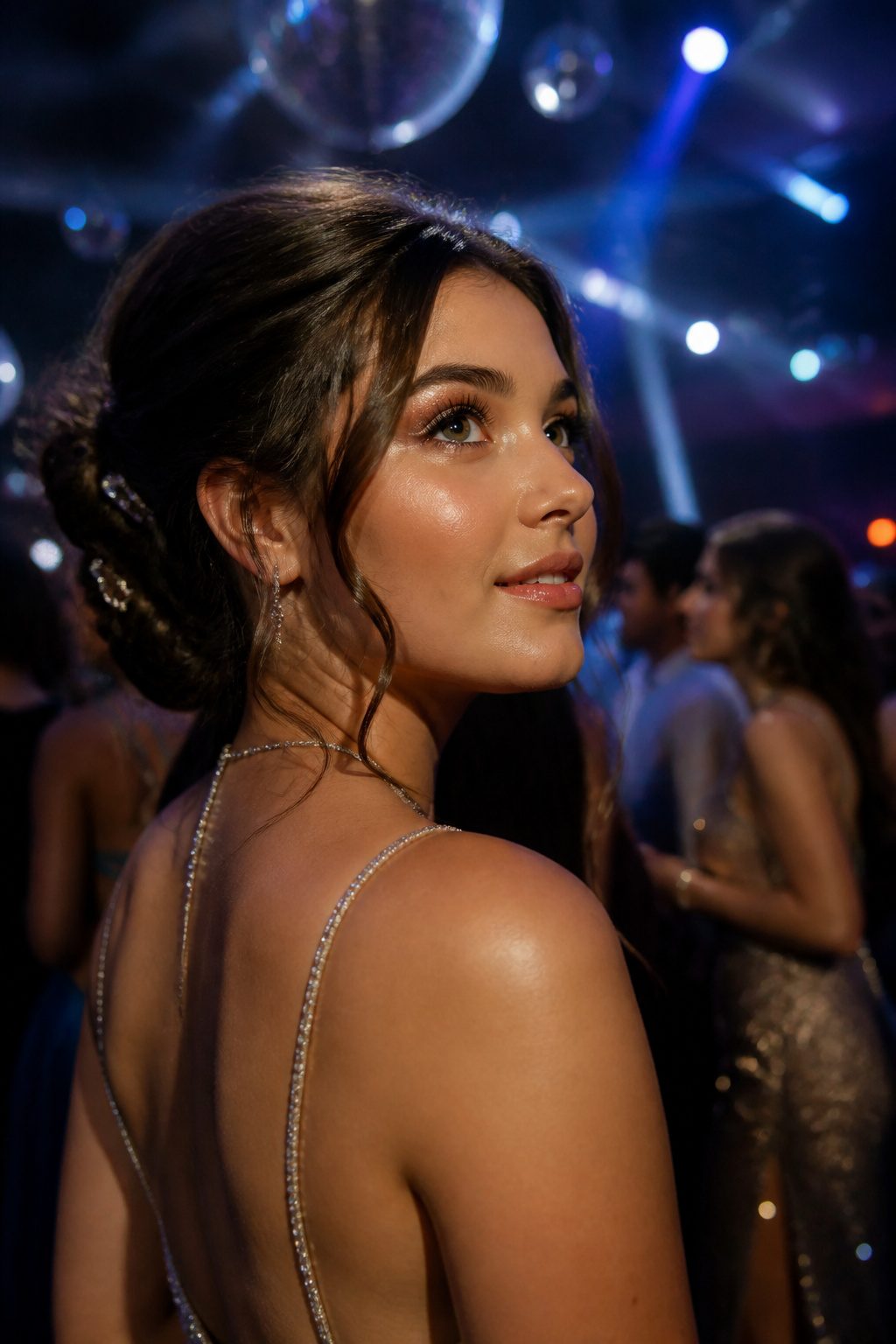
A cream highlighter on the top of the cheekbones, bridge of the nose, and on the eyelids catches the light without looking like a separate layer sitting on top of your skin.
Powder formulas, like the Killawatt Freestyle Highlighter from Fenty Beauty or the Dior Forever Glow Luminizer, tend to last longer on oilier skin and build more gradually, which matters when flash photography is going to pick up every particle.
Liquid or cream, such as the TRÈSTIQUE Mini Highlight Stick, melts into dry skin and keeps that seamless glow through hours of dancing.
For prom photos specifically, placement is the detail that separates luminous from overdone. Cheekbones catch the light naturally.
Inner corners of the eyes open the whole face up. Collarbones and the bridge of the nose add dimension in a strapless dress.
But do not hit every point at once. The camera will find it, and so will everyone in the gym under those overhead fluorescents.
A touch on the nose, Cupid’s bow, and inner corners reads as subtle glow in person and translates cleanly to pictures. Spread it everywhere and the shimmer competes with itself.
14. Clean Girl Aesthetic
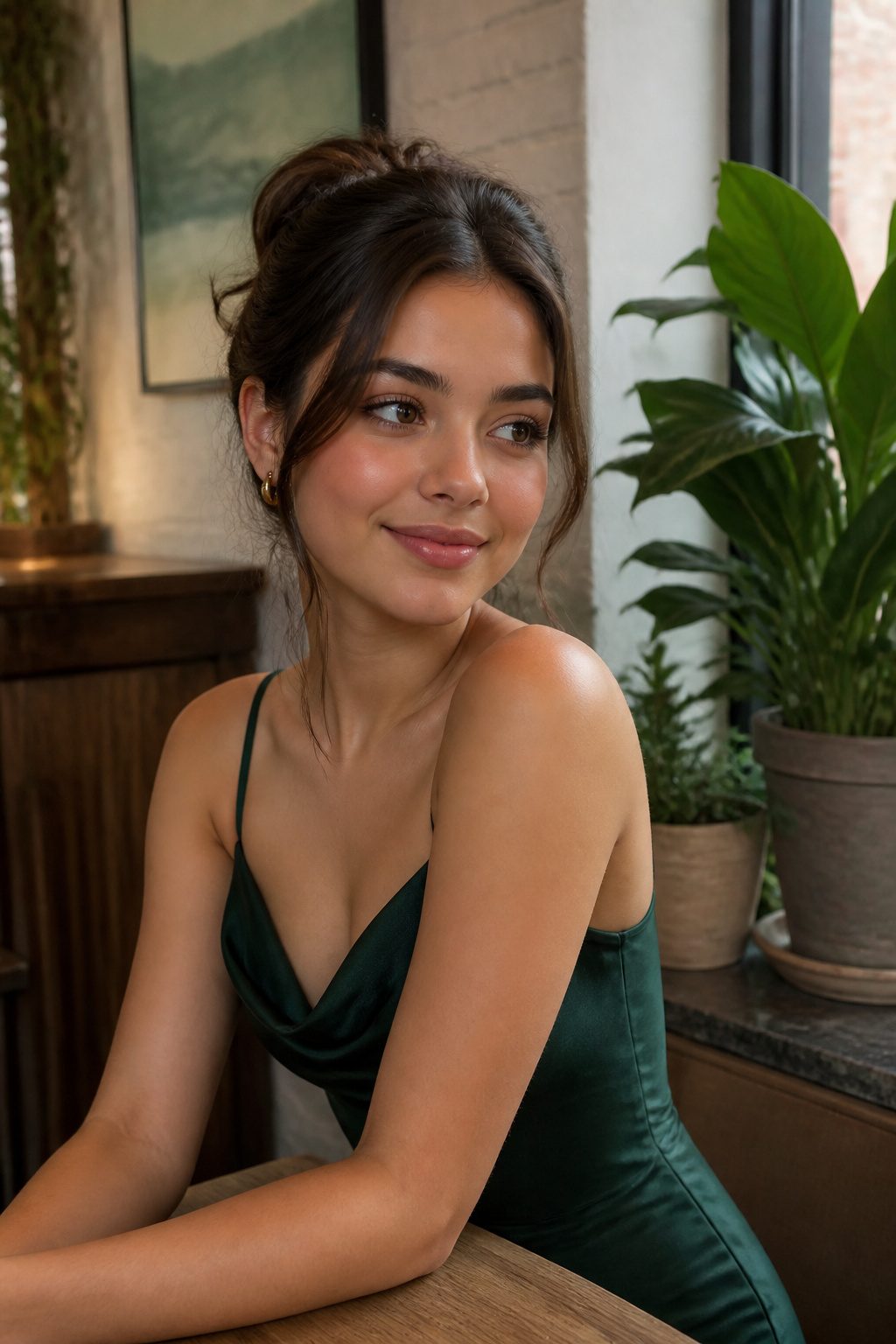
The clean girl aesthetic starts with the skin itself, not with coverage.
A tinted moisturizer evens tone while letting real texture show through, which is the whole point: this look is built on the assumption that healthy skin is doing most of the work.
I brush brows upward with a clear gel so they stay feathered rather than drawn, and I press cream blush high on the apples of the cheeks, where a flush would actually rise.
A tinted lip balm finishes it without a hard line.
This differs from natural makeup in its product choices, not its effect. Natural makeup might reach for powder blush and a satin foundation; the clean girl version insists on cream textures and skincare hybrids.
The skin-first philosophy means primer matters too, and a radiance-boosting formula with hyaluronic acid gives makeup something to grip without the silicone slip that can read as artificial.
Dewy foundation and glossy lips pair best with soft fabrics like satin or chiffon, so the whole look stays in the same register: luminous, touchable, unconstructed. A light setting spray is enough to hold it through the night.
15. Freckled Look
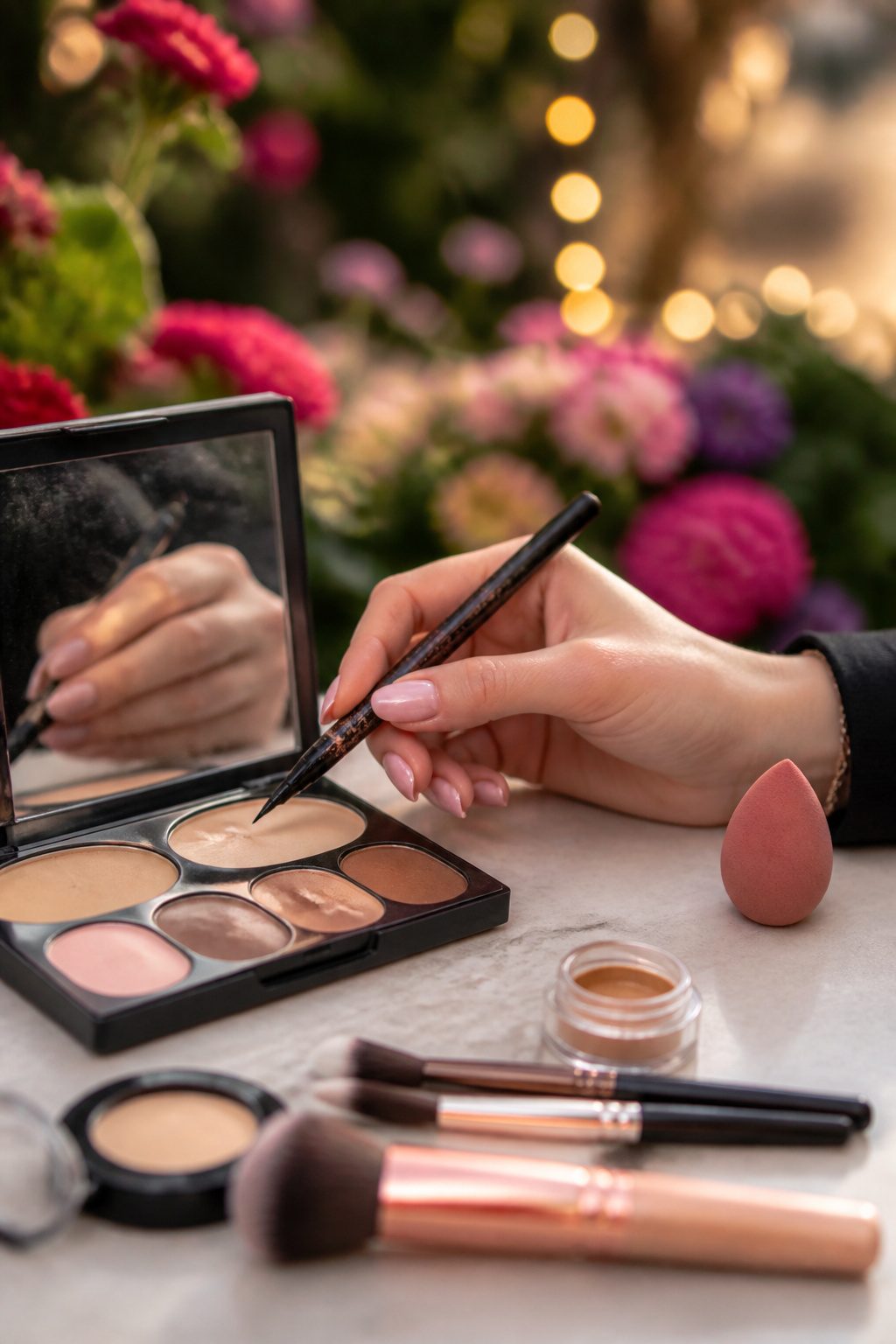
Faux freckles have moved from everyday TikTok to the red carpet, which means they belong at prom too. The look reads young and sun-warmed, and the application method you choose changes everything about how it photographs.
Three techniques handle the job differently. The henna method lasts longest: dot a fine-tipped brush across the bridge and cheeks, let it set, then press translucent powder over top so the spots sit under skin rather than on it.
A pencil stipple gives more control for placement, but the marks stay raised and can catch direct flash as texture rather than color.
Salt spray falls somewhere between, though it demands practice to avoid the speckled look of a spray tan gone wrong.
In professional prom photography, matte foundation keeps flash from bouncing back white, and freckles layered underneath that base read as real.
Heavy SPF undermines the whole effect, so skip it or keep it minimal. The freckled face photographs best with slight contour under the cheekbones, which keeps the structure from flattening under bright lights.
This makeup look for prom flatters anyone whose natural warmth gets washed out by full coverage, and it transitions cleanly after prom if you change outfits.
The risk is overdoing it: too many dots, too dark, too uniform, and the camera sees a connect-the-dots game instead of skin.
16. Bold Cat Eye
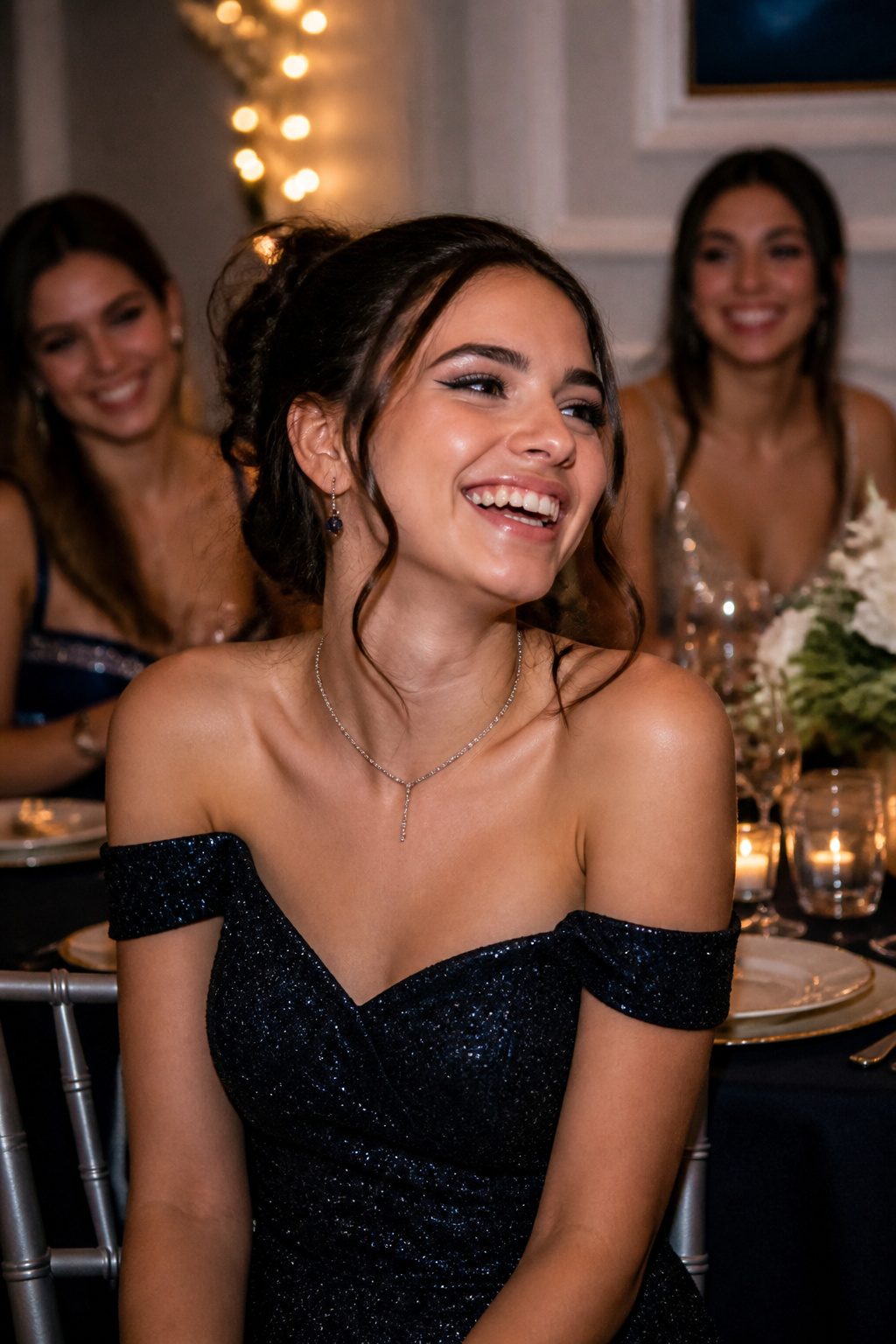
A bold cat eye lives or dies by the angle of the wing. The line should start from the outer corner and aim toward the tail end of your eyebrow, not higher.
Draw that trajectory with a dot first on each side before you connect anything; stepping back to check the match in a mirror saves the half-hour of fixing a lopsided flick.
Thickness matters more than most people think. A line that stays razor-thin across the lid and only flares at the wing reads as delicate, not bold.
Build the body to about the width of a toothpick at the center, tapering to nothing at the inner corner and widening into the wing.
If one eye pulls higher than the other, the fix is almost always lowering the higher wing with a cotton swab dipped in remover, not raising the other to meet it.
Raising both just gives you two different mistakes at altitude.
Lash choice changes the whole equation. Dense strip lashes can swallow the wing and make the eye look heavy; individual clusters placed on the outer third keep the shape visible and actually extend the upward lift.
A natural-length strip works fine too, but trim it so the longest fibers sit at the outer corner, not the center. I’ve seen the wing disappear completely behind a full-volume lash, and the person looked like they’d skipped liner entirely.
17. Glowy Blush
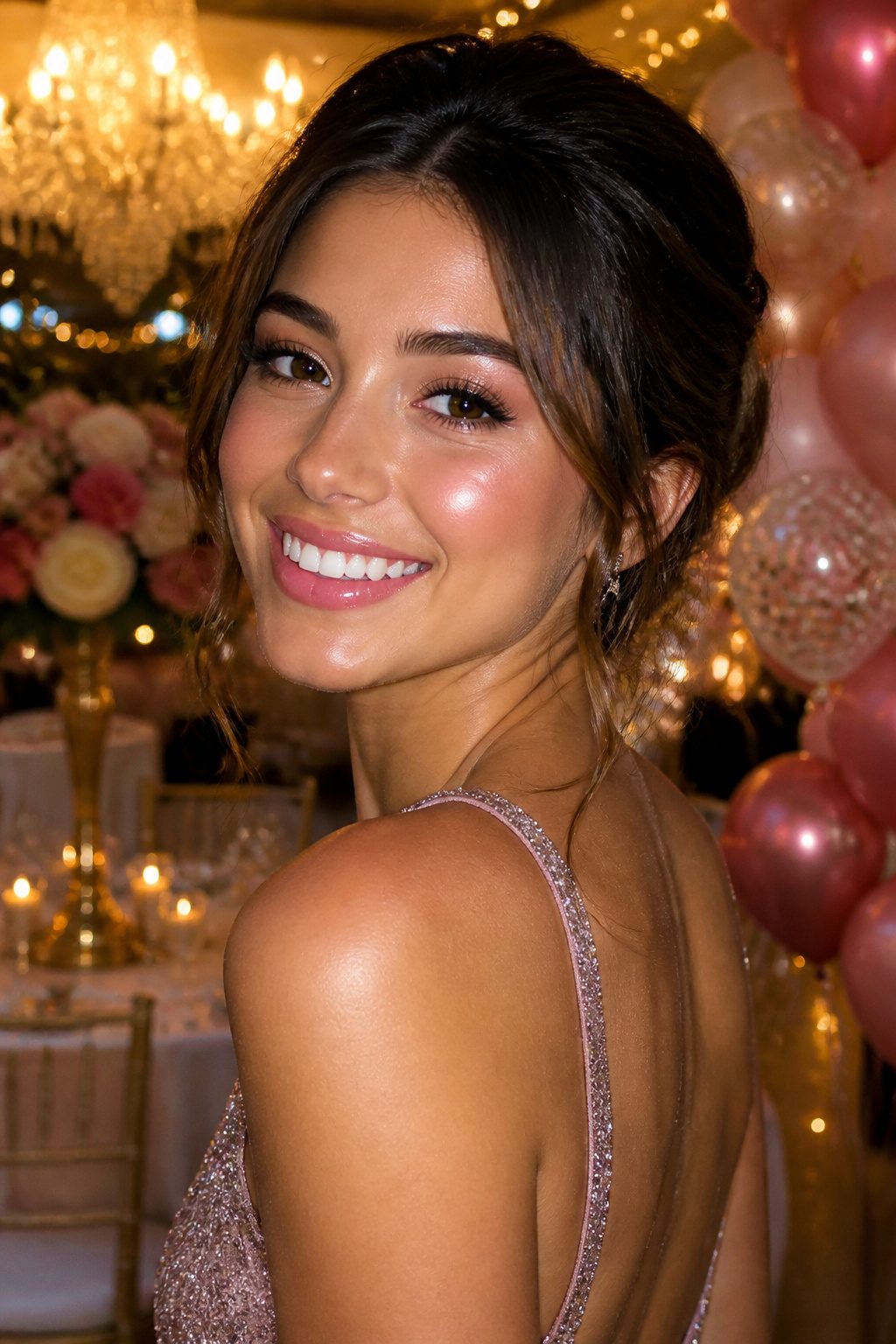
The right blush placement changes the whole shape of your face in photos. For rounder faces, the color belongs on the apples of the cheeks, blended upward so the face reads lifted rather than widened.
Longer faces need the pigment set higher on the cheekbone, almost brushing the temple, to add horizontal width and balance proportions.
Cream formulas win for the glowy effect the camera picks up. They melt into skin and catch light the way powder cannot, especially under venue lighting that already flattens everything.
A gel-to-powder or straight cream formula stays put for up to eight hours, which matters when your night runs long and touch-ups are happening in a bathroom line.
Shade choice is where prom blush goes wrong most often. The healthy flush lives in rosy or soft coral territory.
Anything too orange or too red reads as sunburned under flash, and by the time you see the photo, the moment is gone. I keep the intensity buildable, starting sheer and adding only where the face still looks bare.
18. Floating Eyeliner
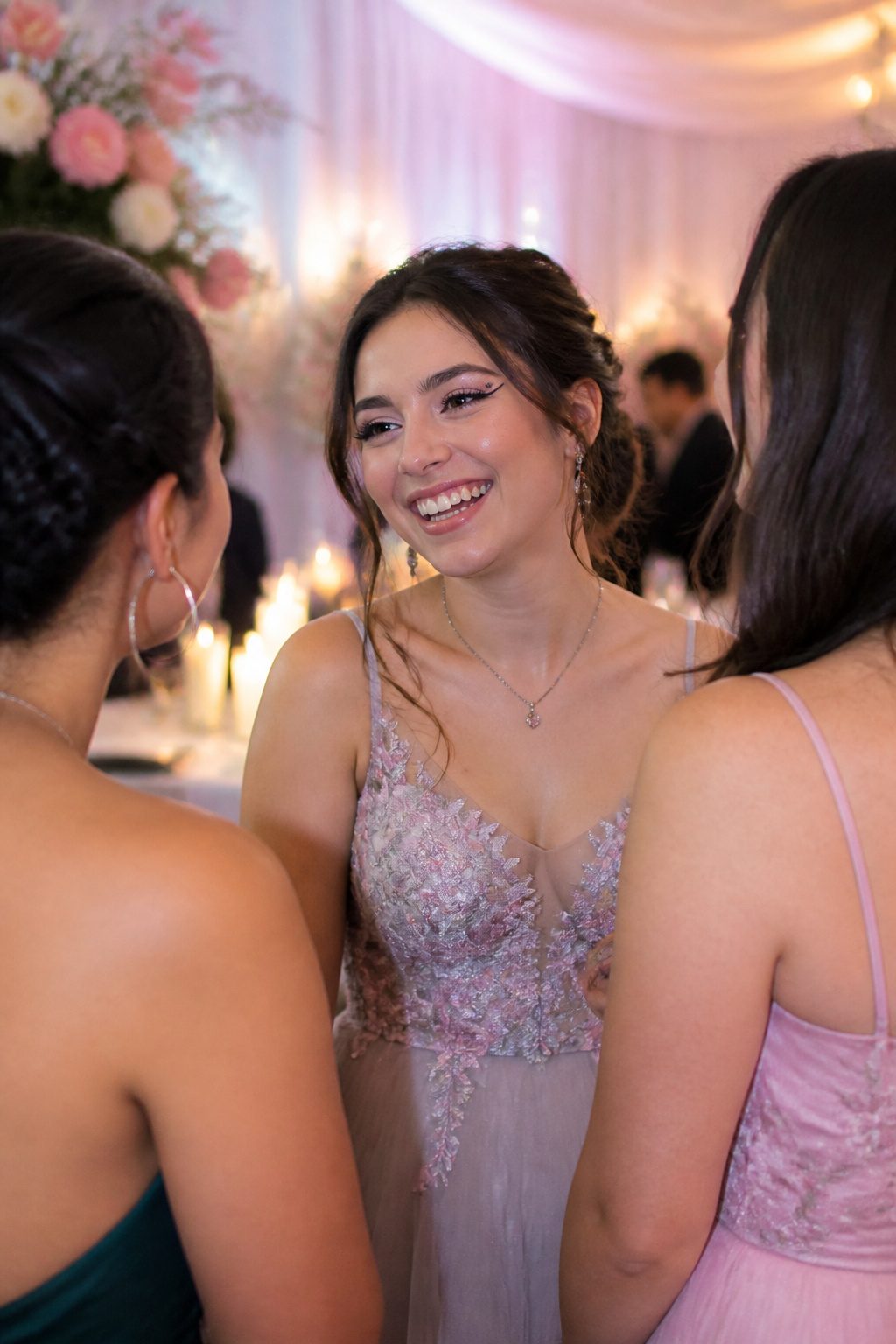
Floating liner sits a few millimeters above the actual lash line, leaving a clean strip of bare skin that makes the shape read as graphic and intentional rather than a smudge you missed.
The gap matters: too tight and it disappears, too wide and the eye looks broken in half. About the width of a toothpick, maybe a hair more, is the sweet spot where it registers as a deliberate design choice.
Getting the curve to match on both eyes is the part that eats time. I start with the inner corner dot on each side, then the wing tip, then connect the two in one motion without lifting the brush.
Trying to draw the whole line in pieces is how you end up with one eye arched like a rainbow and the other flat as a shelf.
Black reads sharp and modern in person, but navy or a deep burgundy soften the look without losing the structure.
In photos, the gap can catch light and make the liner seem to float even more, which is the effect you want, though flash will flatten the dimension that makes it interesting face-to-face.
A matte formula holds the edge; anything shiny creases into the gap and ruins the separation.
19. Colorful Wings
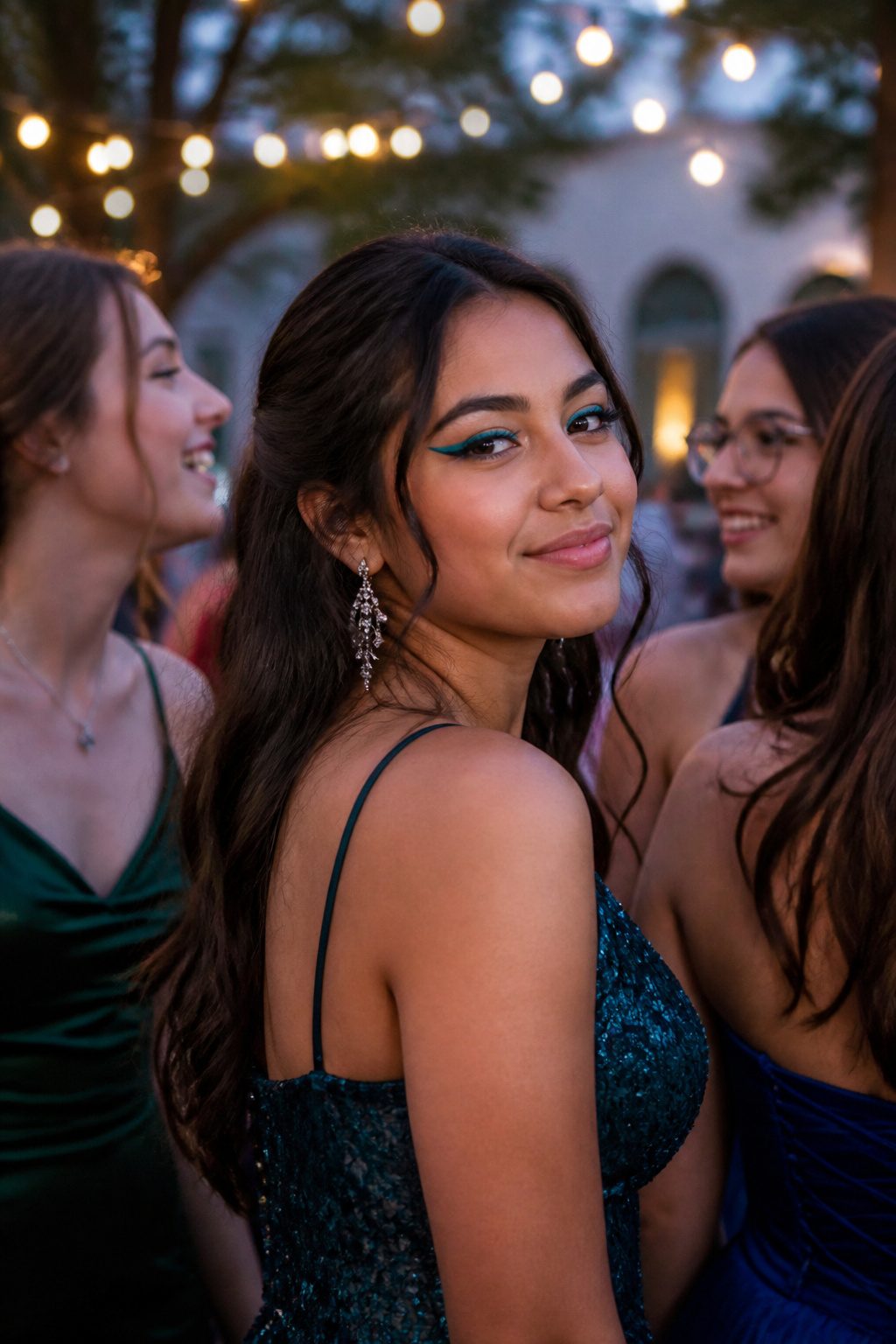
Bright teal wings against warm skin read as confident without drifting into costume territory.
The shape stays classic: a thin line that thickens at the outer corner and flicks upward, nothing angular or floating off the lid like graphic liner demands. Color carries the whole statement.
Violet flatters cool undertones and pairs naturally with silver or gray dresses. Yellow, which I initially assumed would read as novelty, actually softens beautifully on deeper skin tones and pops against navy or emerald gowns.
White liner on the waterline with a colored wing above opens the eye for flash photography without the harshness of a full black rim.
The mistake I kept seeing was matching wing color to dress color too literally. A coral gown with a coral wing flattens everything; teal against coral, or violet against gold, gives the eye somewhere to travel.
Skin tone matters less than you’d think, since brightness, not depth, does the work here. A single saturated stroke pulls focus to the eyes and leaves the rest of the face to stay minimal.
20. Glittery Lips
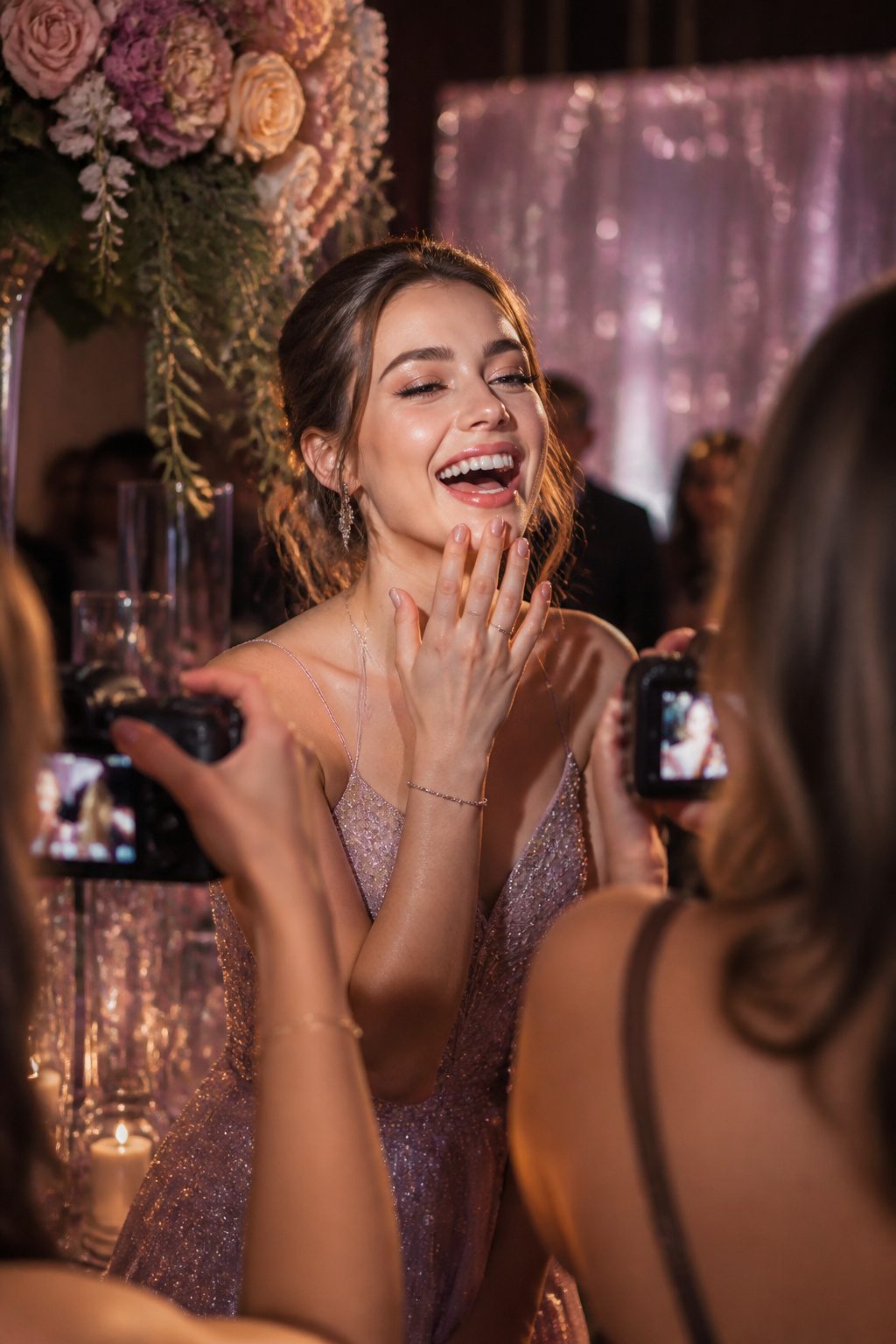
Glitter on lips reads louder in person than in a mirror. The three ways to get it are glitter gloss, pressed glitter patted over lipstick, or encapsulated glitter suspended in a gel base.
Gloss is the easiest to reapply and the most comfortable for a long night, but it transfers the fastest.
Pressed glitter gives the densest sparkle; dust off the excess before you leave or you will be picking flakes off your chin in the car.
Encapsulated glitter lasts longest through drinks, though no version truly survives a straw or a first kiss without some migration.
A bold matte lip competes for the same attention and usually wins on longevity.
Glitter lips win on novelty, which matters for exactly one night. Keep the rest of the face simple if you go this route; the lip is doing all the talking.
Frequently Asked Questions
How do I choose makeup that complements my dress color?
Your dress speaks first and your makeup should answer it, not fight with it. For bold gowns, try a neutral makeup palette.
A red or plum lip pairs well with emerald or navy, while metallic eyes in gold or rose gold balance cooler fabrics like navy or burgundy. The balance works because human attention has one landing strip at a time.
What makeup should I wear with a sequined or glittery dress?
Keep your makeup simple to avoid overpowering your look.
Opt for a matte foundation, subtle eye makeup, and a classic red or nude lip to balance the glitter of your dress. If the dress already catches light, your face needs structure rather than competition.
How do I make my prom makeup last all night?
Prep clean, moisturized skin with primer, use long wear formulas, then set everything with powder and a setting spray.
The endurance comes down to three factors: how well you prep your skin, the formulas you choose, and how you lock everything in.
A light mist of setting spray after the eyes are done, followed by a second pass once the whole face is complete, keeps most of it in place through the last song.
Should I do my hair or makeup first for prom?
Hair first is usually safer, because heat styling and hairspray can disturb a finished face. If your hairstyle is simple and needs no heat, either order works, so choose whichever process takes you longer and schedule it first.
Can I match my makeup to my dress’s theme?
Absolutely.
If your dress has a vintage flair, consider a classic winged eyeliner and red lips. For a modern dress, try trendy prom makeup like graphic eyeliner or metallic eyeshadow.
The article covers retro decades specifically: the 1950s with its crisp wing and saturated red mouth, the 1960s with cut crease eyes and pale lips, or the 1970s with bronze shadow and deliberate shine.