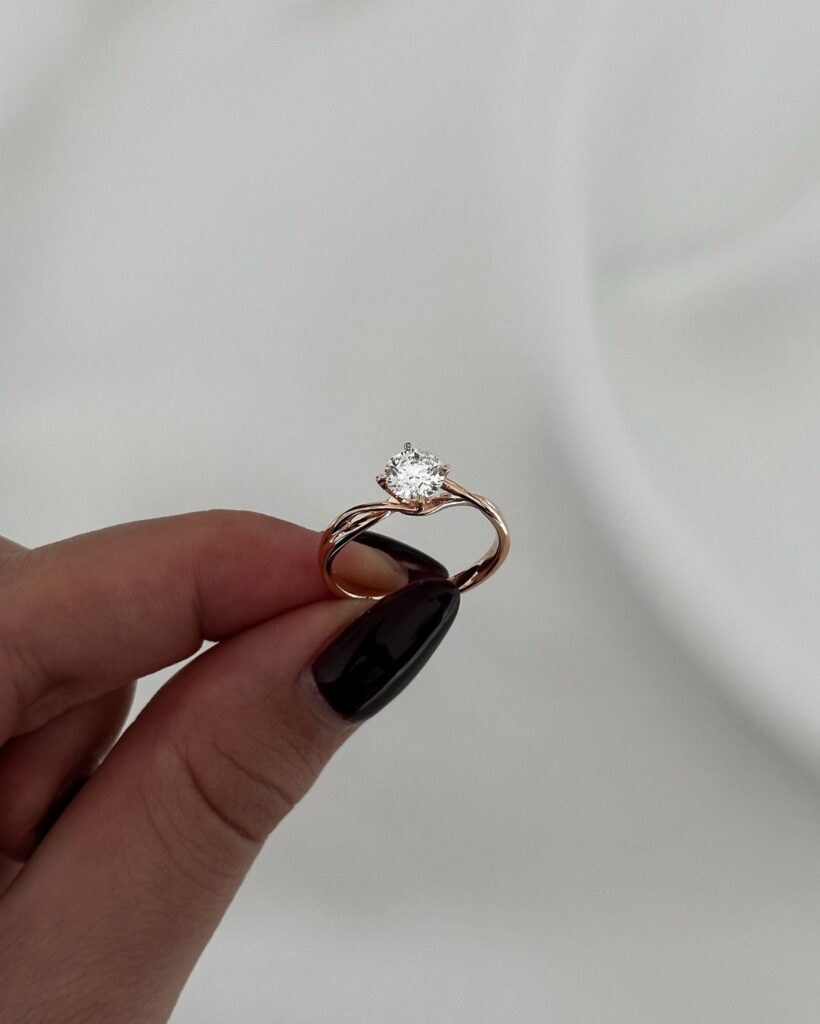
A delicate engagement ring runs from a 1.3mm whisper of metal to a 1.5mm classic with presence, and the right one depends on whether your hand wants the stone to float or the band to disappear.
1. Delicate Thin Bands
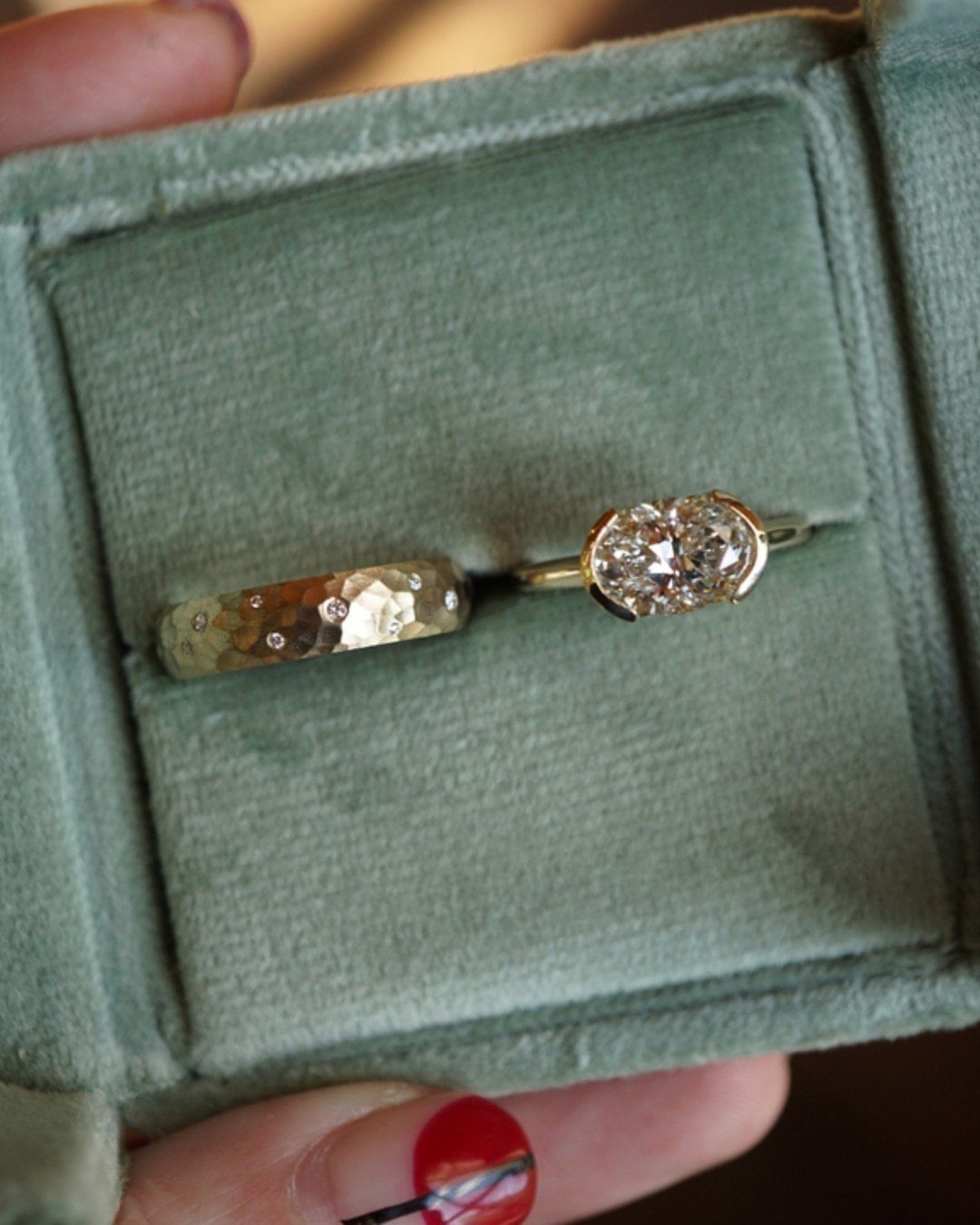
A band measuring 1.3mm to 2mm thick keeps the metal quiet so the stone speaks. That ratio flatters almost any center diamond, which is why this style has held steady through trend cycles.
I would pick yellow gold for warmth, but white gold or platinum reads just as delicate. The risk is longevity: bands this thin wear faster at the base, so plan on checking thickness every few years with a jeweler.
If you stack, leave a hair of space between rings so they do not saw into each other.

Delicately Designed: TIGRADE offers anniversary or engagement rings that are elegant, traditional and timeless. Used as a promise ring, or just a backup for travel

316L Stainless Steel, NEVER Fade, Rust or Color Finger

Delicately Designed: TIGRADE offers anniversary or engagement rings that are elegant, traditional and timeless. Used as a promise ring, or just a backup for travel
2. Oval Cut Diamonds
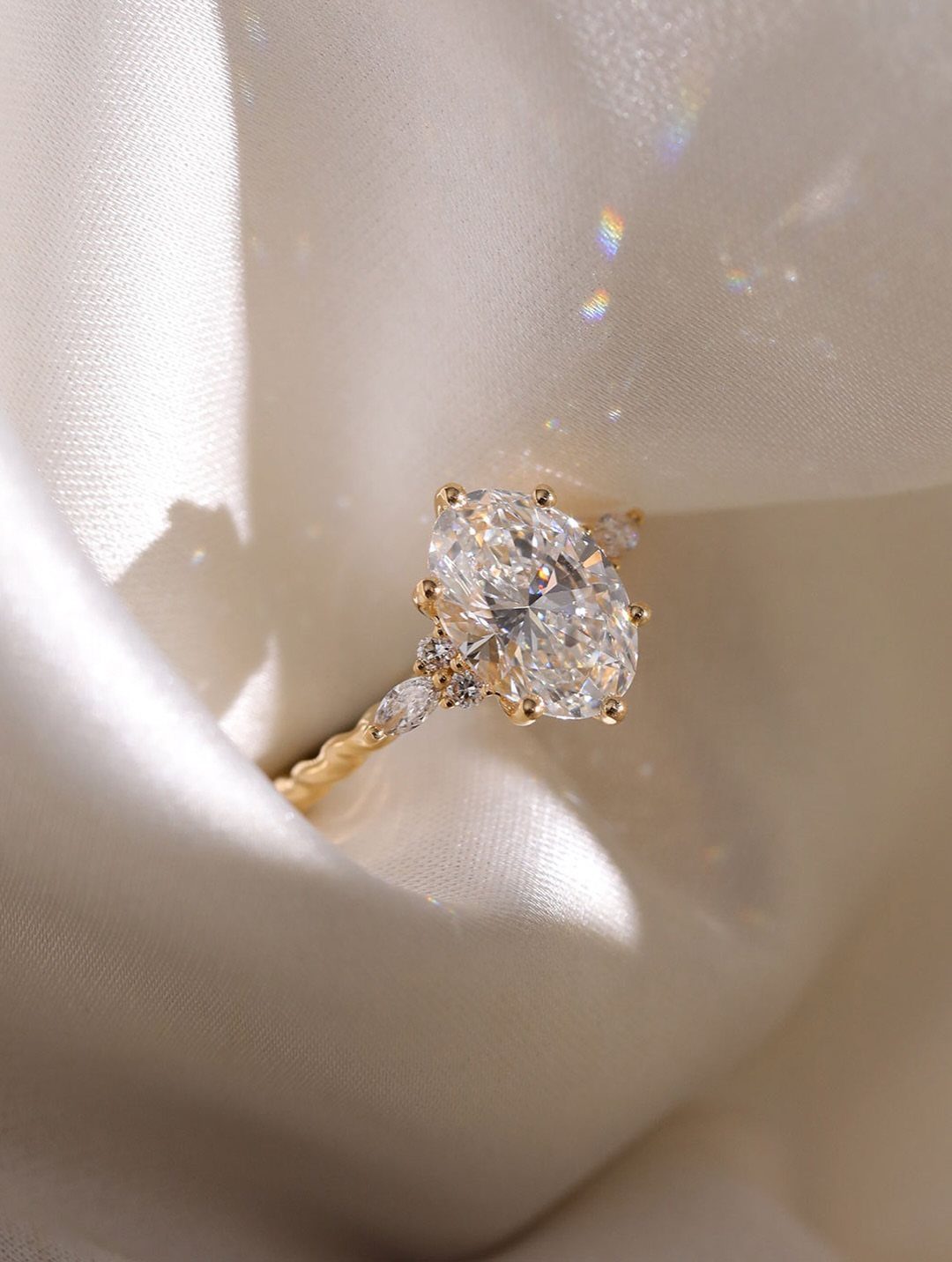
Oval cuts cheat extra finger coverage without the price jump of a larger carat weight. The elongated silhouette also narrows the finger visually, a bonus I did not expect until I tried one on.
The trade-off is a bow-tie effect, that dark band across the center where light leaks out. Some ovals show it severely; others barely at all.
Ask to compare several in person, tilting each under store lighting, before committing. Lab-grown or recycled diamonds from ethical sources have become easier to find, so that option is worth asking about if it matters to you.

VIBRANT YELLOW GOLD GLOW: Featuring a warm 14K yellow gold plated finish, this 2 carat oval cut ring offers a luxurious and radiant appearance. The thick plating and protective layer ensure a durable shine that resists daily wear and tear, providing a smooth and comfortable feel against the skin without the risk of fading or tarnishing.

MATERIALS:925 Sterling Silver ,white cubic zirconia,rhinestone,Austrian Crystals. Nickel-free,Lead-free,Cadmium-free and Hypoallergenic,Long Time Wearing Keeps Your a Good Health.

Fine and Delicate Design: This unique ring is gracefully proportioned to beautifully mimic the arc and curve of your finger, sitting close and low
3. Nature-inspired Designs
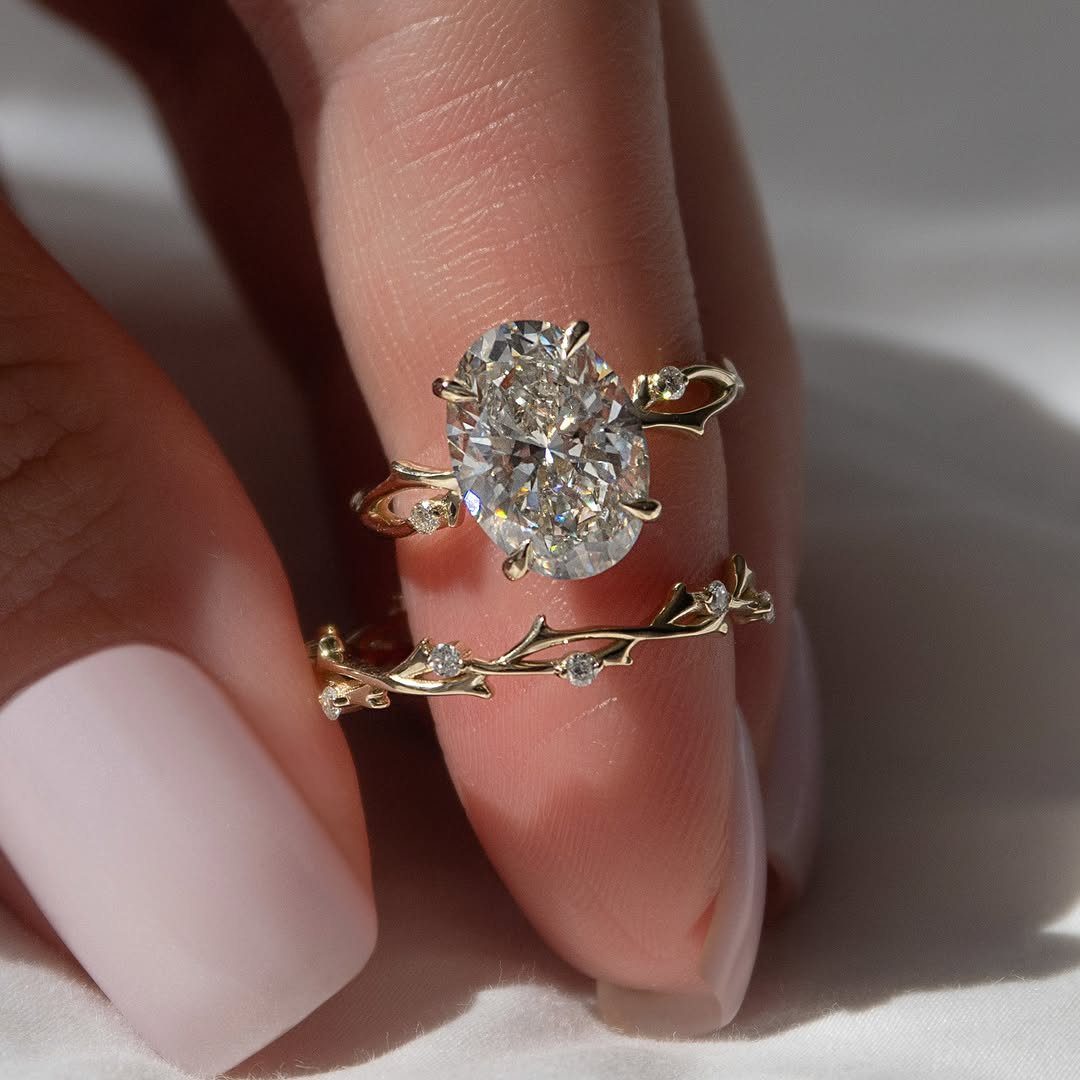
Vine and twig motifs read romantic without reading costume, if the casting is fine enough. Nature-inspired bands wrap the finger like actual growth, not like a stamped pattern.
This style suits someone whose other jewelry leans organic, not geometric. The detail work raises the price of casting, so expect to pay more than for a plain shank.
Matching wedding bands are often shaped to fit around the engagement ring’s contours, order them together if you can. Clean carefully; debris lodges in textured crevices more readily than on polished surfaces.

Handpicked Moss: Symbolizing vitality and resilience, each moss agate is handpicked from thousands of stones—selected for clarity and the beauty of its natural pattern that resembles swaying water plants, ensuring you receive a ring of excellent quality and unique natural beauty

Handmade Marquise Round Ruby Gemstone Twig Leaf Branch Cluster Engagement Ring For Women 14K Gold Plated Vine Half Eternity Nature Inspired Wedding Band 925 Sterling Silver

Handpicked Moss: Symbolizing vitality and resilience, each moss agate is handpicked from thousands of stones—selected for clarity and the beauty of its natural pattern that resembles swaying water plants, ensuring you receive a ring of excellent quality and unique natural beauty
4. Cluster Diamond Setting
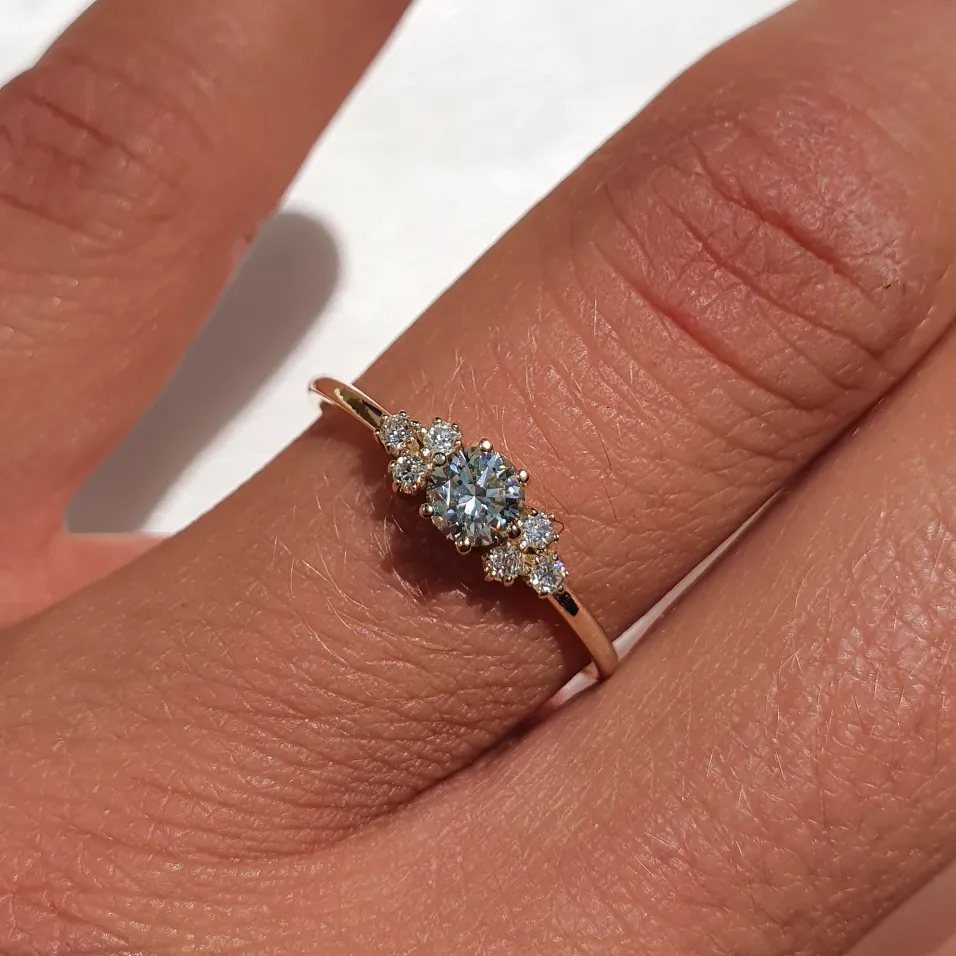
Pavé accents and bridge-set micro diamonds scatter light without demanding a single large stone budget. The effect reads as one generous sparkle from a distance, up close it rewards second and third looks.
Rose gold warms the setting, though the same layout works in white or yellow. A 1.4mm band keeps the whole piece in the delicate register.
The hidden halo variation adds a rim of diamonds beneath the center stone, visible only from the side; that option costs more and complicates future resizing, so decide based on how you actually wear your hands.

Material:Brass 18k White gold plated,Size Available:4.5/5/5/5.5/6/6.5/7/7.5/8/8.5/9/9.5/10/10.5/11/11.5/12

2 Ct Round Cut Diamond Oval Shape Micro Pave Set Cluster Bezel Setting Engagement Ring For Women 14K White Gold Plated Classic Solitaire Ring 925 Sterling Silver Twilight Bella Cluster Ring

Lab Created Moissanite Diamond shines brighter than a diamond or any other gemstones and you'll never get tired of seeing the sparkle from all angle! Moissanite is tougher and will as easily or lose brilliance as fast thus making it a good choice for buyers looking for excellent jewelry.
5. Classic Round Solitaire
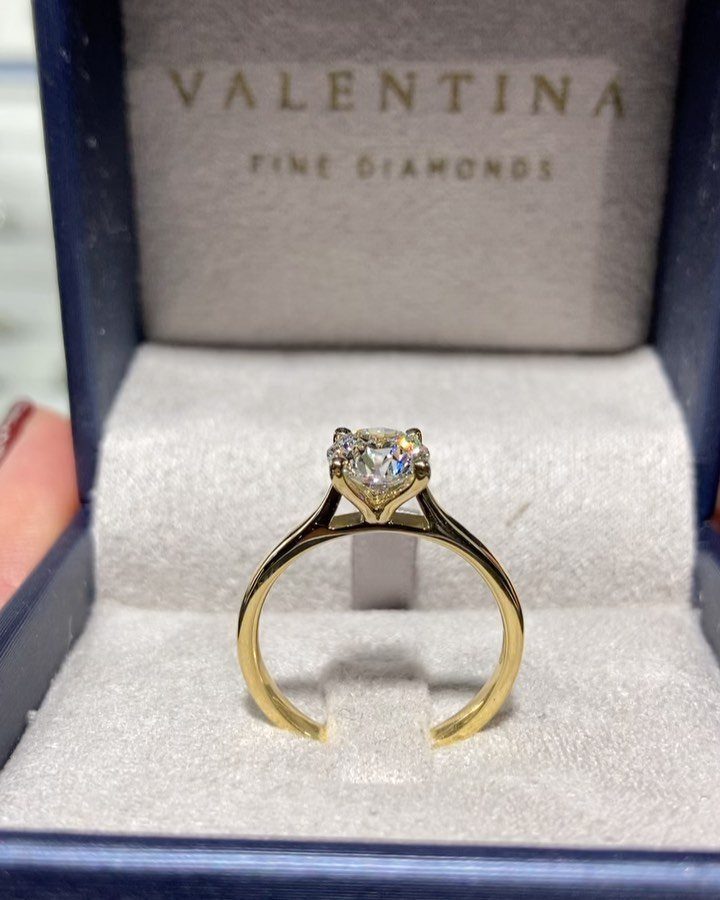
One stone, no competing details, the round brilliant relies on cut quality alone. That makes it the most forgiving shape for comparison shopping: a GIA excellent cut sparkles regardless of where you buy.
The hidden halo underneath, diamonds set into the gallery, adds cost and maintenance while staying invisible from the top view. Either way, the 1.5mm band width keeps the classic from feeling heavy.

Elegant Wedding Band Design: Experience sophistication with our sterling silver wedding band for women, designed to capture the essence of elegance. This eternity wedding band for women features a delicate design, perfect for sophisticated occasions. 1.5mm Band, AAAAA+ Cubic Zirconia

A classic eternity band with a row of twinkling cubic zirconia set all the way around. Beautiful on its own, or wear it alongside your favorite rings to create your own unique, stackable collection.

Specification: This wedding band is crafted in solid 925 sterling silver, with a high-polish finish, tarnish-resistant. Width options: 1.5mm, 2mm, 4mm, and 6mm – perfect for daily wear or stylish stacking
6. Cushion Cut on Thin Band
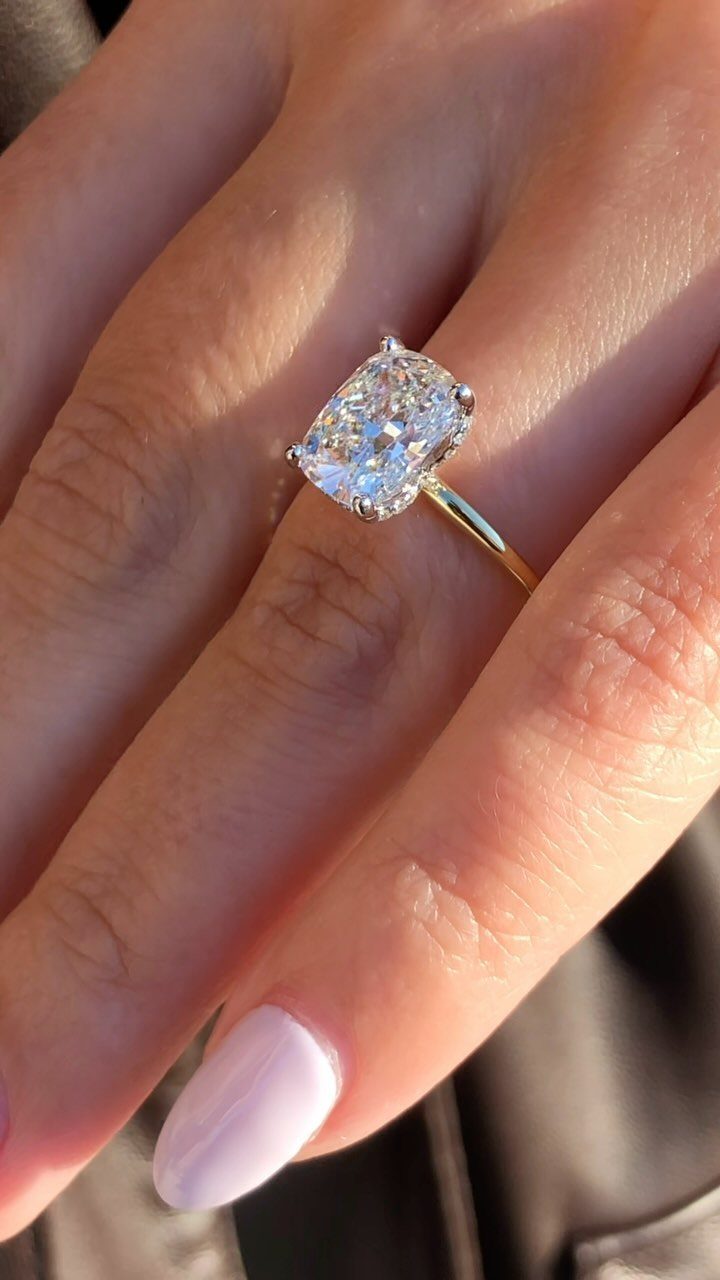
Elongated cushion cuts split the difference between the soft pillow shape and something more directional. On a thin band, the stone looks almost suspended, which is the point.
The corners of a cushion can chip more readily than a round’s curved edge, so a setting with decent corner protection matters more here. Check that the prongs or bezel wrap those vulnerable points without visually thickening the whole.
This combination of shape and band width works best on fingers where you want presence without weight, and it stacks well with a slim wedding band slipped underneath.

925 Sterling Silver & Rhodium Plated: This ring is crafted with 925 sterling silver and features an elongated oval cut crushed ice cubic zirconia center stone. The crushed ice cut creates rich, shimmering reflections with an ice-like sparkle, giving the ring a bright, diamond-like look while keeping the style elegant and refined

Material: Oval cut cubic zirconia ring crafted in solid 925 sterling silver, stamped 925, hand-set and high-quality cz stone are dazzling. Band measures 2mm in width
MATERIALS:925 Sterling Silver ,white cubic zirconia,rhinestone,Austrian Crystals. Nickel-free,Lead-free,Cadmium-free and Hypoallergenic,Long Time Wearing Keeps Your a Good Health.
Choosing the Right Diamond
A diamond for a delicate setting lives or dies by its cut.
The round brilliant and oval shapes both depend on excellent cut quality to do their work; without it, light leaks out through the pavilion instead of returning to your eye.
For ovals specifically, a well-cut stone minimizes the bow-tie effect that plagues poorer examples.
Color shows more readily in elongated shapes than in rounds. G–H color reads colorless to most viewers without the premium of the top grades, which is where the budget relief comes in.
Clarity is the place to stop once the stone is eye-clean.
VS clarity suffices for lab-grown; with natural diamonds, an clean SI1 or SI2 can look identical for less. Paying higher for inclusions you cannot see without magnification wastes money better spent on cut or size.

Handmade Pear Cut Diamond Nature Inspired Engagement Ring Twig Leaf Vine Stackable Band 14K Yellow Gold Plated

Leaf Pattern Filigree Style Ring Nature-Inspired Branch Wedding Band 14K Gold Plated Twig Shank Ring Unique band 925 Silver Handmade Victorian Vine Engagement Ring

Handmade Marquise Diamond Leaf Vine Branch Half Eternity Band Engagement Ring Set For Women Nature Inspired Twig Pave Stacking Bridal Ring 14K Yellow Gold Plated 925 Sterling Silver
Engagement Ring Sizing Tips
Sizing a ring for a surprise proposal almost guarantees a return trip to the jeweler.
Fingers on the dominant hand run half to one size larger than the same finger on the non-dominant hand, so a ring borrowed from the wrong hand will mislead you.
For stealth, ring-sizing loops slipped over the finger while they sleep work better than wrapping paper around the knuckle, which is the least accurate method.
A jeweler needs an actual measurement, not a plain description of the hand, to get the size right.
When guessing, size up.
A ring that slides on in the moment can be resized smaller; one that will not fit ruins it. Most jewelers allow resizing after delivery, so the proposal itself stays intact even if the fit does not.

🌻 :100% brand new imported high quality materials.

♛ :100% brand new imported high quality materials.

Exquisite Design: This stunning ring features a marquise-shaped cluster of brilliant round-cut diamonds set in 14k white and yellow two-tone gold for a luxurious and eye-catching look.
Frequently Asked Questions
What is the thinnest an engagement ring can be?
Jewelers usually call a band delicate at 1.3mm to 2mm thick. Go thinner than 1.3mm and the metal warps with normal wear, especially on hands that work or type all day.
Thin bands look elegant but the metal at the base wears down faster, so a yearly check-in with a jeweler is worth building into the routine.
What is the 3 month ring rule?
Spending rules tied to salary are better ignored; the real work is deciding which cut and clarity grades look clean to your eye at a price you can handle.
Fixed spending targets tied to income matter less than the cut quality and whether the stone looks eye-clean under ordinary light.