The list ahead covers lace overlays, sleeve lengths from long to puff, square necklines, and the satin weight that dominated the year, so you can decide whether to hunt an original or sew a reproduction.
The list ahead names the details that mark a 1978 gown: lace overlays, long sleeves, short satin cuts, and the square neck with puff sleeve that turned up everywhere that year.
1. Lace Wedding Dress
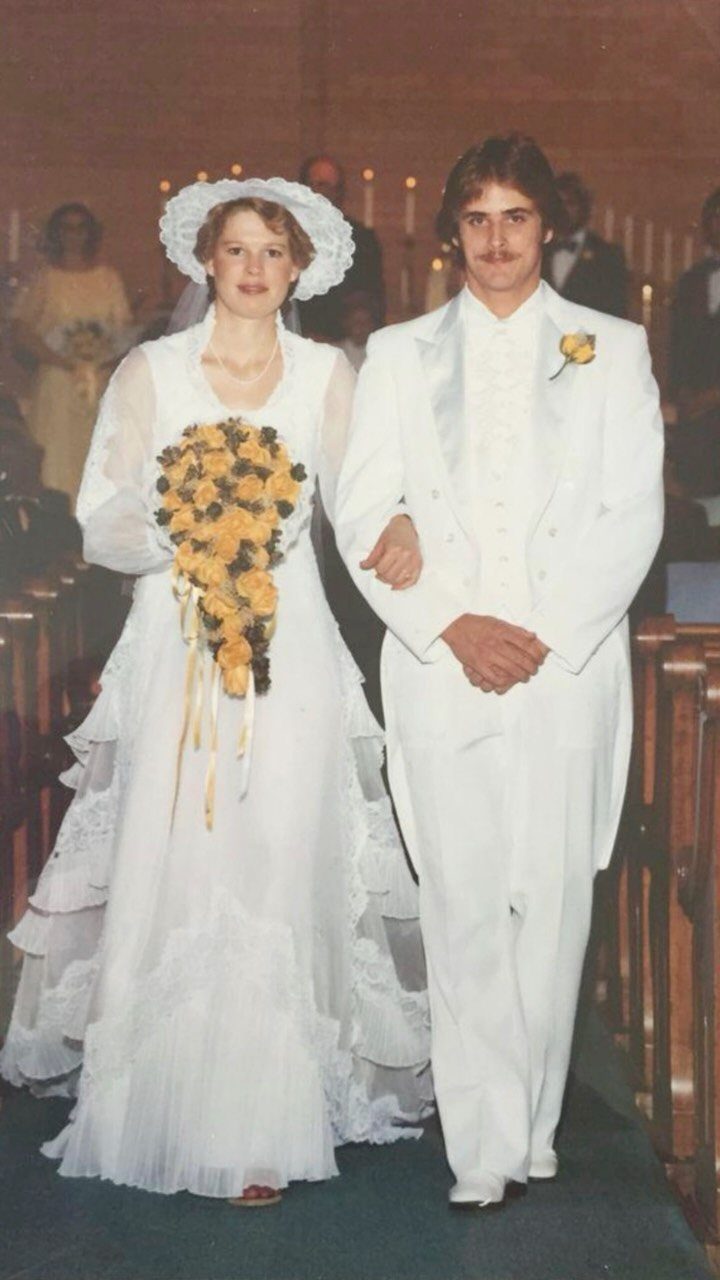
The lace wedding dress from 1978 carried over a technique that had been drifting in and out of bridal fashion since the early 1900s: a slip of lightweight fabric layered over netting to hold the skirt’s shape without heavy structure.
That combination kept the silhouette full while letting the lace read as delicate rather than costume-like.
If you are shopping vintage, check whether the original slip and netting have held up; synthetic netting from this era can yellow or stiffen, and replacement slips are easier to find than matching period netting.
Budget for a seamstress familiar with vintage construction, since the lace likely attaches differently than modern machine-made versions.

Size: S(US 4-6) / M(US 8-10) / L(US 12-14) / XL(US 16)/ XXL(US 18)

❤Cocktail dress design: This elegant design is shown by this knee-length sheath dress. The dress is made of stretch-jersey underlays and lace overlays, and the asymmetric chiffon layer hangs on the shoulders to create a luxurious appearance.
2. Long Sleeves
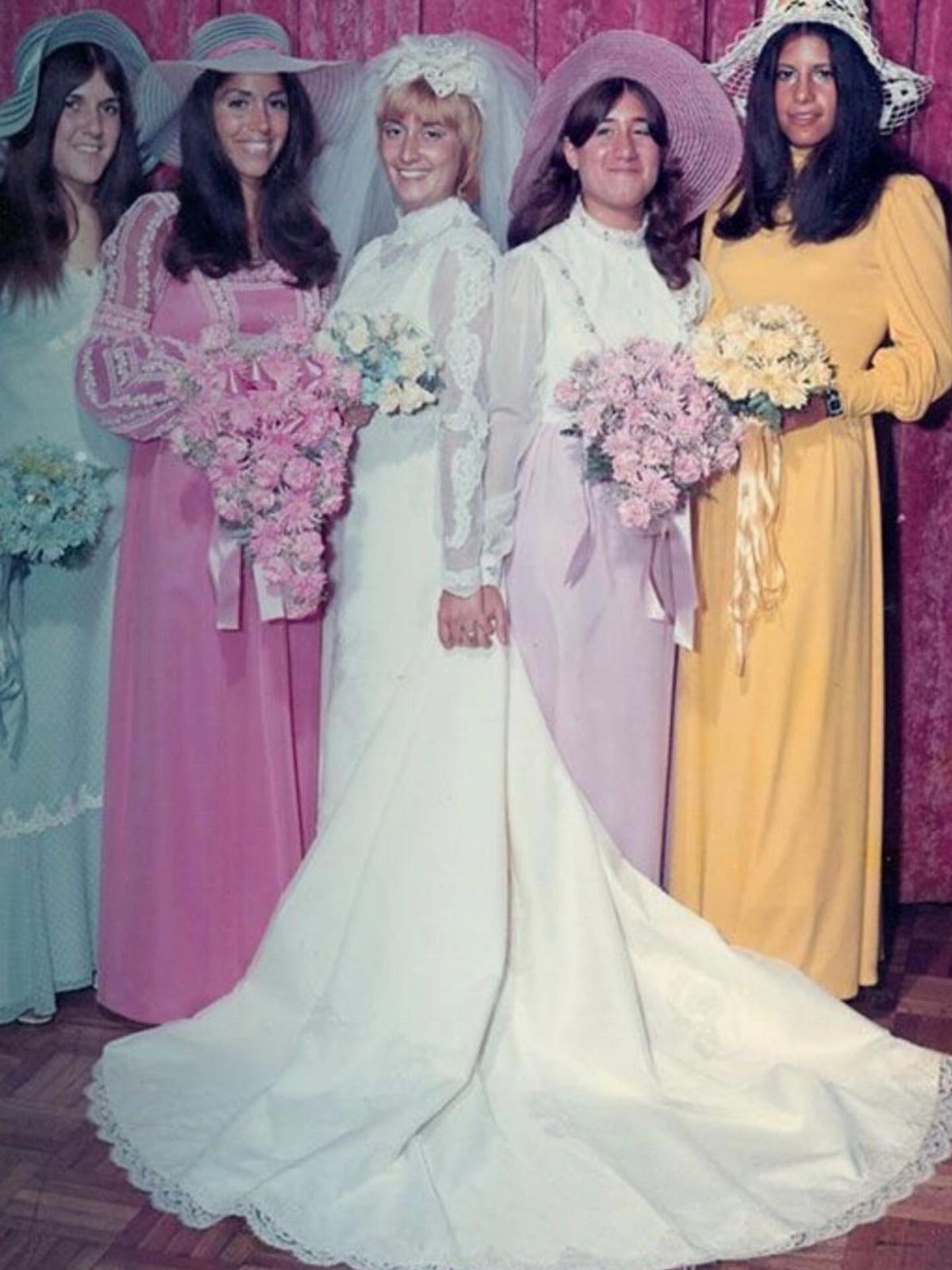
Long sleeves showed up everywhere in 1978, not just on formal gowns but on modest church dresses and outdoor ceremonies alike.
The detail that marks the year is how they finished them: zippers at the wrist, often covered by a lace overlay or small button, so the sleeve stayed fitted past the elbow without stretching out of shape.
For a bride considering vintage, this means trying the zip with one hand; some zippers from that era are metal and still smooth, others have corroded or snag the lace after decades in storage.
A replacement invisible zipper changes the look, so decide whether you need the original function or just the line of the sleeve.

ELEGANT DESIGN: Features intricate 3D floral embroidery, delicate lace appliques, and flowy long sleeves that comfortably frame upper arms for an ethereal look.

Long sleeved flattering gowns; slimming maxi dresses with sleeves; Navy Blue plus sized clothing for women; floor length dresses for the curvy lady; comfortable and elegant dresses for the tall curvaceous woman; cute full figure frocks

Premium Material:Crafted from a lightweight,breathable fabric,this elegant midi dresses for women collection offers ultimate comfort.The smooth material drapes beautifully for formal dresses for women,with a durable structure ensuring zipper dress for women glides smoothly.Its flattering fall makes this midi dresses for women a standout choice for trendy dresses 2026,ideal for semi formal dresses for women,formal wedding guest dress,evening dresses,cocktail dresses,party dress and gala dress.
3. Short Sleeved Satin Gown
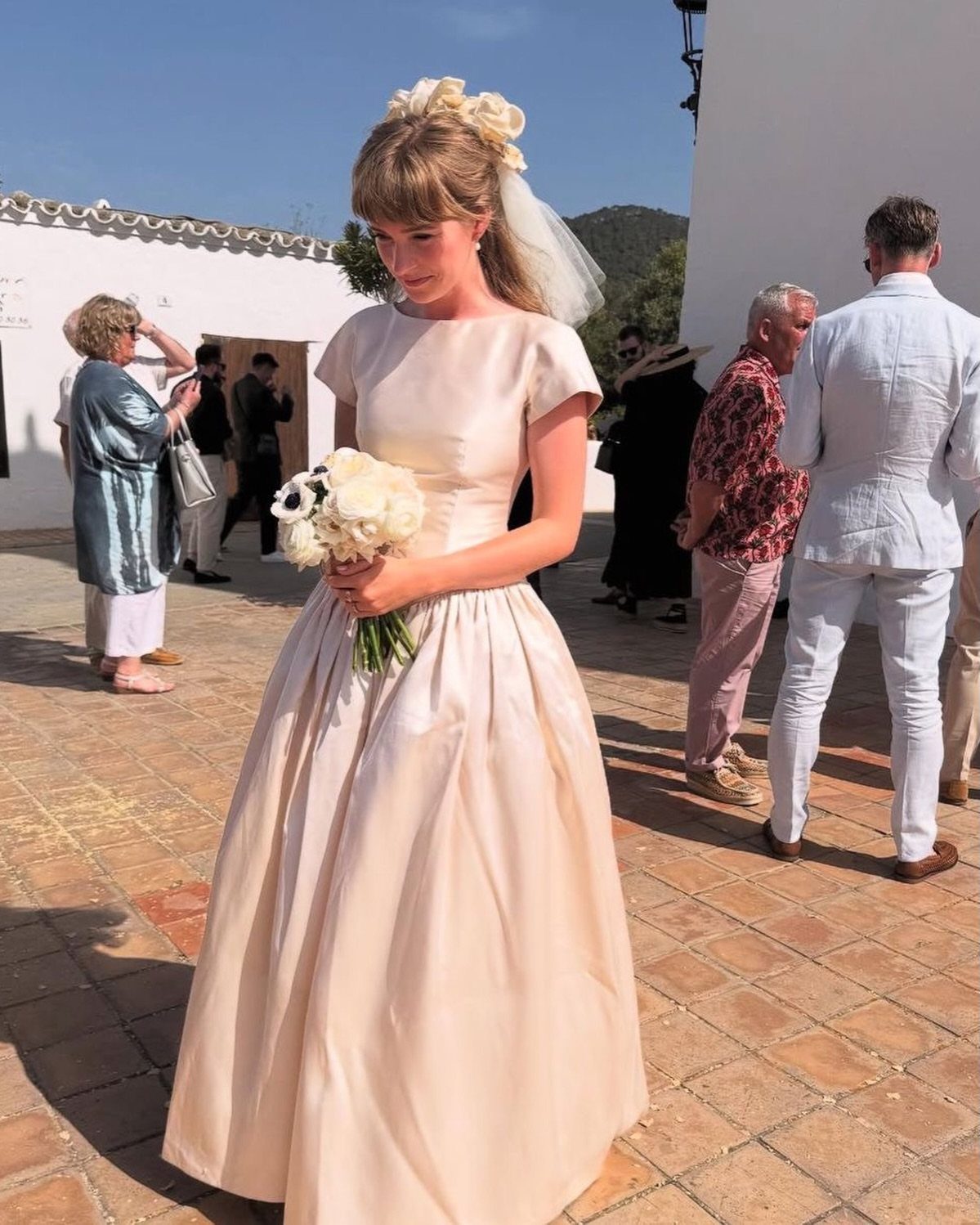
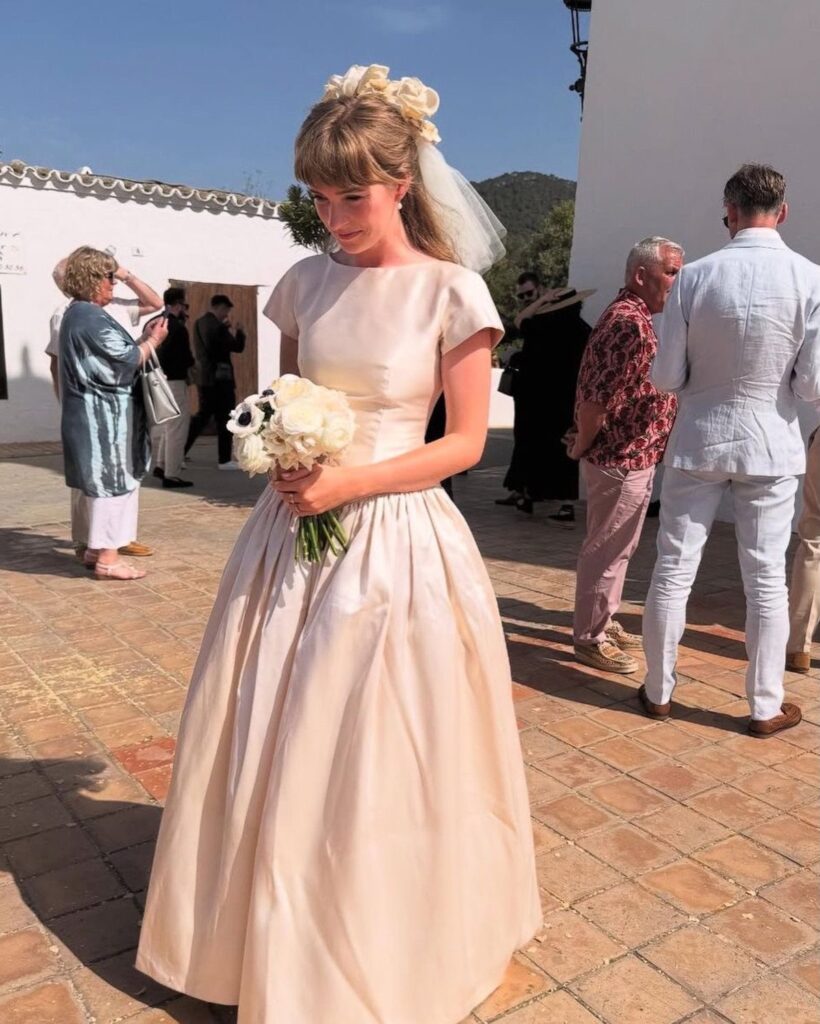
Satin in 1978 meant a heavier weight than the slinky charmeuse that dominated later decades, and the short sleeve let it read as daytime-appropriate rather than strictly formal.
Cream tones were common; white-white satin photographed harshly on the film stock of the era, so designers shifted warmer.
If you are drawn to this look, the fabric choice matters more than the cut.
Modern bridal satin is often lighter and more draped; source duchess or heavyweight bridal satin, and request a sample card before committing. A floral hairpiece and shorter veil complete the period silhouette without requiring a separate hat.

【Soft Fabric】Short sleeve sleep dress is made of premium 95% polyester + 5% spandex satin fabric. Smoother, better and soft to the touch. Satin pajamas dress keep you in a comfortable and relaxed state. Lightweight and comfort sleepshirt for women.

【Material】Women's satin nightshirt made of 95%Polyester, 5%Spandex,premium satin fabric,not easy to wrinkle,shrink or fade.Luxurious,skin friendly,breathable ,keeps you cool on the hot days.But because this fabric is not elastic, If you want to be more loose, please choose a size up for more room.

Silky Nightgowns for Women: Ekoauer silk satin pajamas dress are luxuriously stylish & soft to the touch! Satin nightgown is made of 95%Polyester + 5%Spandex, soft, lightweight and breathable. Satin V Neck Soft Comfy Sleepwear help you have a sound sleep.
4. Square Neck Puff Sleeve Dress
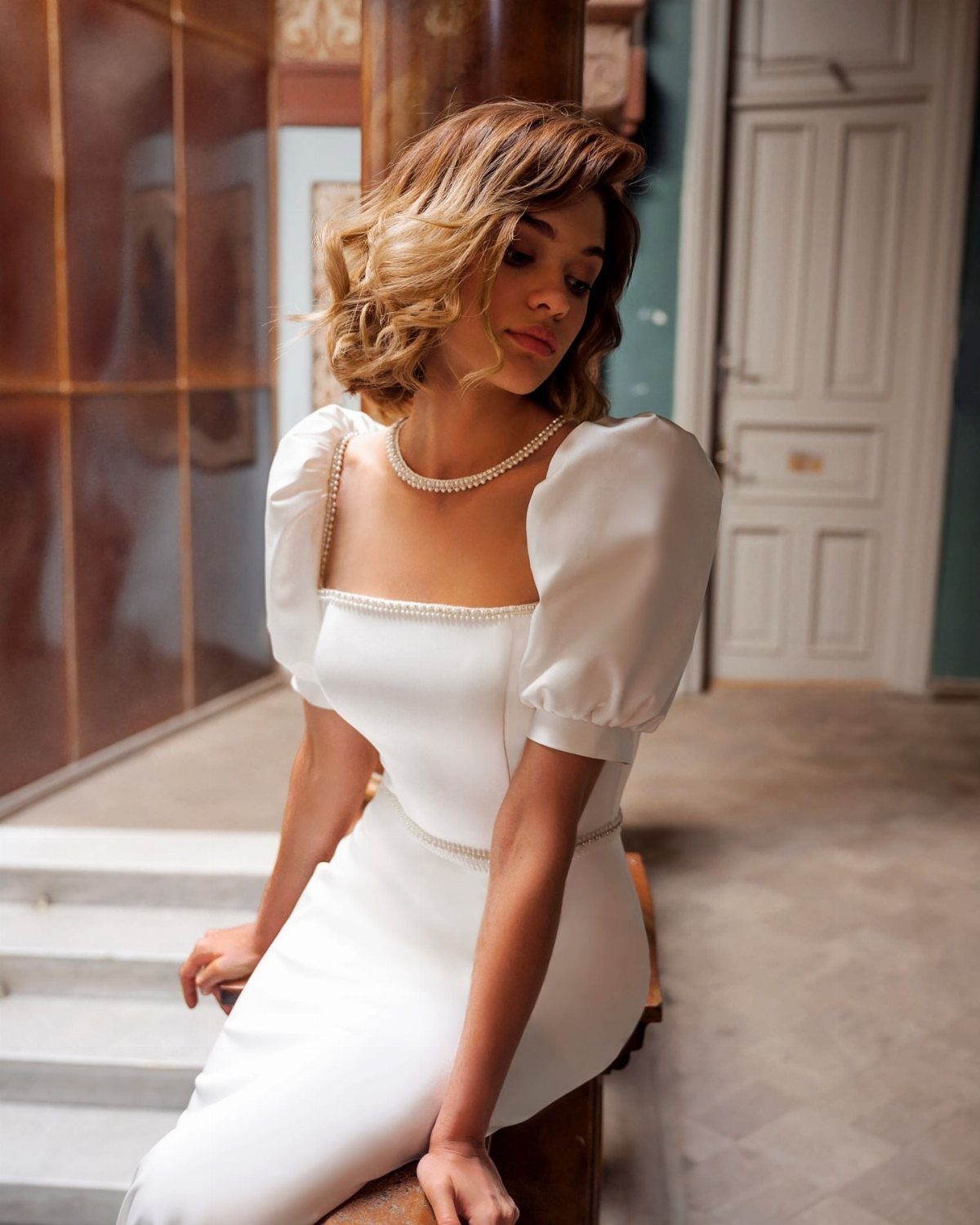
The square neckline with puff sleeves sat at the intersection of the decade’s romanticism and the Victorian revival that was starting to surface in fashion.
Pearl trim along the neckline was typically applied by hand and is often the first detail to loosen with age.
Before purchasing or wearing a vintage version, check the attachment points of any trim; re-sewing is straightforward but time-consuming, and missing pearls are hard to match.
The gathered sleeve head also adds width at the shoulder, which flatters some frames and overwhelms others; try the silhouette with a modern puff-sleeve top before committing to the full dress.

Flattering Corset Fit: Designed with a corset-inspired bodice and defined waist, this mini dress helps create a slimmer silhouette, while the fit and flare shape gives it a balanced and feminine look

S=US 4-6,M=US 8-10,L=US 12-14,XL=US 16. Smocked style, if you have a big chest, we suggest to choose size up. Tips: For a better dressing experience, suggest to iron in low before wearing! Please refer to the size information for details before purchase.

Flattering Corset Fit: Designed with a corset-inspired bodice and defined waist, this mini dress helps create a slimmer silhouette, while the fit and flare shape gives it a balanced and feminine look
Vintage Fashion Appreciation
The pieces that survive in good condition often show hand-finished details that would be priced out of contemporary production, like the pearl trim along a neckline or the careful placement of lace over netting.
If you are drawn to these dresses for their craftsmanship, the hunt itself becomes part of the project.
Vintage shops in former textile cities sometimes turn up pieces from local manufacturers that never had national distribution, and their condition varies less by price than by storage history.
A dress kept in a cedar closet fares better than one in attic heat, regardless of what the tag says.
The practical question is always whether to wear the original or reproduce the look.
The originals carry the patina of age, sometimes literally, and the reproduction gives you control over fit and fabric weight. Neither choice is more authentic; they serve different priorities, and the budget split between purchase and alteration usually decides it.

Occasion: this Petticoat Crinoline for Wedding Dress Quinceanera gown, and other special occasion dress.

Lightweight, stretchy breathable fabric with great touch. Super soft and comfortable

❀ LIGHTWEIGTH TULLE MATERIAL -- This petticoat was made of tulle. It’s more soft, lightweight and breathable than other types. Relaxing your body and fit dress gown perfectly.