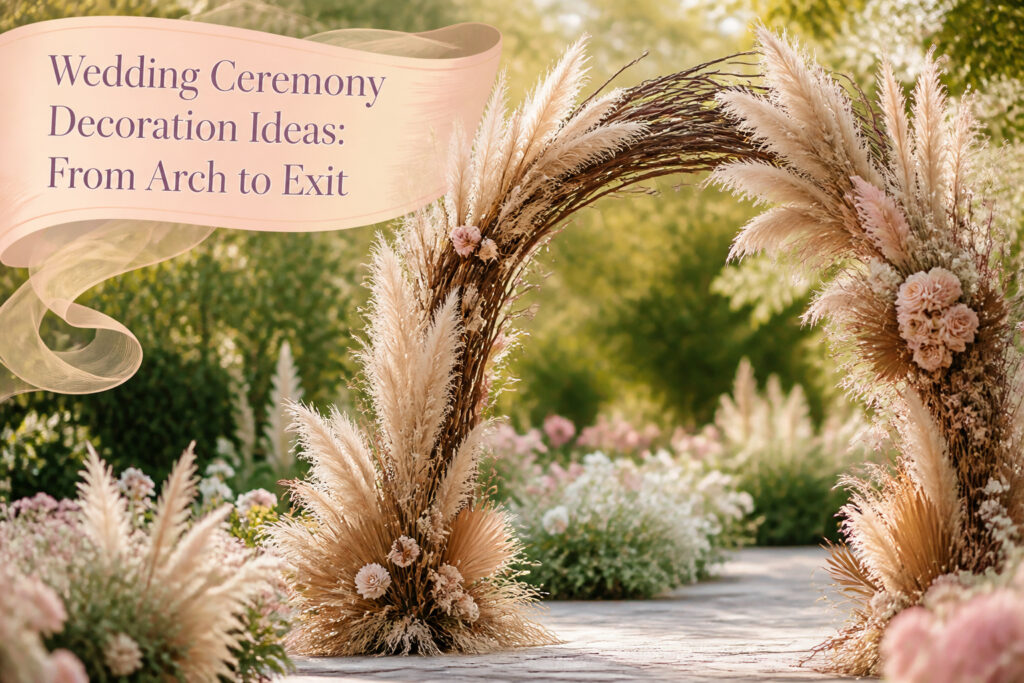
Wedding ceremony decoration ideas range from under $1,000 DIY setups to $6,000 florist-designed installations, and the deciding factor is not budget but portability: the arch that moves to your reception halves your floral bill, while the one built for a single spot bleeds it. Florals alone eat 40 to 60 percent of most decor budgets, which is why branches, pampas grass, and dried palms now frame more vows than full bloom arches do.
1. The Statement Arch
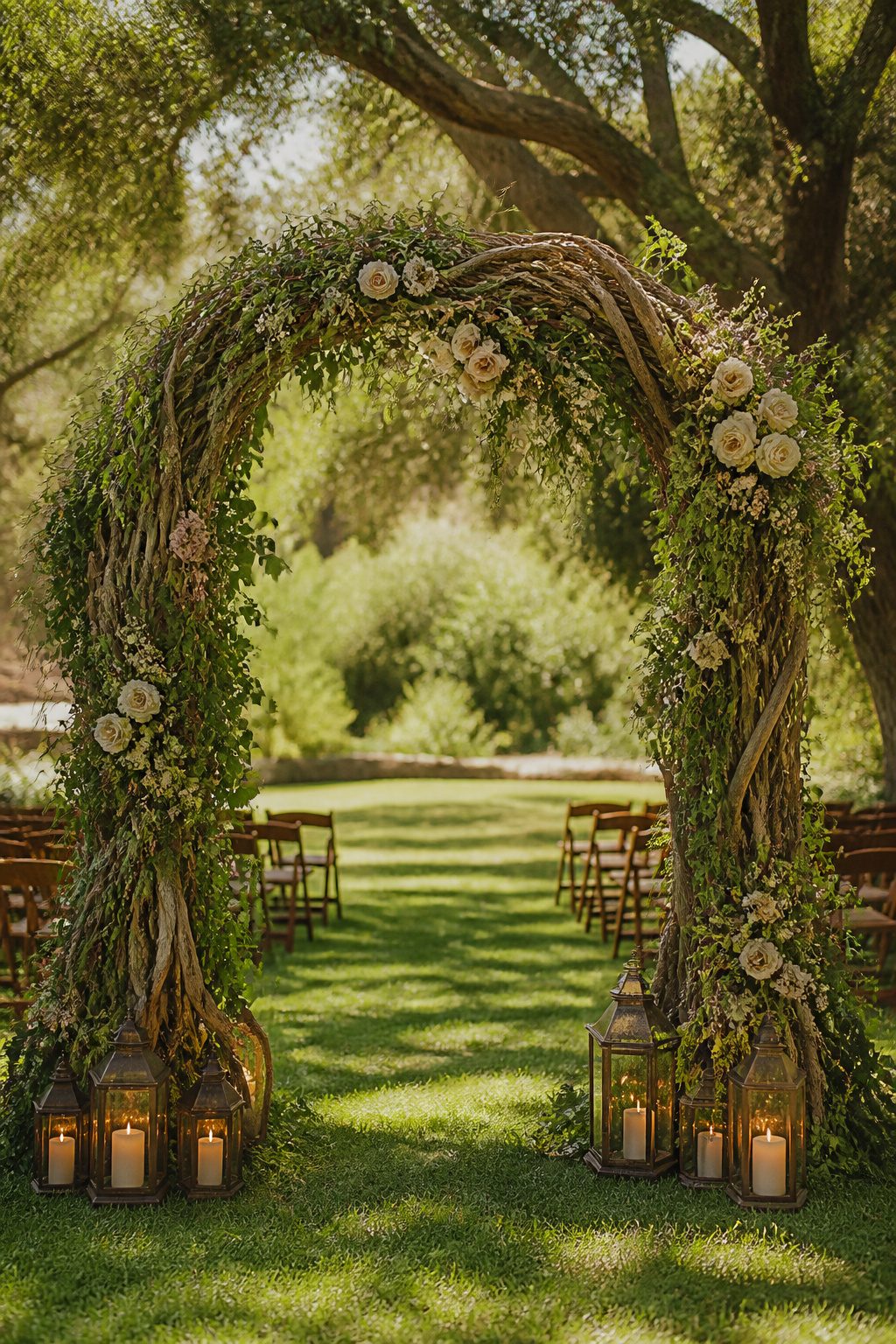
The arch frames every vow and every photograph, so the money follows it. Florals alone swallow 40 to 60 percent of most decor budgets, and the arch is where a lot of that goes. A fully florist-styled ceremony with arch, aisle, and entry florals typically runs $3,500–$6,000 or more for a hundred-guest wedding, though a minimal DIY-heavy setup can land under $1,000.
That cost pressure is exactly why couples now build arches from branches, fabric, pampas grass, and dried palms rather than full bloom coverage. Asymmetric installations photograph well with fewer stems. Seasonal, locally grown flowers trim the bill further, and greenery used as filler stretches what you do buy.
The arch style sets the tone for everything else. A geometric metal frame with sheer draping reads modern. A natural branch structure with trailing eucalyptus reads organic. Pampas grass clusters mixed with dried palms signal boho. Wavy or asymmetric shapes replace standard rectangles for sculptural impact. Candles or lanterns at the base add warmth without climbing the structure.
Moving the arch arrangements to the reception lets them work twice, which is the single best budget stretch most couples skip.
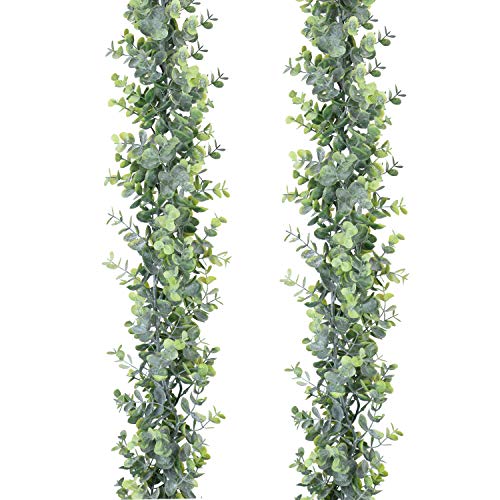
Quantity:2 Pack Faux eucalyptus garland , Each pack with 134 Pcs large fake eucalyptus leaves, total 268 Pcs Eucalyptus Leaves,This eucalyptus garland has many branches,Looks very realistic and Three-dimensional.

Size: the whole flower vine Length is about 6ft, Width about 10in(natural state), size of the rose is about 7cm/2.76in.
2. Aisle Treatments That Lead the Eye
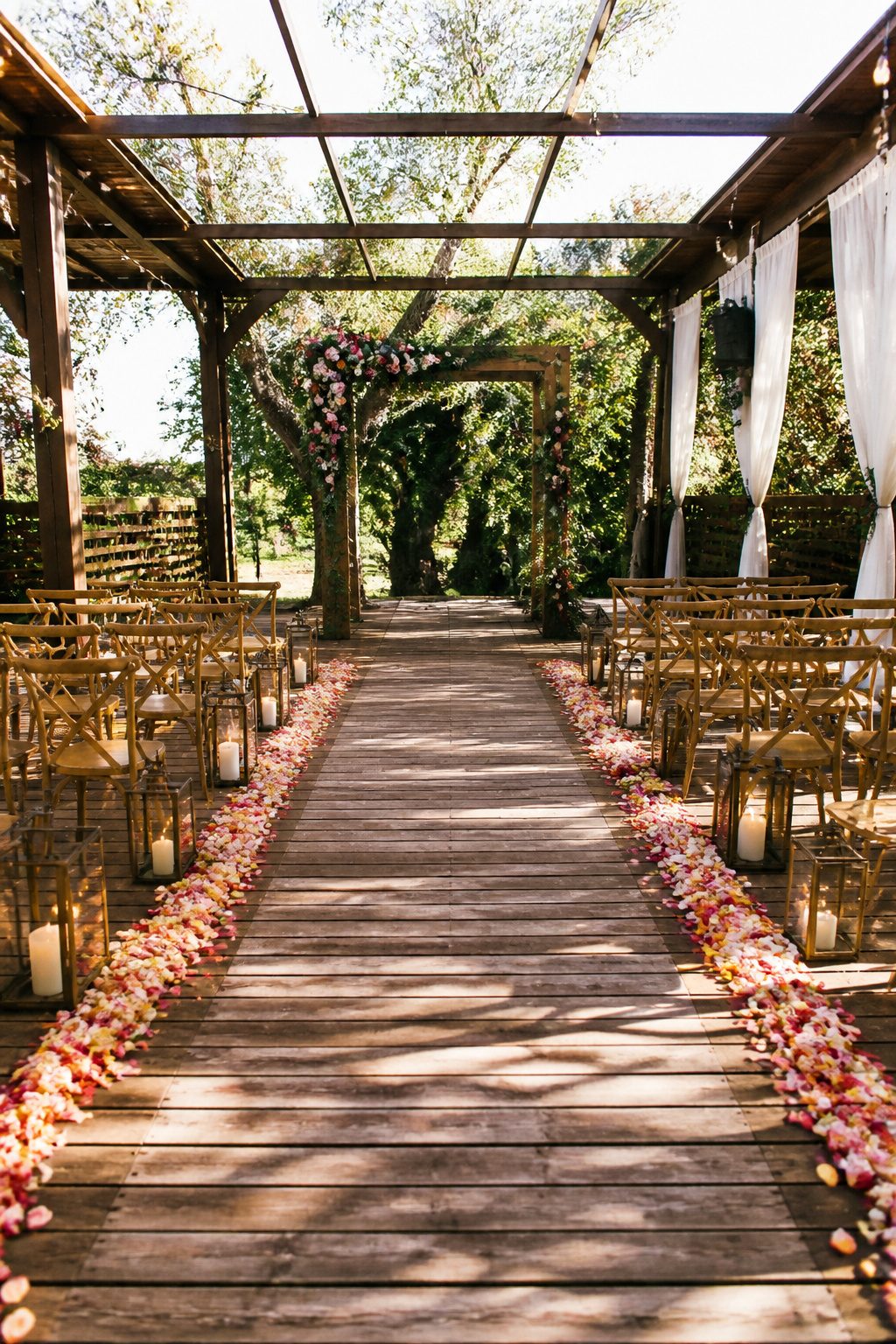
The aisle does more than get the bride to the arch. It sets the rhythm guests feel and the sightline every camera follows from the back row forward. Petal-lined aisles read romantic in photos but need a hard surface underneath; grass or loose gravel swallows petals whole and turns them to mulch under the first few guests’ shoes. Lanterns along the edge solve this for outdoor setups, giving the same guiding line without fighting the ground. Floral clusters on shepherd’s hooks or low pedestals work every other row rather than every row if the budget is tight; the photos still read full because the eye fills in the gaps. Petal cones hung from chairs or set on seats let guests participate, though half will forget to use them and the other half will overthrow the aisle entirely. For outdoor ceremonies, weighted bases or stakes matter more than the arrangement itself. A lantern that tips in a breeze becomes a fire hazard, not a feature. I have seen couples skip the runner on packed dirt only to watch heels sink and trip the procession. The surface dictates the treatment more than the vision board does.
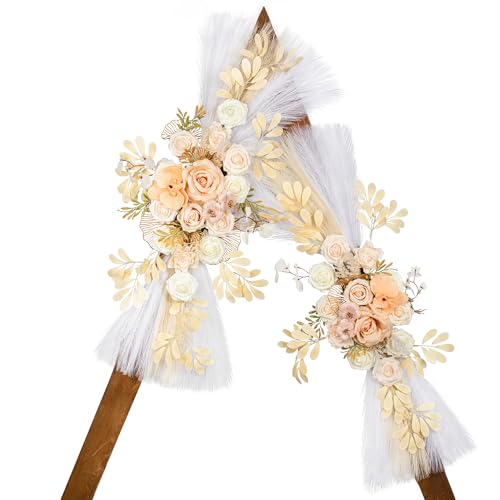
【ENLARGED 2 PCS SET】Includes 2 matching artificial flower swags, each measuring 37" x 15.7" (94 x 40 cm). The full-size arrangements add volume and layered detail to wedding arches, arbors, ceremony backdrops, and reception displays.

BOHO WEDDING DECOR: Elegant pampas grass swag in white, cream, and ivory tones perfect for rustic ceremony arches, bohemian backdrops, and romantic wedding decorations

Handmade with real dried pampas grass and natural botanical stems
3. Seating People Actually Want to Sit In
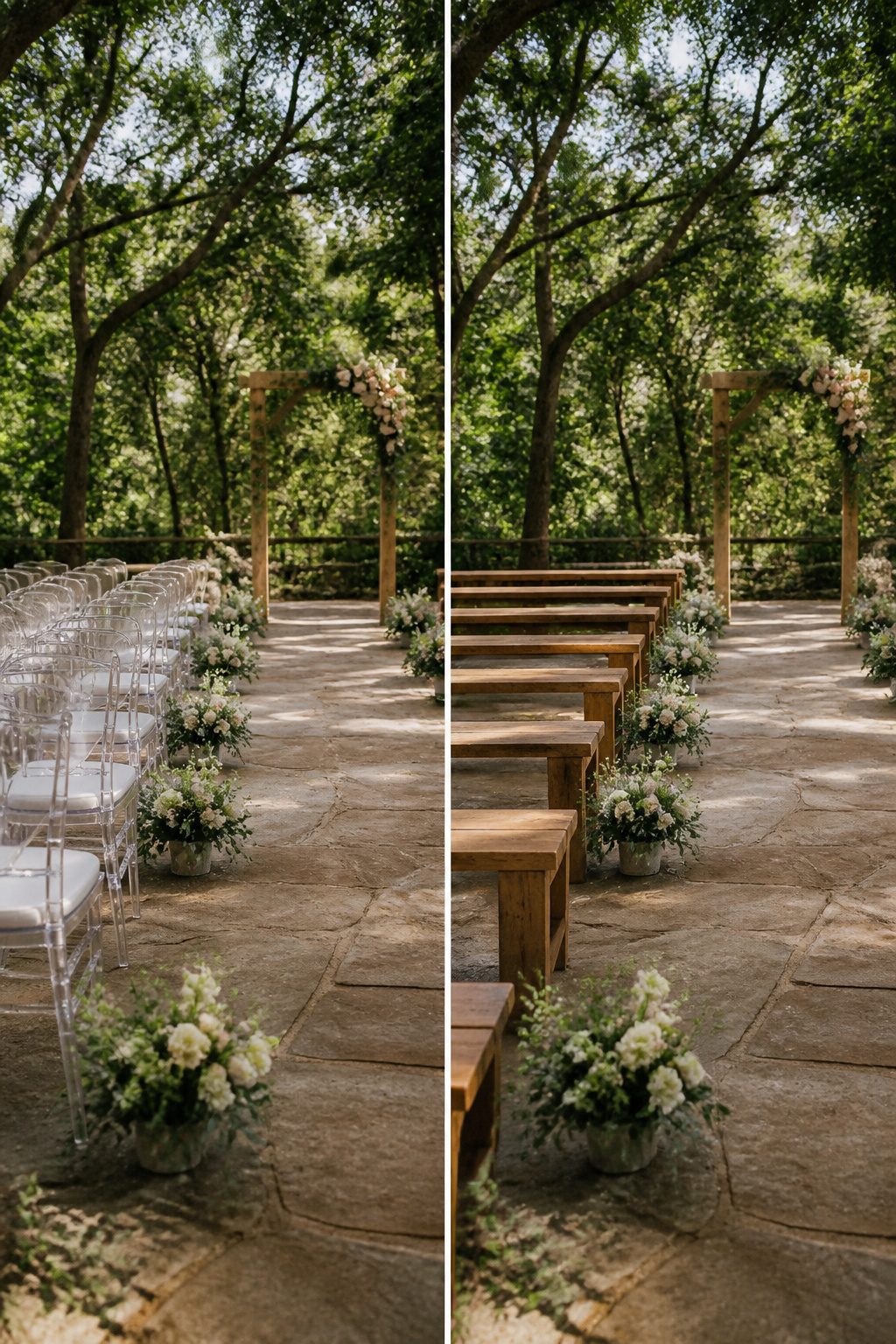
Ghost chairs and long wooden benches each solve a different problem for ceremony seating. The acrylic chairs disappear visually, which keeps a small space from feeling crowded, while benches bring guests closer together in a way that reads as intentional and casual rather than cramped. Mixing chair styles, colors, or materials adds character without demanding a large budget, though the look only works if the pieces share one common element, like scale or finish.
For a shorter ceremony, floor cushions create an intimate, unconventional layout. Guests will tolerate them for twenty minutes. Stretch that to forty and you will see people shifting, bracing on their hands, and losing focus on the vows. If the ceremony runs longer than half an hour, give guests backs to lean against.
Rental chairs typically cost more per piece than buying secondhand, but they arrive cleaned, stacked, and matched. Buying mismatched vintage seating means hunting, hauling, and often reupholstering. The break-even point depends on your local rental market and how much time you have before the deadline. One practical middle path: rent the main rows for comfort, source a few statement pieces secondhand for the front row or aisle ends, and move those same pieces to the reception as accent seating so they earn their keep twice.

Elegant Wedding Decor Set: enhance your special day with our wedding aisle decoration set, complete with 8 shepherd hooks and 8 LED candle lanterns; Ideal for creating a romantic pathway or illuminating a celebration space with elegance and charm

Elegant Wedding Decor Set: enhance your special day with our wedding aisle decoration set, complete with 8 shepherd hooks and 8 LED candle lanterns; Ideal for creating a romantic pathway or illuminating a celebration space with elegance and charm
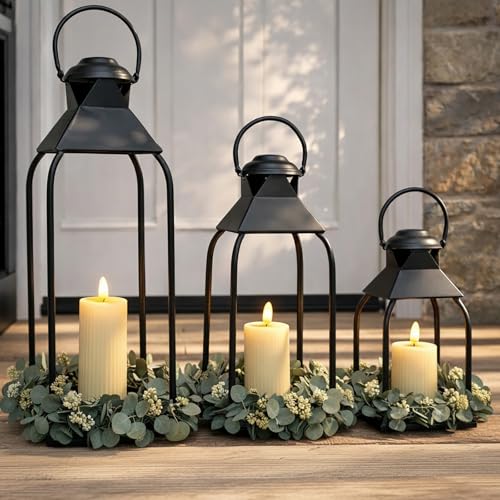
Decorative Lanterns: Ideal for wedding centerpieces, porch lantern decor, fall holiday displays, or Christmas events. These decorative lanterns suit both indoor and outdoor spaces — from fireplace mantels to patio tables
4. The Entryway First Impression
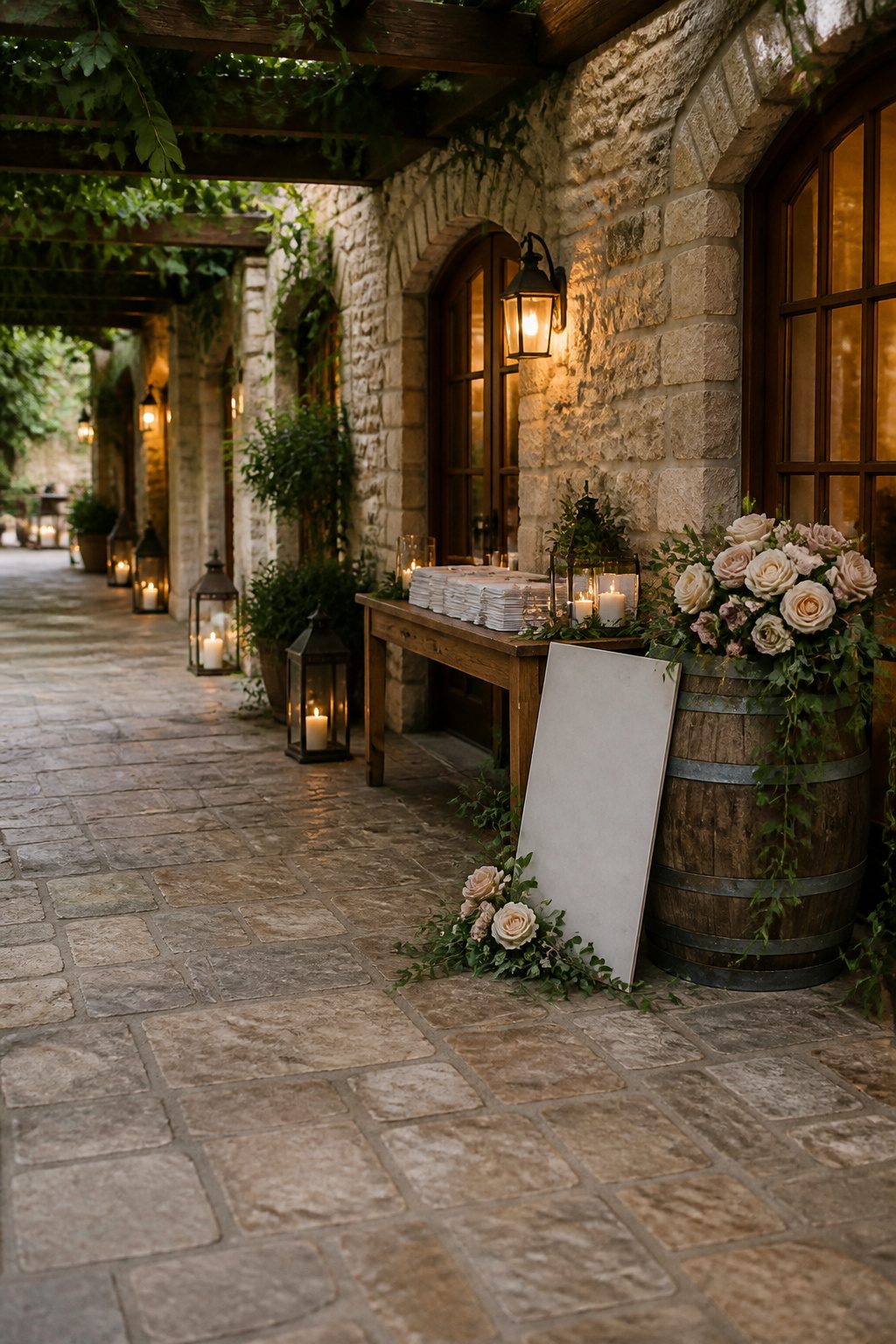
Guests form their impression of your wedding before they reach their seats. The entryway is where that impression gets made, and it is also where the Pinterest photos start.
A welcome sign propped on a foliage-draped easel, or leaning against a barrel with some florals tucked in, tells people they have arrived at the right celebration and sets the tone for what waits inside. Framed seating charts and welcome mirrors have become popular for a reason: they solve the practical problem of directing guests while giving them something to photograph before the ceremony even begins. Materials run from wood to acrylic to antique mirror, so the piece can match the feel you are building rather than fight it.
Floral installations or balloon arches at the entry frame the threshold and build anticipation for the main space. Lanterns, potted plants, or topiaries lining the path do the quieter version of the same work. The welcome table, if you use one, can hold programs, favors, or a seating chart, extending your palette onto paper and giving guests something to do with their hands while they wait. The programs handed out here are part of the decor, not an afterthought, and a printed stationery suite carried through from this point keeps the visual thread consistent all the way to the exit.
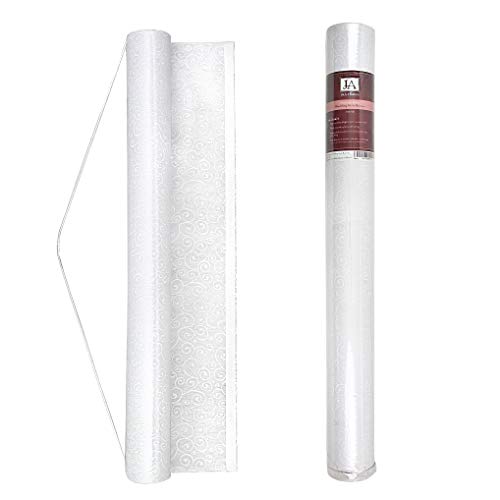
WHITE WEDDING AISLE RUNNER: Our beautiful white-colored aisle runner will add a touch of elegance to any wedding. The runner is made of a non-woven fabric and features a classic floral scroll pattern.
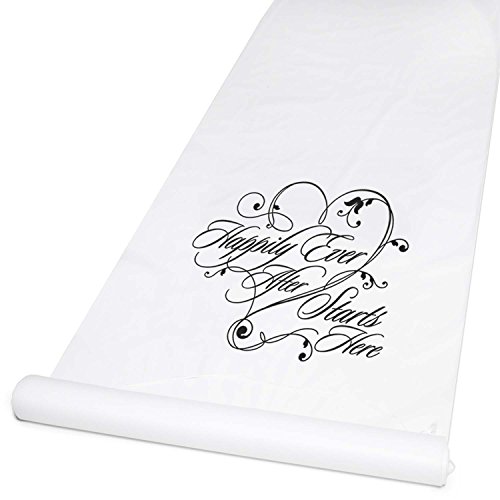
ELEGANT FAIRYTALE DESIGN: White aisle runner features words printed in black: Happily Ever After Starts Here

1 Polyester Song of Solomon Aisle Runner (3 ft. x 100 ft. Fabric is lightweight.)
5. Signage With a Job to Do
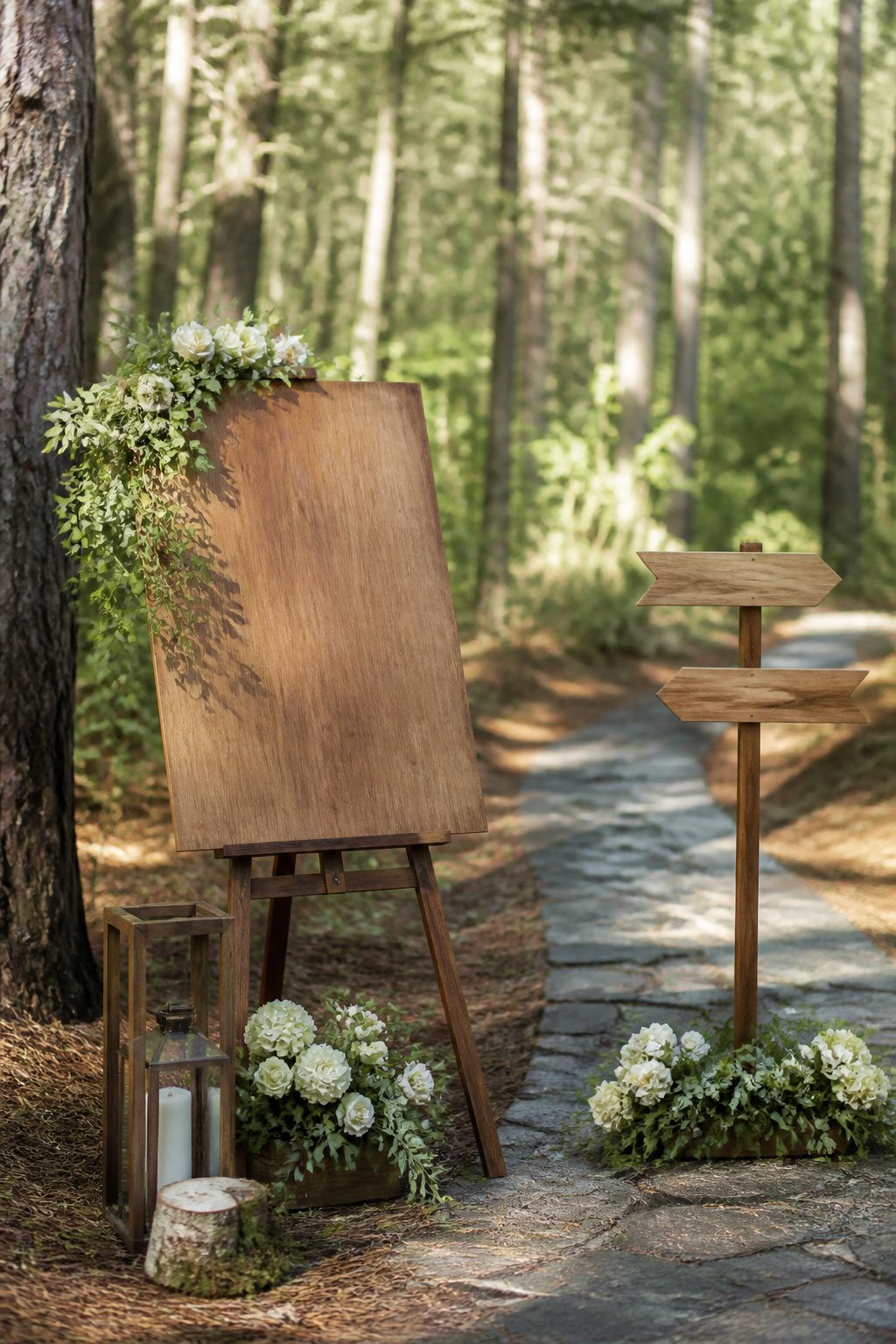
A welcome sign at the ceremony entrance does two jobs at once: it greets guests and it fills the visual gap before the arch or altar comes into view. Wood, acrylic, mirror, and chalkboard each read differently against that first impression. Timber leans rustic or garden; acrylic reads clean and modern; antique mirror catches light and doubles as a quick photo stop before guests take their seats.
Directional signs matter most on multi-venue properties where guests might wander toward the wrong garden or terrace. The same material choice should carry through so the signs read as intentional decor, not afterthoughts. A painted timber board pointing toward the ceremony and a matching one at the card table keeps the eye moving without clutter.
Ceremony programs left on seats or handed at the entrance become part of the visual field too. When they share the same material language as the welcome sign, even a simple folded paper feels designed in. The consistency is what turns practical items into decor that holds the whole look together.
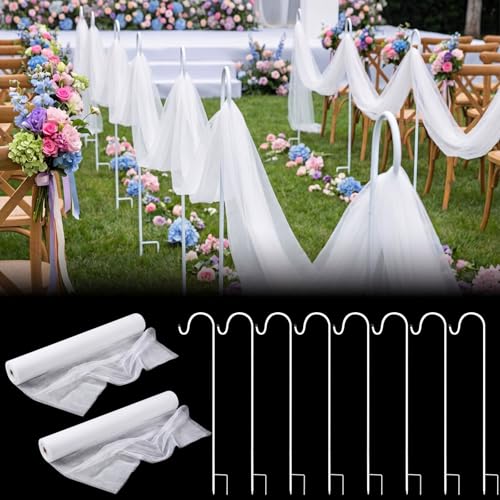
Complete Wedding Aisle Decoration Set: includes 8 white metal shepherd hooks and 2 rolls of white sheer draping fabric to create elegant wedding aisle decor; Ideal for lining ceremony aisles, framing walkways, decorating church pews, or enhancing wedding entrance decor with flowers, lanterns, or hanging accents

Elegant Wedding Decor Set: enhance your special day with our wedding aisle decoration set, complete with 8 shepherd hooks and 8 LED candle lanterns; Ideal for creating a romantic pathway or illuminating a celebration space with elegance and charm

Simple and Elegant Design: the set of 8 white lanterns emanate an elegant and peaceful atmosphere with their simple design and soft candle light; Its pure white appearance symbolizes purity and hope, which is very suitable for important occasions such as weddings; It can be integrated into any decorative style and become a distinctive highlight in the scene
6. Light as Decoration
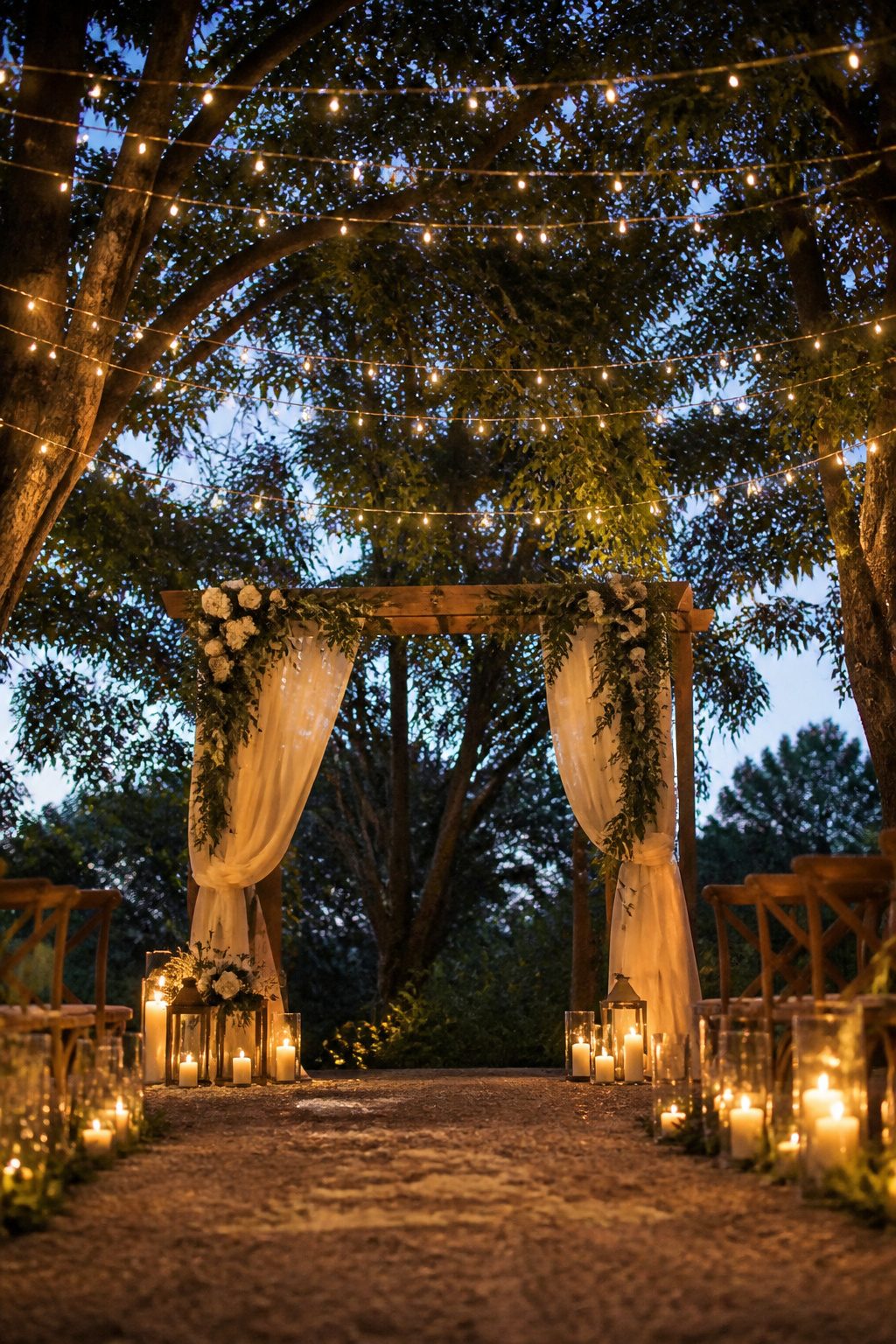
Light does more decorating than people credit it for, and it is where a modest budget quietly outperforms. A string of warm-white fairy lights overhead in a tent or between trees after dusk turns a plain rental space into something guests remember without a single flower added. I have seen ceremonies where the only decor above the aisle was light, and the photographs still carried weight.
Candles ask for more care than lights. Pillar candles clustered at the base of an arch or taper candles run down the ceremony table give the warm glow that LED versions imitate but rarely match. The trade is real: open flame means checking your venue’s policy and keeping a fire extinguisher within reach, plus assigning someone to light and watch them. Flameless candles remove that worry entirely for outdoor setups where wind is a factor, though the color temperature can read slightly cool in photos.
Uplighting against a wall or draped curtain behind the altar adds depth for surprisingly little rental cost. The mistake is using it alone; light works as a secondary layer paired with whatever structure you already have, arch or no arch. String lights, especially, go flat when they are the only element in the frame. Layer two sources, minimum, or the eye reads the room as unfinished.

Quantity:6 Pack Faux eucalyptus garland , Each pack with 134 Pcs large fake eucalyptus leaves, total 268 Pcs Eucalyptus Leaves,This eucalyptus garland has many branches,Looks very realistic and Three-dimensional.

Update Fake Lotus Flower Style:The flower heads and the stems are connected together, so don't worry about the flower heads falling off. And next to the lotus flower head,there are the artificial baby breath flowers.It is very different from the fake lotus flower on the market.
7. The Details That Read as Yours
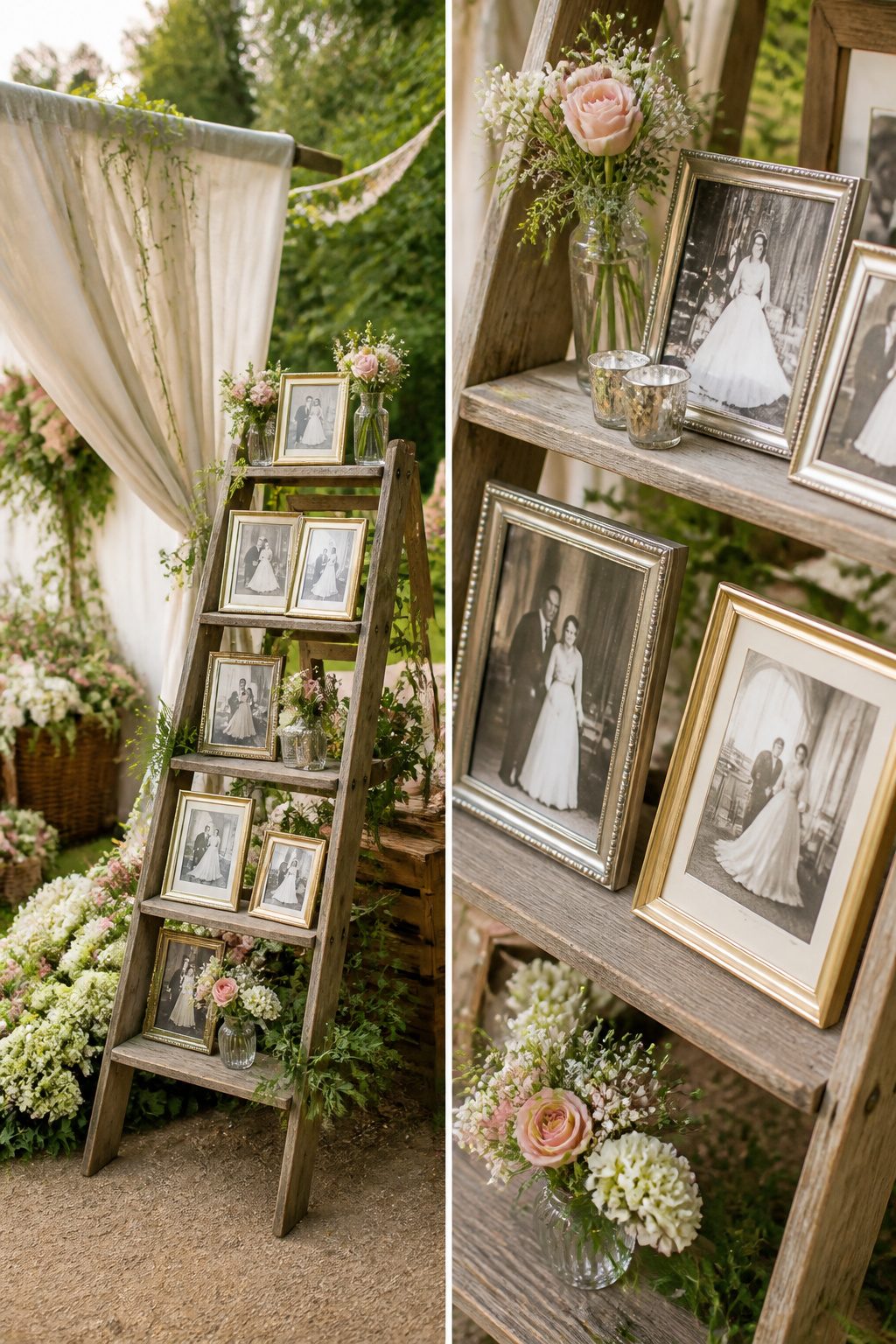
The details guests remember rarely cost much. A ladder turned sideways, propped near the ceremony entrance, holds framed family wedding photos going back a generation or two. No one lingers at a $4,000 arch the way they lean in to study a 1974 portrait and recognize the bride’s smile.
DIY ceremony programs double as fans in summer heat. A wooden dowel, a printed card, and five minutes with a glue gun. The guests who use them will talk about the gesture longer than they discuss your floral installation.
Heirloom objects carry weight out of proportion to their size. A grandmother’s handkerchief pinned to a bouquet, a set of ceramic place-card holders pulled from a parent’s attic. These items already hold stories; the ceremony borrows them rather than inventing sentiment.
Personalized notes at each seat, written to that specific guest, land harder than any generic favor. Mention the inside joke, the late-night advice, the time they drove three hours when your car broke down. The note costs nothing but an hour of writing and means more than anything in the welcome bag.
One warning from an outdoor summer wedding I planned: the paper programs worked beautifully until the humidity climbed past eighty degrees and the wooden dowels warped, leaving guests fanning themselves with limp, curling cardstock. Test your materials in the actual conditions, not the air-conditioned living room where you assemble them.

All-in-One DIY Kit: This pampas wall decor kit includes everything you need: 1 flower foam base, 5 artificial roses, 5 types of natural dried grasses, a hanging hook, and an detailed instruction manual. Easy to assemble in 3 steps–trim, insert, hang.

Natural Elegance – Made with real dried pampas grass, offering a soft texture and neutral colors that complement farmhouse, rustic, or boho-style décor.

Elegant Boho Decor: Create a stunning hookah set ambiance in your home with these premium quality white pampas grass stems. Perfect for adding a touch of elegance and a boho vibe to your living room, bedroom, or office decor for women.
8. Working a Theme Without a Costume Party
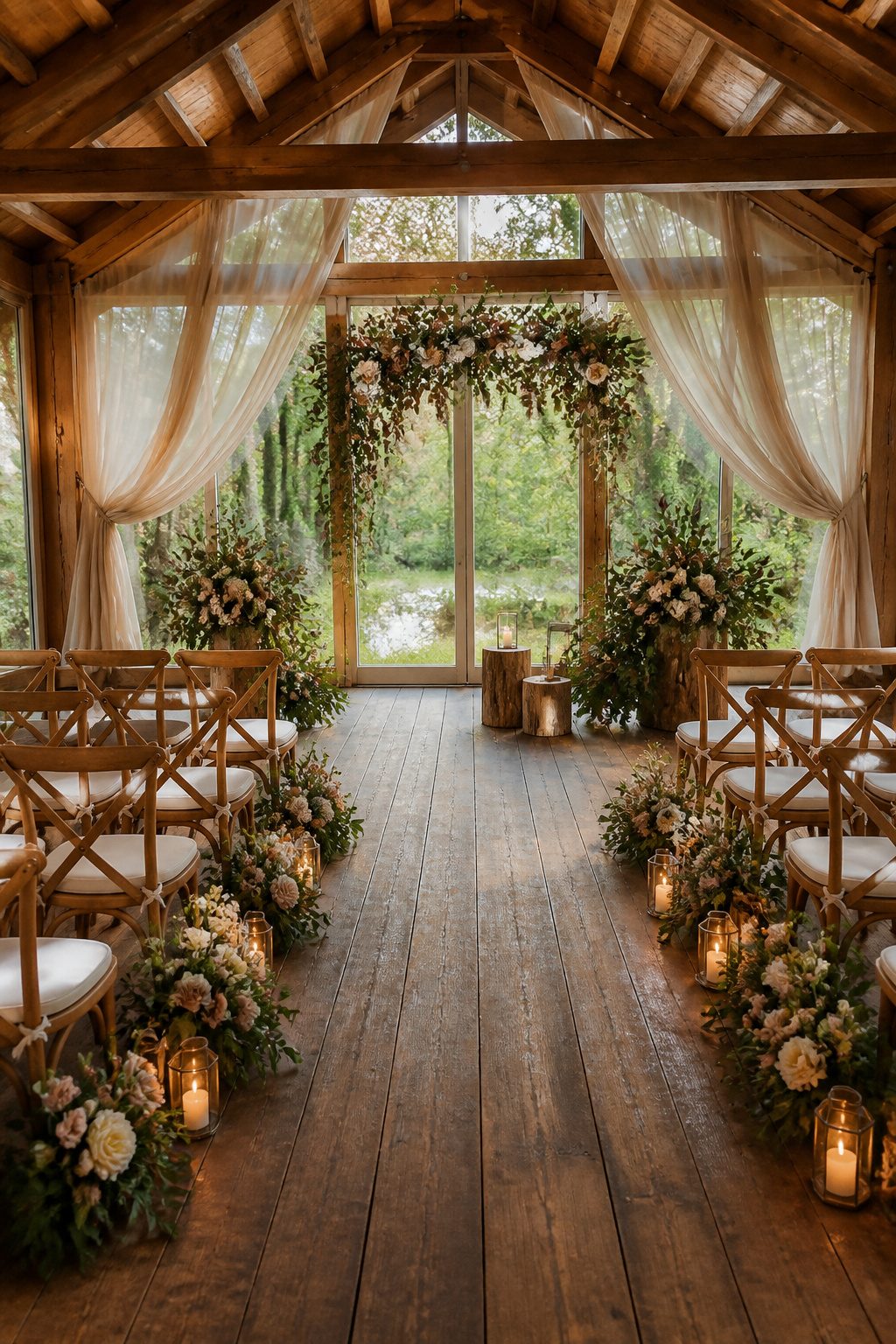
A wedding theme only works when the materials repeat themselves. Timber boards and wildflowers read rustic; acrylic and sculptural florals read modern. The problem arrives when a couple wants "a little of everything" and ends up with timber signs beside acrylic seating charts and lace table runners under geometric candle holders. Guests do not see eclectic charm. They see a garage sale.
Three materials, used consistently, will carry a whole ceremony. Choose timber, fabric, or acrylic for your signage and let that same material appear in your programs, your escort cards, your table numbers. The color palette does the rest of the work. Warm earthy tones belong with timber; neutral tones belong with acrylic and clean lines; muted pastels belong with fabric and soft romantic settings.
Vintage and modern can live together, but only when one leads. A modern vintage approach keeps antique frames or embroidered linens as accents while the larger pieces, the seating and the lighting, stay contemporary. Reverse that ratio and the vintage swallows the room. I have seen ceremonies where every surface held a different era and the couple looked like they had inherited someone else’s wedding entirely.
Commit early. Vendors need lead time to source matching pieces, and the rental inventory for a consistent look books out months ahead.

Sufficient Quantity: the set includes eight vintage white candle lanterns with large LED white porcelain pillar candles, which are realistic to create a vintage charm atmosphere, suitable for large events such as weddings, Christmas, etc

Decorative Lanterns: Ideal for wedding centerpieces, porch lantern decor, fall holiday displays, or Christmas events. These decorative lanterns suit both indoor and outdoor spaces — from fireplace mantels to patio tables

Decorative Lanterns Indoor & Outdoor: This set includes two white lanterns in two different sizes, creating a charming, layered display. These indoor decorative lanterns come with two flameless candles that cast a warm, inviting glow in your living room, dining area, or on your fireplace mantle. They also make beautiful fireplace decor and add a cozy touch to your Fall decor.
9. Moving Decor to the Reception
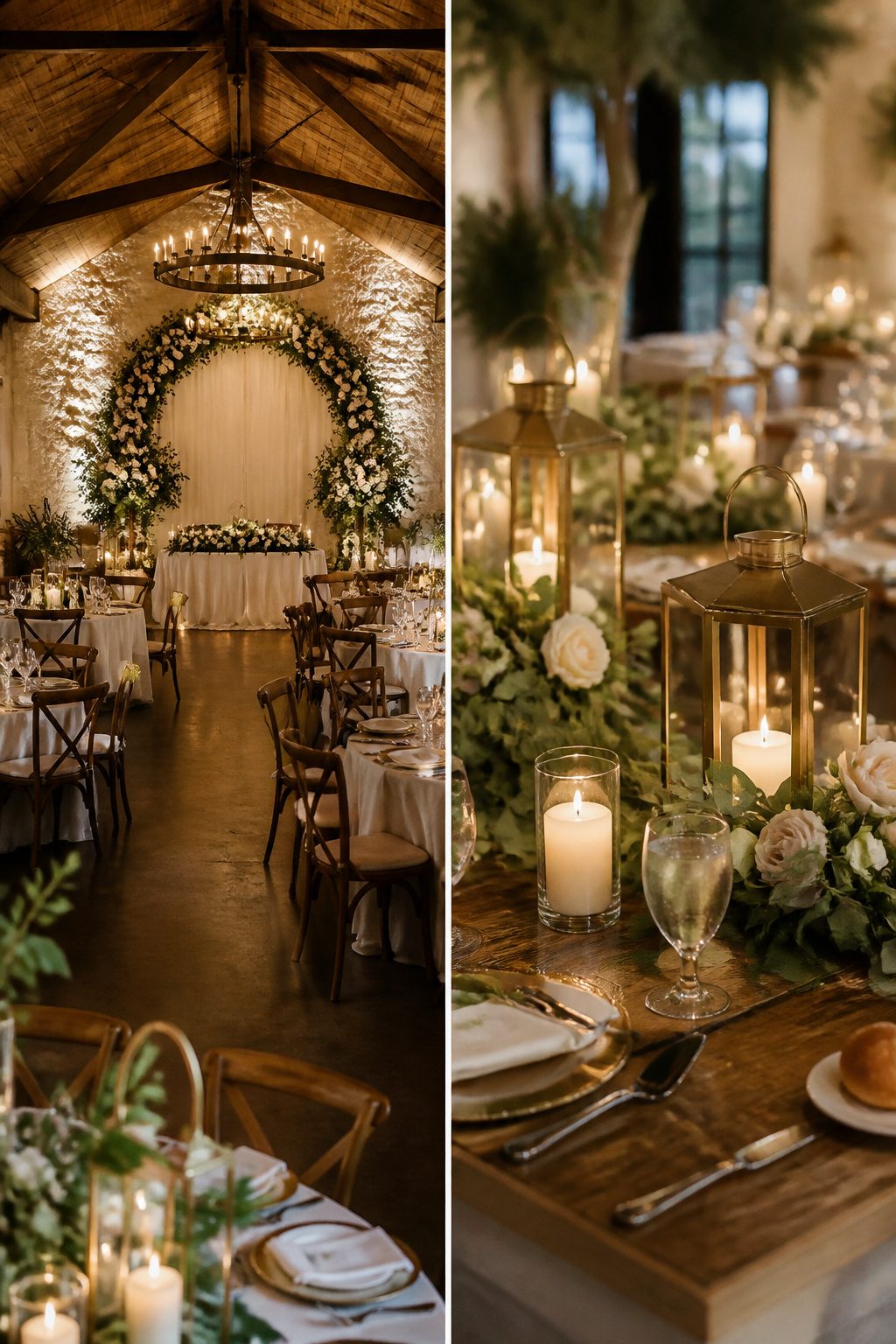
The arch you spent the most on does not have to clock out after twenty minutes. Moving ceremony flowers and structure to the reception can halve what you spend on florals, but only if you plan it like a production, not an afterthought.
Tell your florist upfront which pieces are traveling. An arch designed for portability breaks down differently than one built to stand in grass all day. Pedestal arrangements and aisle lanterns move cleanly; garlands and runners usually do not. At one wedding I planned, the ceremony plinths framing the aisle became the reception table centerpieces. Same flowers, second life, no extra order.
The gap that matters is cocktail hour. Someone specific, coordinator or trusted friend, needs a written list of what moves where. The arch tops the sweetheart table or backs the cake. Aisle markers land on guest tables or the bar. Without that handoff, flowers sit in a back hallway while the reception starts, and you paid twice for what you used once.
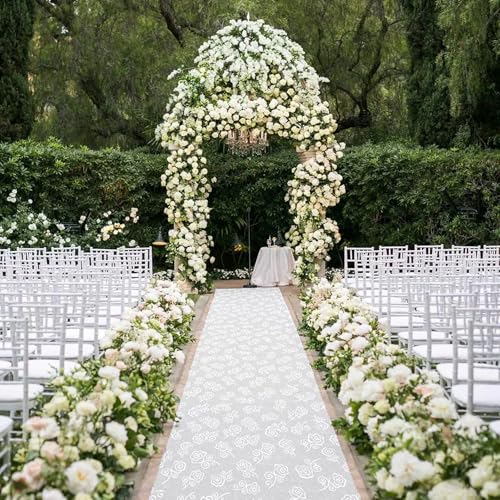
Applicable Scenario: Use this white aisle chute to create a romantic and elegant road in any church, banquet, beach, or grassland (If you need to use carpet on grass or soft ground, you will need to lay wood boards underneath)

Create stunning wedding atmosphere: Transform your ceremony with our elegant 3' x 100' white aisle runner featuring durable nylon construction for indoor outdoor venues including churches gardens beaches
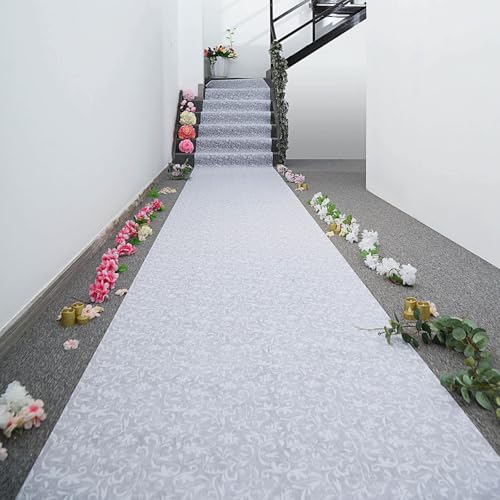
ELEGANT FLORAL LACE PATTERN: Features a delicate and sophisticated white floral lace pattern that adds a romantic, high-end feel to your wedding ceremony aisle, bridal shower, or grand event entrance.
What Seasonal Flowers Actually Cost
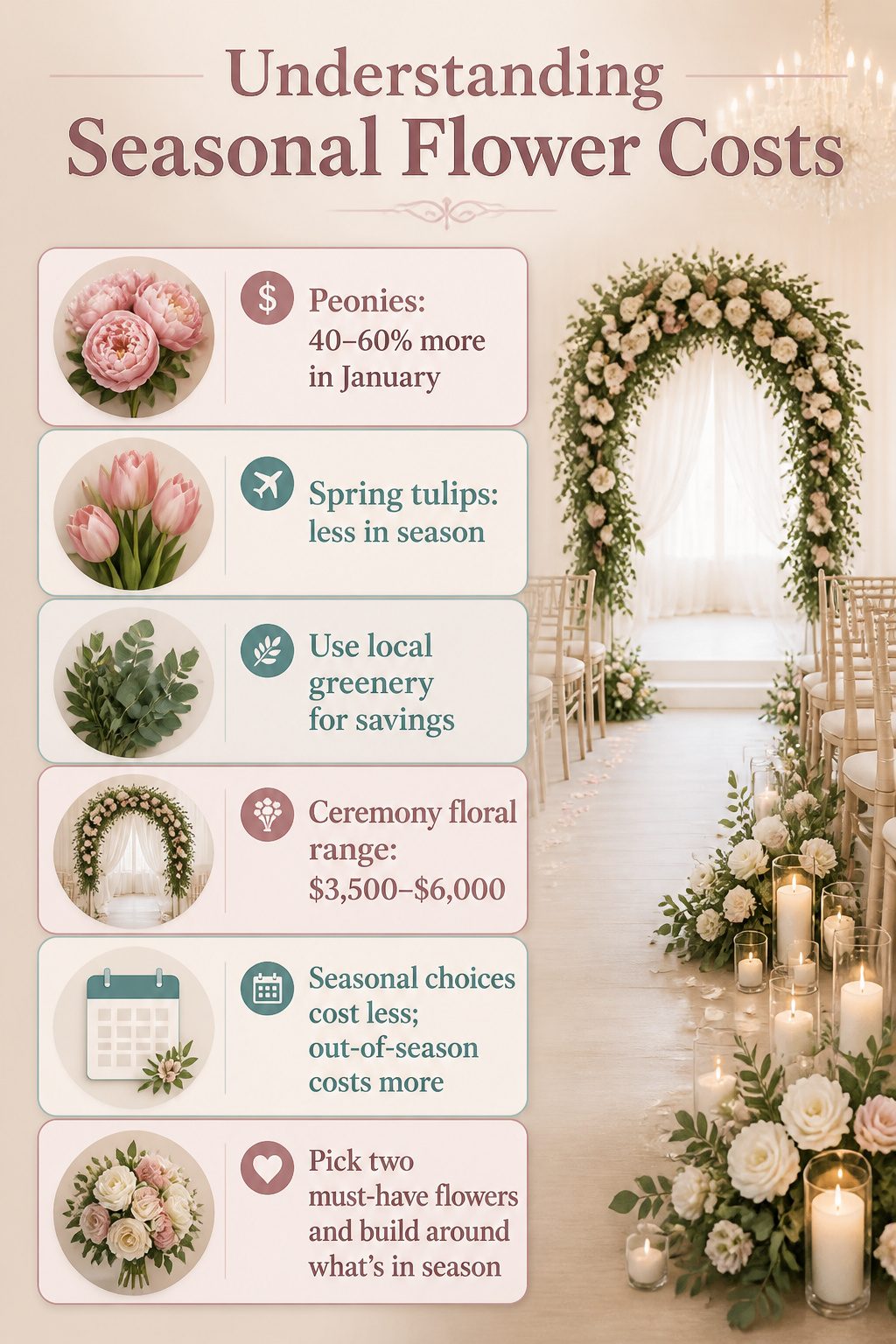
Peonies in January can cost 40–60% more than the same stems in May. That swing is real money on a ceremony floral bill, and it is the single easiest place to bleed budget without noticing.
Florists mark up out-of-season blooms for the freight and the forcing, not for greed. A spring tulip in August arrives by air, not truck, and the price lands on your invoice. The same arch draped with locally grown dahlias in August might run half what it would with flown-in garden roses in February. Greenery helps: eucalyptus and foliage stretch a bouquet without stretching the line item, and most greens stay reasonable year-round.
The overall ceremony floral range runs roughly $3,500–$6,000 for a full arch, aisle, and entry treatment. Seasonal choices sit at the lower end of that band; insisting on specific out-of-season stems pushes you toward the top or past it. My own read, after watching budgets tighten at the wrong moment: pick two must-have flowers, check their natural season against your date, and build the rest around what grows nearby then. The compromise shows nowhere in photos, but it shows in the final balance.

Comprehensive Wedding Aisle Decoration Kit: take the first step towards your dream wedding with our comprehensive wedding aisle decoration kit; The package includes 8 shepherd hooks, 8 16oz mason jars with matching metal hooks, and 8 rose daisy plant bouquets enabling you to create 8 unique sets of wedding aisle decorations; Make your special day even more memorable with our specially crafted wedding aisle decorations

Elegant Wedding Aisle Decoration Flowers: These wedding aisle decoration flowers are beautifully designed with white/ivory roses, small white flowers, artificial pearls, realistic greenery, gold leaves, and soft chiffon ribbons. Featuring rich layers, vibrant colors, and a natural drape, they add an elegant and romantic touch to the aisle. Perfect for creating a stunning ambiance at your ceremony, these wedding chair decor will make your wedding day even more special.
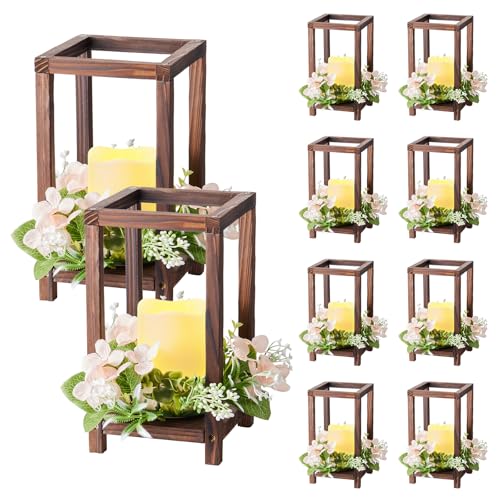
Aesthetic Design: This wooden wedding lantern features an artificial champagne wreath and LED candles for a warm, romantic glow. Crafted from a carbonized finish with a natural dark-brown wood grain, it is ideal for weddings, aisles, and table settings
DIY That Survives the Day
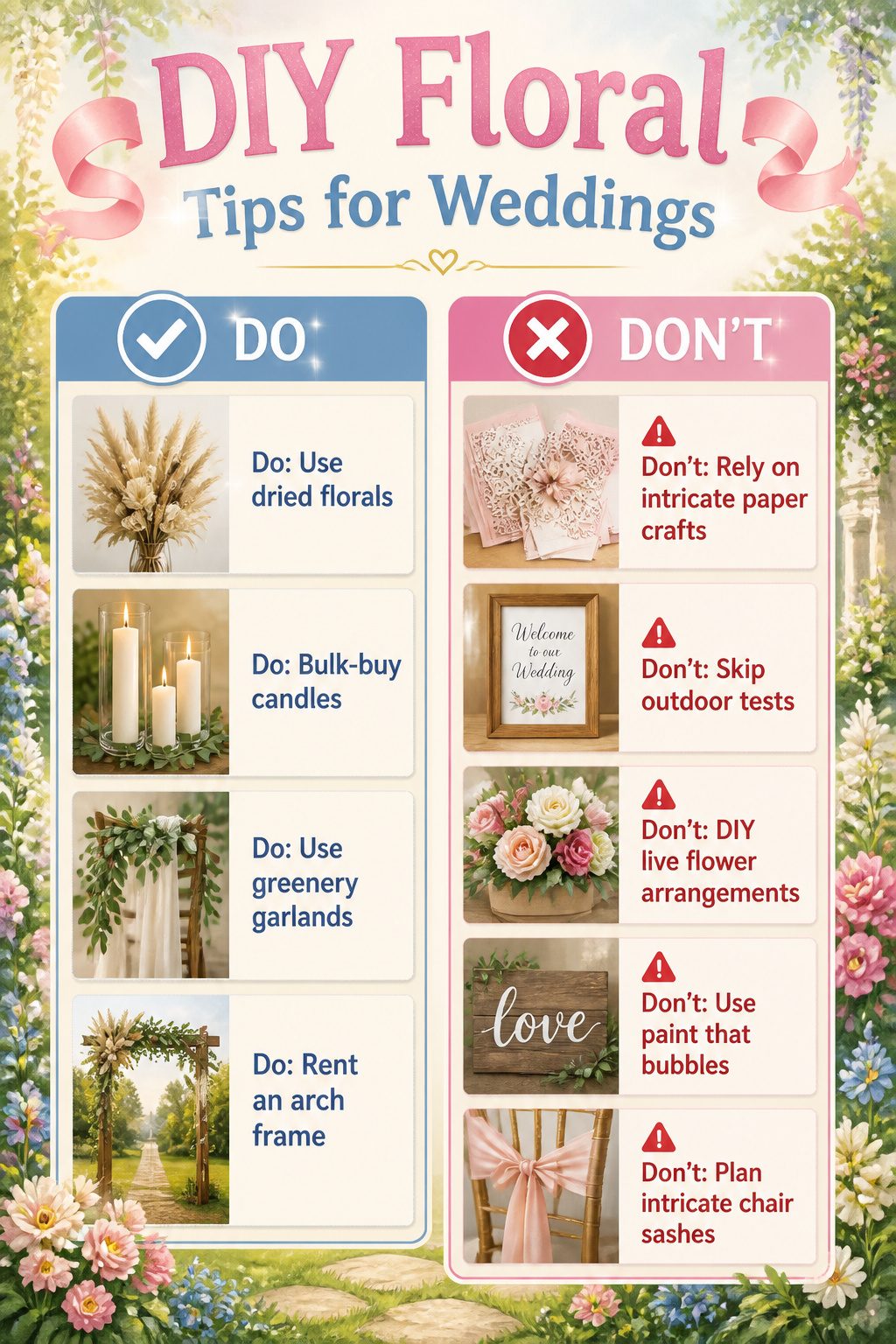
Some DIY projects hold up through a July ceremony in Missouri heat, and some wilt before the vows are over. Pampas grass and dried floral arrangements are the safest bets: no water, no wilting, and you can prep them weeks ahead. Greenery garlands for chair backs or entry arches work too, if you buy hardy varieties and mist them the morning of. Candles and lanterns are nearly foolproof, especially if you bulk-buy taper candles and rent hurricane holders rather than wrestling with open flames in a breeze.
The projects that collapse are usually the ones that sounded simple at 10 p.m. six weeks out. Homemade signs on painted timber boards or printed inserts in frames are manageable, but test them outside first: a frame that looks charming on your dining table turns invisible in full sun, and paint that dries in your garage can bubble by noon. Ribbon or fabric chair sashes are forgiving, since you can tie them the morning of, but anything involving live flowers you arranged yourself, intricate paper crafts, or glue-based construction is a bet against time and weather.
The real budget split matters here too. Under $1,000 means DIY greenery, candles, and pampas grass with a rented arch frame. If you are spending $1,000 to $3,000, pay a vendor for arch florals and hero pieces, then handle aisle markers and entryway yourself. The mistake is trying to split the difference on a project that needs professional speed: a florist can anchor an arch in ninety minutes, but your first attempt will take four hours you do not have.
When Tradition Changes the Setup
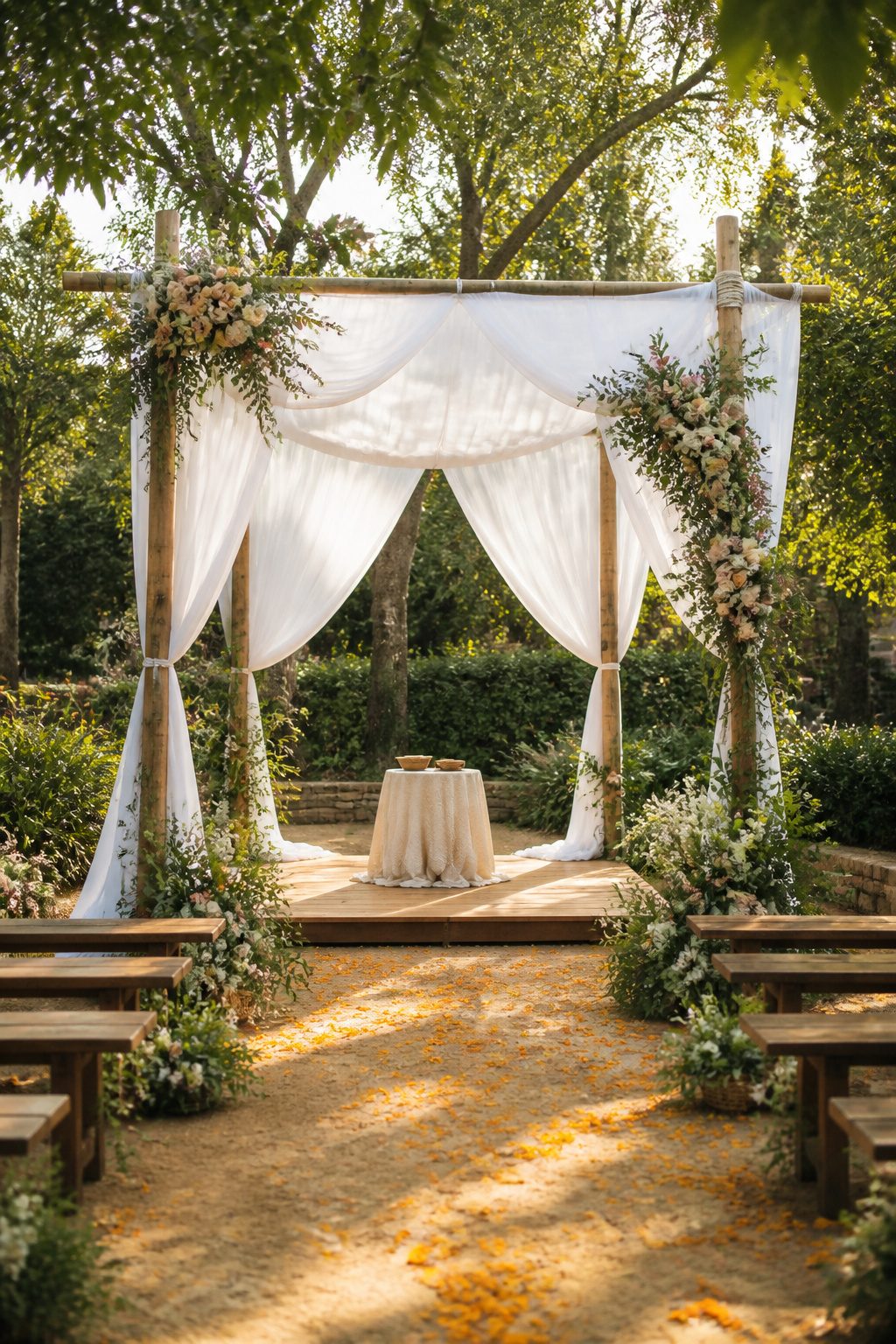
Some wedding ceremony decoration ideas hit a hard stop when tradition enters the room. A chuppah is not an arch with a Jewish label; it needs four open sides and a cloth roof, and the structure itself carries meaning that no Pinterest mood board overrides. The same holds for a Hindu mandap, which is essentially a temporary pavilion with four pillars and a canopy, often requiring specific orientations toward cardinal directions or sacred fire placement.
What convinced me, reading through how couples handle this, is that the negotiation happens in the details. Flowers around a chuppah can shift with the season and your palette, but the cloth top stays. Mandap pillars might be wrapped in marigolds, jasmine, or fabric in your colors, yet the fire vessel location and the couple’s seated arrangement during rituals are fixed. The personal style lives in what surrounds the structure, not in the structure itself.
Florists who regularly work multicultural weddings tend to know which priests or officiants are flexible about, say, aisle width, and which treat it as non-negotiable. That phone call, made early, saves the cost of a full redesign later.
Rent or Buy: A Short Guide
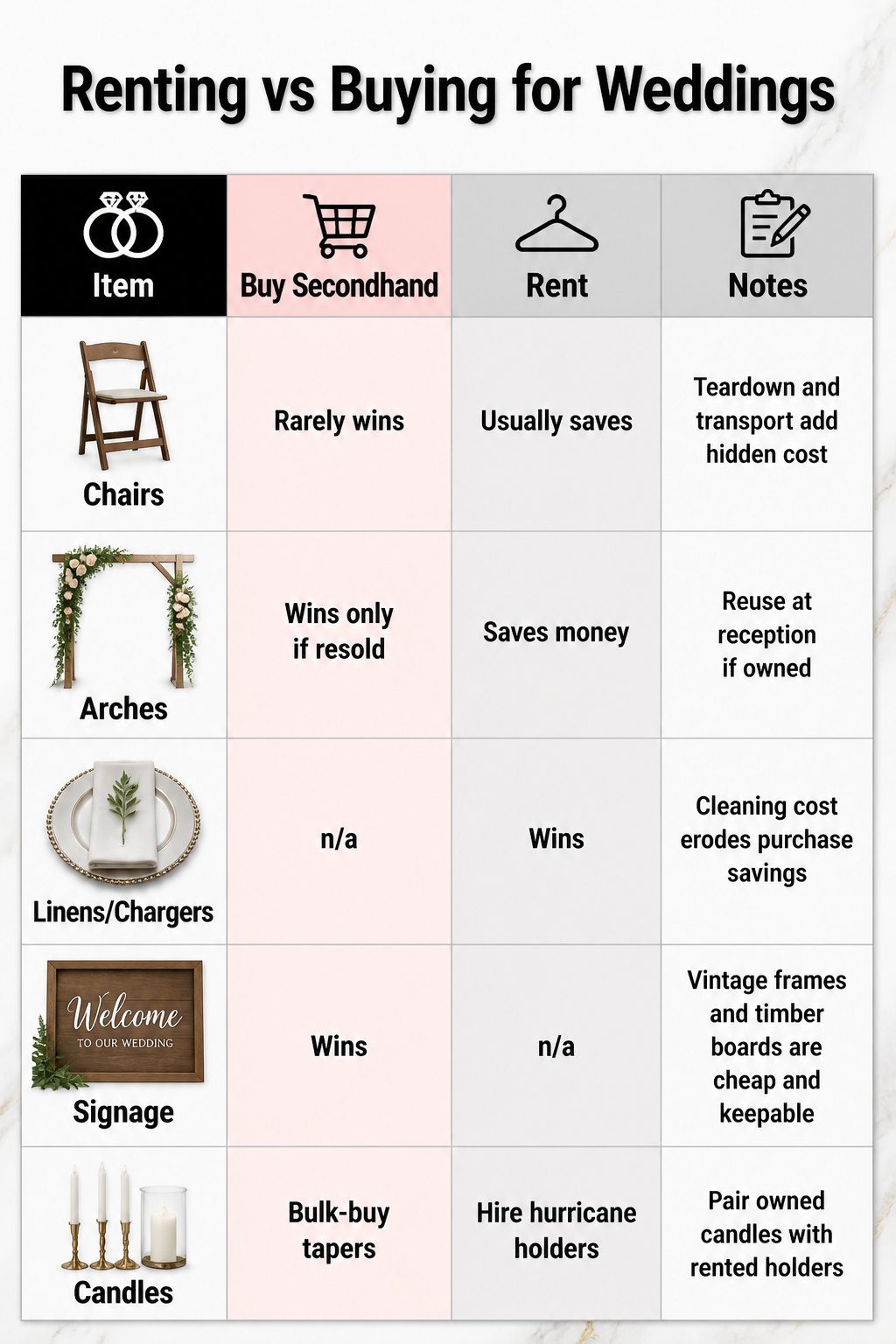
The first place couples usually overspend is on items they could have rented and returned. Chairs are the clearest example: a hundred wooden folding seats or antique mismatched pieces look beautiful in photos, but rental saves the teardown and the storage puzzle that follows. Arches follow the same math unless you have a concrete plan to resell or reuse the structure at home. Linens and charger plates almost always favor rental; the cleaning cost alone wipes out any purchase savings.
Signage is where buying secondhand wins. Vintage frames and painted timber boards turn up at estate sales and thrift shops for a few dollars, and they work without the rental return deadline. The same holds for dried floral arrangements and pampas grass, which need no water and can be prepped weeks ahead.
| Item | Buy Secondhand | Rent | Notes |
|---|---|---|---|
| Chairs | Rarely wins | Usually saves | Teardown and transport add hidden cost |
| Arches | Wins only if resold | Saves money and cleanup | Reuse at reception if owned |
| Linens/Chargers | n/a | Wins | Cleaning cost erodes purchase savings |
| Signage | Wins | n/a | Vintage frames and timber boards are cheap and keepable |
| Candles | Bulk-buy tapers | Hire hurricane holders | Pair owned candles with rented holders |
Move ceremony florals to the reception if you bought or arranged them yourself; rental contracts sometimes prohibit relocating their pieces. Potted plants and living greenery go home with guests either way, which stretches the value without stretching the budget.
Packing Up: The End-of-Night Reality
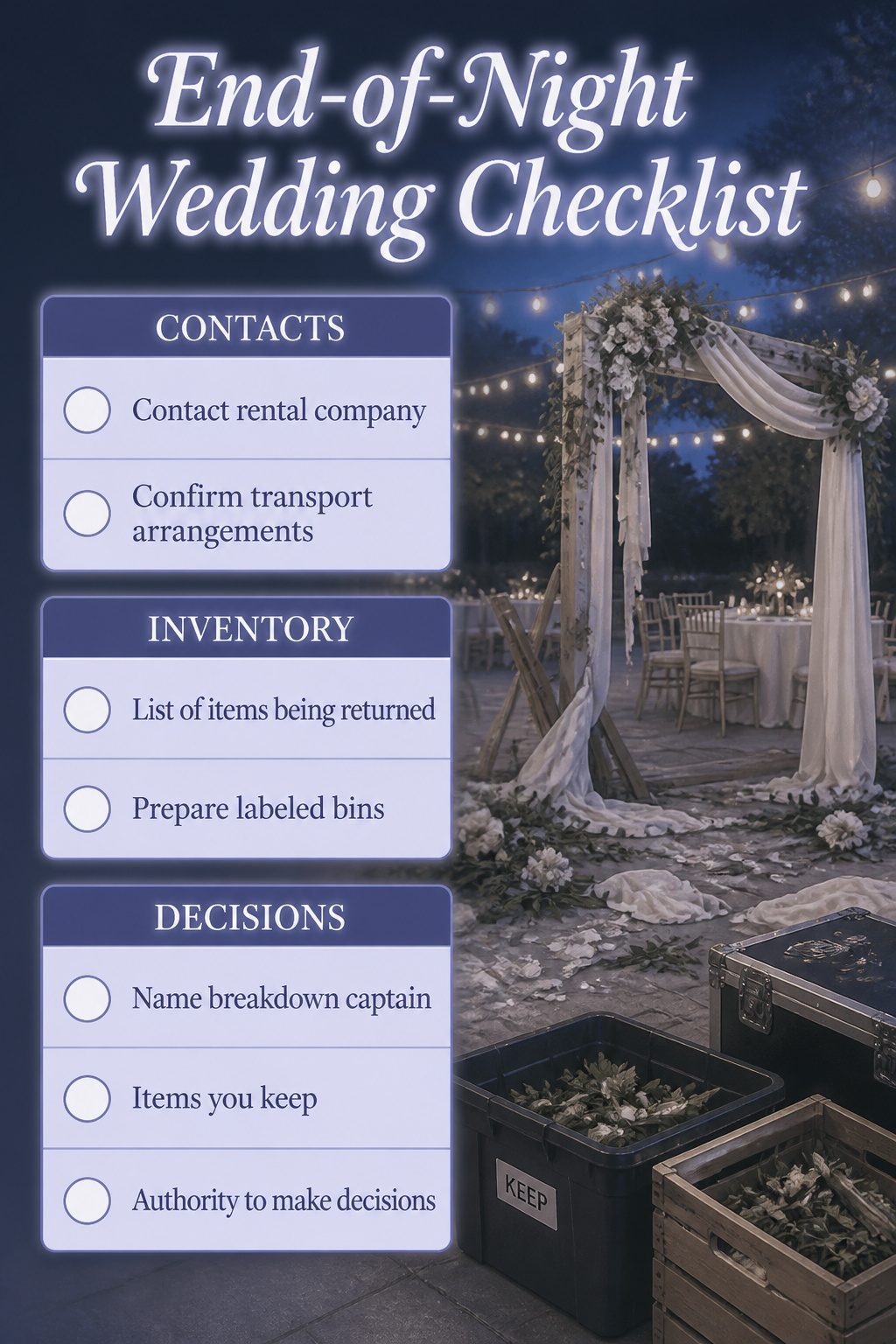
The arch looks different at 10:30 p.m. than it did at 4:00, and someone has to decide what happens to it now. Most rental contracts specify same-night breakdown, which means the floral foam, the draping, and the structural pieces all need to come apart and go back into their crates before the truck leaves. That labor is rarely included in the rental fee, and it is rarely assigned to anyone in particular.
I have watched couples assume the venue staff will handle it, or that the rental company sends a crew, or that guests will pitch in. None of those assumptions reliably hold. The venue’s job is cleanup, not disassembly of items you brought in. The rental company’s job is pickup, not packing. Guests want to hug you and go home.
The practical move is naming a breakdown captain before the wedding, the same way you name a point person for the rings or the marriage license. That person needs the rental company’s contact sheet, a list of what gets returned versus what you own, and the authority to make decisions when you are already at the hotel. The items you keep, your personal decor, need a labeled bin and a car to ride in. Without that, your ceremony arch becomes lawn furniture at midnight, and the clock on your rental return keeps running.
Frequently Asked Questions
How can I decorate my wedding ceremony?
Focus on five zones that deliver the most impact: the arch or altar, the aisle, seating, entryway, and signage. Florals typically eat 40 to 60 percent of decor budgets, so mix in greenery, dried arrangements, and lighting to stretch what you spend. Move ceremony pieces to the reception after the vows, and your arch florals work twice for the same price.
What are some budget-friendly wedding ceremony decoration ideas?
Stick to DIY greenery, candles, and pampas grass with a rented arch frame to stay under $1,000. Go mid-range at $1,000 to $3,000 by hiring a vendor for arch florals and hero pieces while handling aisle markers and entryway yourself. Rent chairs, linens, and charger plates instead of buying, choose in-season local flowers, and always move ceremony arrangements to the reception so they earn their keep twice.
How do I incorporate personal touches into my wedding ceremony decor?
Prop a ladder sideways near the entrance and stack framed family wedding photos across generations. Pin a grandmother’s handkerchief to the bouquet, pull ceramic place-card holders from a parent’s attic, or write individual notes to each guest mentioning the inside jokes and favors they’ve done for you. These borrowed stories hit harder than anything invented for the day.