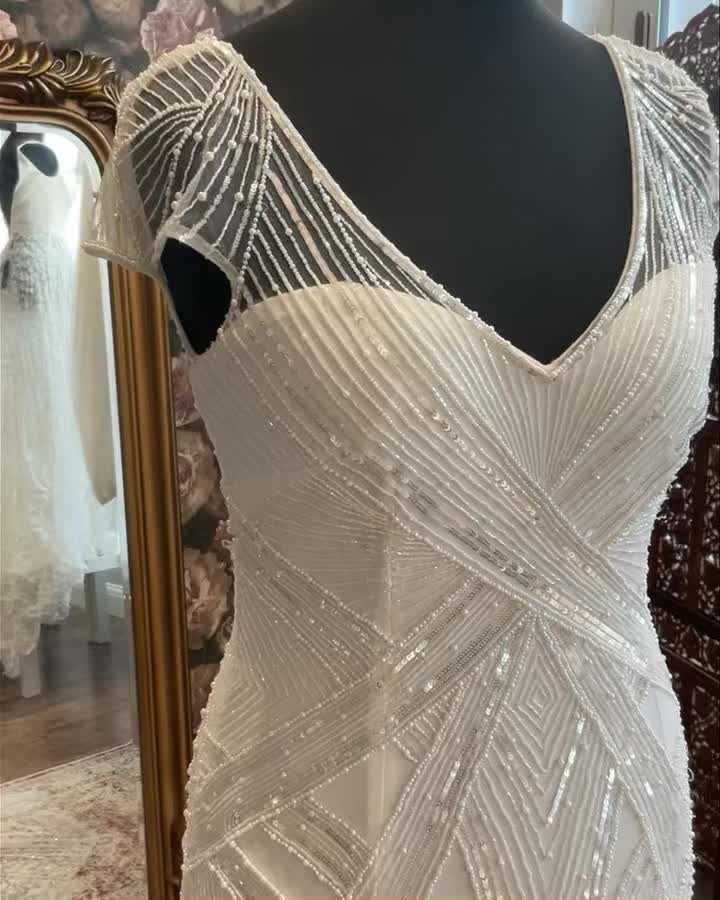
An Art Deco wedding dress can run from a simple V-neck in quality fabric with minimal trim to a fully beaded column gown with a shimmering metallic train and matching choker.
The right choice depends on how literal you want the 1920s reference to be, because a flutter sleeve with fringe reads unmistakably Gatsby while scalloped lace edges soften the same era into something less severe.
One detail to check in person is how geometric beadwork behaves under dim reception light; some pieces stay vivid and others disappear.
1. Geometric Beadwork
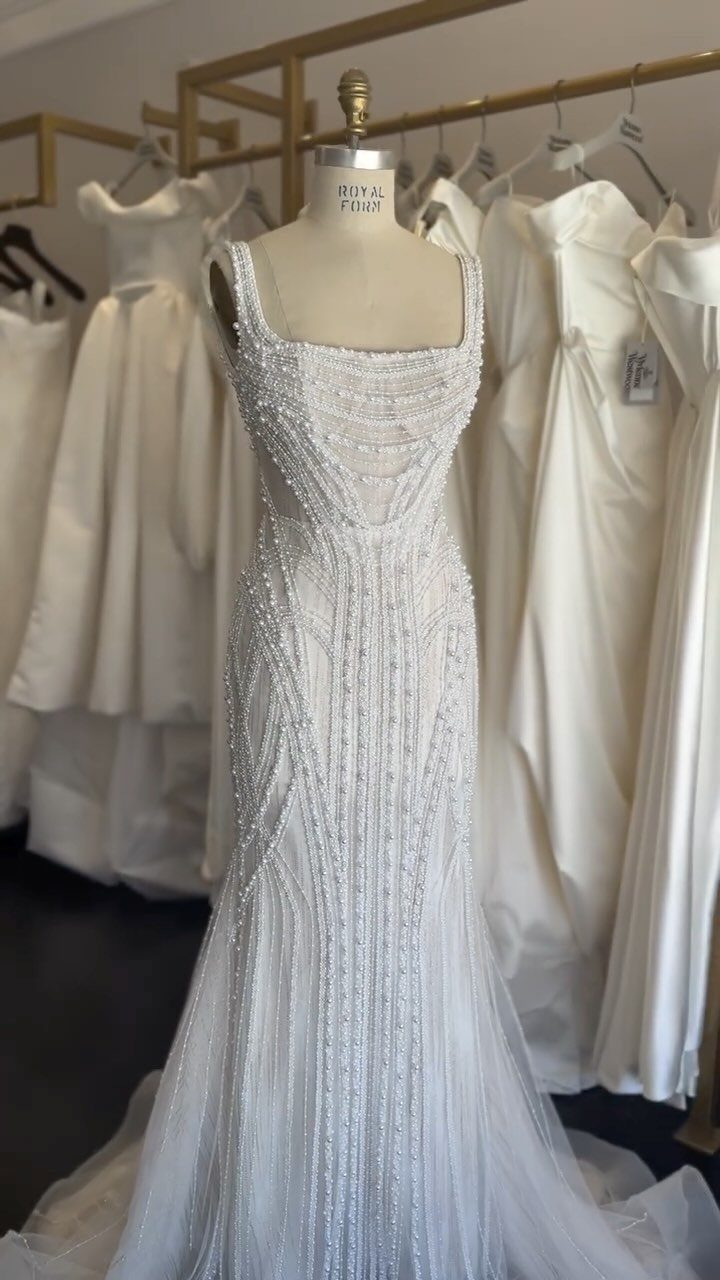
Silver or gold beads laid in sharp angles and repeating shapes turn a plain white gown into something that reads 1920s without needing a history lesson.
I have seen this done with linear patterns running down a sleeveless bodice and continuing onto a flowing skirt, and the effect is richer in person than in photos because the beads catch light differently at every step.
If you are shopping for this, ask to see the gown under dim light as well as bright; some geometric work disappears in a dark reception hall, while other pieces stay vivid.
A sheer capelet with vertical silver embroidery over a simpler A-line is one way to get the look without wearing full bead weight all night.

Create a high impact look at your next formal event when you choose this beautiful, beaded evening dress

TIMELESS GLAMOUR: Dazzle when you step into any room with this beaded evening gown, featuring intricate beading across the sheer crew neckline and back, and down the classic short sleeves – finished with a satin waistband for an added touch of glam.

2016 Ready elegant Prom dresses,Flapper costume Fancy Makeup,Halloween Costumes,Xmas,Thanksgiving,Christmas
2. V-Neckline
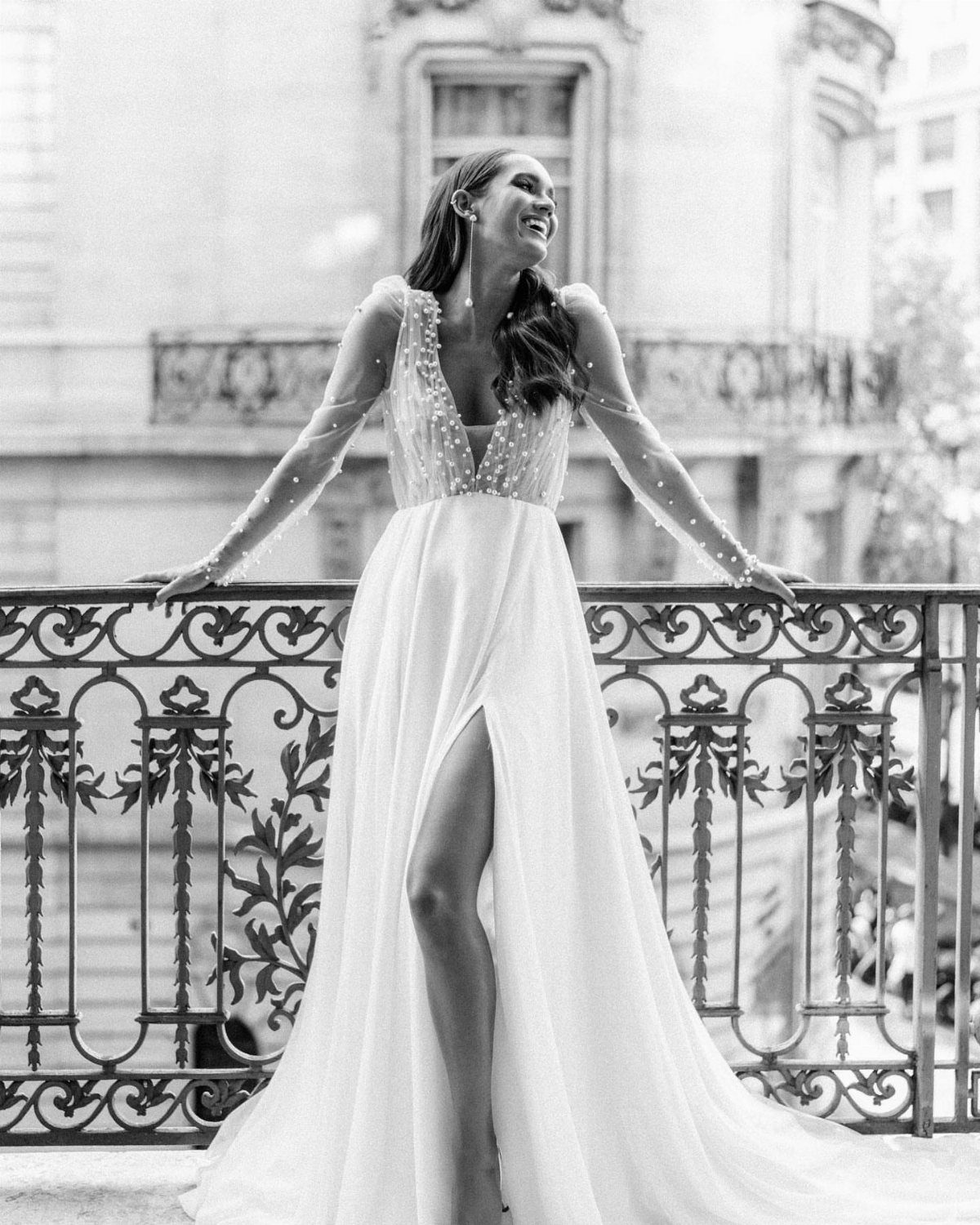
A V-neck on an Art Deco gown does the same work it does on any dress, drawing the eye upward, but here it also creates a natural frame for the beadwork and draping that define the style.
The ones I have liked best pair the neckline with a cowl or draped bodice in silk or satin, so the fabric does some of the talking while the beads do the rest.
Pearl embellishment along the edge is a common choice and one I would check for comfort against bare skin during a long day.
For brides working with a modest budget, a simple V-neck in a quality fabric with minimal trim can read just as vintage as a fully beaded piece, especially with the right accessories.

Size: Please check Our Size Chart before you placed the order,if you have any problems,please contact us.

【Feature】Feather hem sways softly with every move, creating a light, dreamy silhouette. Beaded corset bodice with pearl straps, deep V illusion neckline, and adjustable Beaded-up back for a perfect fit

Size Attention: Please choose your size based on our size guide to ensure accurate measurements and a perfect fit before ordering
3. Flutter Sleeves
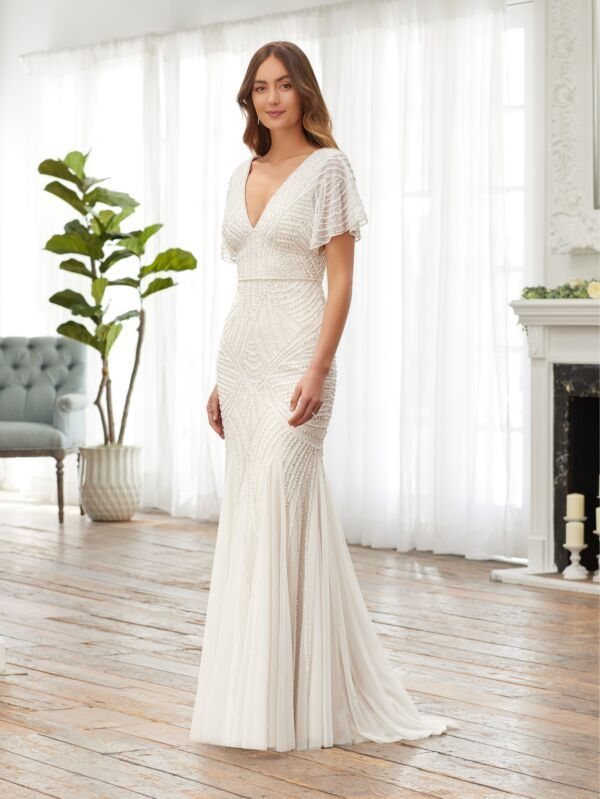
Sheer flutter sleeves add movement without bulk, which matters if you are carrying any weight in your arms or simply want to stay cool through a summer ceremony.
The versions I have seen in this style use the sleeve as a frame for geometric beadwork or lace, so the arm becomes part of the dress’s overall pattern rather than an afterthought.
A champagne mermaid gown with flutter sleeves and a deep V-neckline is one cut that works well for plus-size brides; the sleeve balances the shoulder while the neckline lengthens the torso.
For a more literal 1920s feel, pair the sleeves with long satin opera gloves and a crystal headband, though I would try the full combination on before committing; too many delicate pieces together can look costume rather than bridal.

Fabric:The top of see-through soft lace, and the skirt is skin-friendly chiffon, bring you a comfortable feeling. Features:Special Hatlter design, lace and chiffon...
4. Mermaid Silhouette
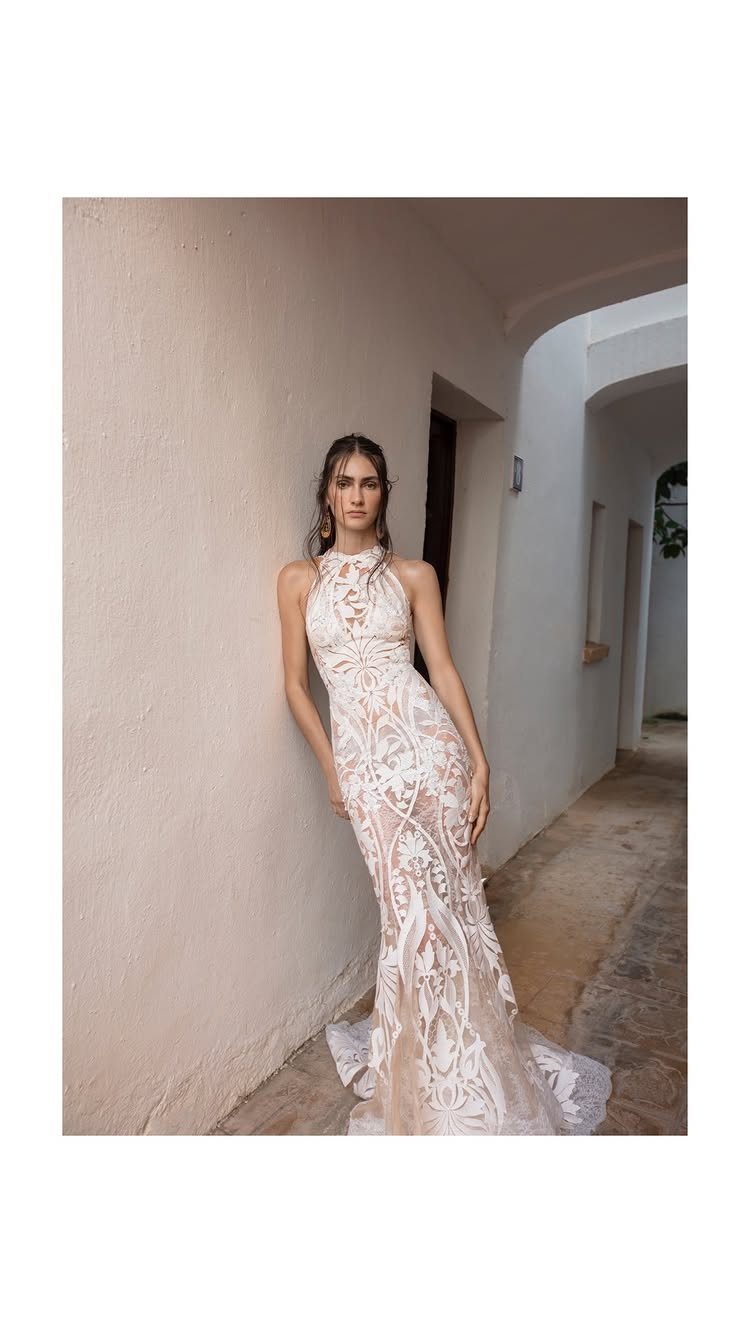
The mermaid cut flares at the knee, and in Art Deco styling that flare often carries the same geometric beadwork or sequin patterns that run down the fitted bodice.
Cotton lace with silver decoration pulls from later Art Deco revival rather than the period directly; the result feels slightly less literal and easier to wear if you are not aiming for full Gatsby.
A matching lace cape with fringe is an option that shows up with some versions, and I would consider it separately from the gown rather than as a package deal.
The cape adds coverage for a church ceremony but can fight with the silhouette in photos; try both ways during a fitting and have someone photograph you from the side.

Vintage 1920s ong Bias Cut Sleeveless Dress With Flutter Sleeves/ 20s Art Deco Flapper Dress Bow

Elegant Prom dresses,Flapper costume Outfit Fancy Makeup,Halloween Costumes,Xmas,Thanksgiving,Christmas,New year Eve

Vintage 1920s ong Bias Cut Sleeveless Dress With Flutter Sleeves/ 20s Art Deco Flapper Dress Bow
5. Intricate Embroidery
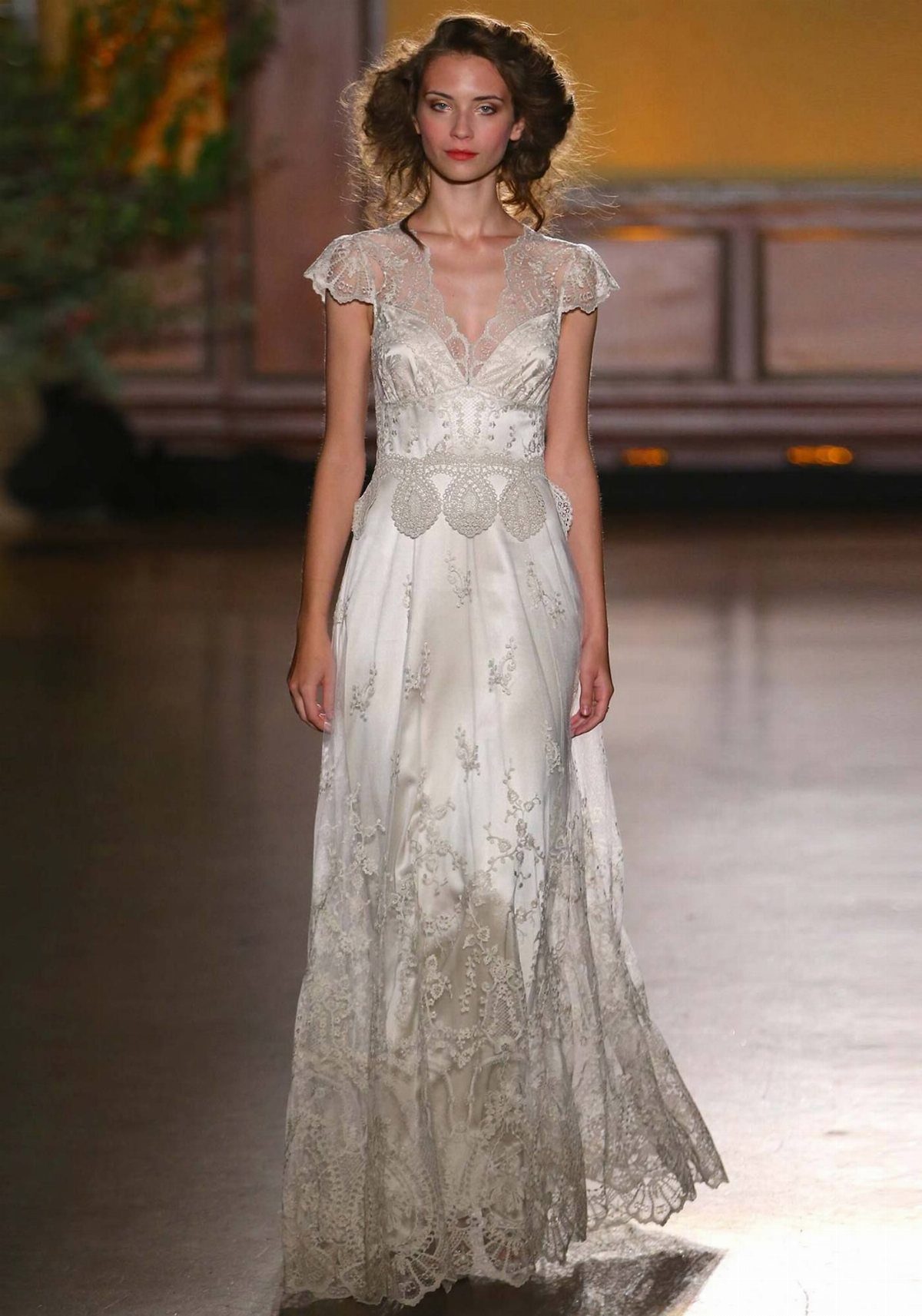
Embroidery on these gowns mixes floral work with geometric shapes, often in metallic thread that catches light against cream or ivory fabric.
Heavy gold embroidery on a bodice and skirt is one extreme; at the other end, delicate floral patterns on lace read softer and less strictly period.
If you are choosing between beadwork and embroidery, embroidery is usually lighter in weight and less likely to snag during a long evening.
Contrast colors in the stitching show up beautifully in daylight but can look muddy under reception lighting; ask to see the gown in both conditions if the embroidery is a major part of your decision.

FOR SPECIAL OCCASIONS: Feel effortlessly stunning in this sequin evening gown, expertly designed with a classic crew neckline and short sleeves for a ceremony-ready look that shines during photos, toasts, and every unforgettable celebration.

Sequins+Polyester:The formal evening gowns is so feminine and fresh with a distinctive cutout to the front, and maxi dresses for women are designed with hollow out one shoulder and tassels bead sleeve.Stretch , Sparkling and Comfortable.

Chic Design: This stunning sequin mermaid evening gown features a bodycon silhouette that perfectly accentuates your curves. Crafted with handmade beading and sparkling sequin details, this long sleeve prom gown boasts an elegant mock neck and floor-length hem. Equipped with a practical back zipper for easy on and off, its tailored fit makes this beaded formal dresses striking highlight at prom, weddings, galas, and any formal event.
6. Fringe Details
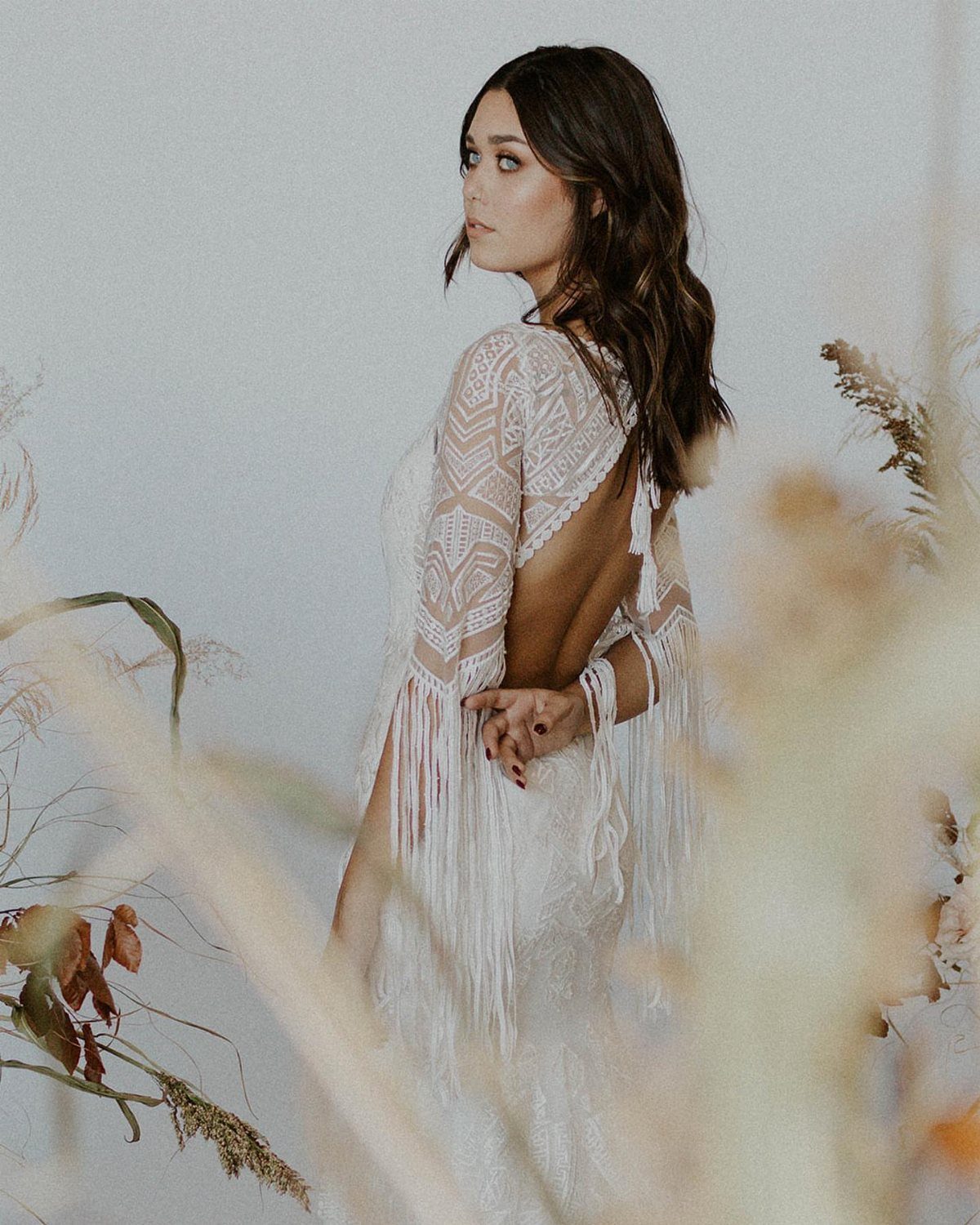
Fringe on a wedding gown moves when you move, which is its charm and also its risk; too long or too dense, and you are managing it through your first dance instead of enjoying it.
The 1920s flapper reference is direct and strong, so this detail works best for brides who want their vintage influence unmistakable.
Vertical fringe trim on a cream silk satin bodice is one way to keep the line lengthening rather than widening. I have also seen fringe concentrated on sleeves or a cape back, which gives the motion without the full commitment.
Check how the fringe is attached; hand-knotted holds better than glued through a night of hugging relatives and sitting down to eat.

Our Cape / Cardigans / Bolero are Made of high quality polyester fabric, embellished sequins and beads. Size: One size fits most.

Create a high impact look at your next formal event when you choose this beautiful, beaded evening dress

Temperament Shawl: High quality polyester fabric, embellished with beads and sequins, looks amazing from any angle, embodying classic elegance for formal occasions and evening wear.
7. Cap Sleeves
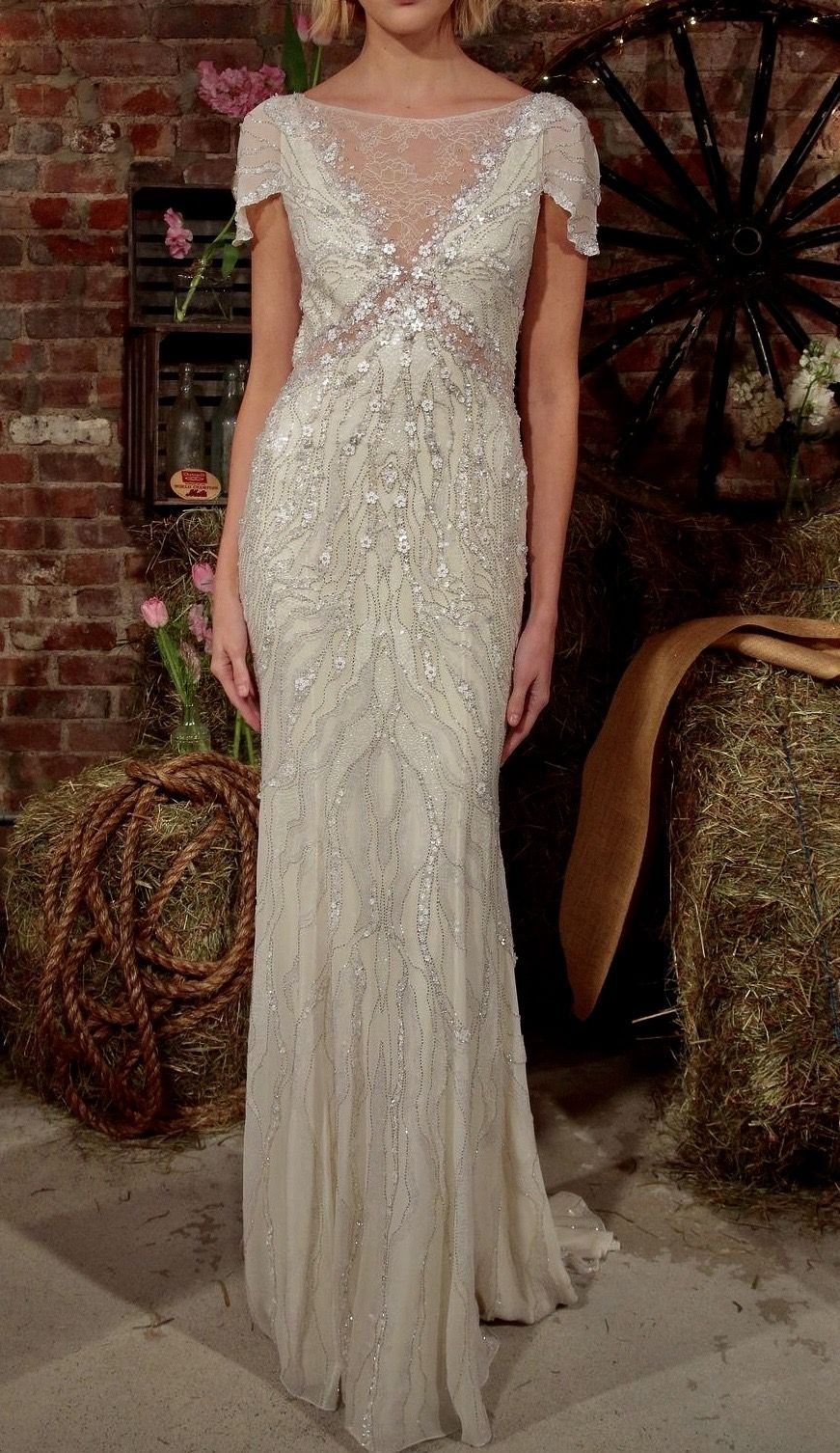
Cap sleeves sit at the shoulder without reaching past the upper arm, which makes them a practical middle ground for brides who want coverage but find a full sleeve too warm or formal.
Beadwork or lace on the sleeve itself keeps the detail concentrated where the eye lands first.
An empire waist with geometric gold beadwork running through the bodice and skirt is one combination that flatters a wide range of figures; the raised waistline lengthens the lower body while the cap sleeve balances the shoulder.
If you are buying vintage or secondhand, check that the sleeve opening has not stretched at the seam; this cut shows wear there first and is harder to alter than a standard strap.
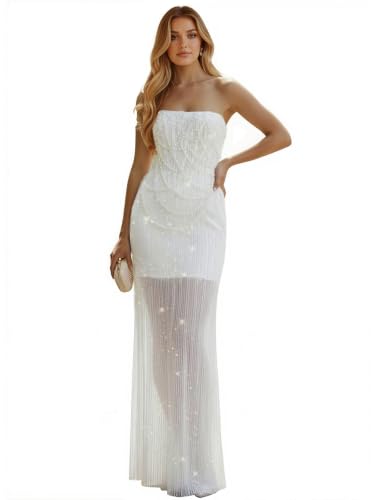
The Perfect Mini Wedding Dress for the Modern Bride,designed exclusively for your reception, after-party, or intimate ceremony—this ivory mini gown blends bridal elegance with playful charm, so you can celebrate freely without sacrificing sophistication.

SIZE RECOMMEND: US 4/6(Small), US 6/8(Medium), US 10/12(Large), US 14/16(X-Large), US 16/18(XX-Large). Please choose a size up if you don't want a too tight fit effect.

✿ SOFT & SKIN-FRIENDLY FABRIC – Made from premium breathable polyester with multi-layer tulle, this princess dress is cloud-soft against your baby's delicate skin. Non-itchy, non-scratchy, and lightweight for all-day comfort during birthday parties, Easter celebrations, and special occasions.
8. Scalloped Patterns
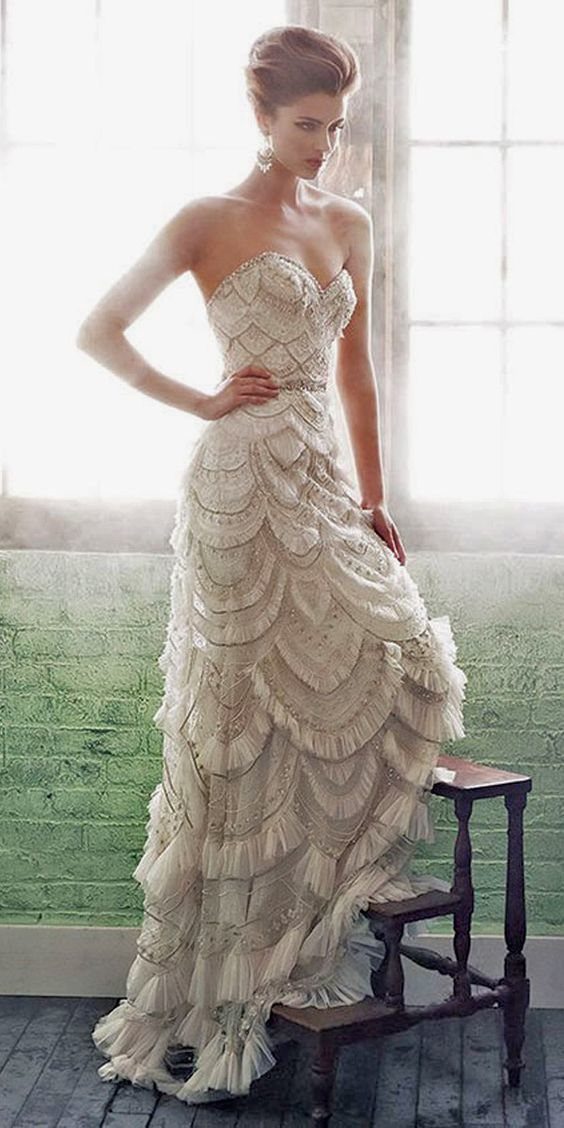
Curved, repeating edges read softer than the sharp angles typical of Art Deco, so they suit brides who want the era’s feel without its severity.
Scalloping shows up in lace tiers, beaded hemlines, and bodice overlays, often layered so each edge catches light at a different depth.
A gown with scalloped ruffles from bodice to hem needs more care during movement than a smooth skirt; the edges can catch on chairs, microphones, and enthusiastic dancers.
If you love the look but not the risk, a scalloped lace jacket or overskirt that removes for the reception gives you the detail for ceremony photos and freedom afterward.
Silver beadwork following the same curved lines against ivory silk is one pairing that stays cohesive rather than busy.
9. Shimmering Metallic Beaded Train
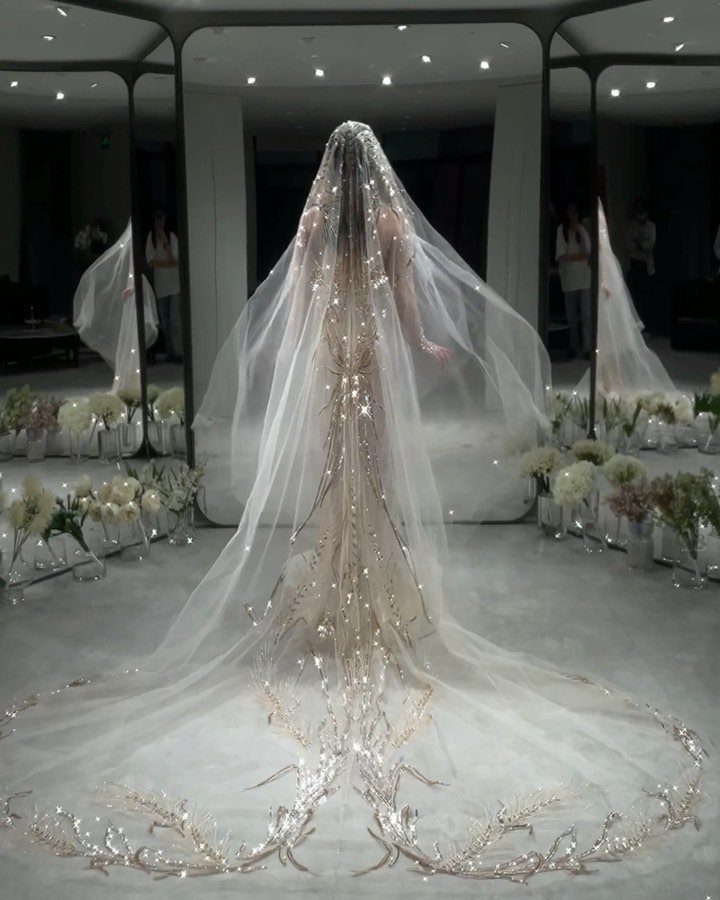
A sheer train lets beadwork show against the floor rather than against fabric, so the metallic pattern floats as you move.
Gold or silver beads on tulle read lighter than the same weight on satin, though the train itself still needs managing through doorways and across grass.
One way to wear this without committing to sheer everywhere is a detachable tulle train over a solid gown; the look changes completely for the reception and you lose the tripping hazard before the dancing starts.
A creator who pairs this with a statement choker notes the combination works for multiple looks in one day, which matters if your ceremony and reception have different moods or formality levels.
Check that beadwork on sheer fabric is lined or framed so it does not snag when you step; loose threads on tulle fray fast and show worse than on opaque cloth.

Vintage 1920s ong Bias Cut Sleeveless Dress With Flutter Sleeves/ 20s Art Deco Flapper Dress Bow

[Premium Fabric Blend] * Expertly crafted from a high-quality blend of 95% Polyester and 5% Spandex. This premium, non-see-through fabric offers a soft, lightweight feel with an elegant, fluid drape that maintains its flawless shape all day long. The smooth, skin-friendly texture ensures maximum comfort and full coverage during long formal events, providing a luxurious, secure wearing experience without feeling tight or restrictive.

Elegant Prom dresses,Flapper costume Outfit Fancy Makeup,Halloween Costumes,Xmas,Thanksgiving,Christmas,New year Eve
10. Strapless Beaded Column Gown
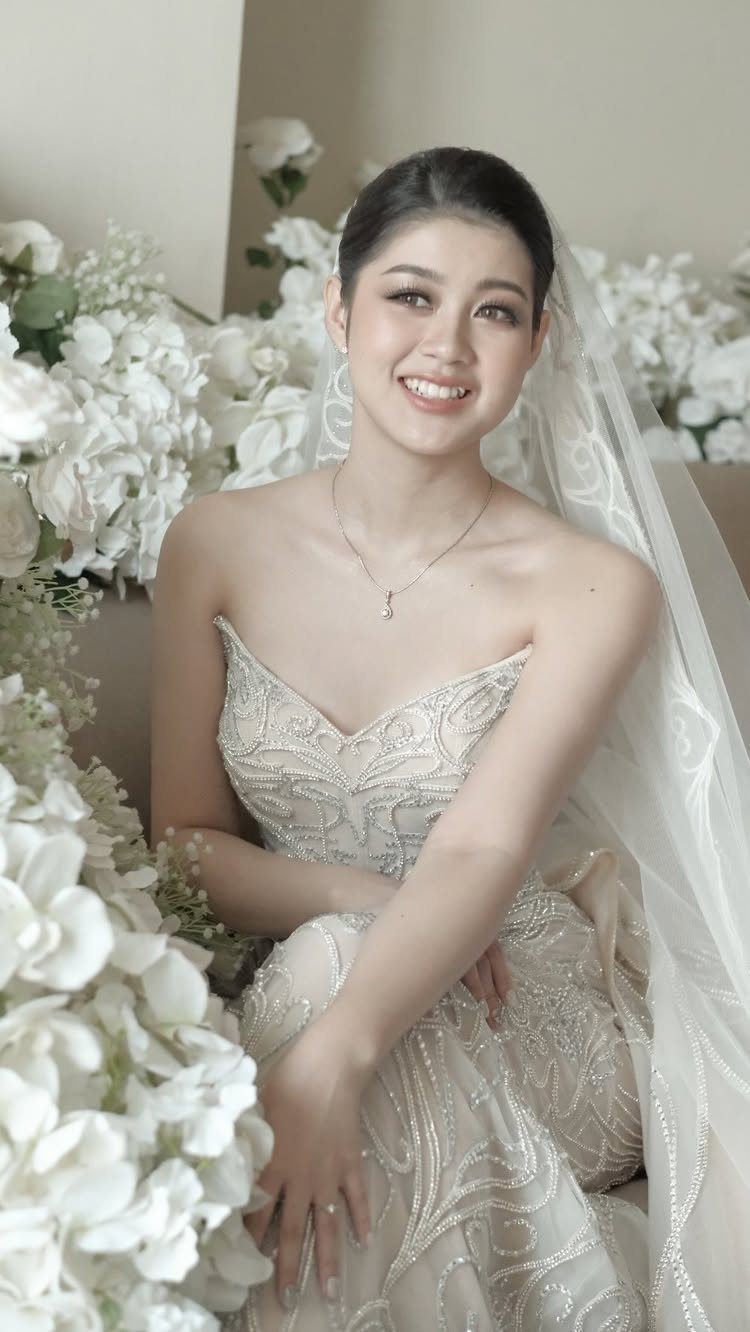
The column cut falls straight from hip to hem with little flare, which keeps a heavily beaded gown from becoming overwhelming; the line stays clean even when the surface is not.
Champagne or ivory fabric with silver swirling beadwork is one pairing that photographs warm without reading dated.
A cowl back adds movement to an otherwise rigid shape, though I would test sitting and leaning during the fitting; cowl fabric pools and can crease in ways that do not show until you stand again.
If you are adding a necklace, the strapless neckline leaves room for something substantial, but the beadwork itself may be enough.
Swirling embroidery draws the eye up and down rather than across, which suits petite brides well and reads elongating on nearly everyone.

Material:Polyester+Sequins.Delicate sequin bead with mermaid design make this eveing dress flattering and feminine.You Won't Regret To Get One!

Size Tips: Designed with high-stretch fabric to provide a comfortable, flexible fit across different body types. Please refer to the size chart before ordering to select your best fit

Material: Made of 100% polyester with sequins and beads.
11. Matching Beaded Choker Accent
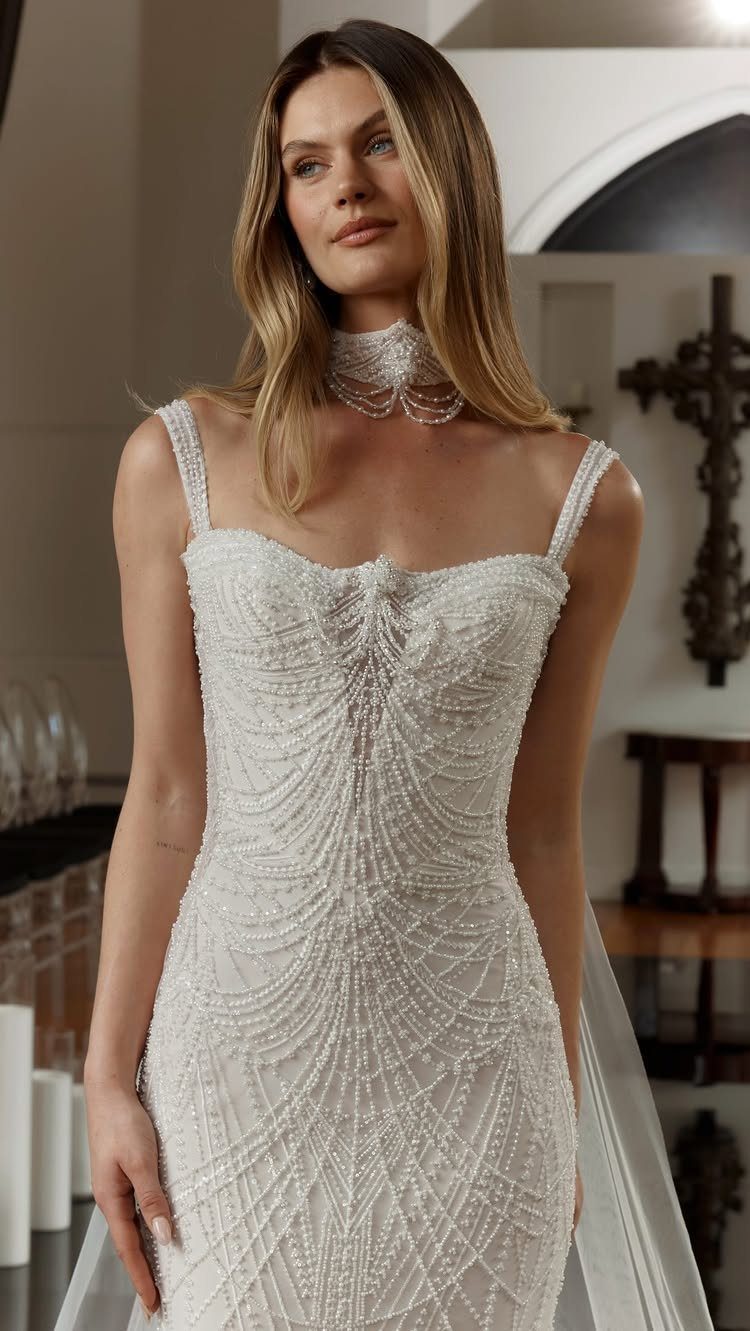
A choker in the same beadwork as the gown turns a separate accessory into part of the dress itself, which saves the decision of what jewelry works with an already ornate neckline.
This pairing shows up on sleeveless gowns where the neck and shoulder are bare enough to need something but too busy for a standard pendant.
The choker should sit at the base of the throat without gaping; if bought separately from the gown, bring the dress or a fabric swatch to match the bead color exactly, as ivory next to white and gold next to champagne show discrepancies under reception light that daylight hides.
A detachable version, noted by the maker of one example, lets you remove it for the reception if the closeness bothers you during dinner and dancing.
Check the weight; heavy beading on a thin band can shift and press as the night goes on.
Choosing the Right Silhouette
The right silhouette for an Art Deco wedding dress depends on what you actually look like in it, not on what the decade favored.
If you carry weight through your midsection, an empire waist with cap sleeves raises the visual focus and lengthens the leg line.
Try each option sitting down, reaching up, and walking; the 1920s originals were cut for a different posture and undergarment, and a modern reproduction may fit the era’s look but not its movement.
Accessorizing Your Dress
Vintage accessories can complete an Art Deco gown or compete with it. Long satin opera gloves work with a sleeveless or flutter-sleeve dress but may read as costume against heavy beadwork.
If your gown already carries metallic thread or dense embroidery, let that be the focus and keep earrings small or skip them.
The right glove or headband from a vintage dealer can cost as much as a modern piece, so budget for accessories as a line item rather than an afterthought.
Inspiration from the 1920s
The 1920s glamour that defines Art Deco bridal style came from specific materials and construction: silk charmeuse, dropped waists on the original flapper silhouette, and beadwork done by hand in small workshops.
If you want closer to the source, look for geometric rather than floral motifs, and for beadwork in sharp angles rather than soft curves.
The era’s evening wear favored bare arms and lower necklines than most modern ceremonies allow, so a capelet or jacket was part of the original outfit, not an addition.
Inspired by the 1920’s and its art-deco aesthetic, this wedding gown exudes pure glamour. The sequin embellishment is artfully placed to contour the body and highlight all your best assets.
Frequently Asked Questions
What defines an Art Deco wedding dress?
Geometric patterns, sharp-angle beadwork, and metallic thread set these gowns apart from other vintage styles.
The beadwork usually runs in repeating lines or angular shapes rather than soft florals, and the silhouette tends toward the column or dropped-waist cuts that let the decoration show.
I look for silk or satin bases in champagne or ivory because those photograph warm and keep the look from reading costume.
What did brides wear in the 1920s?
Brides in the 1920s favored dropped waists, bare arms, and necklines cut lower than most modern ceremonies allow, with silk charmeuse and hand-done beadwork finishing the look.
The original flapper silhouette sat at the hip rather than the natural waist, and brides frequently covered up with a capelet or jacket for the church portion.
Undergarments were different then too, so a modern reproduction may look the era but move differently.