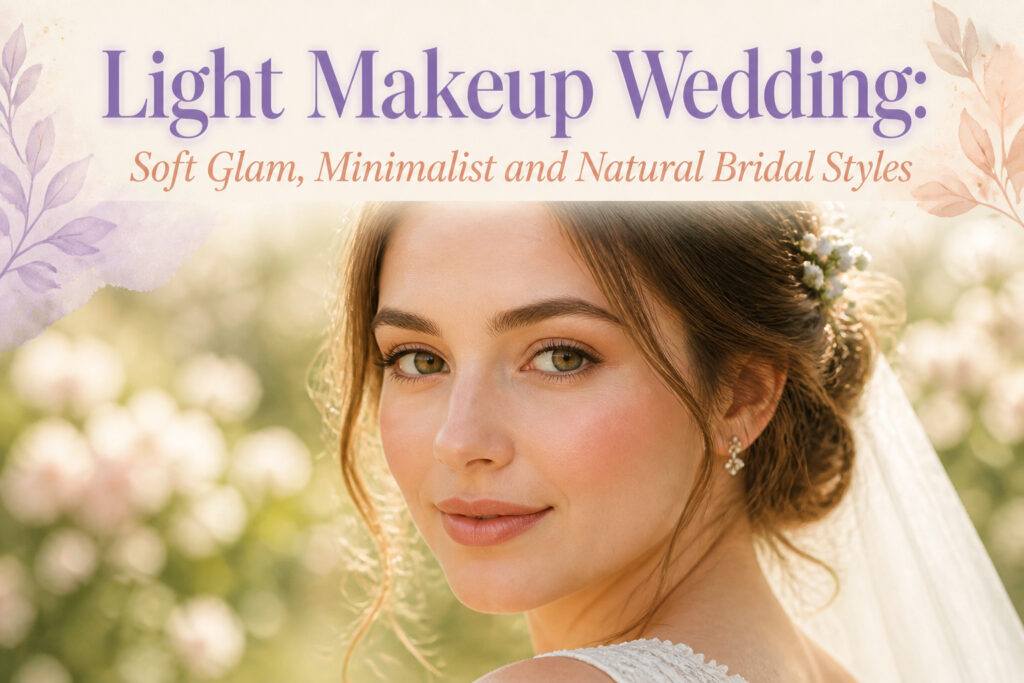
A light makeup wedding is a bridal style built on sheer coverage, luminous skin, and neutral tones that keep you recognizable in person and in the album decades later.
The catch is that it only works when the skin underneath is prepared well and the application is disciplined; with less product to hide behind, every flake and sliding layer shows.
Professional artists who specialize in this look typically get 10–14 hours of wear by layering setting spray between steps and using concealer only where needed rather than as a blanket.
Soft Glam Wedding Makeup
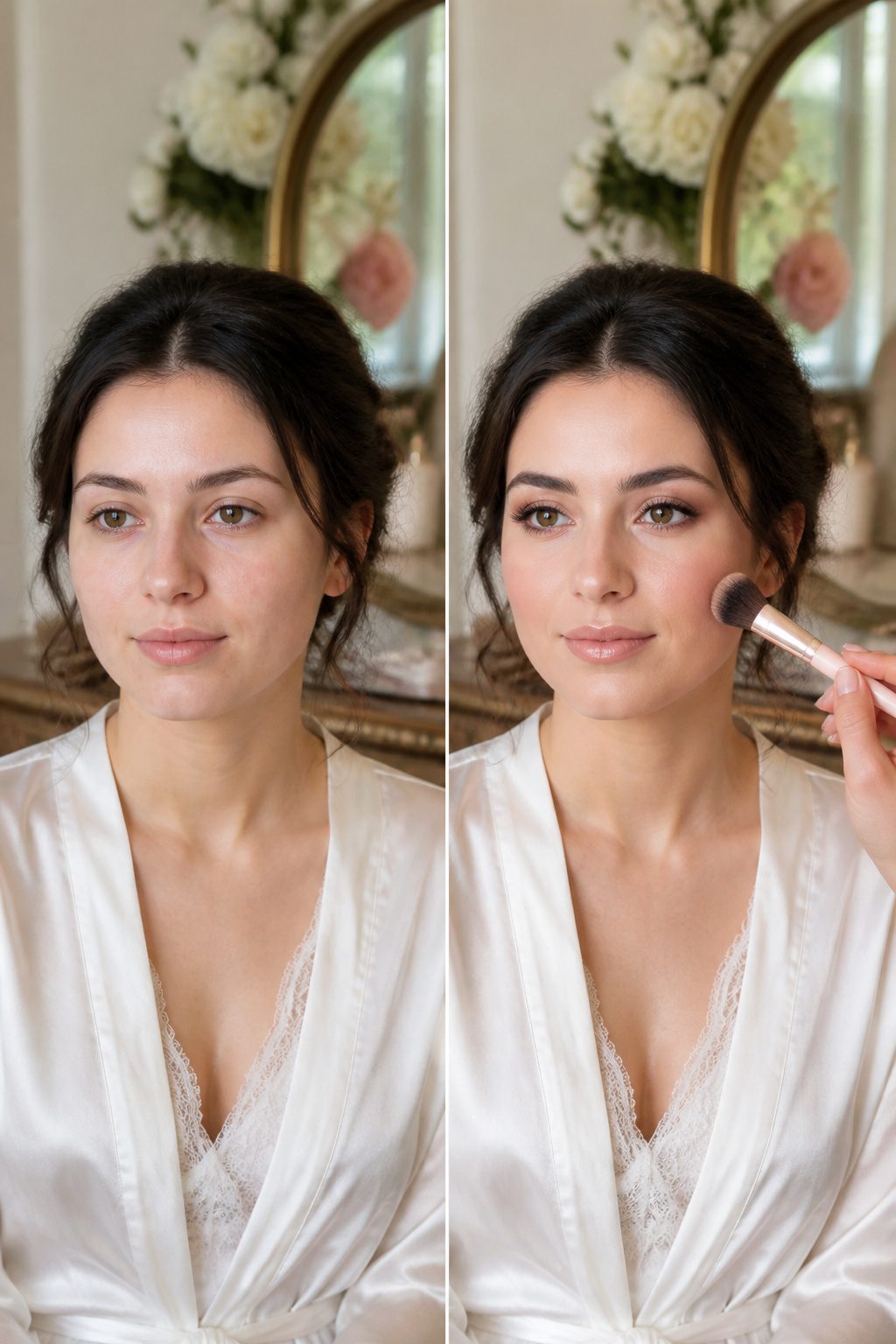
Soft glam wedding makeup lands in the middle ground that most brides end up wanting: polished enough for the aisle, restrained enough that you still look like yourself in the receiving line.
The look builds on smooth, luminous skin and eyes defined with neutral shadow tones and soft lashes rather than sharp lines or heavy pigment.
A touch of subtle contour keeps the face from reading flat under venue lighting, but nothing is built up to a stage where it risks turning cakey by hour six.
What separates this from heavier bridal styles is the balance. Full glam can flatten texture and dimension in person even when it pops on camera; soft glam keeps the skin looking like skin.
The payoff is that it photographs beautifully without needing that mask-like coverage to hold up. When applied professionally, this style lasts 10–14 hours, which covers most ceremony-to-sendoff timelines without a midday wipe-and-restart.
For brides weighing whether to go lighter or bolder, the deciding factor is usually how much of their everyday face they want to still recognize in the album thirty years out.

It is a lightweight foundation
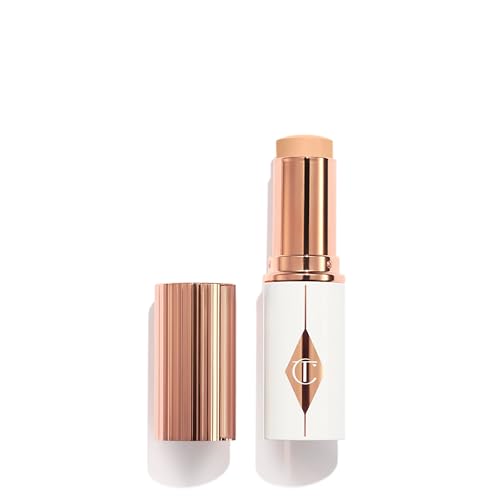
Glow‑Skin Tint Effect - The ultimate no-foundation foundation with super-natural, sheer-to-light coverage that smooths and blurs for a second‑skin, soft-focus glow with zero heaviness.

SPF 30 Sun Protection: Helps protect skin from sun damage, defend against early signs of aging, and maintain a healthy-looking complexion.
Minimalist Wedding Guest Makeup
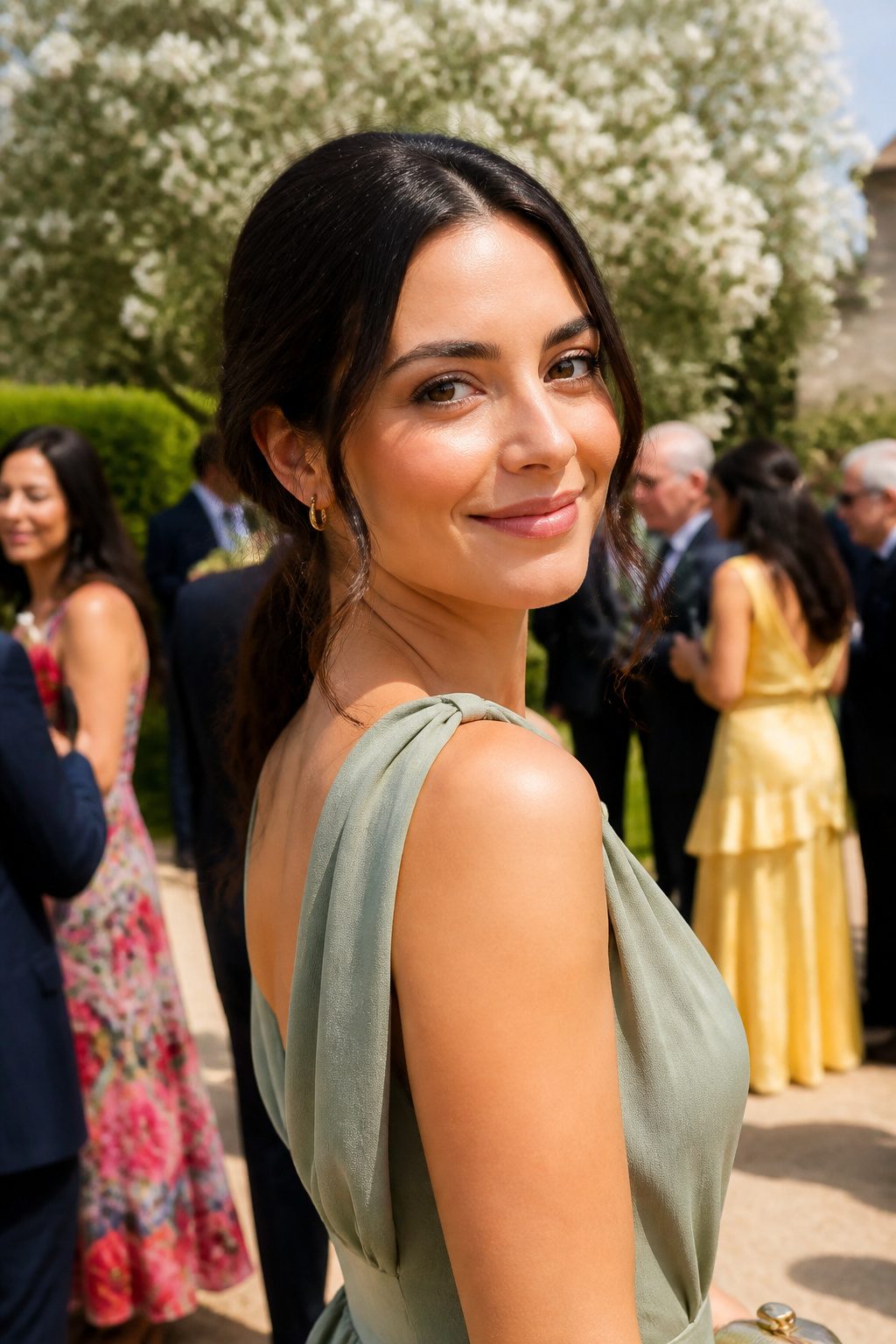
A wedding guest’s face in afternoon light, caught between the ceremony and the dance floor, needs to read as polished without reading as effort.
Five products, placed with intention, do the job: concealer where sleep failed you, cream blush tapped high on the cheek so it lifts rather than flattens, one neutral eyeshadow shade across the lid, mascara to define, and a lip product that won’t migrate onto champagne flutes.
The cream formulas stay put better than powders through hours of photos and toasts, and they let skin texture show through rather than burying it.
Coordinate your blush tone with your outfit’s color family, warm with warm or cool with cool, and keep eyes and lips neutral.
That pairing looks deliberate without limiting what you wear. If your dress carries heavy detail or bold color, this restraint actually wins in photographs; competing layers of pigment and embellishment fight each other, while one star per frame reads clean.
Pack concealer and blush for a two-minute touch-up after dinner.

ICONIC NEUTRAL CURATION: Features 8 essential shades from the best-selling full-sized palette, including cult-favorites like Burnt Orange, Dusty Rose, and Glistening.

1. Romantic Rose Neutral Color Story Featuring 10 beautifully coordinated shades of creamy beige, rosy nude, soft taupe, warm brown, and luminous shimmer, this palette is designed to create elegant eye looks from day to night.

The Neutrals of Our Dreams - Go loco for this toasted neutral 9 pan palette, perfect for your every day look. This super wearable neutral eyeshadow palette is cute, compact, and ready for any natural makeup look.
No Foundation Bridal Makeup
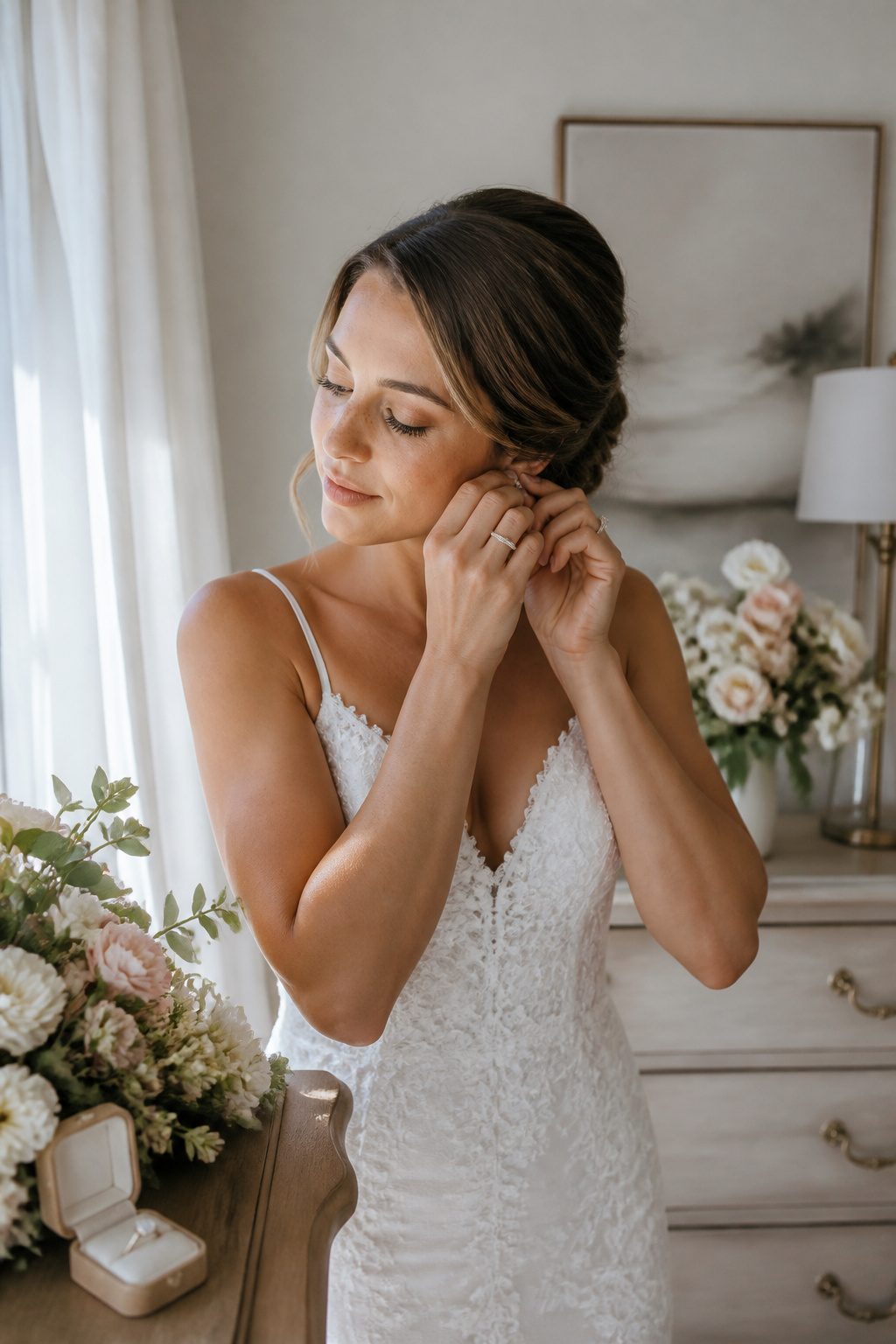
A no-foundation bridal look still uses complexion products, just not the traditional full-coverage kind.
Lightweight skin tints let your actual skin show through, while concealer goes only where you need it: under the eyes, over redness, on any discoloration. The rest stays untouched.
Brides always ask whether this lasts through the day. It does, when a professional applies it.
The strategic placement matters. A makeup artist knows how to set those targeted spots without layering product across your whole face, so the finish stays fresh rather than mask-like from ceremony to last dance.
The result reads as modern and effortless in person and in photos.
Skin looks like skin, not like a heavier base sitting on top of it. For a light makeup wedding, that balance is usually the whole point.

2-IN-1 MAKEUP: This long-wear, 2-in-1 powder blush is infused with primer to deliver the perfect pop of color that won't budge.
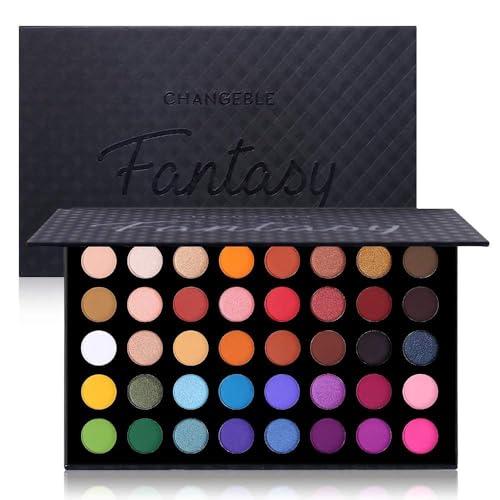
A magically iridescent eyeshadow palette contains professional cool and warm-toned pigments and shades. With different textures: soft smooth mattes, shimmery pressed pearl and dazzling metallic glitters. This richly toned palette features versatile shades that can be blended and layered to create endless amounts of looks.

Cruelty-Free: This product is made without animal ingredients or testing.
Natural Bridal Makeup
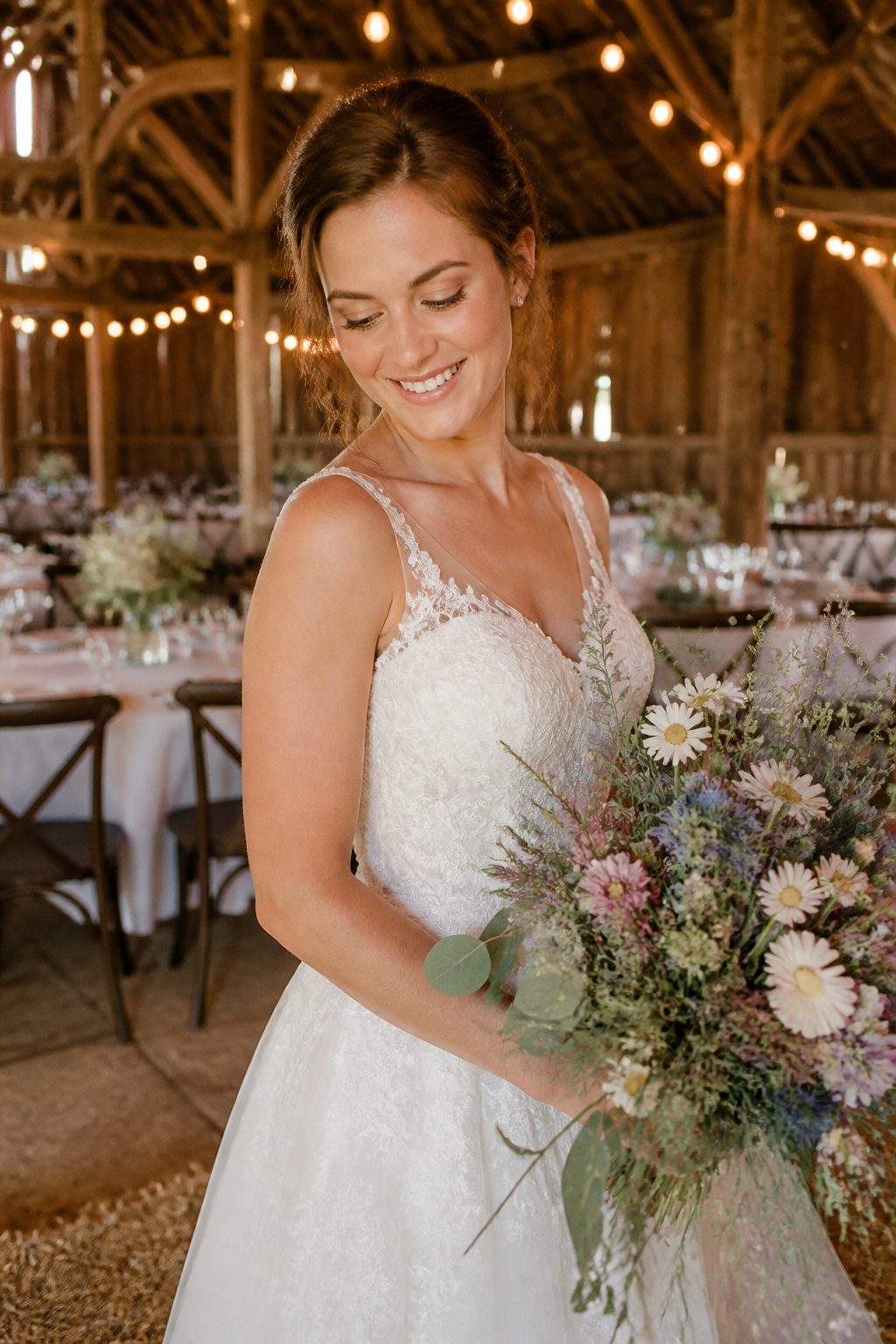
Natural bridal makeup sits in the space between barely-there and full glam, and that is exactly where most brides end up wanting to be.
The look builds on warm, peachy tones that bring a healthy flush to the cheeks rather than a painted one, plus soft shimmer on the eyes and lashes that are defined but still delicate.
What separates it from heavier styles is the breathable quality that lets skin look like actual skin, not a finished surface.
I have watched this style work in ballrooms and barns alike because the warmth reads as romantic without competing with the dress or the moment.
The lit-from-within glow comes from placement, not coverage: blended tones, no harsh lines, and a finish that photographs well without feeling like a mask in person.
For brides who want to look like themselves, only polished, this is usually the answer.
The risk is asking for "natural" and getting "invisible." A trial matters here, especially if makeup is not part of your daily routine.
About half of brides walk in with a clear vision and the other half need help articulating it, so sitting down with an artist beforehand lets them calibrate the warmth and definition to your features rather than to a template.
HD airbrush can help, since it sits feather-light while still giving that naturally flawless finish, but the real decision is how much of your own face you still want to recognize at the end.

[24 HOUR WATERPROOF FIX] TIRTIR Waterproof Setting Spray ensures your makeup stays intact for 24 hours, even through sweat, water, and outdoor activities. A powerful, non sticky formula keeps your look fresh and flawless from morning to night.

Matte Setting Spray: For a matte makeup look that stays put, use our lightweight setting spray to reduce shine and leave a fresh, just applied look all day; Works with all makeup including foundation, eyeshadow, and powder

Lock In Makeup for up to 36 Hour Wear: Infallible 3-Second Makeup Setting Spray with microfine mist provides up to 36 hour wear in just one spray, for lip, eye and face makeup that is transfer, sweat and smudge-resistant all day.
Soft Glam Against Full Glam
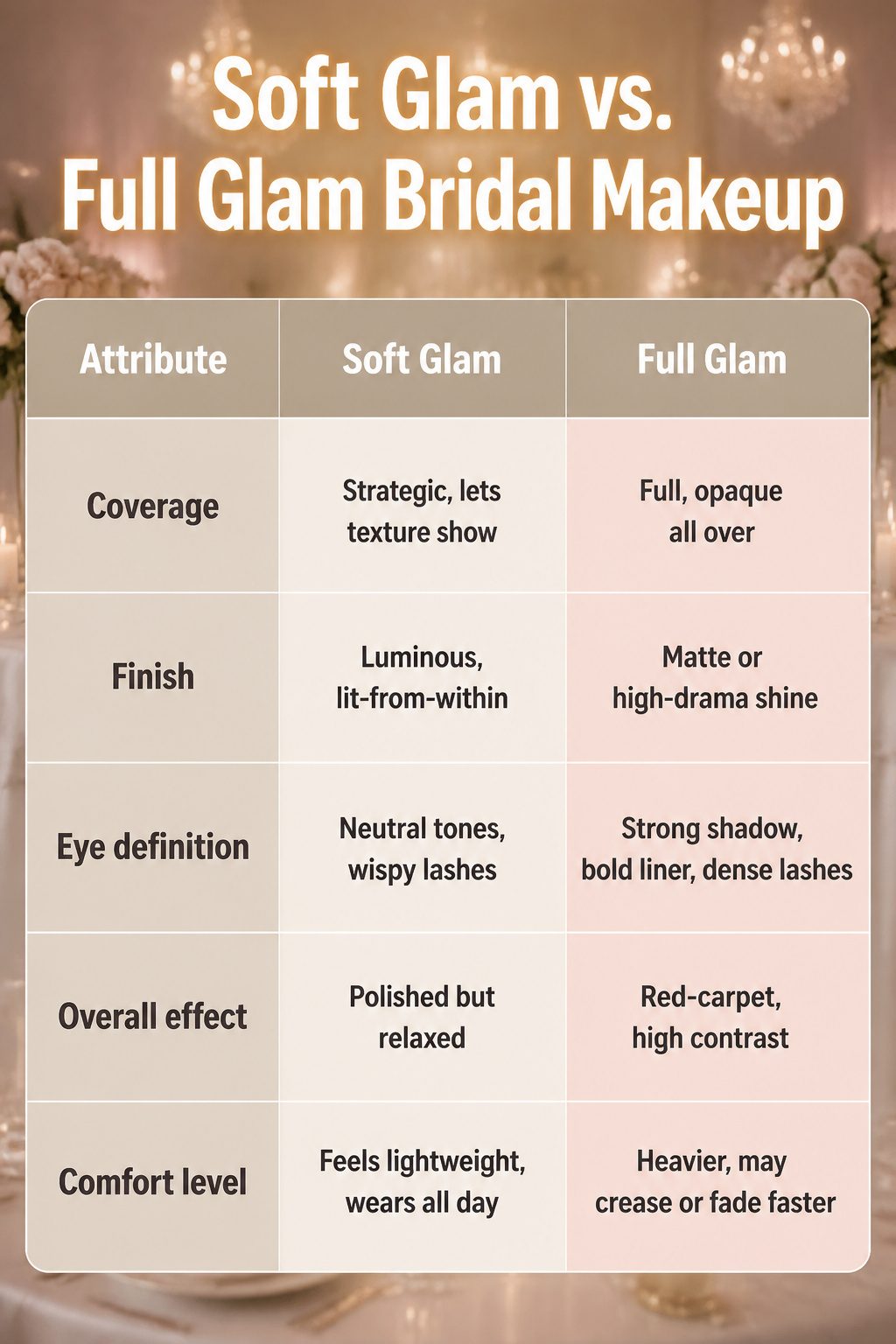
Soft glam sits in the middle of the bridal makeup spectrum, and the gap between it and full glam is wider than most brides expect until they try both on.
Full glam builds a dramatic shape: carved cheekbones, bold lip, lashes that read from the back row.
Soft glam keeps the architecture but softens the edges; skin still looks like skin, eyes are defined but not staged, and the finish photographs as radiant rather than constructed.
| Attribute | Soft Glam | Full Glam |
|---|---|---|
| Coverage | Strategic, lets texture show | Full, opaque all over |
| Finish | Luminous, "lit-from-within" | Matte or high-drama shine |
| Eye definition | Neutral tones, wispy lashes | Strong shadow, bold liner, dense lashes |
| Overall effect | Polished but relaxed | Red-carpet, high contrast |
| Comfort level | Feels lightweight, wears all day | Heavier, may crease or fade faster |
The right choice depends on what you want to feel at 9 p.m., not just at the altar.
A ballroom with professional lighting and a photographer who loves shadow play can handle full glam. A garden ceremony in July, or any bride who flinches at the feel of foundation, leans toward soft glam.
Half the brides I have talked with through Petite Fleur Studios came in wanting full glam and revised downward after a trial; the other half knew soft glam was their ceiling and found it was enough.

Full 'N Soft Washable Mascara has advanced thickening formula which nourishes with Vitamin E to create softer and fuller looking lashes; Removes easily to help prevent lash loss; Suitable for contact lens wearers
HYPOALLERGENIC MASCARA - Formulated without irritating ingredients like fragrance and preservatives

WATERPROOF PRINCESS: Get the voluminous false lash effects of the original in a waterproof formula with the Lash Princess False Lash Waterproof Mascara from essence!
Light Summer Wedding Makeup
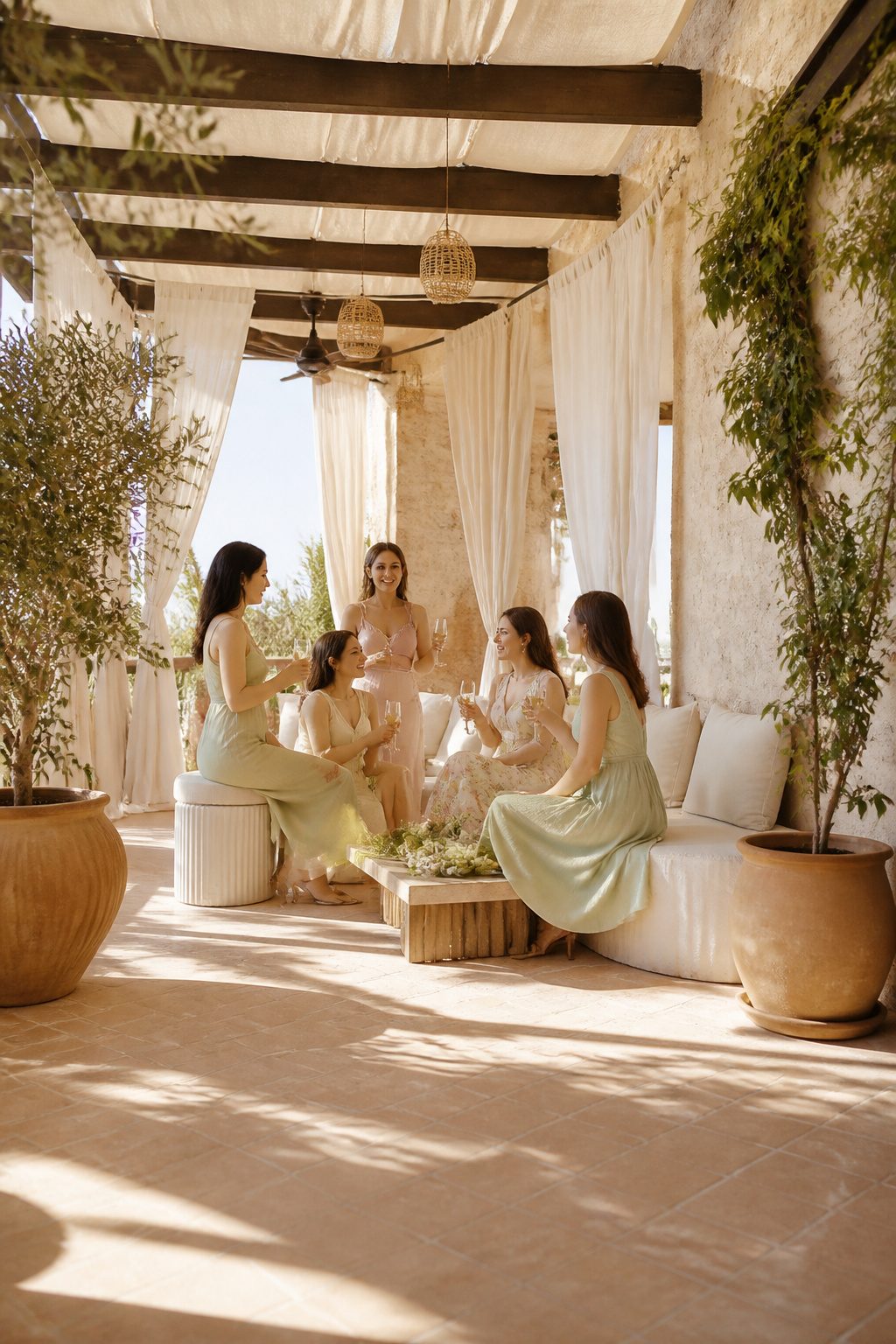
Heat changes everything about how makeup sits on skin.
At a July outdoor ceremony I second-shot last year, the bride’s carefully layered foundation started sliding before the first look, while her bridesmaid’s skin tint and cream blush looked untouched through the dancing.
That difference comes down to formula choice, not technique.
Cream-based products with light-handed application create longevity without the heaviness of layered powders. Skin tints even out tone while letting freckles and natural texture show through, which matters more in bright sunlight than in a dim chapel.
Concealer becomes the targeted tool, used only under eyes, around the nose, and on specific spots rather than as a blanket.
Setting spray layered throughout the application, not just at the end, keeps the fresh appearance through hours of heat and celebration.
The goal is the same as any light makeup wedding look: an enhanced version of yourself that still reads as you in person and on camera.

Covers imperfections with a natural, looking finish.

It is a lightweight foundation

Dermatologist tested, non-comedogenic, fragrance-free
Skin Preparation
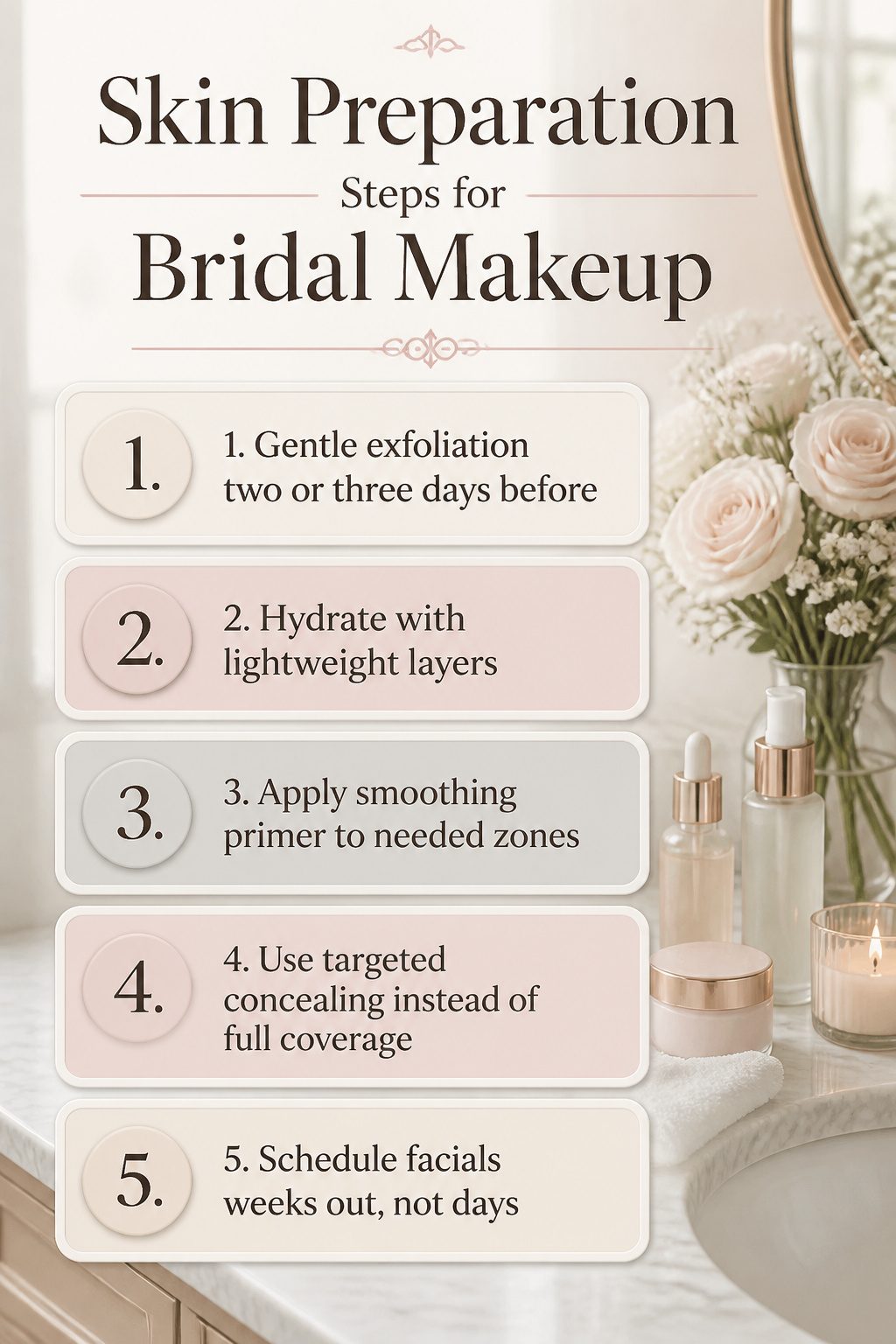
A light makeup wedding leaves almost nowhere for texture to hide. When the foundation isn’t doing the heavy lifting, the skin underneath has to carry the look.
I learned this the hard way shooting a June bride who skipped her usual routine the week before. Her cheeks were slightly dry, and the tinted moisturizer we planned to use caught on every flake.
The camera found what the mirror hadn’t. Gentle exfoliation two or three days before the wedding, not the morning of, smooths that canvas without the redness that aggressive scrubs can leave behind.
Hydration matters just as much, and lightweight layers beat one heavy cream.
A smoothing primer on the zones that need it, paired with targeted concealing instead of full coverage, keeps the finish luminous rather than masked. The product sits on the surface, so the surface has to sit well.
Professional facials work best weeks out, not days. Freshly treated skin can react, and a light makeup wedding has no opacity to bury that reaction under.
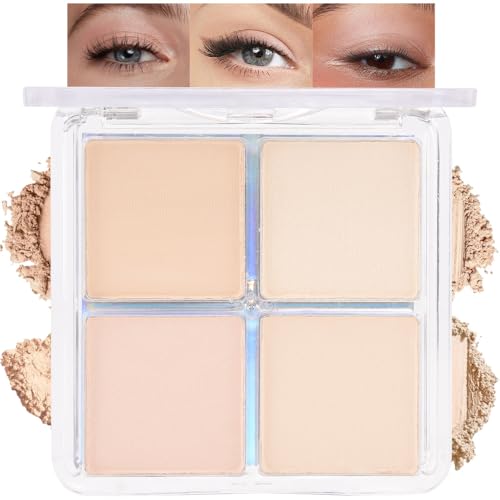
❤【Natural Nude Eyeshadow Quad】This 4-shade palette features soft nude tones including light beige, ivory white, pale pink, and light apricot. Designed for natural, everyday makeup looks that enhance your eyes with a clean and effortless finish.

1️⃣ 【Neutral Rose Brown Color Story|日常到高级感全覆盖】 This neutral rose brown eyeshadow palette blends dusty rose, taupe, cocoa brown and champagne shimmer tones. Perfect for everyday natural makeup, soft glam looks and elegant mature eye makeup. Universally flattering for fair to deep skin tones and all eye colors.

Low-Saturation Color Story: This 8-colors palette features muted, low-saturation shades like soft pinks, dusty lavenders, cool taupe, and neutral brown. Suitable for everyday neutral looks, romantic rosy spring vibes, or a sultry soft smoky eye. Versatile and universally flattering for all ages and skin tones
Product Recommendations
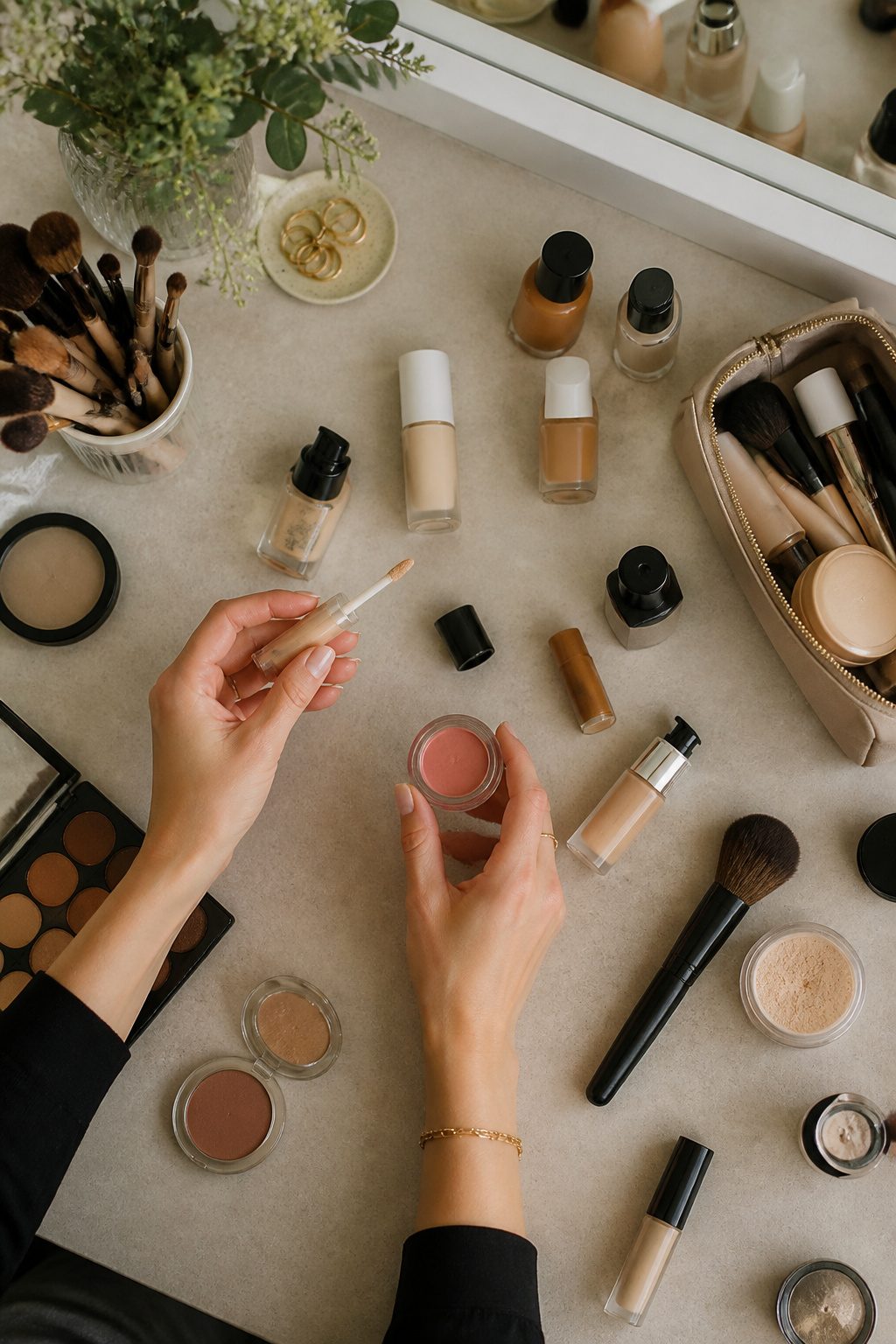
Professional artists working light makeup weddings tend to reach for the same few categories. Buildable formulas matter more than sheer ones, because a photographer’s flash or midday sun will eat anything too subtle.
- Skin tints and lightweight foundations even tone without masking freckles or texture. The buildable ones let an artist add a second layer only where the camera needs it.
- Brightening concealer becomes the workhorse when foundation stays minimal or gets skipped entirely. Under eyes, around the nose, any spot that pulls focus in a portrait.
- Cream blush and cream bronzer blend into real skin rather than sitting on top of it. They catch light the way natural flush does, which reads as alive in photos instead of flat.
- Long-wear setting sprays layered through the application keep the finish from going dull before the last dance. A single mist at the end is usually not enough for a full wedding day.
The products that last tend to be the ones labeled long-wear or extended-wear in the complexion category. Artists pair those with strategic powder placement, not heavy powder, just where shine breaks through.

【PHOFAY Mousse Blush Cream】】Cream blush for cheeks Boasts a soft, silky texture that feels lightweight and breathable on the skin, gliding on smoothly for a comfortable, natural wear.Cruelty-free, vegan, and Used on cheeks,eyes and lips for a cohesive, radiant look—great for travel or a low-maintenance beauty routine.

CREAM BLUSH STICK: Buildable cream blush stick melts into skin for a long-lasting, e.l.f.fortless flush and smooth, satin finish.

Fit Me Blush Makeup: Lightweight powder blush that delivers natural all-day color; This effortlessly blendable and natural yet noticeable makeup blush wears evenly and enhances skin tone with a radiant glow
Application Techniques
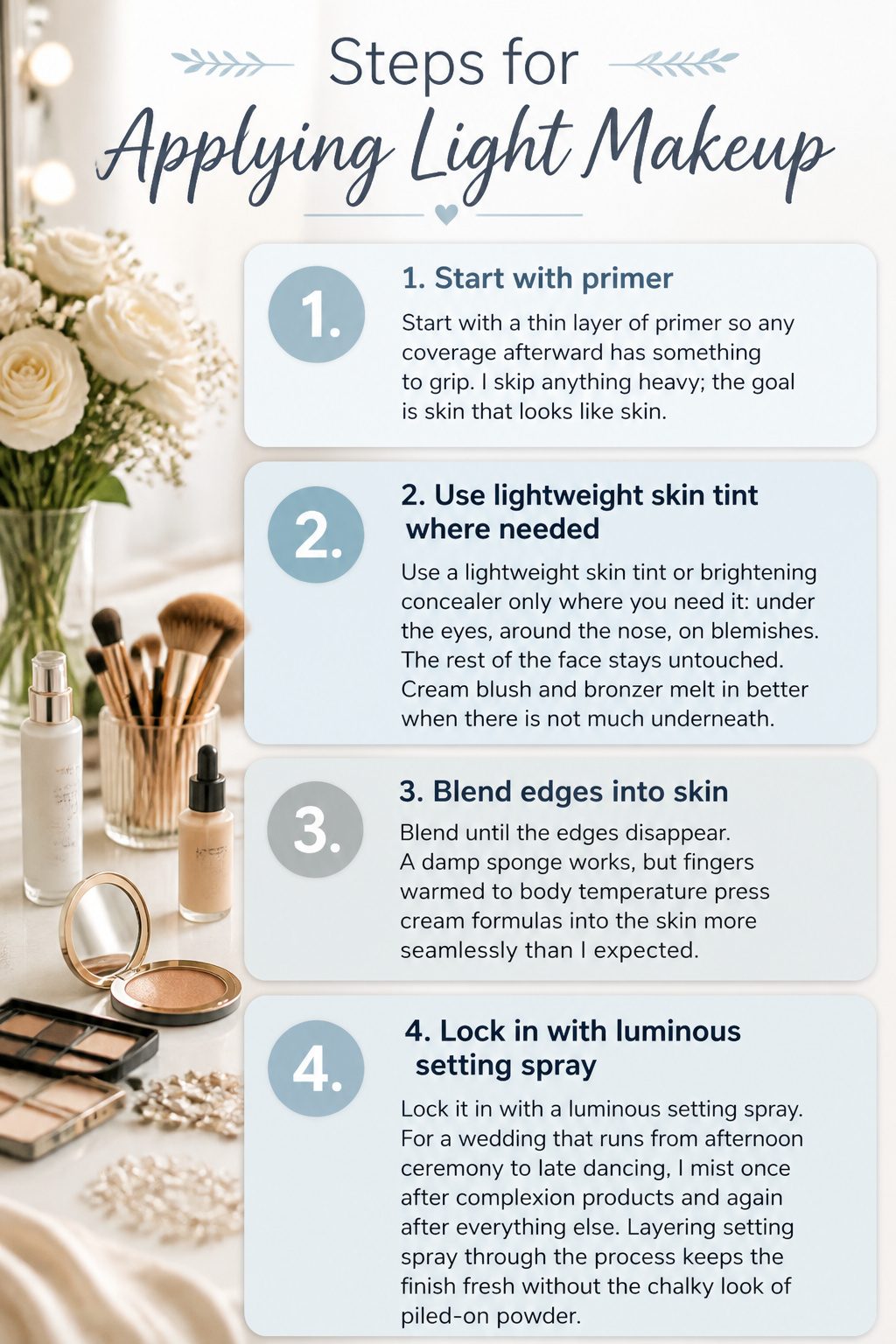
- Start with a thin layer of primer so any coverage afterward has something to grip. I skip anything heavy; the goal is skin that looks like skin.
- Use a lightweight skin tint or brightening concealer only where you need it: under the eyes, around the nose, on blemishes. The rest of the face stays untouched. Cream blush and bronzer melt in better when there is not much underneath.
- Blend until the edges disappear. A damp sponge works, but fingers warmed to body temperature press cream formulas into the skin more seamlessly than I expected.
- Lock it in with a luminous setting spray. For a wedding that runs from afternoon ceremony to late dancing, I mist once after complexion products and again after everything else. Layering setting spray through the process keeps the finish fresh without the chalky look of piled-on powder.
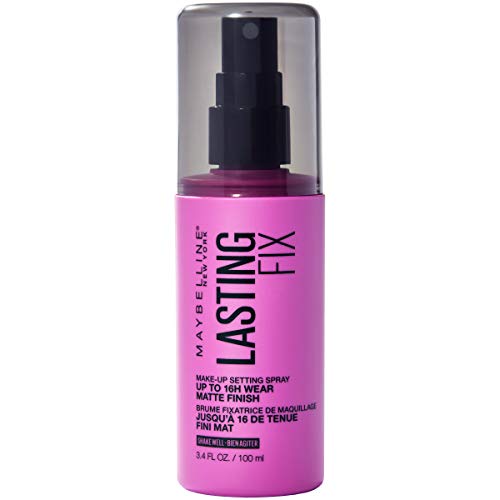
Up to 16-Hour Makeup Lock: Keeps full-face makeup firmly locked in place for up to 16 hours, securing foundation, powder, eyeshadow, and brows against smudging, shifting, or fading.

MAJOR MAKEUP GRIP: The shockingly fine mist sets your makeup for long-lasting wear while leaving the skin with a hydrated-looking, dewy finish

locks in your look for up to 16 hrs, making makeup waterproof, sweatproof & transfer-proof
Making Light Makeup Last
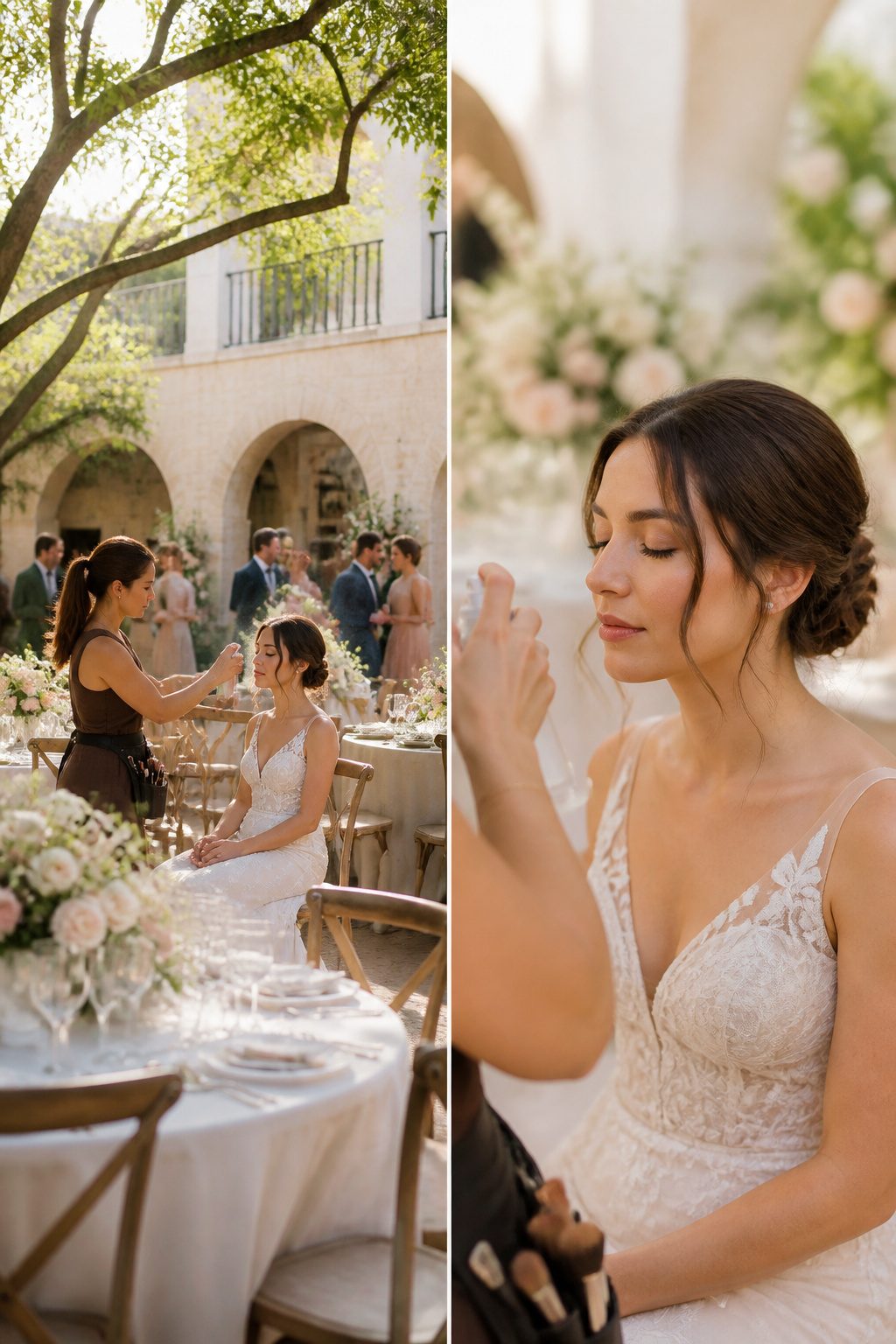
A light makeup wedding look lives or dies on what happens after the brush leaves your face.
Setting spray is non-negotiable, and layering it is what separates the looks that fade by cocktail hour from the ones that still read in the last dance photos.
I mist between complexion steps, again after eyes, and once more as a final lock. The product has to earn its place: long-wear formulas, not the dewy kind that feels nice at 10 a.m. and gone by 2.
The real trouble with minimal coverage is that there is less to grab onto. A full-coverage foundation creates its own film; sheer products let skin oils and friction win.
Strategic powder placement fixes this. I press a translucent formula only where shine breaks through first, usually the T-zone, rather than dusting the whole face and killing the glow that makes the look worth choosing.
Oily skin needs the most negotiation.
A bride who runs shiny can still wear light makeup, but she may need a lightweight complexion product in select areas even if the overall look is no-foundation. The trial run is where this gets sorted, not the morning of.
The payoff is that simple wedding makeup, applied with this kind of thought, actually survives eating, dancing, and hugging better than heavy makeup that has more to melt and shift.
Layer your setting spray, powder only where you must, and test the full timeline before the day.

Waterproof Volumizing Mascara: Lift and separate for fuller looking lashes with this Kera-Fiber formula that builds 8X more volume for a mascara that creates a false eyelashes eye makeup look

Full 'N Soft Waterproof Mascara has advanced thickening formula which nourishes with Vitamin E to create softer and fuller looking lashes; Removes easily to help prevent lash loss; Suitable for contact lens wearers

Volumizing Mascara: Unleash powerful root-to-tip lash volume in power colors for bold lash impact; The no-clump plumping formula infused with collagen delivers 9 times the volume in just one coat
Frequently Asked Questions
What is minimalist wedding guest makeup?
Minimalist wedding guest makeup uses five products placed with intention to create a polished look that still reads as effortless: concealer, cream blush tapped high on the cheek, one neutral eyeshadow shade, mascara, and a lip product that will not transfer.
Cream formulas work better than powders through hours of photos and toasts, and they let skin texture show through rather than burying it.
How do I make guest makeup last through photos and events?
Start with primer, choose cream formulas that stay put better than powders, and finish with a light setting spray.
Keep concealer and blush in your bag for a quick two-minute touch-up after dinner. Avoid overly glossy products that migrate onto glassware.
Will no foundation bridal makeup last all day?
It does, when a professional applies it.
The strategic placement of lightweight skin tints and targeted concealer matters; a makeup artist knows how to set those spots without layering product across your whole face, so the finish stays fresh from ceremony to last dance.
What products are essential for achieving a light makeup look?
Buildable skin tints or lightweight foundations that even tone without masking texture, brightening concealer for under eyes and specific spots, cream blush and cream bronzer that blend into real skin, and a long-wear setting spray layered throughout the application rather than just at the end.
These categories let artists add coverage only where the camera needs it.