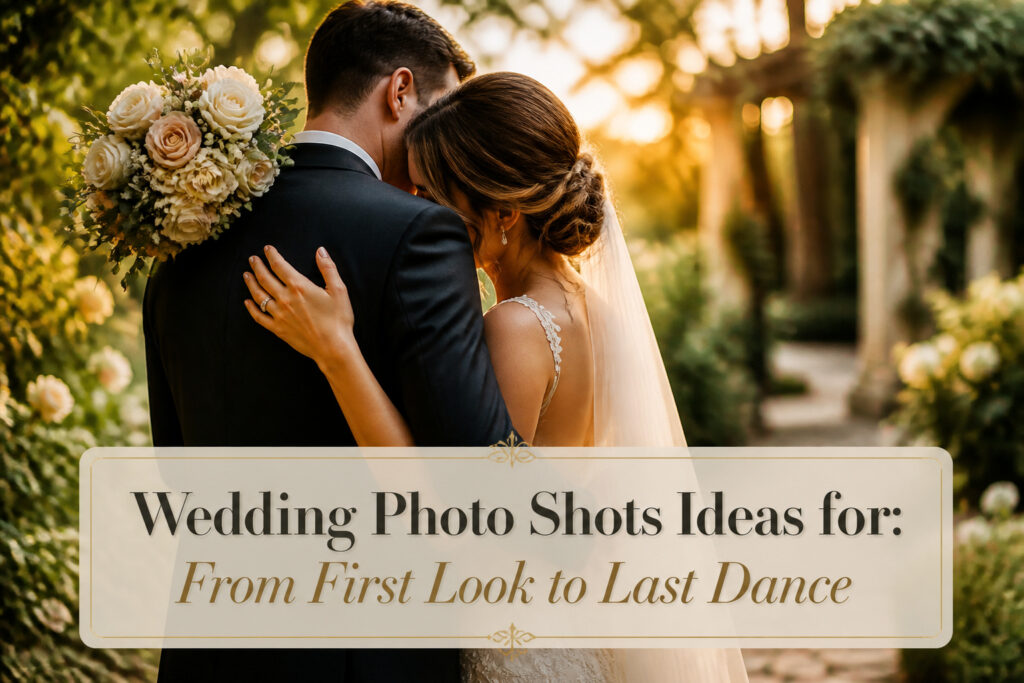
Wedding photo shots ideas range from quiet morning preparations to orchestrated exits, and the single factor that separates the keepers from the missed frames is timing, not budget.
A second shooter costs less than you think, but without one, the groom’s cufflink adjustment and the bride’s button session split across two hotel rooms, and half the morning disappears.
1. Getting Ready Shots
The getting ready hours carry more weight than most couples budget time for.
Light in the room matters more than the room itself: a window with soft natural light does more for skin tones and atmosphere than a suite full of fixtures.
Ask your photographer to scout the getting-ready space beforehand, or at least arrive early enough to move a chair near the best window.
Hair and makeup in progress gives you the nervous energy shots that feel honest.
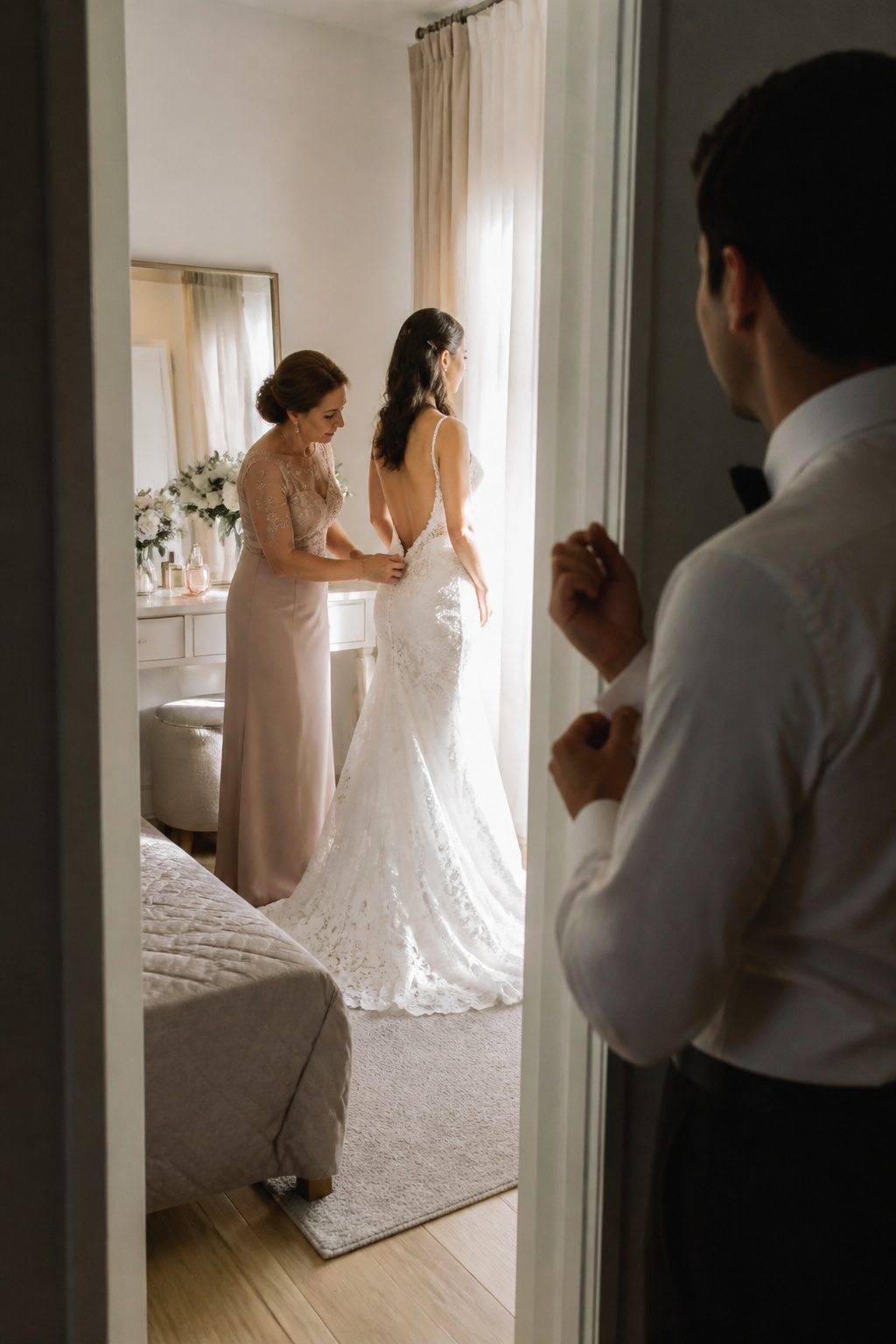
The bride stepping into her dress, often with her mother or maid of honor working the buttons or clasp, is the transition point where the day becomes real.
Same for the groom adjusting his tie or cufflinks; that small repetitive motion is when the anticipation usually shows on his face.
Candid interactions with the wedding party, the bridesmaids reacting, the groomsmen half-distracted, set the emotional tone the rest of the gallery will follow.
If you want both partners covered, budget for a second shooter.
One photographer cannot be in two hotel rooms across town from each other, and the cost difference is usually smaller than the value of having both halves of the morning.
2. Detail Shots
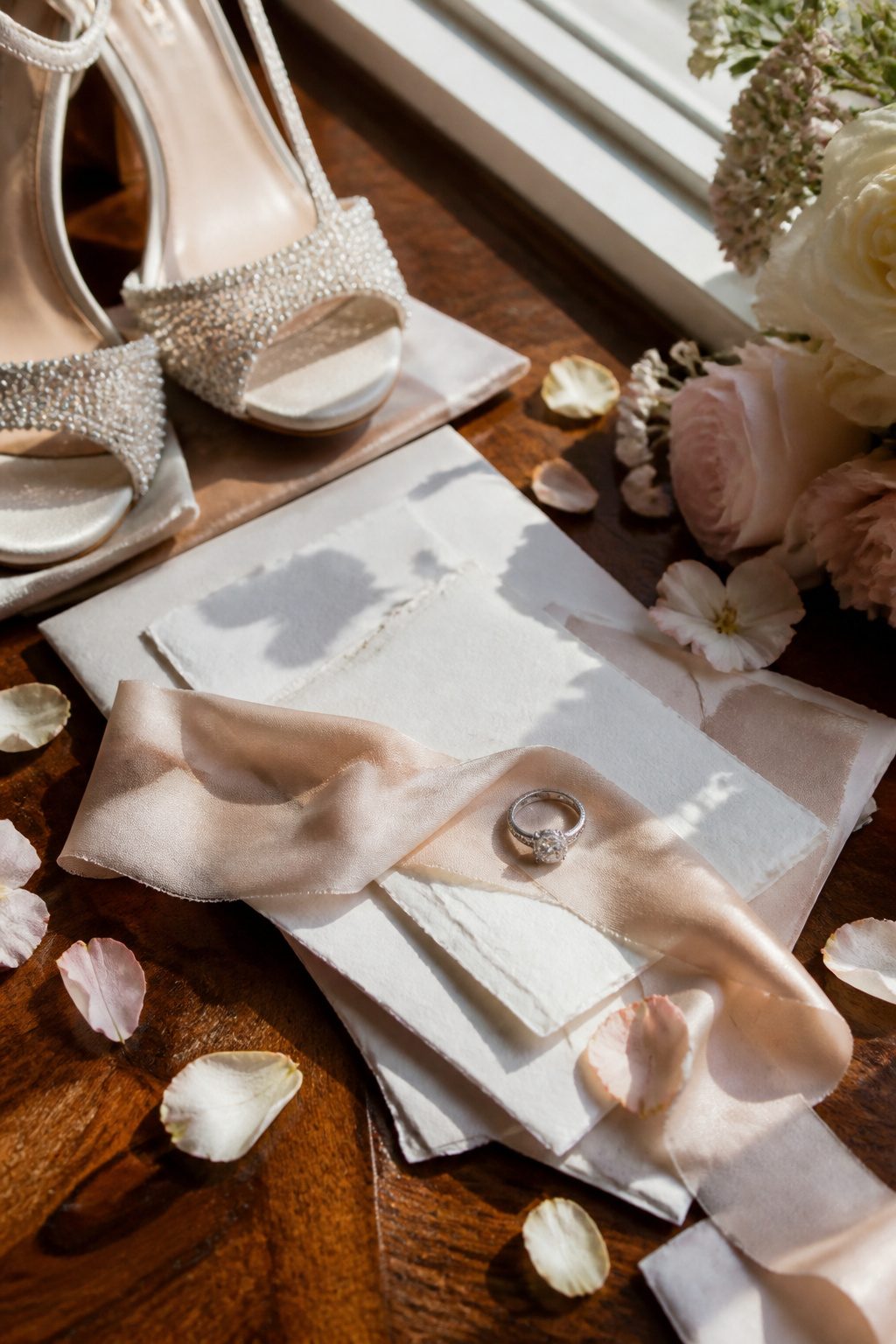
The engagement ring, wedding invitations, and shoes are the three details I always set aside the morning of, before the day sweeps them up.
Rings catch light differently on a windowsill than they do on a hand, and a flatlay of your stationery suite, ribbon, and a few loose petals tells the story of months of planning in one frame.
Shoes, especially, carry weight: the pair you broke in, the pair you almost didn’t buy. I learned the hard way that these shots happen early or they don’t happen.
By cocktail hour, the invitations are tucked away, the bouquet has been handled, and the shoes have walked through grass. Your photographer needs these items gathered in one place before the first guest arrives.
Order a few extra invitation suites when you print; one always gets lost, and your photographer will want a clean set without envelope scuffs. The same goes for rings: the jeweler’s box photographs better than your pocket.
These images become the heirlooms you’ll notice only later, when the big moments blur together and you’re left wondering what became of the small ones you spent so long choosing.
3. First Look Moments
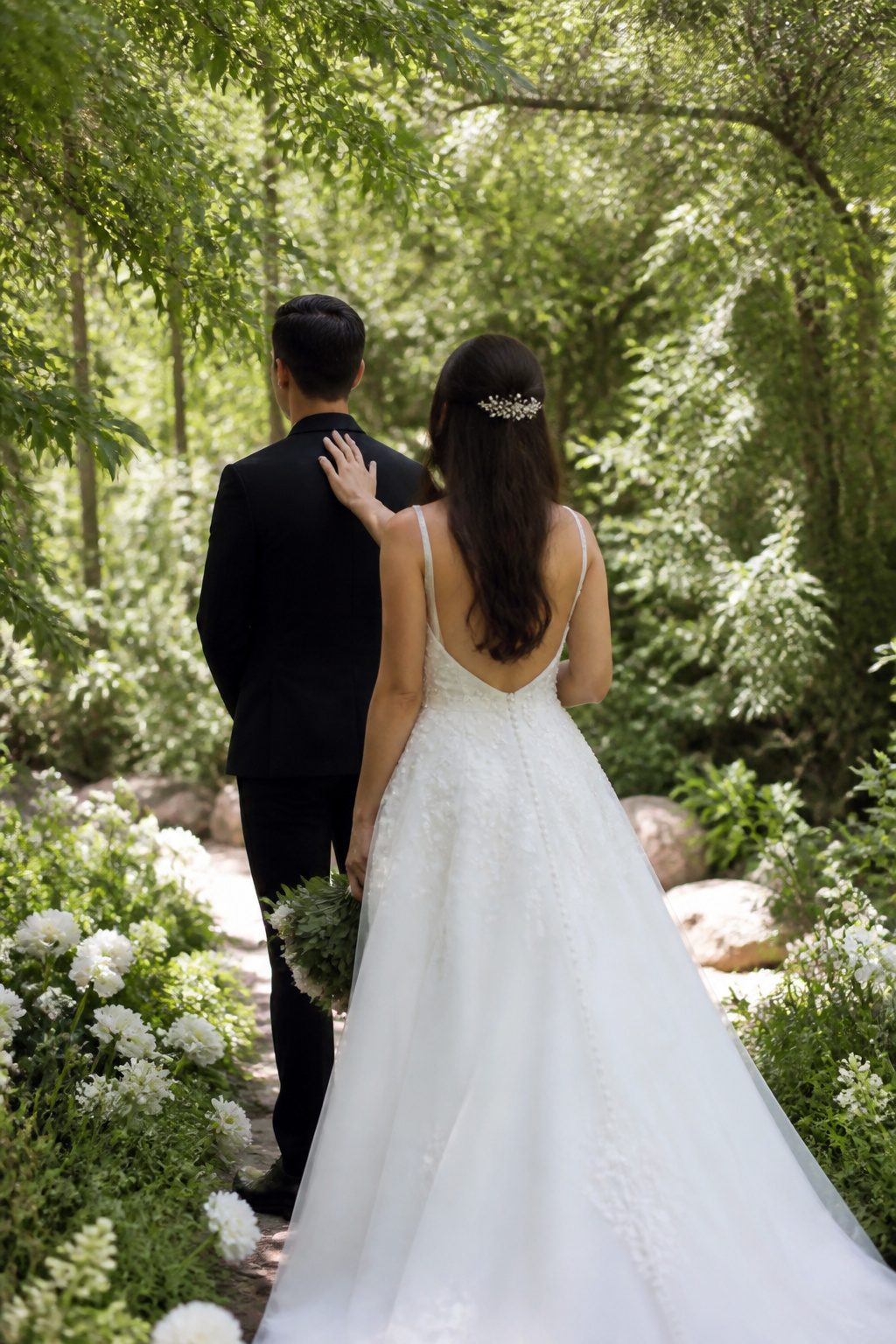
The first look trades the aisle reveal for something harder to fake: a private moment where the two of you actually see each other before the crowd does.
Most couples who choose it do so for the emotion, but the practical payoff is real too. Portraits finished before the ceremony means cocktail hour stays intact, and guests never wait on photos while the ice melts in their drinks.
A photographer worth hiring treats this as a controlled scene, not a candid. The approach matters: one partner waits, the other walks in, and the camera catches the hands, the breath, the embrace before anyone speaks.
Keep it to the couple, the photographer, and maybe a second shooter; every extra body dilutes the intimacy the shot depends on.
Stage fright is the other reason to consider it. If the ceremony itself already tightens your chest, saving the raw reaction for a quiet corner removes one layer of performance pressure from the vows.
The risk is the opposite of what most fear.
Some couples worry it steals drama from the aisle, but what it actually steals is time. Budget an extra thirty to forty-five minutes before the ceremony, and coordinate with hair and makeup so no one is rushing in heels.
The emotion is there either way; the only question is whether you want it witnessed by everyone you know, or kept between you until the party starts.
4. Ceremony Highlights
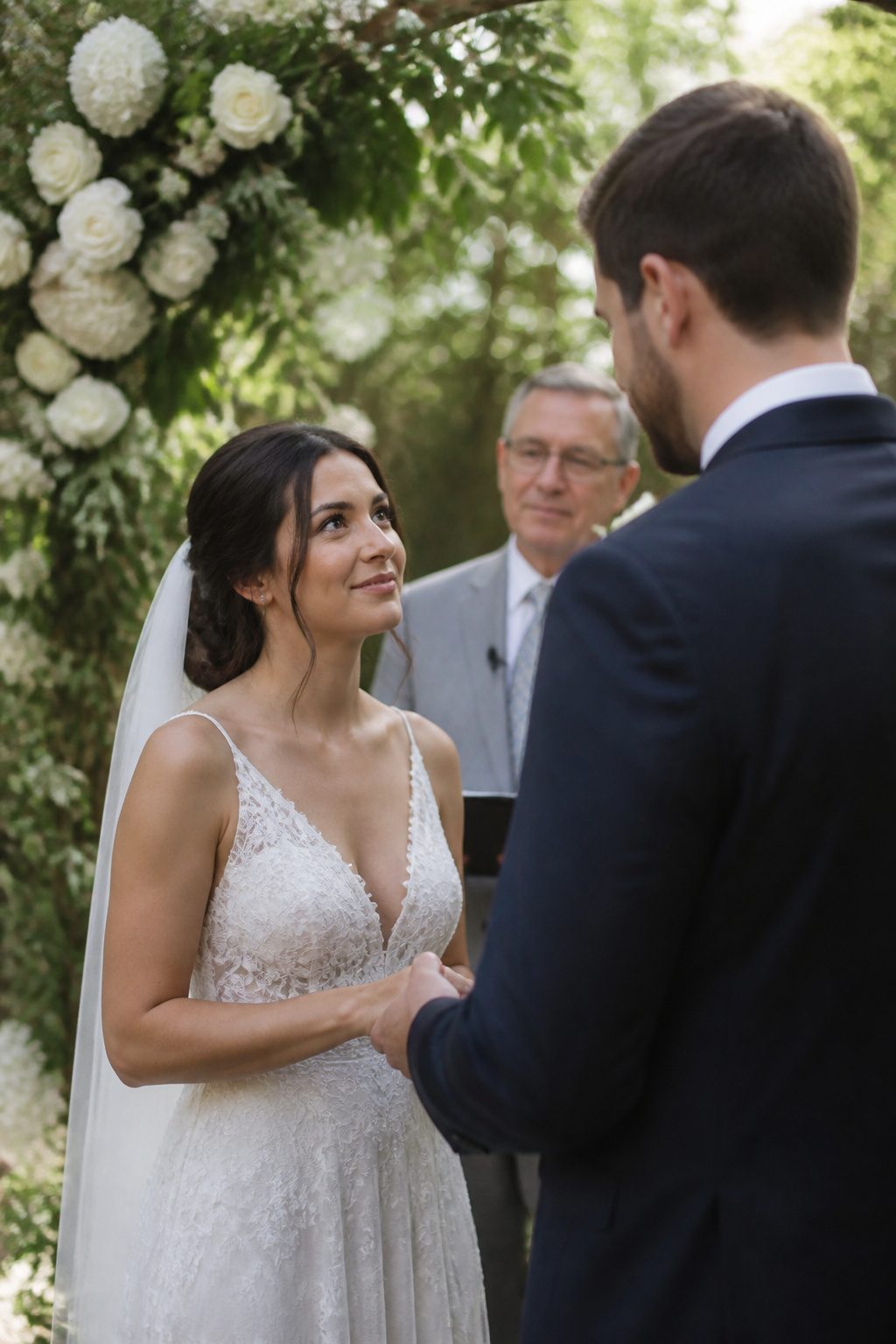
The three shots that matter most in the ceremony are the ones couples replay longest afterward: the vow exchange, the ring moment, and the first kiss. Each happens once, and each tends to surprise you with how fast it goes.
For vows, the move that pays off is splitting coverage.
One photographer stays tight on whoever is speaking; the other catches the partner’s face. The reactions run stronger than the speaker’s own expression, and that split-second tear or laugh is what the album keeps coming back to.
The ring exchange is over in a few seconds, so I shoot it with the assumption I’ll miss something. Hands block hands, the officiant shifts at the wrong moment, the light drops.
I keep the shutter running and hope one frame catches both rings actually sliding on. Afterward, a posed close-up of the hands fills the gaps.
The first kiss looks simple until the officiant steps into the frame. Experienced photographers know to check sightlines with whoever is conducting beforehand, or they lose the shot to a shoulder or a microphone.
Outdoor ceremonies help; indoor ones need that conversation, or you get a profile of a stranger instead of the couple.
5. Candid Moments
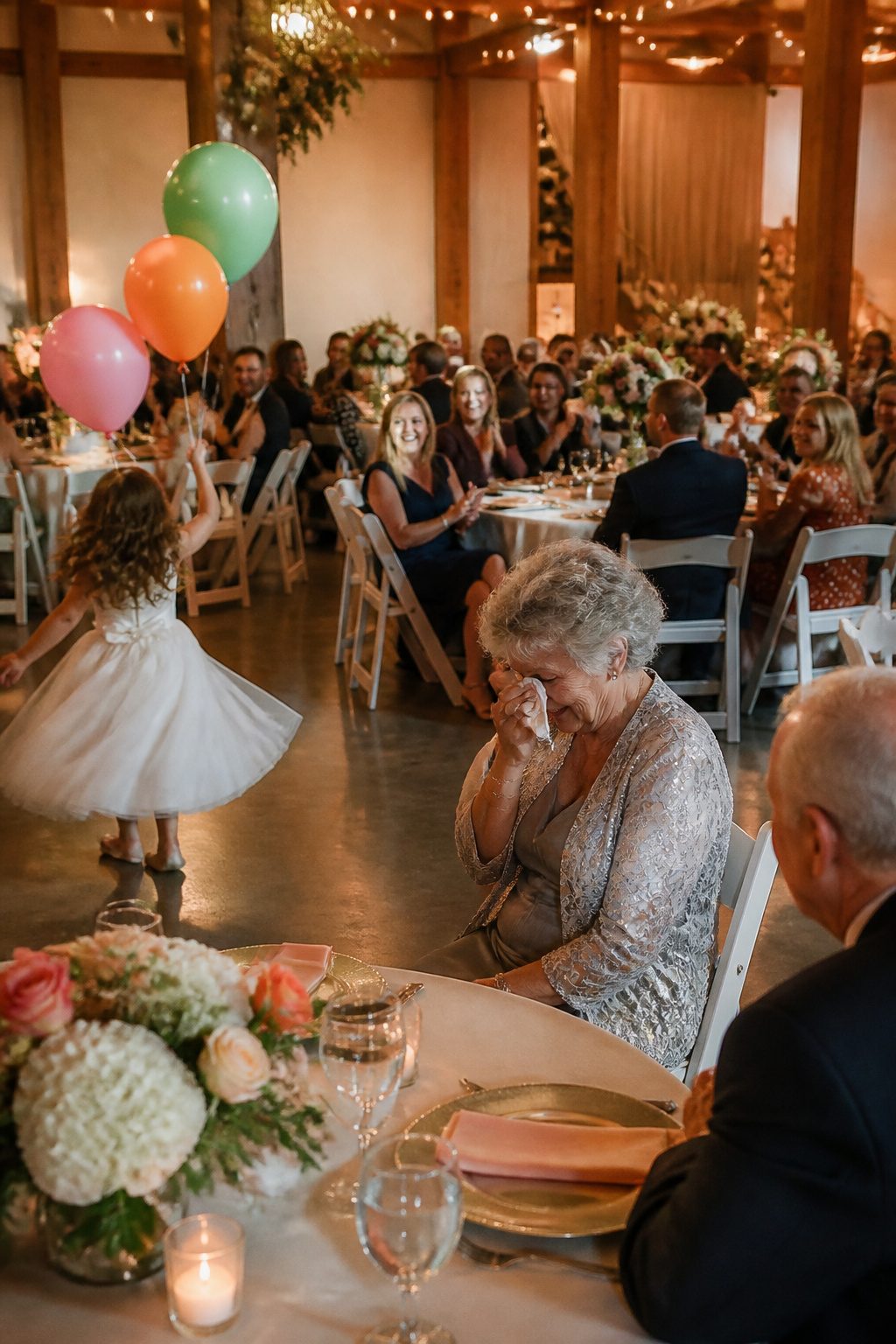
The best reception shots are the ones nobody planned.
Guests wiping their eyes during speeches, kids chasing balloons across the dancefloor, elderly relatives being helped to their feet; these are the moments that fill out a wedding album with real feeling.
Tell your photographer ahead of time that laughter among you and your guests matters to you. That single instruction changes what they watch for.
Unexpected mishaps belong in this category too. The glass that refuses to break, the unity candle lighter that fizzles; these glitches draw spontaneous reactions that often outshine the staged shot.
A photographer who stays alert to what’s happening around the room, not just what’s on the shot list, catches the relief and the shared joke that follows.
After the ceremony, while you’re still near the altar, family and friends line up with hugs and handshakes.
The tears and the laughter in that receiving line are unrepeatable. Make sure your photographer knows to stay present for it rather than packing gear for the reception.
6. Couple Portraits
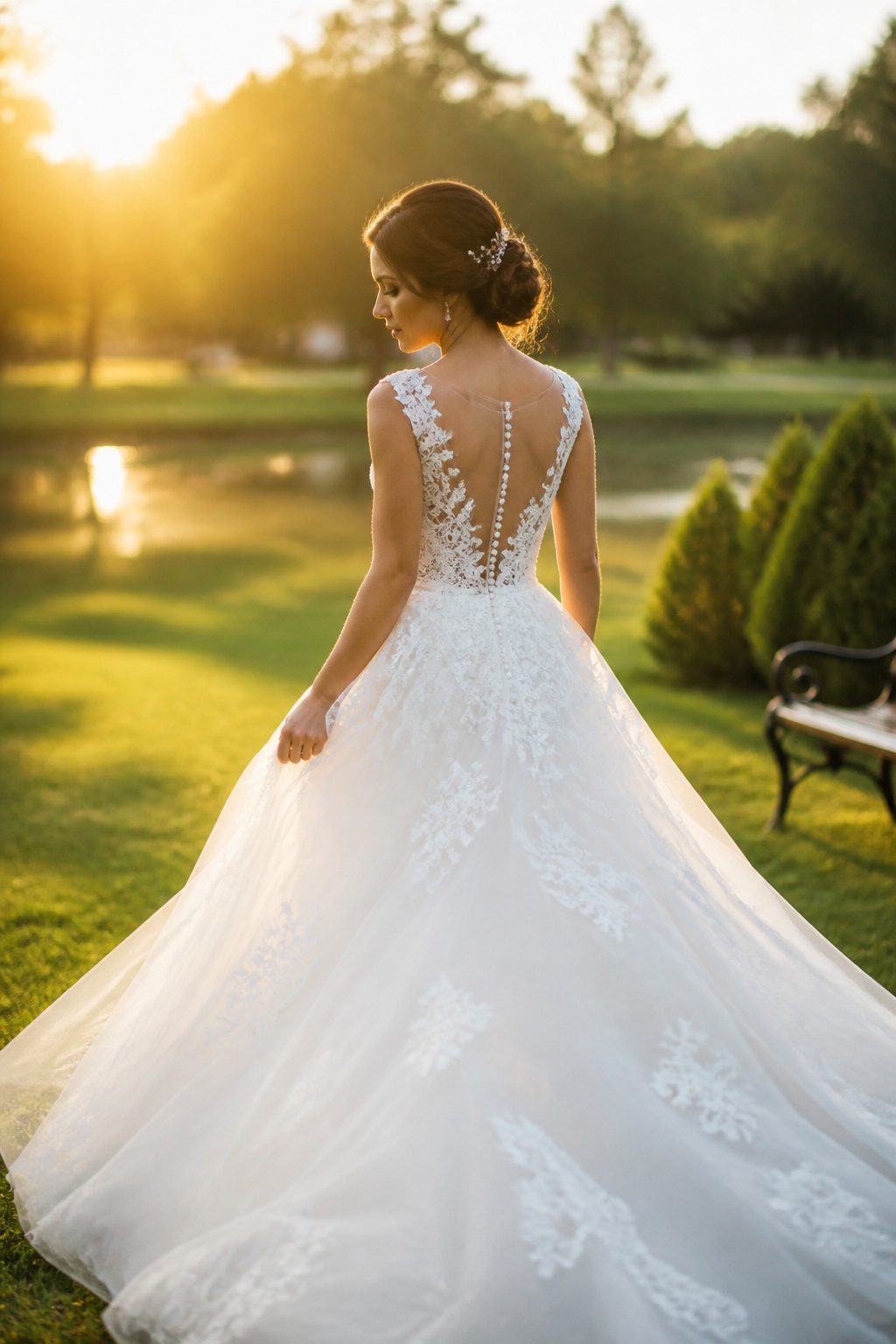
The couple portrait session is usually the only part of the day where the two of you step away from everyone else, and that quiet tends to show up in the pictures.
I have watched couples who insisted they would feel stiff end up laughing because the photographer stepped back and let them settle into each other rather than rearranging them every thirty seconds.
Posed or candid, the shot works when it reads as the two of you rather than a template.
If you want the editorial look, tell your photographer which side of your face you prefer and whether you want the location prominent or blurred to near abstraction.
If you hate the feeling of performing, skip the posing entirely and ask for the session to happen during a walk you would have taken anyway, or while you eat a quick snack away from the crowd.
The photographer can still place you in good light without you knowing it is happening.
Props help some couples loosen up, and they do not have to be sentimental. Sunglasses, a jacket with a custom patch, even the car you arrived in, give your hands something to do and your guests something to recognize later.
The photographer should scout spots with you beforehand, or at least arrive early enough to find them, because the best backdrop at your venue might be a corner of the parking garage or a stairwell you never noticed.
Personality is the only filter that matters here. A couple who never touches in public should not be asked to dip and kiss for the camera.
One who jokes through stress should probably be photographed mid-joke, not in forced serenity. The photographer’s job is to recognize which mode suits you, not to run every couple through the same twelve poses.
7. Wedding Party Photos
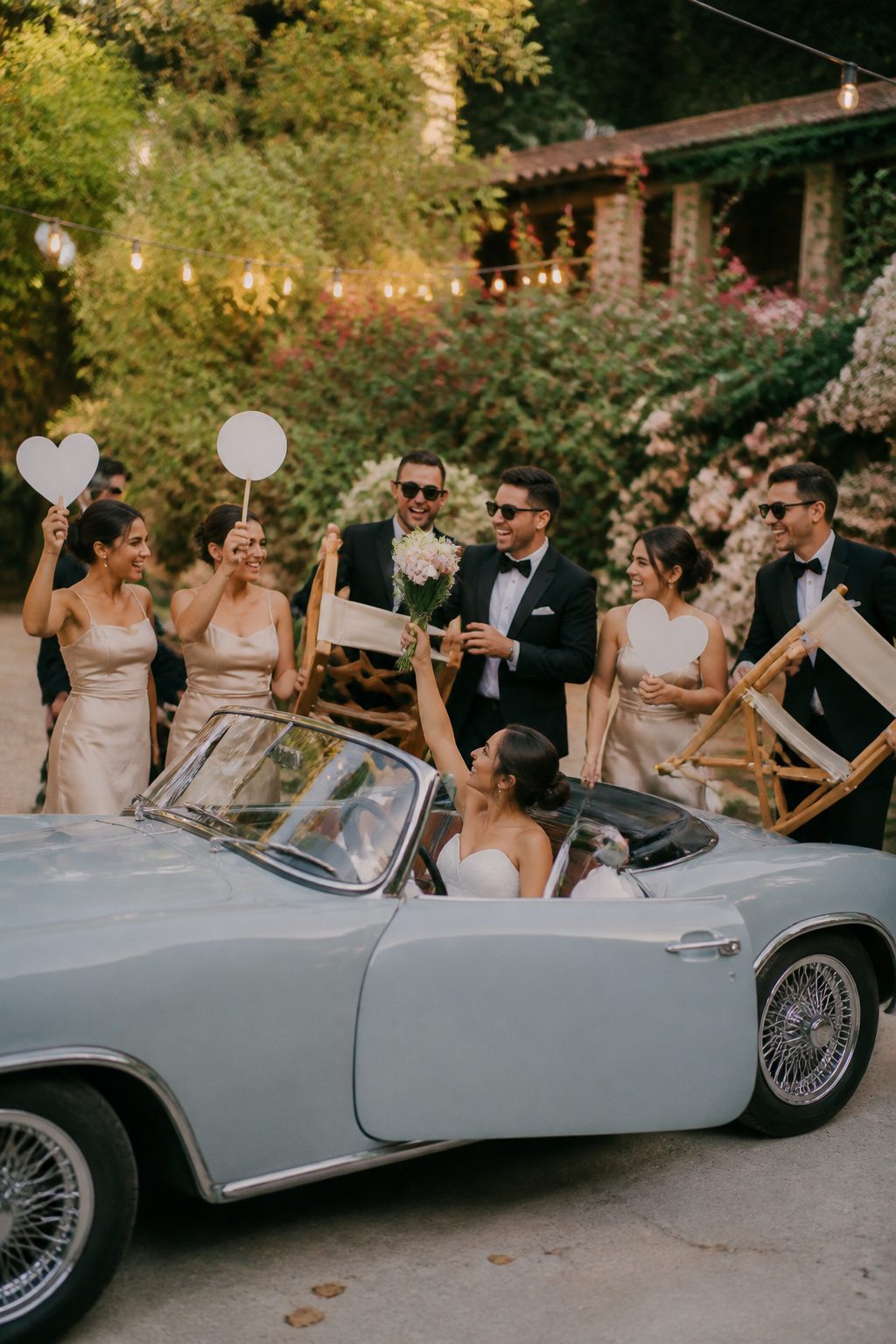
The wedding party shots that end up on the wall are rarely the ones where everyone is lined up like a team photo.
Those formal portraits still matter, and I always make sure to get them, but the images couples actually print are usually the ones where something went slightly off-script.
One groomsmen group I shot last year started doing a slow-motion run toward the camera, completely unplanned, and that frame outsold every posed shot in their gallery.
Props turn a standard lineup into something that reads as yours. A film-buff couple had their wedding party hold director’s chairs and a clapperboard; another group spelled out lyrics from the couple’s first dance song on pieces of card.
These shots sit right next to the traditional ones in the album without replacing them, and they give the party something to do besides stand still.
I shoot bridesmaids and groomsmen separately first, since those are the images most families request, but the frame I push for is everyone together.
The energy changes when the whole group mixes, and that cross-party chemistry is harder to fake than it looks.
The real mistake is saving all wedding party photos for after the ceremony when people are restless and the light is dying.
Twenty minutes during cocktail hour, split between one clean group shot and one ridiculous one, covers what you need without holding anyone hostage.

80 Pack Fake Diamond Rings: are you ready to add some sparkle to your party? We got you covered with this 80 pack fake silver diamond rings because this set is great for...
8. Reception Activities
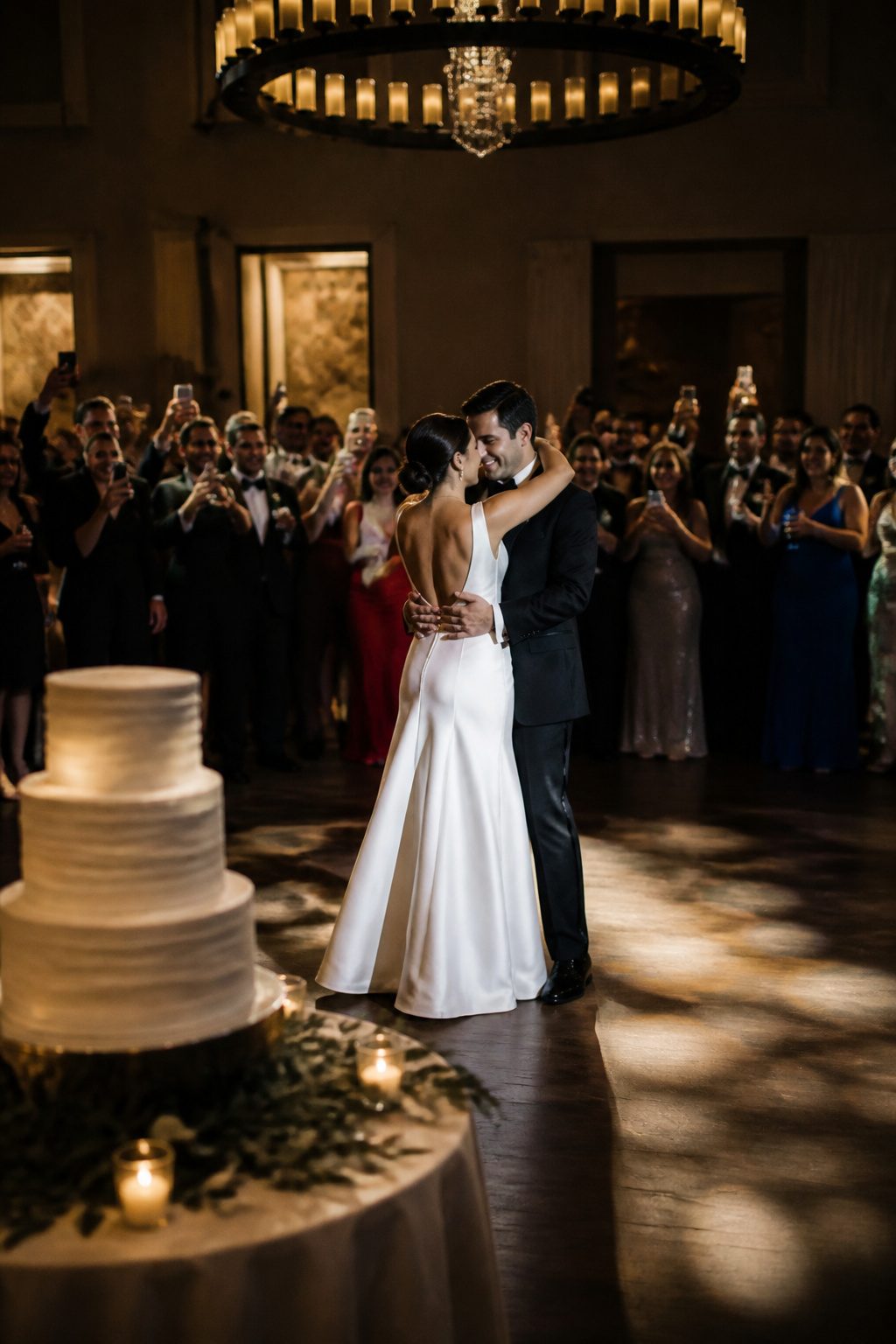
The first dance is where the day shifts from performance to party, and it deserves more planning than most couples give it.
I always tell people to discuss how late you want your photographer to stay before the night begins, because the best reception moments, the unplanned ones, happen after the formal shots are done.
Speeches run long, drinks go down, and suddenly your college roommate is crying while your niece chases a balloon across the dance floor. Those are the images that survive, not the posed ones.
The cake cutting, though, is worth keeping clean and intentional. Whether you go for the traditional slice or something messier, it is one of the few moments where both of you are doing something together that every guest watches.
I have seen couples try to skip it, and the evening loses a beat.
If you want something less staged, the newer approach is to make the cake itself interactive, a tiramisu sheet or a Millfoglie guests help sugar before you slice. It costs no more, but it photographs as participation rather than performance.
9. Unique Shots
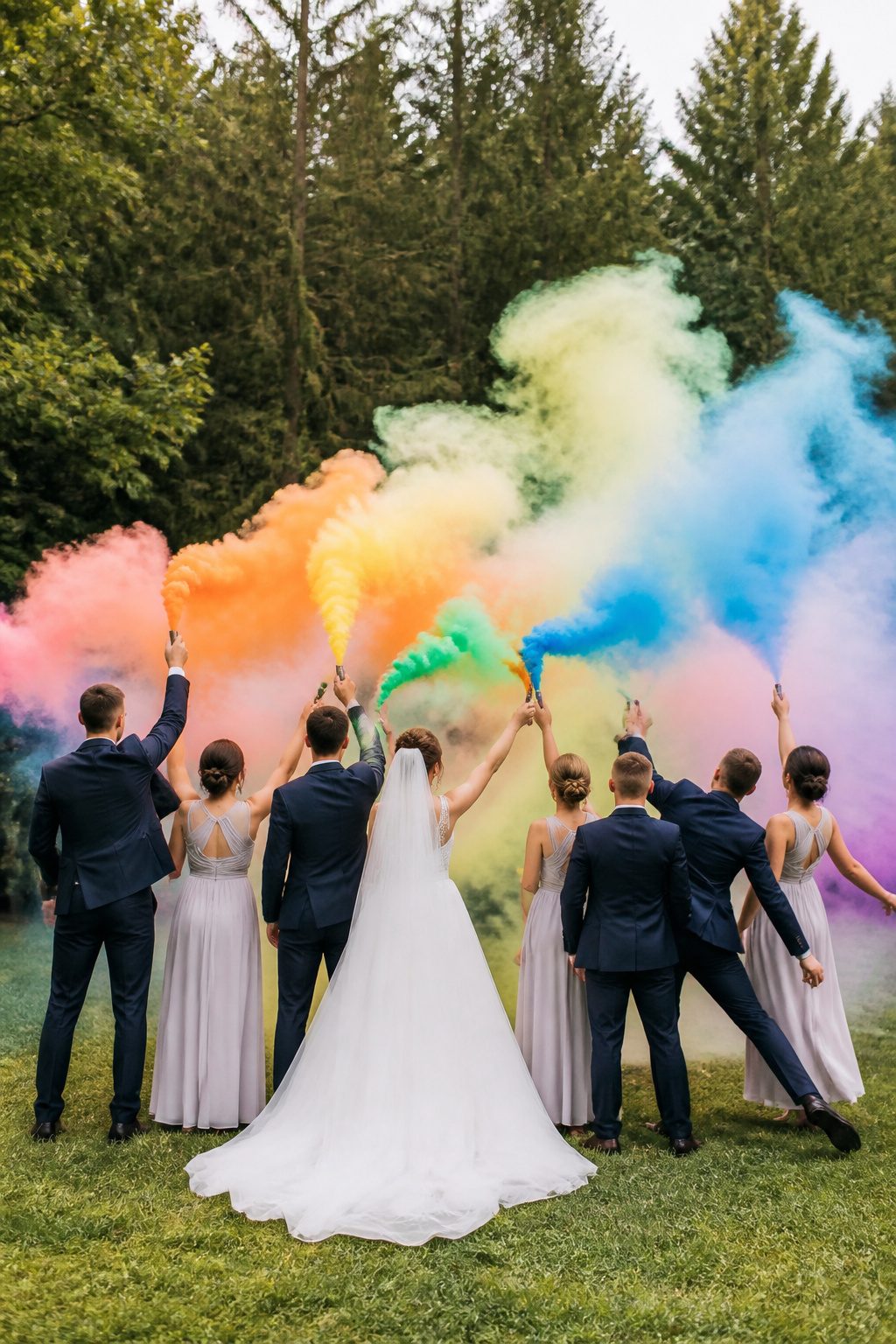
Smoke bombs turn a standard wedding party lineup into something worth framing, but only if the venue actually allows them.
Outdoor settings handle the color burst best, and the effect lands when everyone in the group holds one together rather than one or two people waving them around like sparklers.
The best poses are the ones that move: walking through the smoke, turning toward each other, anything that gives the color something to wrap around besides static grins.
Props work the same way when they mean something. Directors’ chairs and clapperboards fit a film-obsessed couple; cards spelling out first-dance lyrics give the wedding party something to do besides standing in height order.
The prop fails when it is just sitting there, so build in an action: lift, toss, read, react.
One pose I keep seeing done well is the sideways carry, groomsmen lifting the bride or bridesmaids lifting the groom, played straight or exaggerated for laughs. It breaks the formal-shot rhythm without drifting into forced wackiness.
The real judgment call is how many of these to schedule. One inventive setup per group keeps the album special; three starts to feel like a theme park.
10. Exit Shots
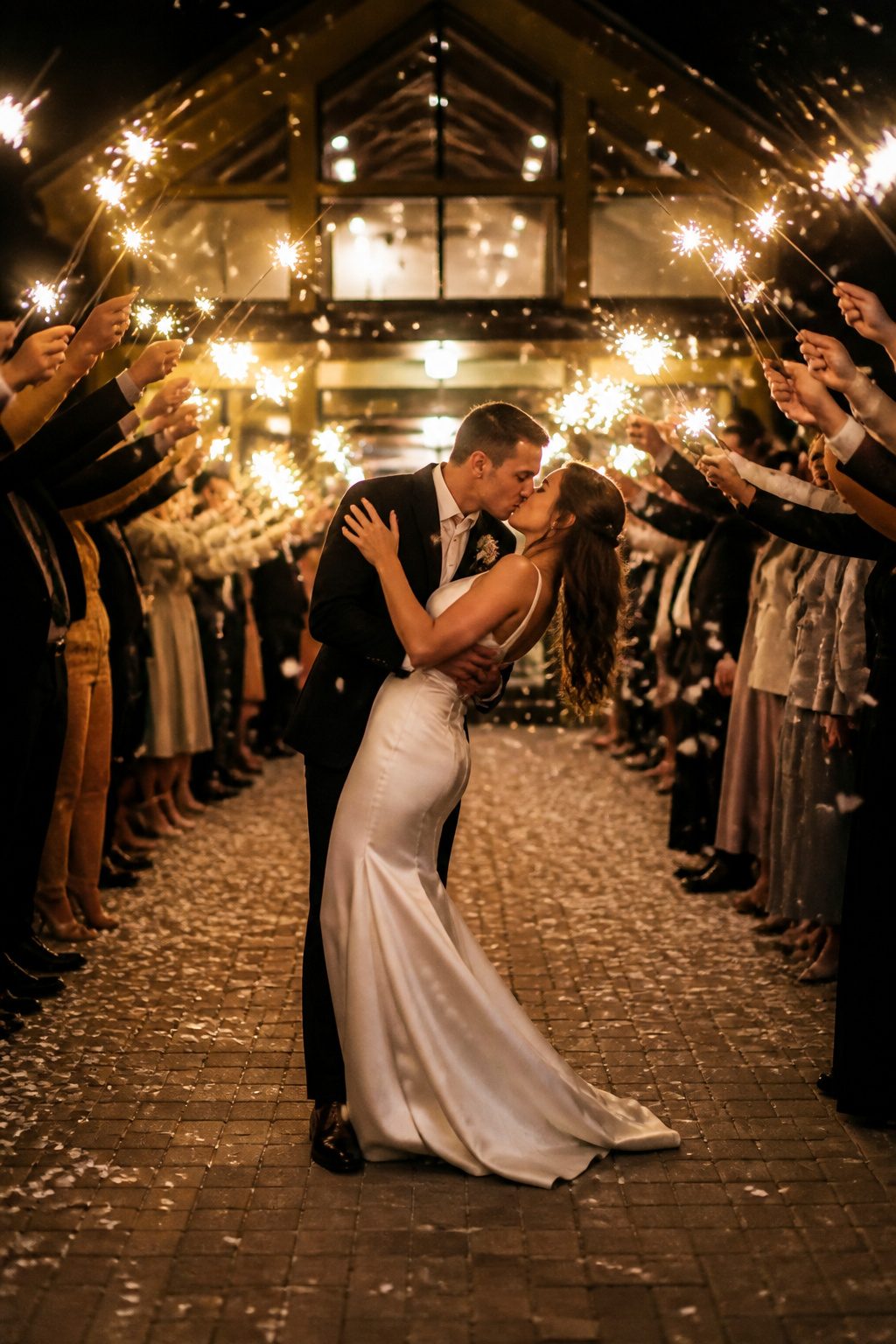
The last frame of the night usually belongs to the exit shot, and sparklers or confetti are what make it feel like a real send-off rather than a quiet walk to the car.
Guests line up in a loose tunnel, and the couple passes through while the photographer works fast against the dark.
Sparklers give you that warm tunnel of light; confetti gives you color and motion in the air. Both need a little coordination.
Someone has to hand out the sparklers, someone else has to gather people who have already drifted toward their coats, and the photographer needs a count so the moment does not dissolve before the camera is ready.
Biodegradable confetti or flower petals handle the cleanup worry. The exit is the final image in most albums, so the energy you put into organizing it shows up for years.
Drone and Aerial Options
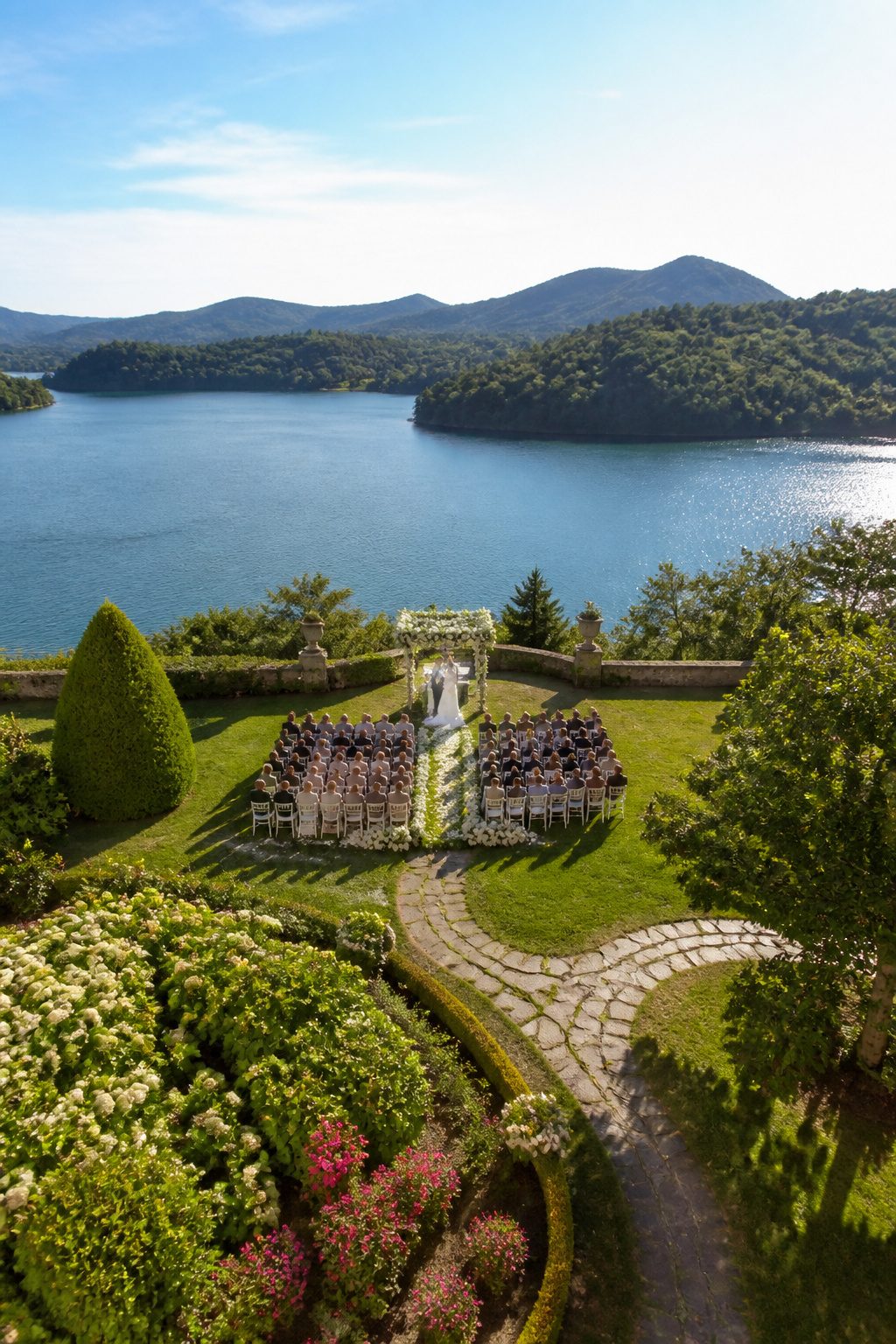
A drone opens up a shot you simply cannot get from the ground: the full sweep of your ceremony, guests arranged in their rows, the building or landscape that made you pick this venue in the first place.
For outdoor weddings especially, a licensed operator with FAA clearance is the only legal way to get that bird’s-eye view, and you will need advance permission from the venue itself, not just your photographer.
I have seen couples assume this is a quick add-on the morning of, but venues increasingly keep a hard list of approved vendors for liability reasons.
The catch is real and worth weighing early.
Rain grounds the drone outright. Proximity to an airport, even a small regional one, can kill the plan entirely.
One photographer I follow shot a summer wedding on Lake Como at Villa Erba where everything aligned, and that aerial perspective became the image the couple framed.
Without those conditions, you are paying for a contingency that never flies. Ask your photographer directly: do they keep a licensed operator on call, and what happens to your package price if weather or airspace shuts it down?
Post-Wedding Photoshoots
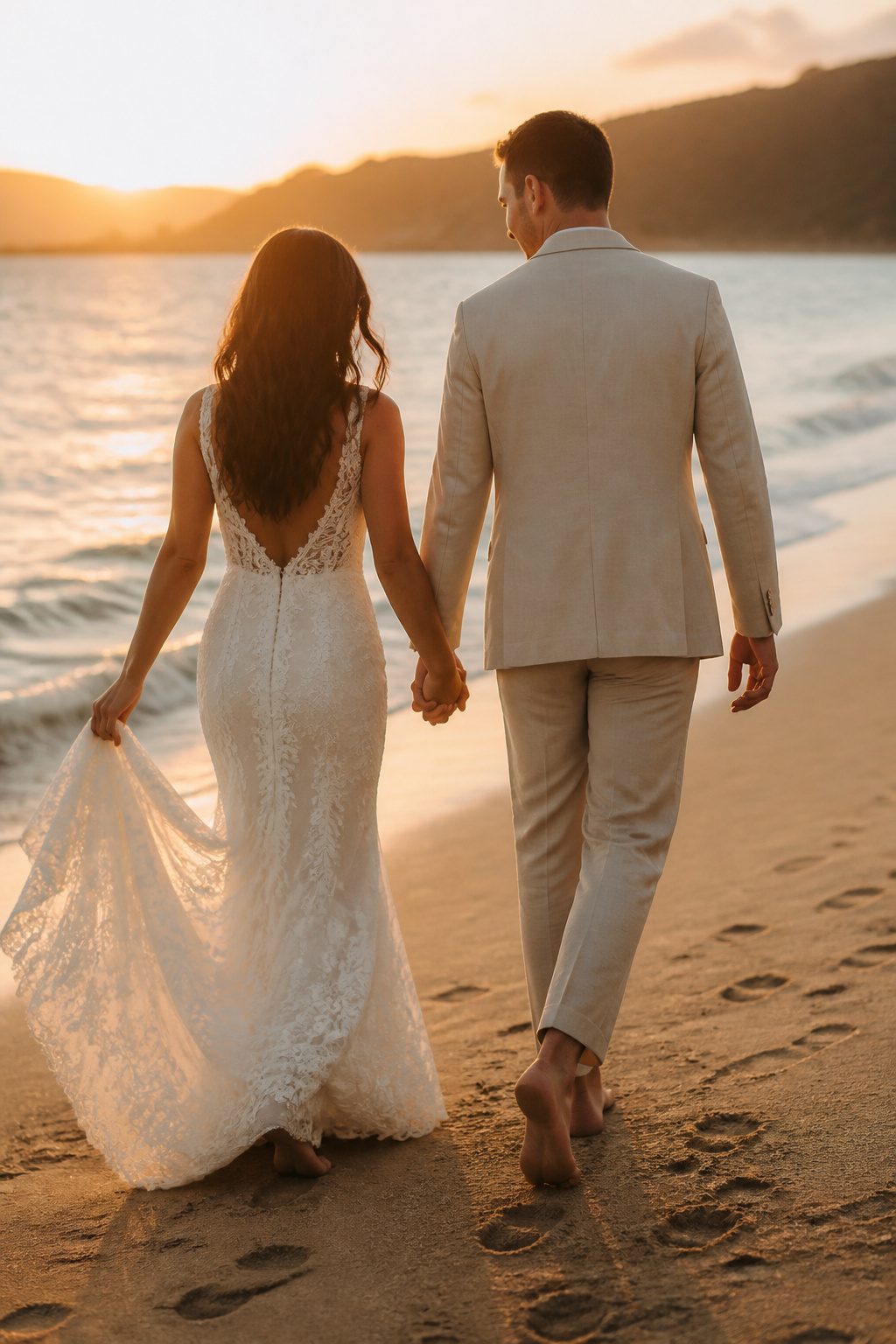
A post-wedding photoshoot lets you step back into your wedding attire once the day itself is over, whether that is the next morning, after the honeymoon, or even on your first anniversary.
The time pressure is gone, the guest list is not waiting, and you can reach locations the wedding timeline never would have allowed.
I have seen couples use this for a mountaintop session they could not logistically fit in, or a beach shoot the next day when the light finally cooperated.
The outfit is already paid for, so the only real add-on cost is the photographer’s session rate and whatever travel the new location requires.
Urban rooftops at golden hour, recreating your vows somewhere meaningful, or finally including a pet who could not attend the wedding, these all become possible when the schedule is yours again.
Some couples mix wedding attire with everyday clothes for a more relaxed feel, or go barefoot in the surf just because they can.
The trade-off is real: you are asking your photographer for a second booking, and you are spending one of your first married weekends posing instead of recovering.
For couples who felt rushed through portraits on the day itself, though, the chance to get those shots without a coordinator waving you toward the reception is often worth it.
Interactive Guest Photos
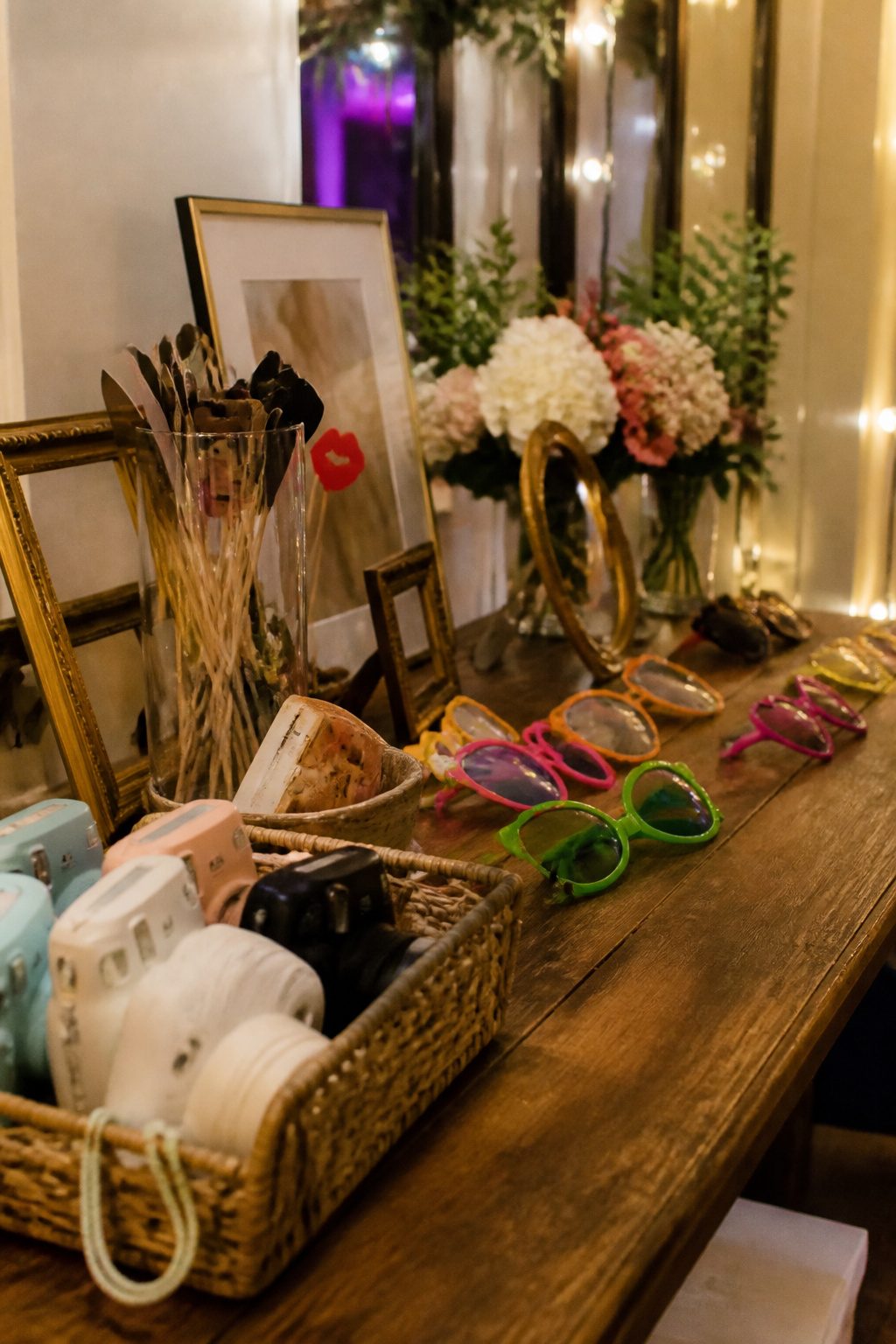
Disposable cameras left on the tables pull moments your photographer never could have reached: your college roommate laughing with the caterer, your uncle’s actual dance moves once the playlist turns.
The film comes back grainy and genuine, and the bad shots cost you nothing.
For a different angle, hand cameras to the kids. They shoot from waist height, they chase the dog through the garden, they document the parts of the room adults forget to notice.
The photos keep them busy through speeches, and you get an album that looks nothing like the official one.
Props work the same way if you place them where guests naturally gather. A basket of oversized glasses, cardboard mustaches, and blank signs with markers near the bar gives people something to do while they wait for drinks.
The props that look forced in posed portraits turn spontaneous when guests pick them up themselves.
A Polaroid guest book shifts the energy entirely. Guests write a message, hold it to the camera, and stick the print into the book with their note.
The selfie they snap alongside it, silly or straight-faced, fills pages faster than signatures ever would. The camera itself becomes the activity, not just the record of it.
Frequently Asked Questions
What are some unique wedding photo ideas?
Smoke bombs add color and atmosphere to wedding party shots, especially when everyone holds one together and moves through the smoke rather than standing still.
Props with personal meaning, like director’ chairs for film lovers or cards spelling out first-dance lyrics, turn standard group photos into something that reads as yours.
The key is building in action, lift, toss, read, or react, so the prop does not just sit there.
How can I make my wedding photos more candid?
Tell your photographer ahead of time that genuine laughter and unplanned moments matter to you; that single instruction changes what they watch for.
Let them step back during couple portraits so you settle into each other naturally rather than being rearranged every few seconds.
Keep an eye out for unexpected mishaps too, like a glass that refuses to break or a candle lighter that fizzles, since the spontaneous reactions that follow often outshine anything staged.
What should I include in my wedding photo shot list?
Cover the full day: getting ready with hair and makeup in progress, detail shots of rings and invitations before guests arrive, first look if you choose one, ceremony highlights including vows and the first kiss, candid reception moments, couple portraits, wedding party photos, and your sparkler or confetti exit.
Budget for a second shooter if you want both partners’ mornings covered, since one photographer cannot be in two places at once.