The designs below move from quiet to bold: geometric settings, colored stones, salt-and-pepper diamonds, rose cuts, mixed metals, and shapes borrowed from leaves and branches.
How you actually use your hands matters. A band that sits low or a stone turned sideways stays out of the way for typing or cooking; simpler profiles work better for quieter routines.
A single vivid gem, set well, holds the eye without any help from a diamond halo or side stones.
1. Non-round Diamond Shapes
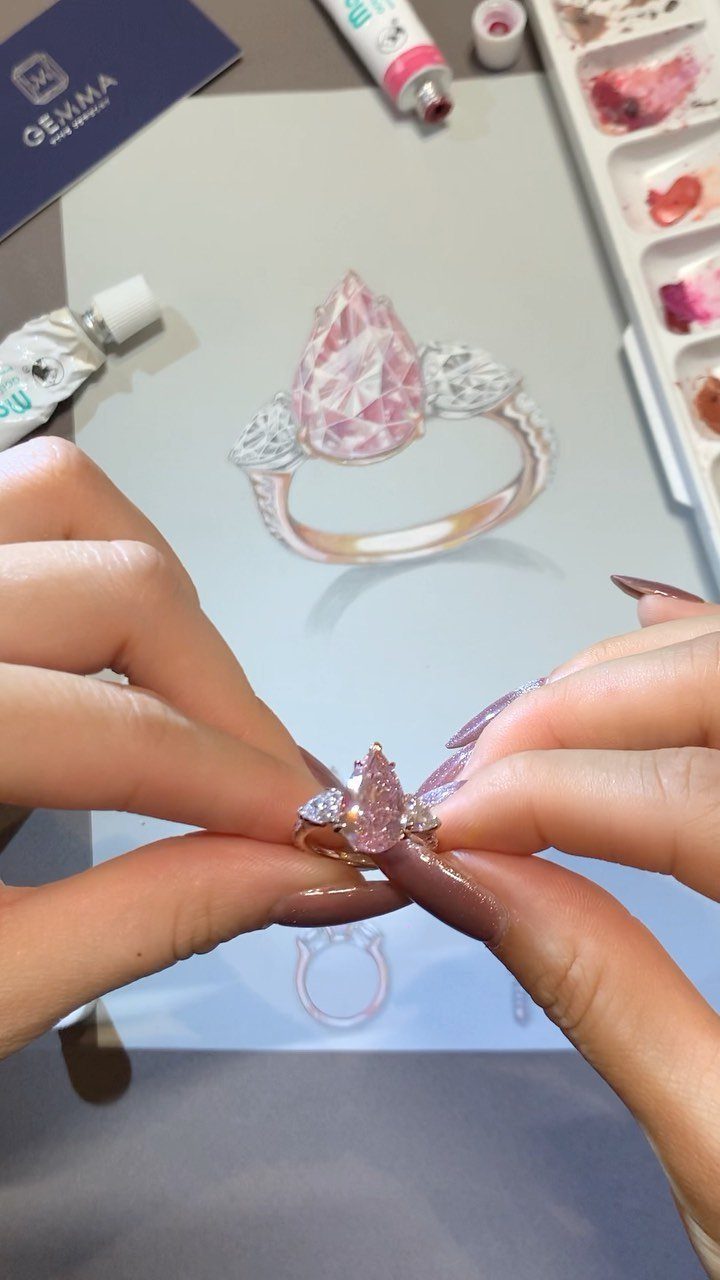
A pear-shaped stone catches light differently than a round one, elongating the finger and drawing the eye along its point. Emerald, oval, and princess cuts work the same way, each with its own geometry of sparkle.
A kite-set cushion cut, turned on its point so the corners stand vertical and horizontal, reads completely different than the same stone sitting square.
For daily wear, remember that pointed shapes like pear and marquise need prongs protecting their tips, a small detail that prevents chipping over years of use.
Prices shift with rarity: pink diamonds run higher than yellow, blue sits somewhere between.
If color matters to you, ask to see the stone against skin rather than velvet. That is where you will actually wear it.

🌻 :100% brand new imported high quality materials.

EXPERT CRAFTSMANSHIP & DETAILING: Thoughtfully designed with precise cuts, secure settings, and smooth finishes, ensuring structural integrity and a refined appearance that endures over time.

Authoritative Certification: IGI Certified 1-3 Carat Pear Cut Lab Grown Diamonds, D-E Color Close to Colorless, VS1-VS2 Clarity, Fiery Brilliance Comparable to Natural Diamonds
2. Colored Gemstones
Sapphires hit a 9 on the Mohs scale, hard enough for decades of daily wear without the diamond price tag. Rubies share that hardness; emeralds are softer and need gentler settings and more careful wear.
The Janrace’s 6.85 carat kunzite, cushion-cut and kite-set, proves a colored stone needs no diamond companion to command attention. Alexandrite shifts green to red depending on light, a party trick that never wears thin.
Ask whether the gem is treated.
Heat-treated sapphires are standard and stable; oiled emeralds need re-oiling over time. That maintenance shapes the true cost.

★ :100% brand new imported high quality materials.

D-COLOR VVS1 MOISSANITE – A 1.5 CT oval lab-created moissanite center stone with D color, VVS1 clarity and Ideal Cut defines the solitaire profile.

★ :100% brand new imported high quality materials.
3. Salt and Pepper Diamonds
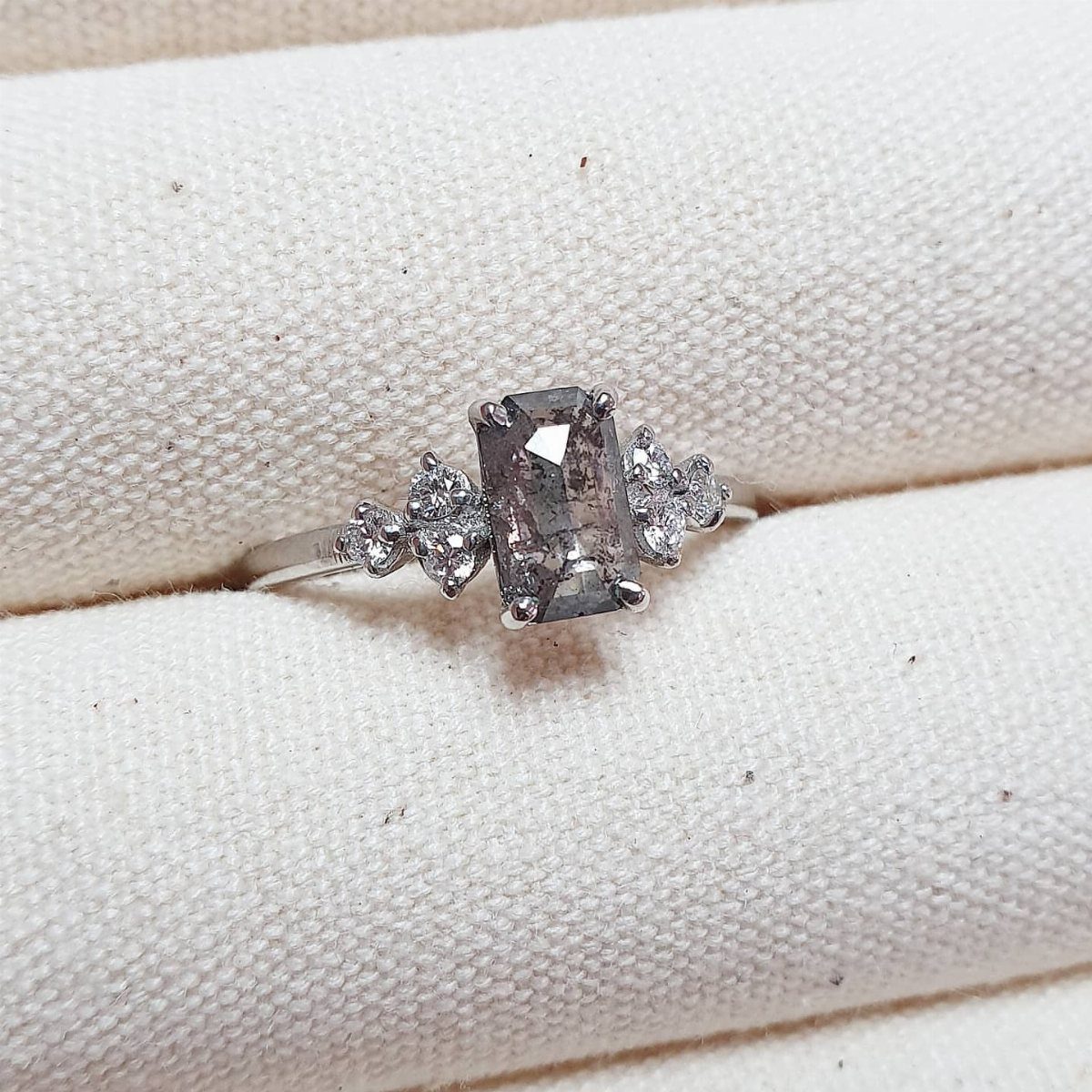
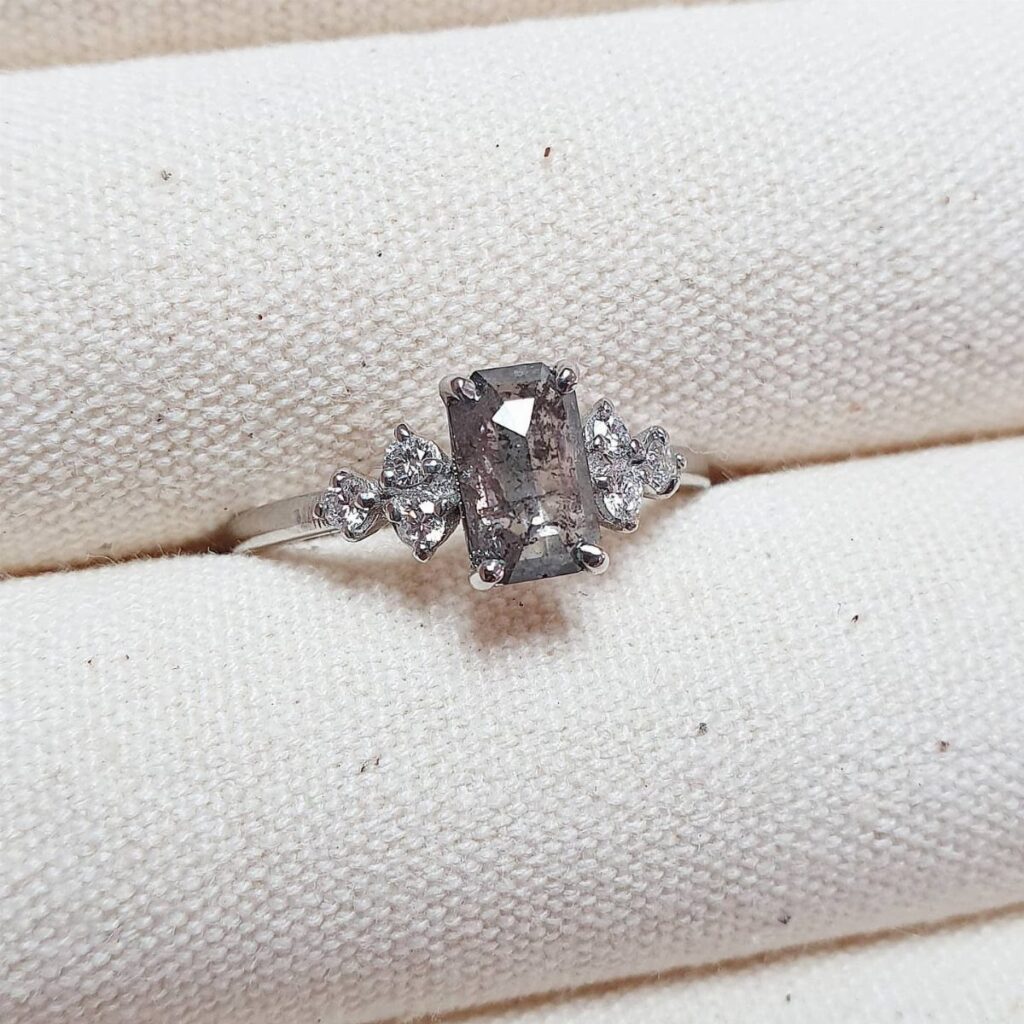
Inclusions that graders reject in white diamonds become the entire point here: black and white speckles, wisps, and galaxies trapped inside each stone.
No two repeat, which is the appeal and the risk, since you buy the specific stone, not a category.
Rough or raw cuts lean harder into the unconventional; polished and faceted versions split the difference with traditional sparkle.
The Ellen pairs a rough grey center with a polished diamond band, a combination still rare enough that most jewelers will need to source specially.
These rate 10 on the Mohs scale like any diamond, so durability is not the trade. Clarity grading goes out the window, which means relying on your own eye and a return policy.

Princess Cut Salt and Pepper Diamond Ring for Women, Raw Black Inclusion Diamond Solitaire Ring, Rustic Engagement Ring, Unique Square Diamond Gold Ring Gift

18K Gold-Plated - The gold-plated band is delicate and comfortable for daily wear; The shank is 2mm wide

FEATURES : Emerald Cut Natural Salt and Pepper Diamond Engagement Ring - Presented as a Symbol of Enduring Love or a Celebration of The Beauty Found in Imperfection. Due to Black and White Inclusions Inside The Diamond, It Gives a Dark or Light Grayish Color Tone to The Diamond. They're Called 'Salt and Pepper' or 'Galaxy' Diamonds for Their Cosmic, Night Sky Appearance. Each Salt and Pepper Diamond is One-of-a-Kind, There is No Identical to Another One.
4. East-west Settings
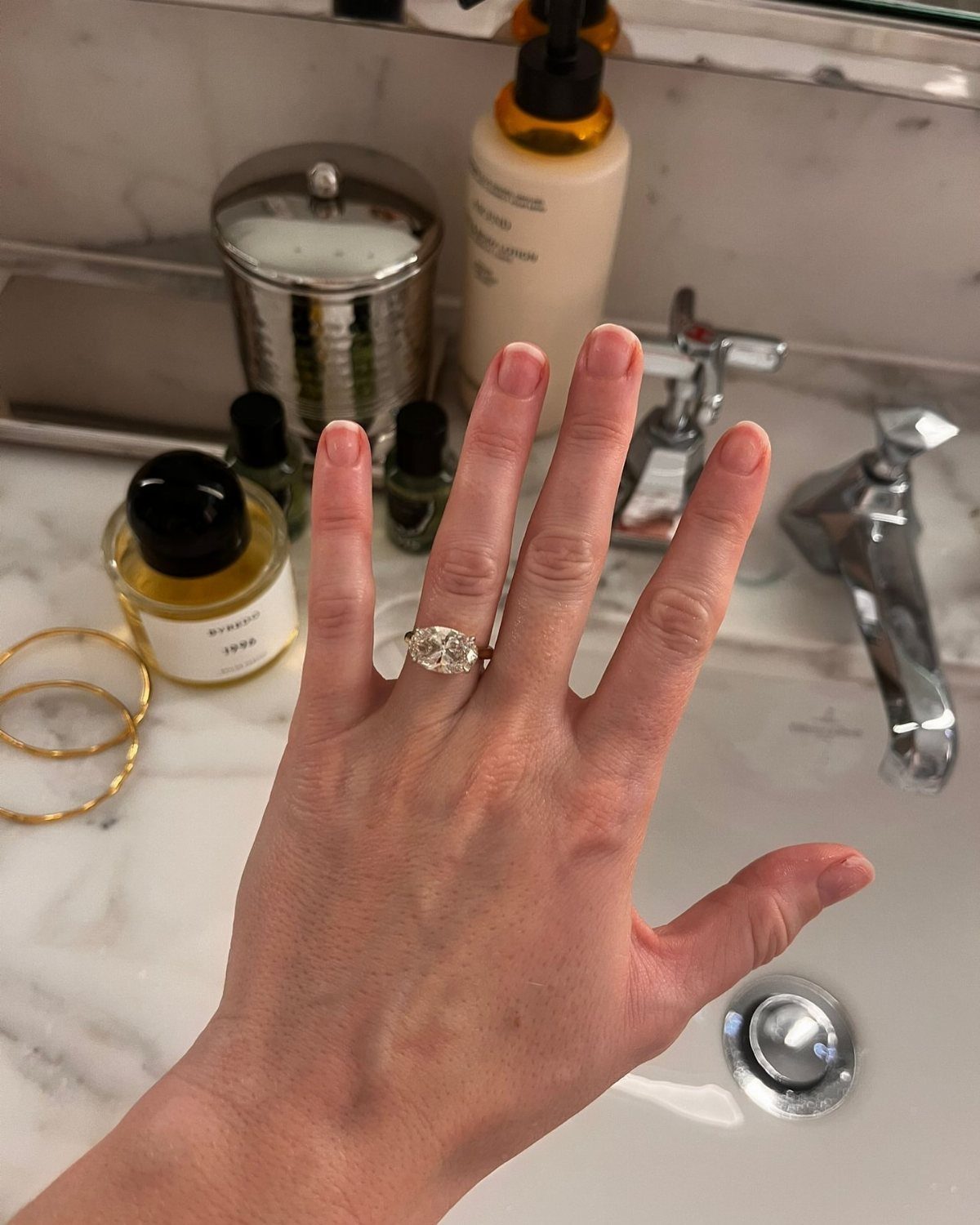
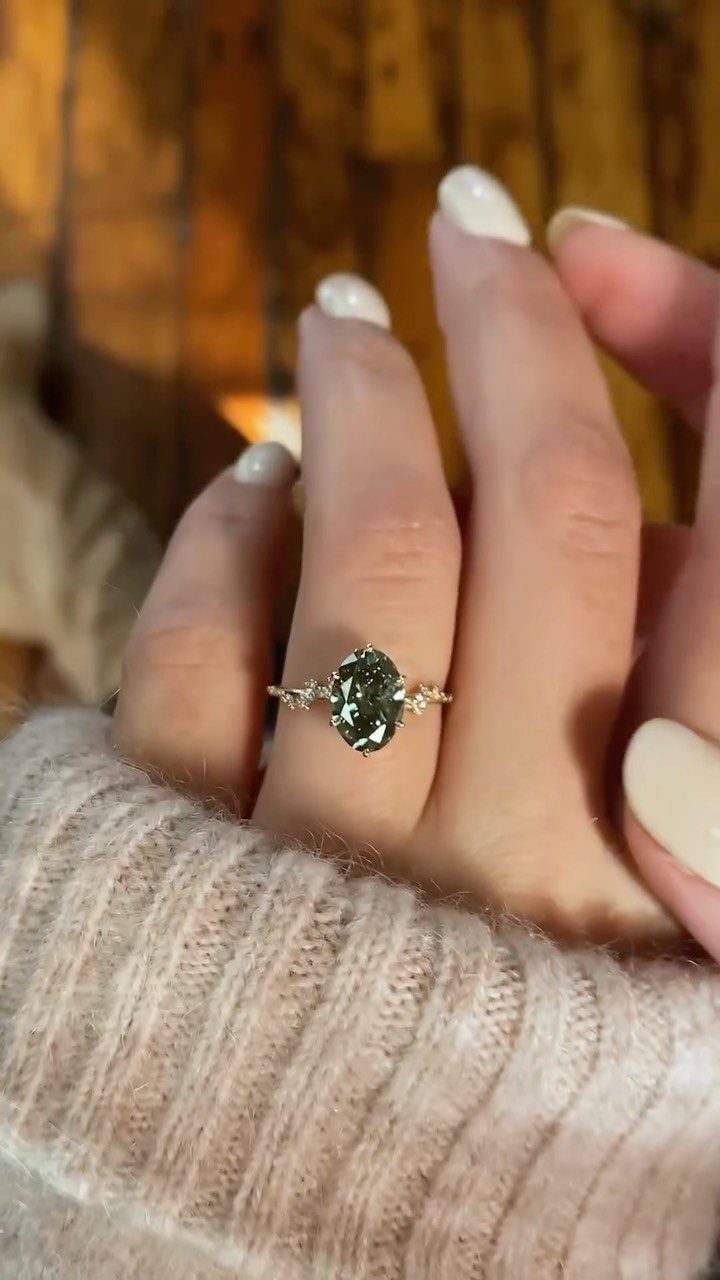
A horizontal oval stretches across the finger instead of running with it, a small rotation that reads as distinctly modern.
The bezel setting, a rim of metal circling the stone, flatters this orientation particularly well; it also protects edges that catch more often when turned sideways.
The Jordan and similar designs have picked up coverage in bridal magazines for good reason. The look uses less vertical space, which matters if you type, play instruments, or simply dislike rings that bump into everything.
Reverse halos, small diamonds set beneath the center stone rather than around it, add hidden sparkle visible only from certain angles. That is a second variation worth considering if you want uniqueness without abandoning the horizontal line.

√HIGH-QUALITY 2 CT CUBIC ZIRCONIA 925 STERLING SILVER RING : Our classic 2 carat solitaire promise ring for women is made of solid S925 sterling silver. Sterling silver in our women’s engagement ring is tarnish-resistant ensuring there is no tarnish residue on the skin. Rhodium plating provides a long-lasting luster and makes anillos de plata 925 women tarnish resistant! Completely hypoallergenic allergy-free nickel-free lead-free and cadmium free to prevent irritation.

Condition: Brand New and High Quality !

√HIGH-QUALITY AAA CUBIC ZIRCONIA 925 STERLING SILVER PROMISE RING : Engagement ring for women is made of solid S925 sterling silver, known for strength, brightness and shine. Sterling silver in our women’s wedding ring is tarnish-resistant, ensuring there is no tarnish residue on the skin. Rhodium plating provides a long-lasting luster and makes anillos de plata 925 women tarnish resistant! Completely hypoallergenic, allergy-free, nickel-free, lead-free, and cadmium free to prevent irritation.
5. Asymmetrical Designs
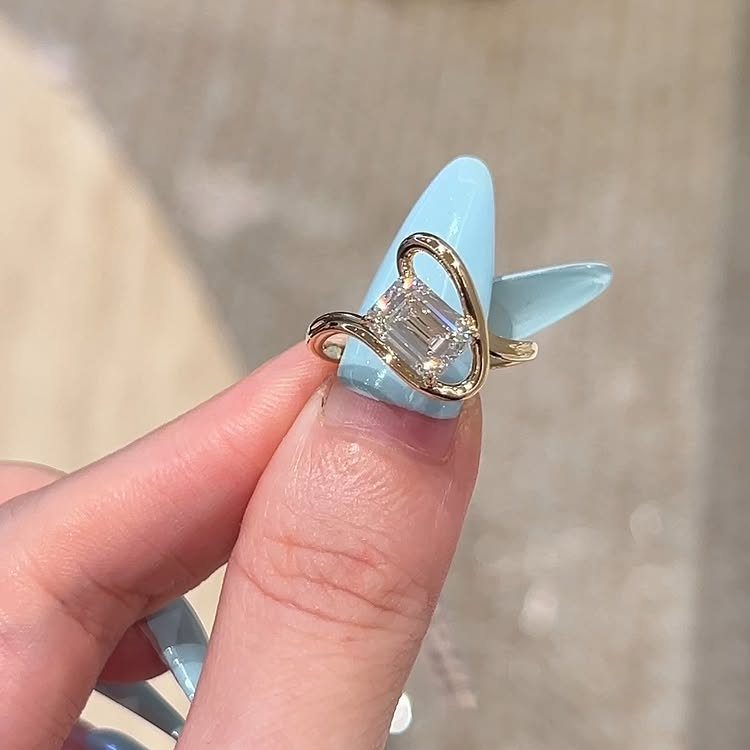
Stones arranged deliberately off-balance tell a story traditional symmetry cannot, though the story depends on placement: a marquise tilting away from a round, a cluster weighted to one side, a band that loops rather than circles.
Custom work lets you combine shapes that mean something specific, a birthstone beside a diamond, a gem from a grandmother’s ring flanking a new stone. Clustered stones of different sizes, set deliberately off-center, feel intentional rather than accidental.
The cost runs higher for one-of-a-kind design, and revisions take time you may not have.
If your wedding date is fixed, start this conversation early. Custom work takes time; ask your jeweler early, especially if their calendar fills fast.

ADJUSTABLE FIT: Open-ended band design, suitable for most finger sizes, adjustable range aboat US6-9


【DESIGN】14K Gold Twig Leaf Ring - This nature-inspired band is shaped like a twig, representing a new family tree branch. Unique thorn branch design inspired by wild nature, symbolizing everlasting love overcoming hardships and personal growth through life’s challenges. Scattered CZ stones represent little lucky glimmers amid difficulties.
6. Nature-inspired Designs
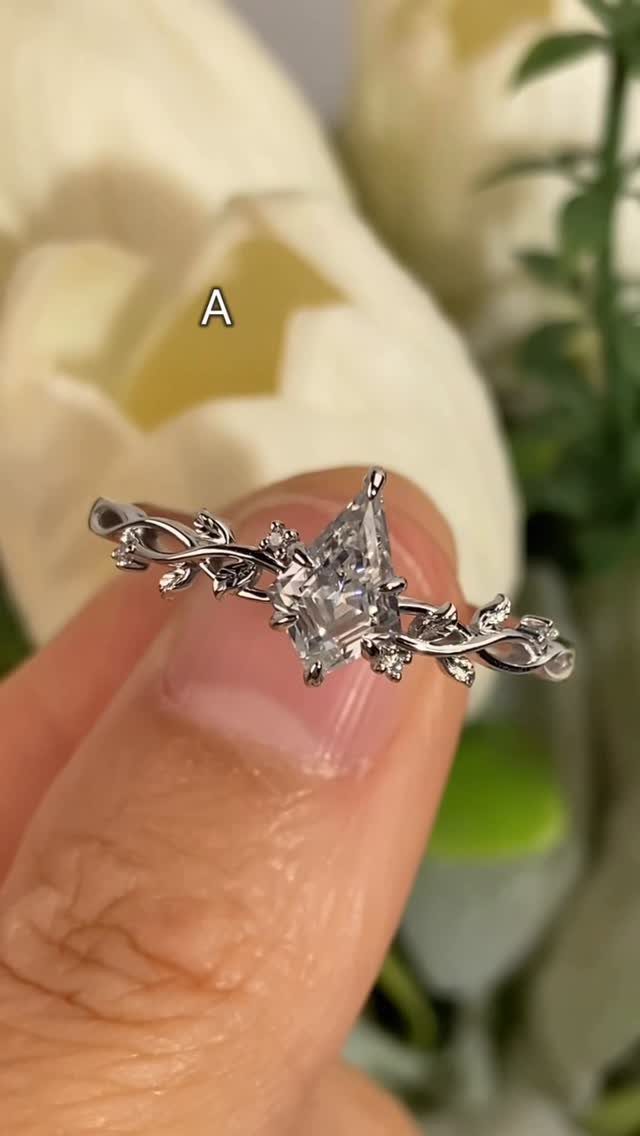
Vine bands, leaf prongs, and floral galleries translate organic forms into metal and stone without literal novelty. A traditional center stone reads differently when the setting does the storytelling.
Intricate metalwork traps more dirt than smooth bands, so consider how much maintenance you want to sign up for. Ultrasonic cleaning works for most, but check whether your specific design has hollows or textures that hold moisture.
Nature themes also invite mixing materials: wood inlays, rough stones, uncut gems.
Each adds variables for durability and care. Ask specifically about water exposure and whether the finish is sealed or living.

★ Charm show:Pink Teardrop Pear Cut Zircon Charming design,On your finger Bloom shine.You have it, you will be the focus of everyone.

🌻 :100% brand new imported high quality materials.

Side Stone Diamonds are G-H Color SI1-SI2 Clarity. However the Center Stone is a MAN MADE LAB GROWN IGI CERTIFIED DIAMOND
7. Mixed Metals
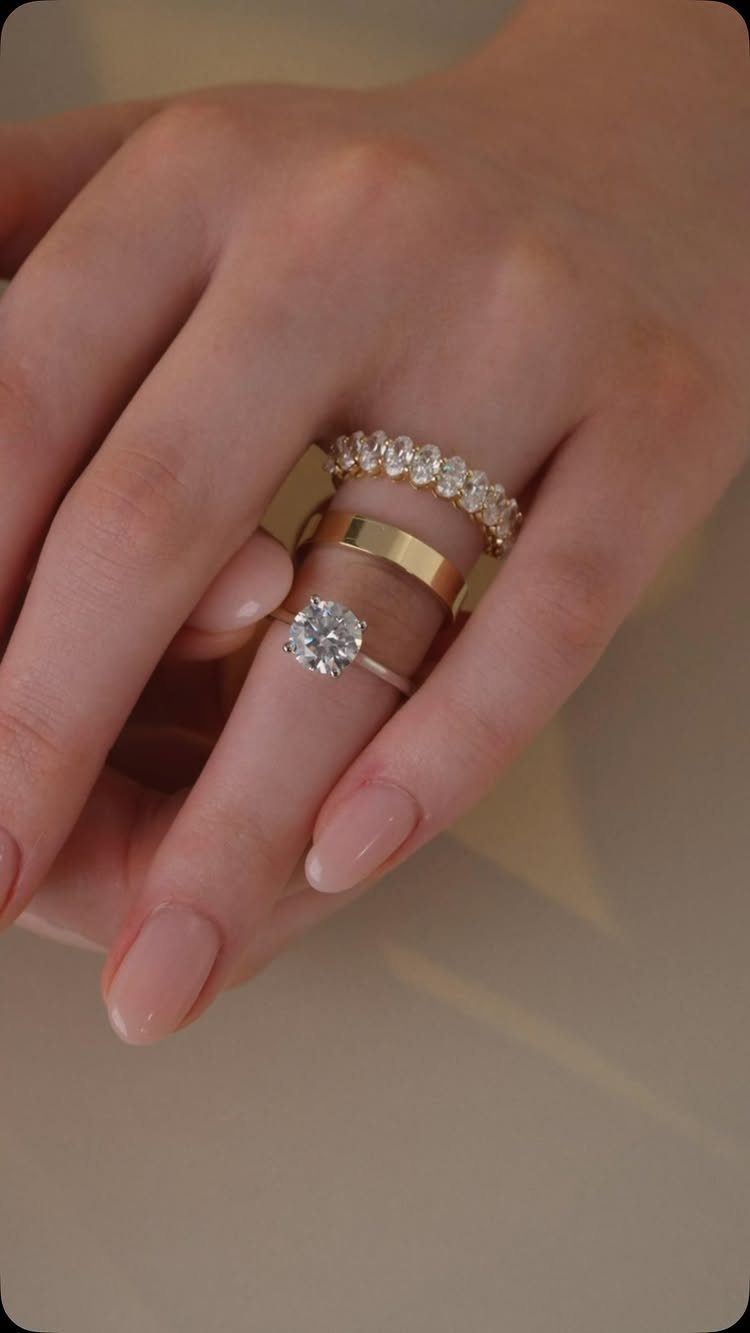
A yellow-gold cigar band beside a platinum solitaire breaks the old rule that everything must match. The contrast reads intentional, not accidental, especially when the tones sit in separate pieces rather than fused into one.
Two-tone settings work best when the metals serve different jobs: a harder platinum or white gold holding the stone, a warmer band for comfort or stackability. Rose gold with platinum, like the Caroline, keeps the look modern rather than dated.
The risk is uneven wear.
Softer yellow and rose golds scratch faster than platinum, so the pieces age differently. If you want them to stay matched, plan on refinishing the softer metal more often.

★ :100% brand new imported high quality materials. Top quality AAA cubic zirconia stone.

EXQUISITE DESIGN: This stunning solitaire engagement ring combines the elegance of 18K yellow gold plating with the brilliance of a 9x7mm oval gemstone birthstone, creating a timeless piece that exudes sophistication and charm.

Nature Inspired Ring for Women : Sterling Silver Branch Leaf Rings Holding a 6*8 Oval Main Stone on Center, a combination of beauty and gemstone.
8. Accent Stones
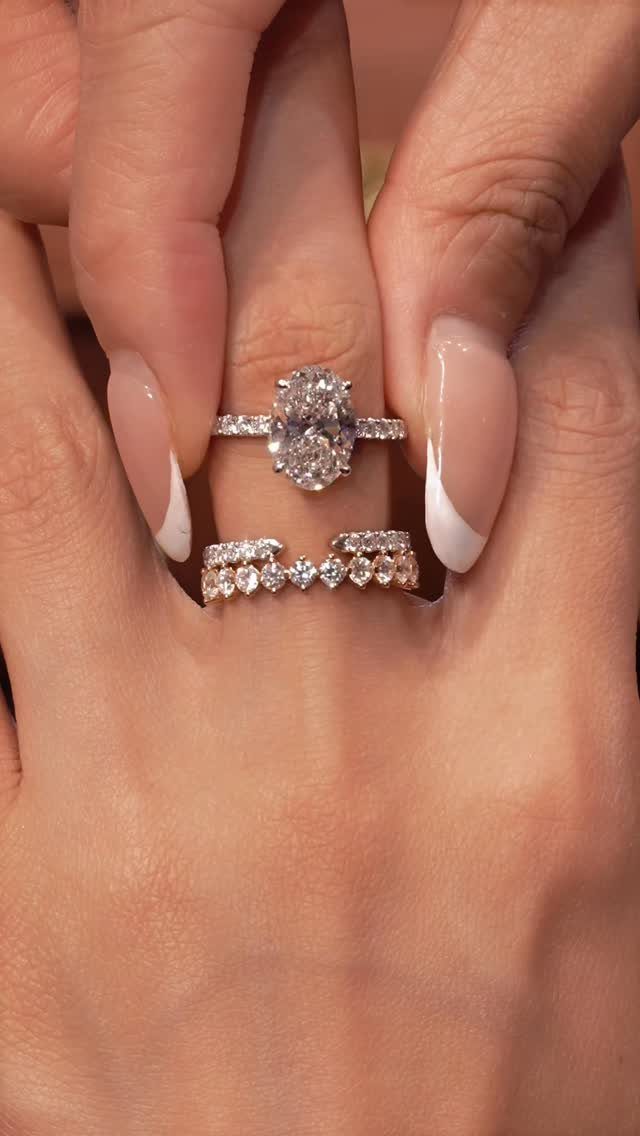
Small gems flanking a center stone turn a standard solitaire into something designed. The arrangement matters more than the size: baguettes frame, trillions point, scattered pavé scatters light across the band.
Color in the accents changes everything.
A 4.05 carat aquamarine set flush with a diamond crown reads as one piece, not a main stone with afterthoughts. The Brooke works because the settings share a plane, not a competition.
Cost stays lower than upgrading the center stone, but setting small gems well takes skill.
Check that prongs are sized for each stone individually, not one size forced to fit all. Loose accent stones are the most common repair in vintage rings.

Salt and Pepper Diamond Rings: Celebrate your love with this exquisite white gold salt and pepper diamond ring. Crafted with meticulous attention to detail, it features a stunning natural salt and pepper diamond as the centerpiece, surrounded by sparkling moissanite stones.

Vintage Ring: Celebrate your love with this exquisite salt and pepper diamond engagement ring. Crafted with meticulous attention to detail, it features a stunning natural salt and pepper diamond as the centerpiece, surrounded by sparkling moissanite stones.

【Design】This salt and pepper diamond engagement ring features a stunning 1.5 ct princess cut salt and pepper diamond at its center, accented with brilliant marquise and round side stones that curve gracefully along the band for a luxurious, eye-catching design. This beautiful ring is perfect for any bride-to-be and will make her shine bright on her most special moments.
9. Minimalist Engagement Rings
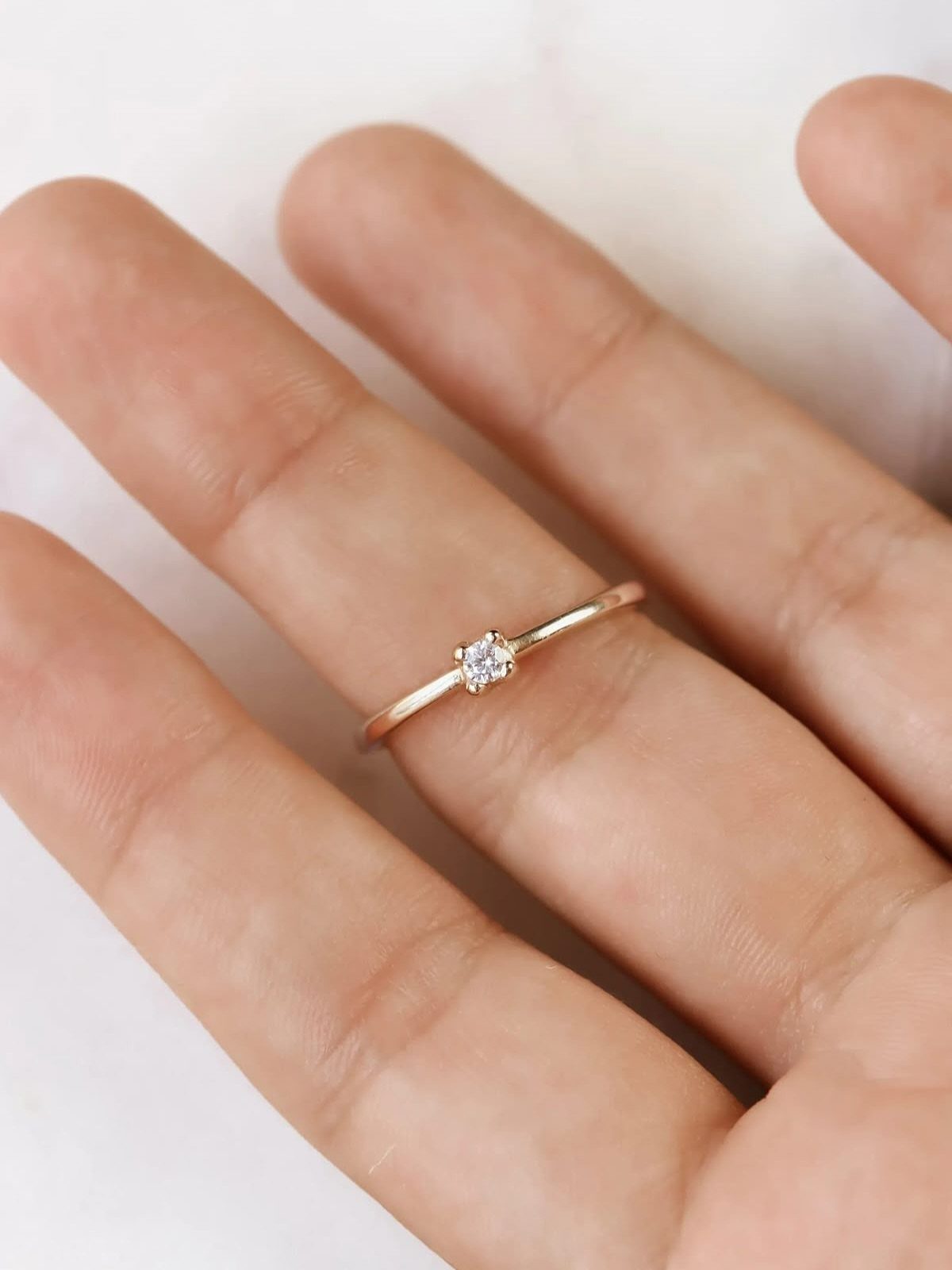
A single small stone on a whisper-thin band asks for confidence in restraint. The Krystin skips diamond entirely for a 1 carat blue topaz, ethereal and unexpected, the setting so slight the gem seems to float.
Thin bands need harder metals.
Platinum or 14-karat gold resists bending; anything softer warps under daily pressure. The trade is durability for delicacy, and the line is thin.
These stack with anything, which is the point.
A minimalist engagement ring does not fight with wedding bands, anniversary additions, or the rings you already own. For some, that versatility matters more than a statement.

Condition: Brand New and High Quality !

Elegant Princess Cut Moissanite: Features a sharp, modern princess-cut moissanite that delivers exceptional brilliance with a geometric, contemporary look. Main Stone - Moissanite Stone Creation - Lab Created Stone Shape - Princess Stone Color - Colorless Stone Size - 6 MM Second Stone - CZ Diamond Stone Color - Colorless Stone Shape - Round
10. Rose-cut Diamond Settings
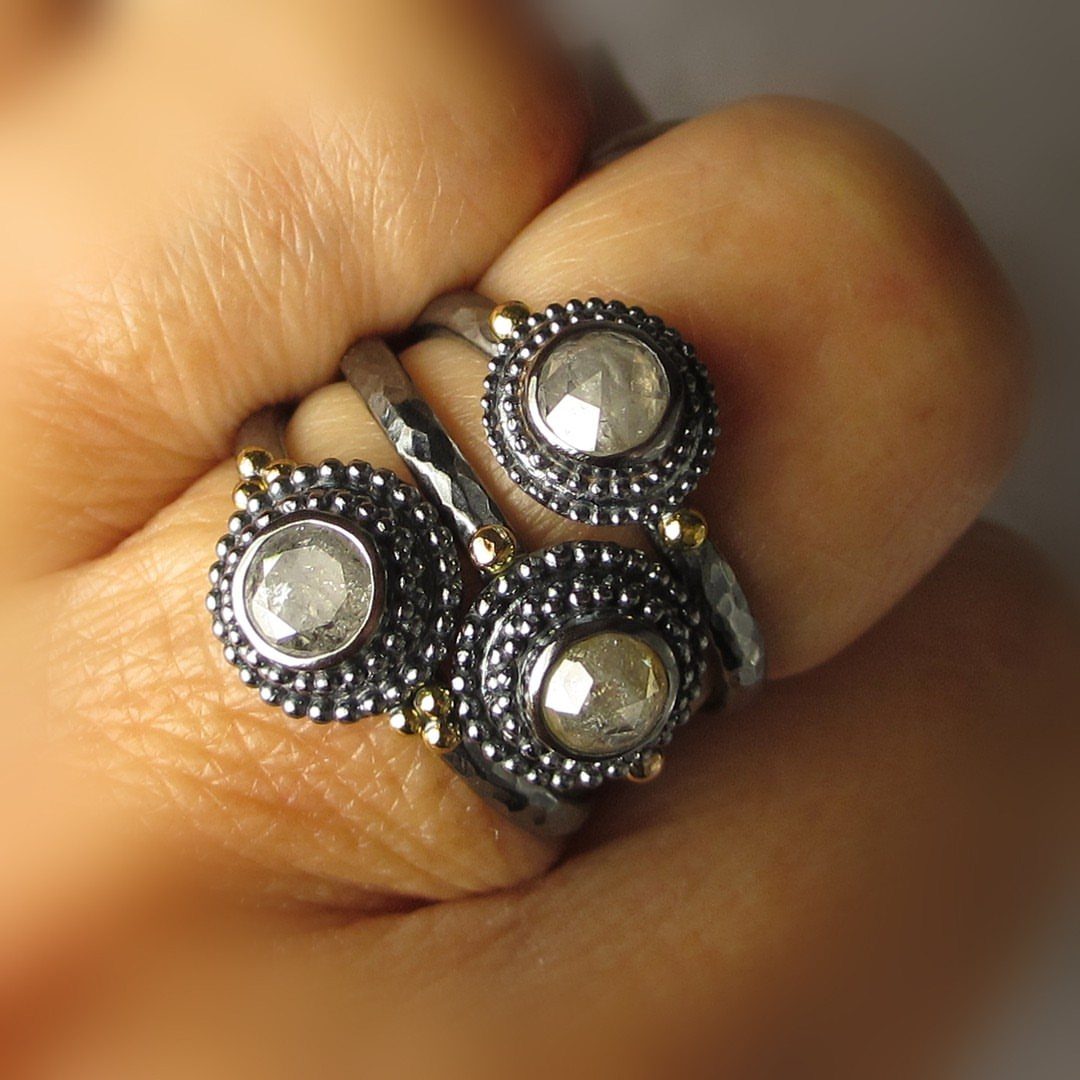
Flat-bottomed with a domed top, rose cuts hold light differently than modern brilliants: softer, more internal, like candlelight frozen in glass. The antique style pairs naturally with textured or oxidized metal, the darkness making the stone’s quiet glow visible.
Old mine cuts and rose cuts share this resurgence with ovals and pears, shapes that read as found rather than manufactured.
A checkerboard rose cut on garnet or other colored stone deepens the effect, the pattern catching light across flat facets.
These stones show inclusion more readily than brilliants.
Choose clarity over size; a cleaner smaller stone outperforms a included larger one in this cut. The setting must protect the shallow bottom, which sits closer to the world than a modern cut allows.

♥ Unique Design ♥ Main Stone: 1.5 ct Natural Pear Moss Agate(6×8mm).Leaf and moss agate combine in a design inspired by the natural world.The spiritual meaning of Moss Agate is all about new beginnings,represent vitality. This Moss Agate rings makes women with unique and noble elegant temperament.

Dainty Design: Natural moss agate symbolizes vitality and beautiful love. It represents that love is entwined for a lifetime like water plants in the river, and will never leave, until death. The rich colors of water grass agate can show charm and represent vitality, especially suitable for women to wear

Vintage lotus-inspired oval engagement ring set with elegant floral engraving and leaf vine detailing
Trends in Engagement Rings
The shift away from round diamonds and white metal is not new, but it has accelerated. Yellow gold, rose gold, and mixed metal combinations now sit beside platinum as standard options rather than exceptions.
Vintage styles draw from past decades without belonging to any single era, and nature-inspired details like vine bands or leaf prongs turn the setting itself into a statement.
What changed is availability. Jewelers who once stocked mostly round brilliants in white gold now carry kite-set cushions, rough cuts, and colored stones as a matter of course.
The result is less about rebellion than choice: couples can match a ring to actual preference rather than defaulting to convention.
Personal Expression in Rings
A ring becomes personal when it carries something no catalog can duplicate. Custom engraving inside the band stays private, a date or phrase visible only to the wearer.
Family heirlooms reconnect stones across generations, though the original setting often needs rebuilding for modern wear.
The stone from a grandmother’s ring may sit in a new band; the original mounting might be too brittle or too dated to survive daily use.
Symbols work too: a silhouette from a first trip, a shared hobby rendered in metal. The risk is overloading the design.
One clear reference reads as intentional; three compete for attention. Ask which story matters most, and let that lead.
Importance of Customization
Custom design starts with a sketch, moves to a 3D rendering, then a wax mold before metal and stone meet.
The process takes weeks, sometimes months, and costs more than an equivalent ready-made ring. The trade is control: exact stone, exact band width, exact placement of every element.
Revision time is real time. A custom ring finished in haste is where prongs fail and settings loosen.
The other option is semi-custom: altering an existing design with a different stone, a modified band, an added engraving. Less singular, but faster and more predictable.
Ethical and Sustainable Choices
Lab-grown diamonds cost less than mined equivalents and carry a smaller environmental footprint.
They are chemically identical; only origin differs. Recycled gold and silver minimize new mining, and some jewelers specialize in reclaimed metal.
The main certifications to ask about are GIA, IGI, and Fair Trade marks, though not every jeweler stocks them.
Alternative stones like sapphires, moissanite, or morganite often source more transparently than diamonds and cost less.
Frequently Asked Questions
How can I make my diamond look more unique?
Fancy shapes like pear, emerald, oval, or princess cut set your ring apart from the standard round solitaire without looking dated in a decade.
Two-stone or cluster settings let you combine multiple shapes or mix a diamond with a colored gemstone. East-west settings, turning the stone horizontal, read as distinctly modern and use less vertical space.
Can I create a custom ring?
Most jewelers will walk you through sketch, 3D rendering, and wax mold before anything gets cast in metal or set with stone.
Custom work takes weeks or months and costs more than ready-made, but you get exact control over stone, band width, and placement.
What are some popular non-diamond alternatives?
Sapphires, rubies, and emeralds lead the precious gemstone options, with sapphires hitting 9 on the Mohs scale for daily wear without the diamond price tag.
Semi-precious choices like topaz or tanzanite cost less but scratch more easily. Moissanite and white sapphire give the look of a traditional diamond at a lower price point, with hardness that holds up to daily wear.
Are salt and pepper diamonds durable?
They rate 10 on the Mohs scale like any diamond, so durability is not the trade. Buy the specific stone, not the category, since no two repeat.
What makes rose-cut diamonds different?
Flat-bottomed with a domed top, they hold light more softly and internally than modern brilliants, like candlelight frozen in glass. They show inclusion more readily, so choose clarity over size.
What ethical choices exist for engagement rings?
Lab-grown diamonds cost less than mined equivalents and carry a smaller environmental footprint; they are chemically identical, only origin differs. I look for recycled gold and silver when I want to shrink the mining footprint of a new ring.