The list below runs from a detachable overskirt that gives two silhouettes in one gown to a full jumpsuit, with plenty of short dresses, minis, and beaded options in between.
A second look is not just about the clothes. It is about the moment: stepping away from the ceremony, changing into something that moves differently, and walking back into the party as if the night just started.
1. Bridal Jumpsuits
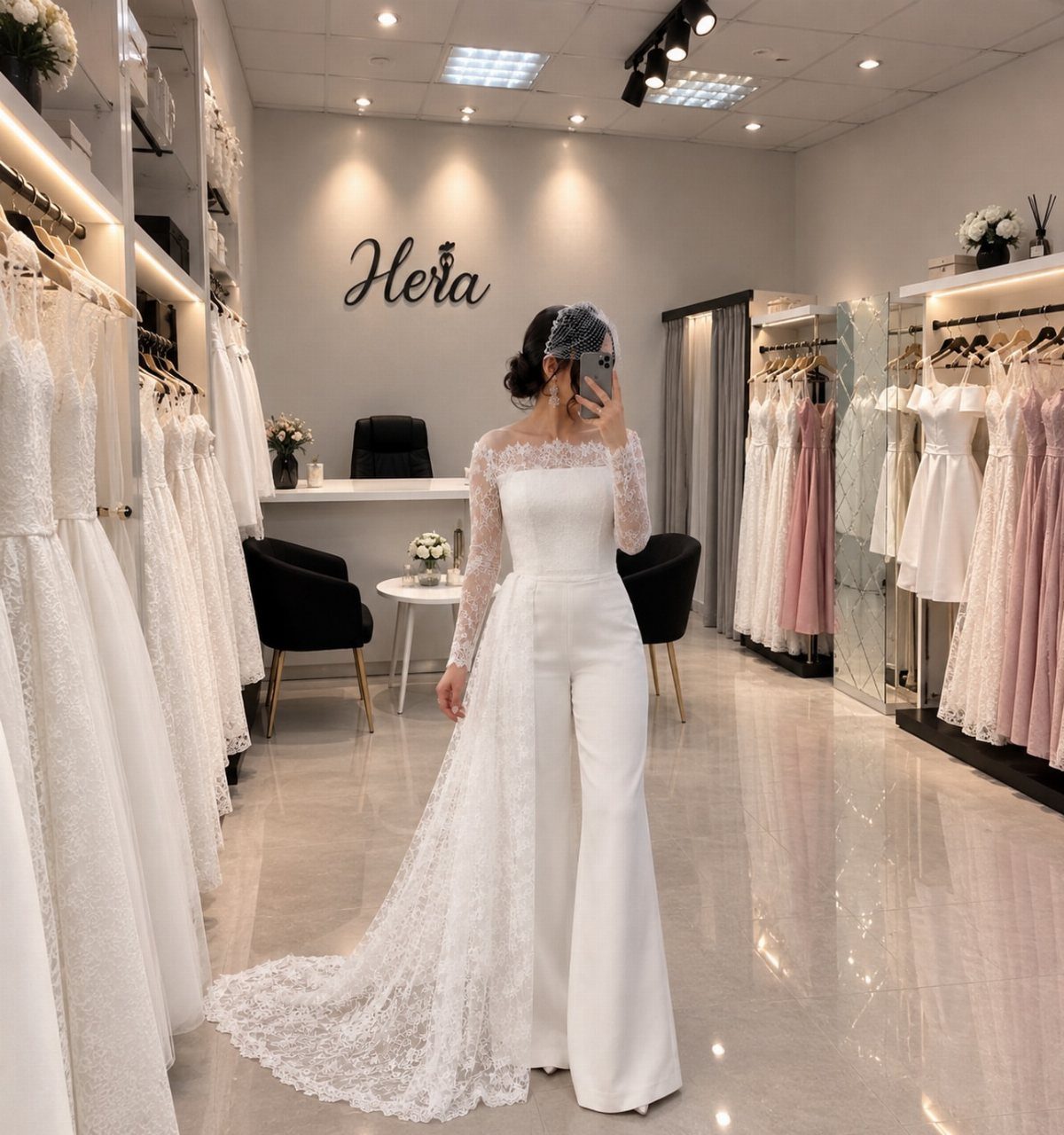
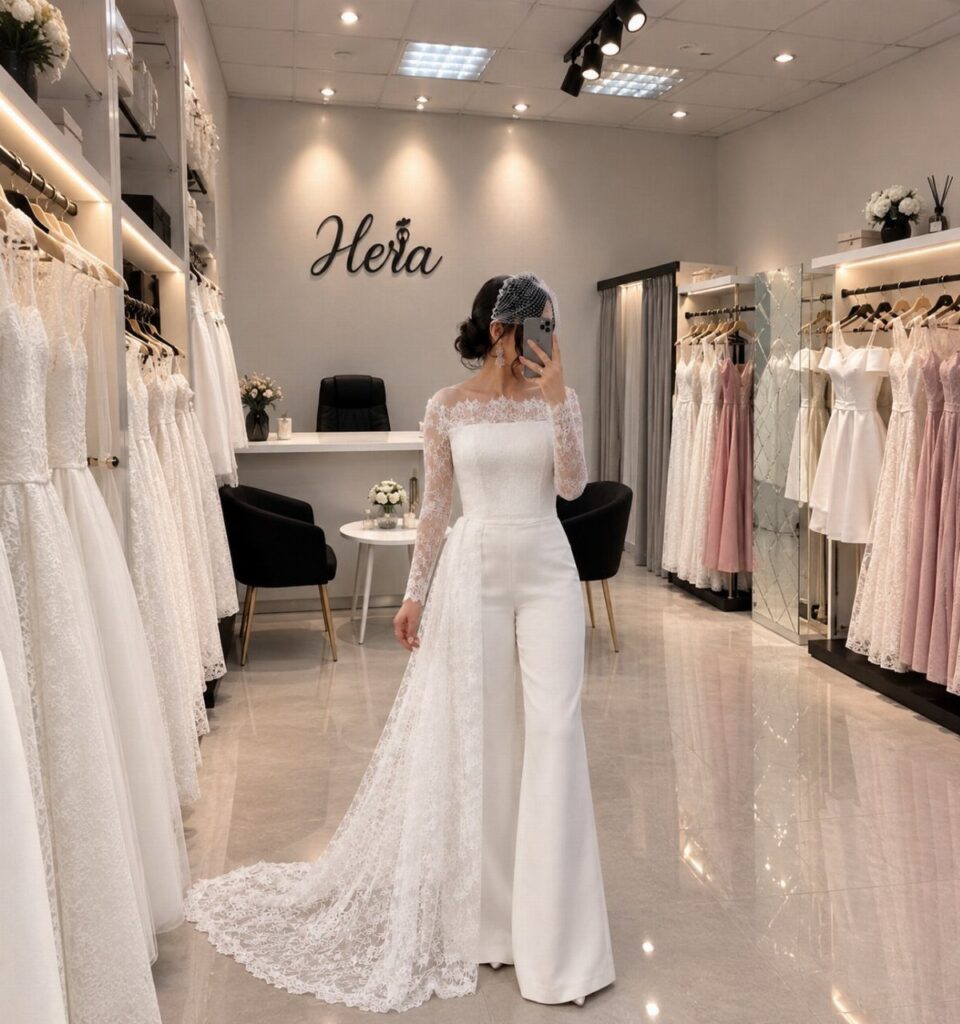
A bridal jumpsuit trades the skirt for trousers and still keeps the drama with a train trailing behind. Long sleeves and lace keep the front looking formal, while the cut underneath moves like a tailored suit.
For dancing, this is where the jumpsuit pays off: no hem to step on, no bustled skirt to manage, just wide legs and room to move.
The lace train detaches or stays on depending on the maker, so ask whether the piece comes as one unit or two. I would wear this to a late reception where the floor stays crowded until last call.

BOLD ONE-PIECE: A modern alternative to the classic gown, this off-shoulder jumpsuit features beautifully feminine details, like a softly bloused lace bodice and fluted long sleeves – a chic choice for weddings, cocktail parties, and more.

Elegant Design with Lace Appliques & Chiffon Fabric:This stylish jumpsuit offers a graceful look with delicate lace appliques on flowing chiffon fabric. Featuring 3/4-length sleeves, a back zipper closure, and a built-in bra for smooth support and a streamlined silhouette, it blends refined details with a modern feel—ideal for making an impression at formal events.

2. Feather Shift Dresses
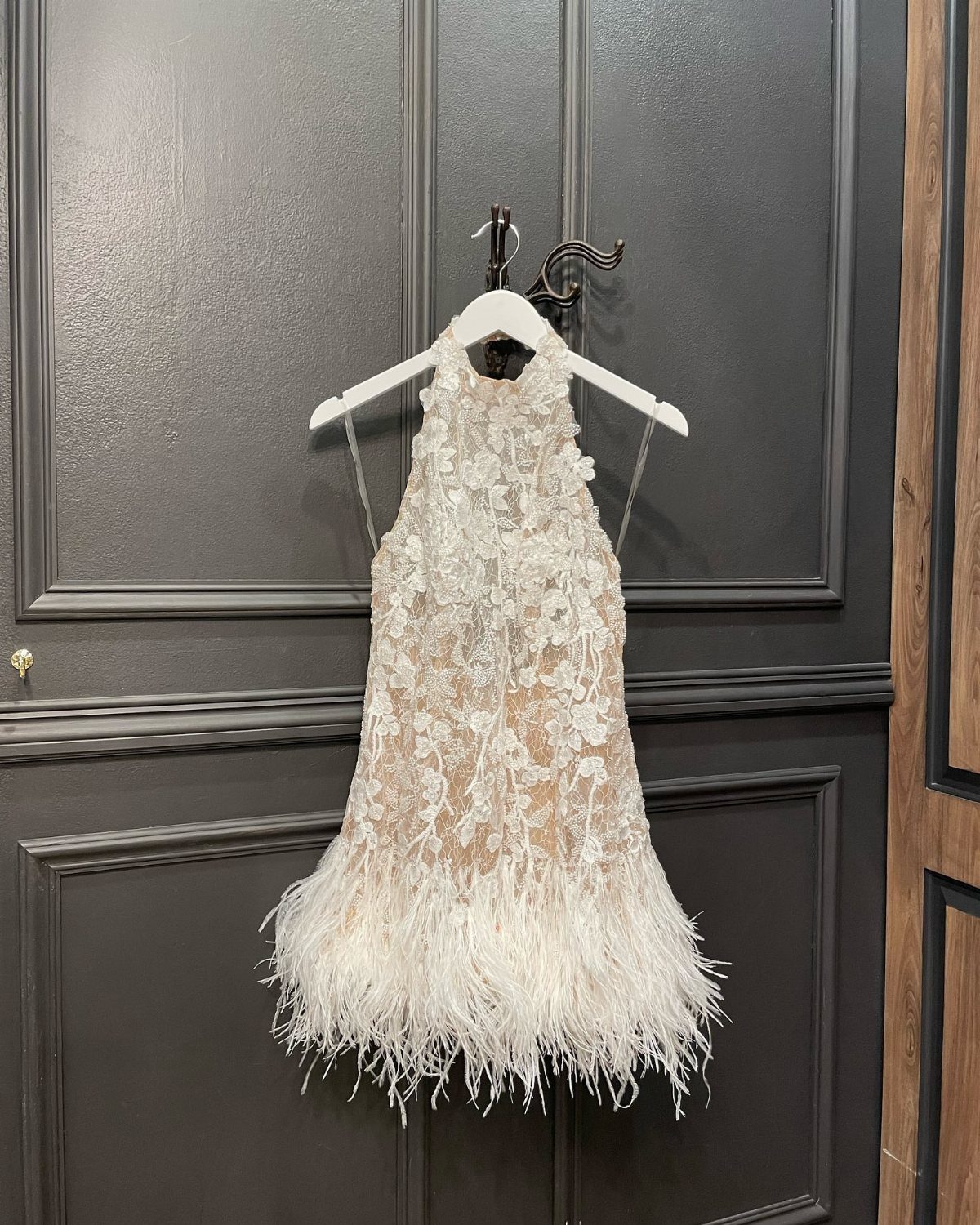
Feathers along the hem turn a simple shift into something that moves on its own every time you do.
A feather shift dress lives on movement, and that contrast is worth planning around: the feathered edge picks up any breeze from a doorway or a fast turn across the floor, so it suits a venue where you will make an entrance down stairs or across a long room.
Dry cleaning after the night is non-negotiable, and storage needs breathing room so the plumes do not flatten. The tactile part matters too; guests will want to touch it.

Fabric: Women's cocktail dresses are made of high-quality lace, soft and breathable material providing superior comfort. This stylish and stretchy solid color dress is perfect for wedding, cocktail parties, graduations, bridal showers, prom and a variety of other events

1. **Vintage Medallion Print Pattern**:All-over retro badge and floral print on soft lavender base, delivers luxurious bohemian vintage vibe, eye-catching for photos and events.
3. Metallic Mini Dresses
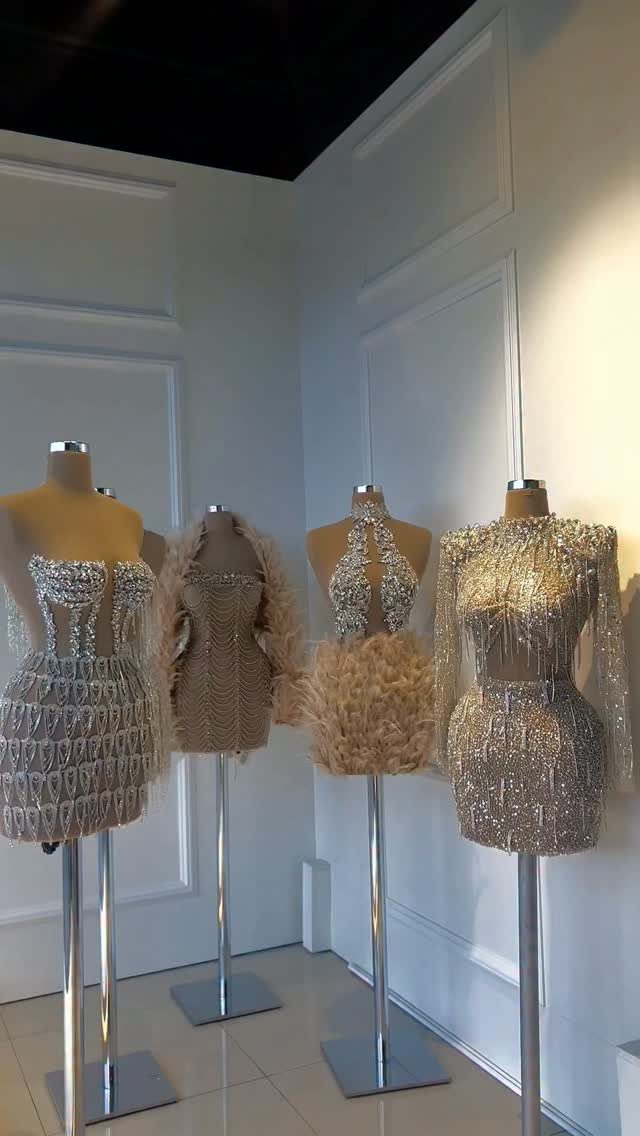
Silver, gold, rose gold, copper, or pewter: the shade changes the mood more than the cut does.
Mix textures for a metallic mini that catches light from every angle, beaded or feathered or both. That variety is the point.
A structured metallic reads formal and architectural; a slinky version moves easier but shows every line. Either way, the fabric does the work, so jewelry stays minimal.
I lean toward copper or pewter for a fall wedding, gold or rose gold when the room runs warm. The common mistake is pairing it with metallic shoes and a metallic bag; let the dress carry that weight alone.

This stylish tight v-neck dress features high quality polyester spandex material,And the pleated design makes this sexy dress more casual,Stylish and well elastic,Mmaking it more comfortable and breathable.

Ivory off-white lace mini-length dress inside, flowy hi-low chiffon overlay. Halter neckline, front keyhole, strappy and invisible back zip-closure. Great dress for any parties. Very stretchy comfortable fit.

Runs large, please choose one size smaller. Material: 95% Polyester + 5% Spandex, this pretty prom dress is made of smooth touch fabric, full lined, the lining is soft, skin-friendly and breathable
4. Sequin Mini Dresses
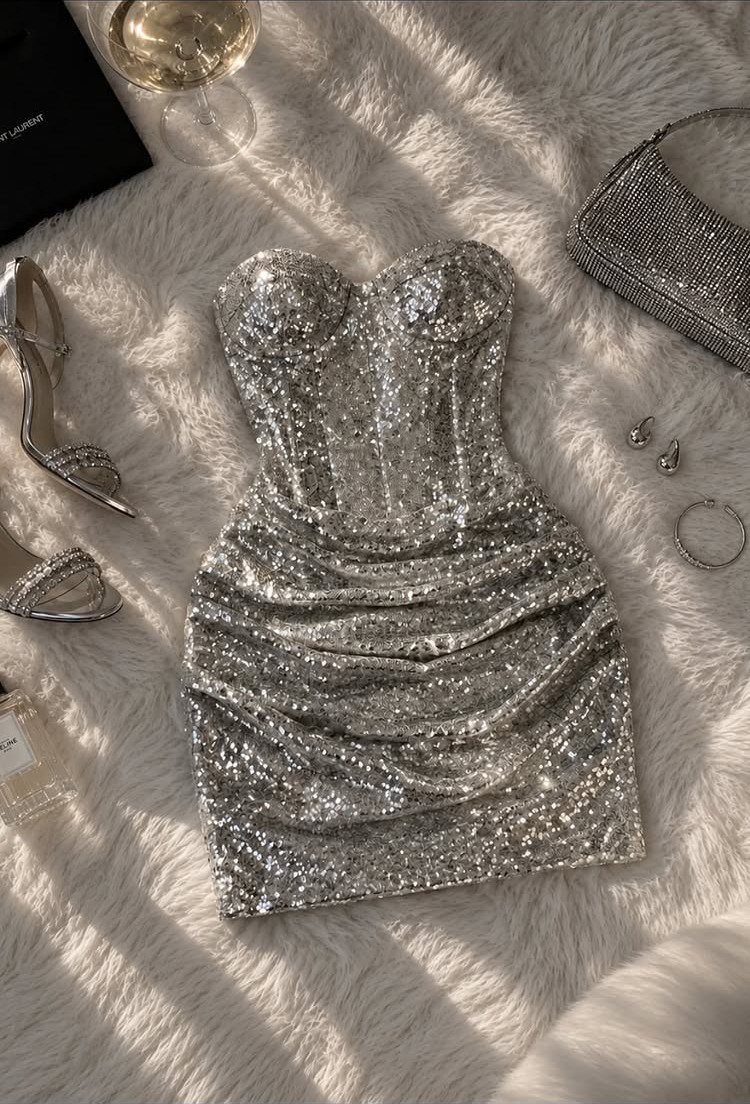
Allover sequins mean you are the source of light once the candles burn lower. A strapless sequin mini needs little else: strappy heels and a small bag finish it.
That simplicity is intentional; the dress supplies enough noise that anything else competes. For a second look, this is the late-night switch, the one you pull on when the band starts playing louder and the photographer has mostly gone home.
The cut matters more than the color here; strapless or halter both work, but the mini length keeps it from reading as a shortened gown. Hand wash or dry clean, never machine.

SPARKLY FLORAL DETAIL: This women's sequin mini dress combines iridescent vine embroidery and dimensional 3D floral appliques over a layered mesh overlay for a textured, light-catching finish.

This dress adopts high elasticity fabric and soft lining, suitable for most women. (The V-neck is designed on the front and back, so there is No Zipper Closure)

Material: The women's shiny sequins slip dress is made of polyester, soft and breathable, making you elegant and sweet
5. Lace Mini Dress with Sleeves
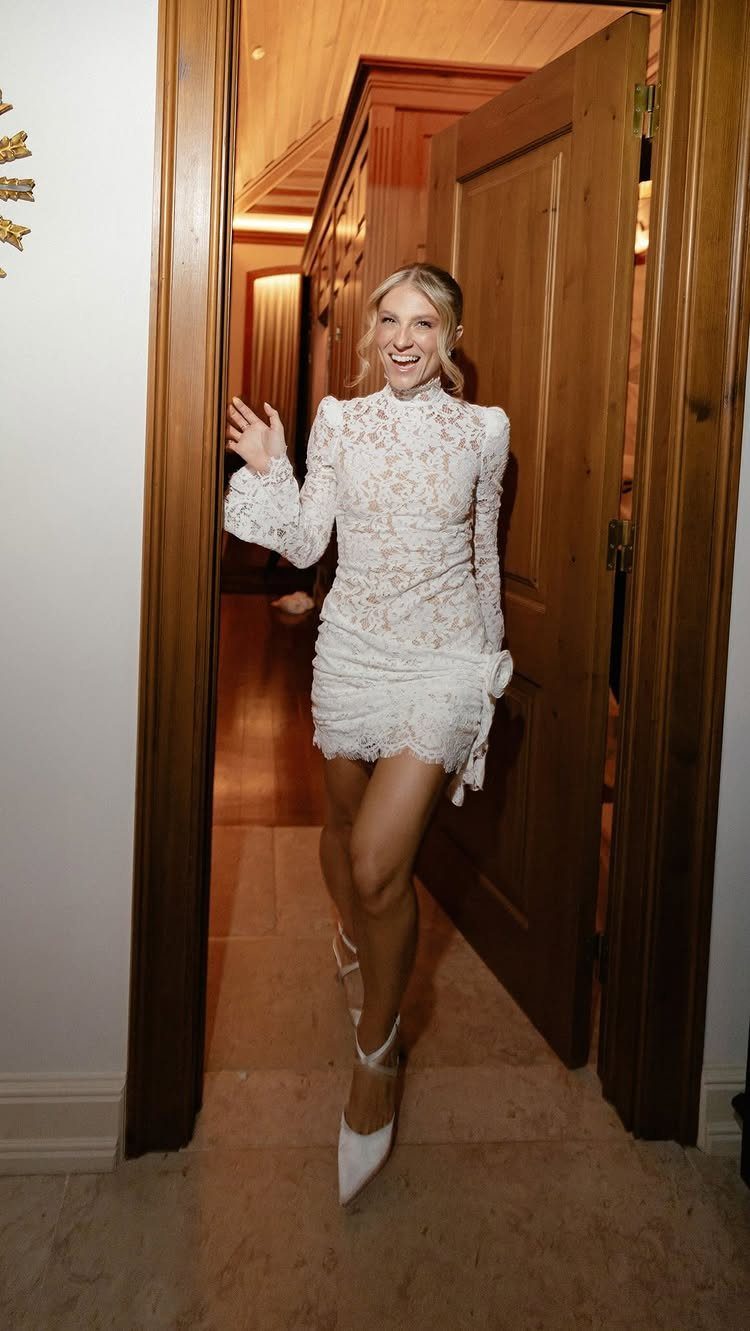
Long lace sleeves on a mini dress split the difference between covered-up and ready to move. Pointed heels and a doorway setting read indoor and transitional, not grand ballroom.
That is the use case. The sleeves add formality the length takes away, so this works for a reception where you want to stay bridal without the weight of your ceremony gown.
Check sleeve length against your bracelet or watch; lace at the wrist competes with anything bulky. I would try this with a low heel if the dancing starts early.

Luxurious Satin – Elevate Your Dress: High-quality satin adds rich gloss and gorgeous flow, making your dress elegant and formal for any special occasion.

Luxurious Satin – Elevate Your Dress: High-quality satin adds rich gloss and gorgeous flow, making your dress elegant and formal for any special occasion.
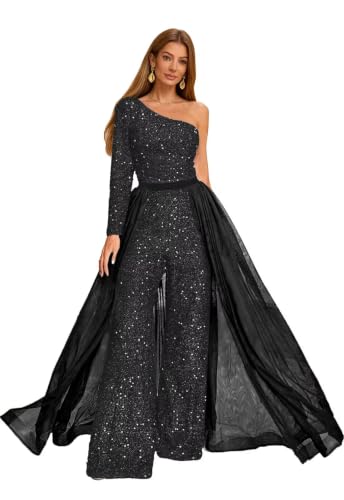
Feature:Sparkly Sequin Jumpsuits Prom Dresses,Long Sleeves Pantsuit Mother of The Bride Dresses,Pants Suit Wedding Guest Dress,One Shoulder Formal Evening Party Gowns,Detachable Tulle Skirt Cocktail Gowns,with Skirt,Plus Size,Floor Length,Zipper,Built in Bra,Fully Lined,Soft and Skin-Friendly.
6. Fringed Beaded Party Dress
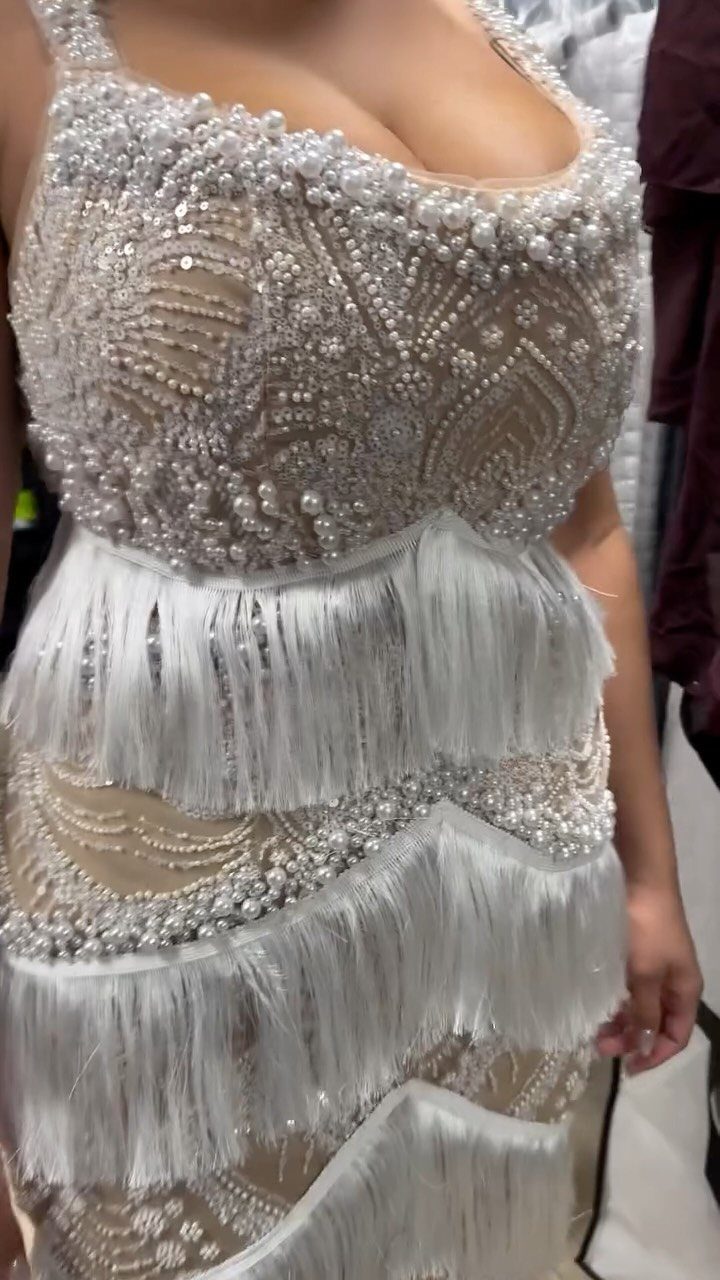
Tiered fringe along the skirt turns every step into motion, which is exactly what you want once the formal photos are done. Heavy beading and pearl work on the bodice need fringe below to balance with air.
The structure keeps its shape through hours of wear without any fuss. That support matters more than it sounds; a beaded bodice without it would sag and shift.
For a second look, this is the statement piece, the one that announces you have changed into something built for the party. Fringe tangles, so store it hanging, never folded.
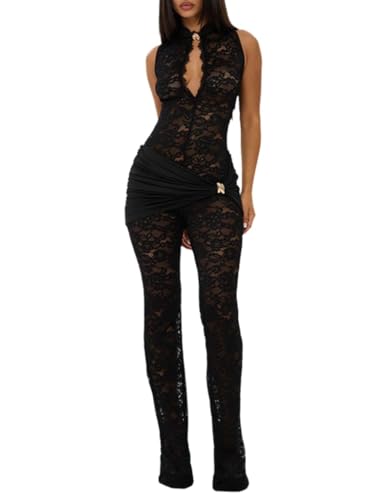
Material: This women's jumpsuits are made with lightweight and soft material, which are smooth, elastic and stretchable, flexible and breathable, comfortable to wear.

Material: Lace jumpsuit for women. 95% Polyester 5%Spandex.Soft, stretchy and skin-friendly, One piece jumpsuits, sexy mesh jumpsuit for women.

Material: This women's jumpsuits are made with lightweight and soft material, which are smooth, elastic and stretchable, flexible and breathable, comfortable to wear.
7. Short Draped Reception Dress
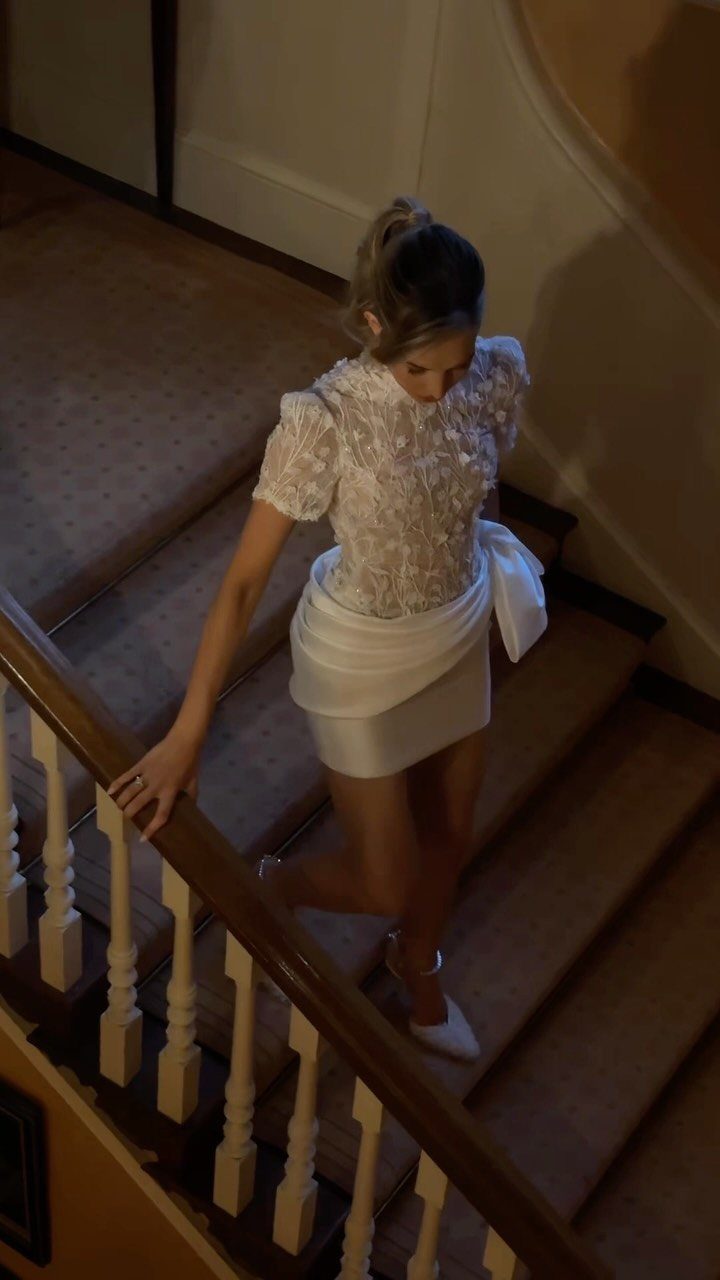
A draped mini skirt keeps the shape simple while a sheer bodice does the ornate work. Sheer fabric over a fitted lining gives coverage without weight, which matters when the room has warmed up from dancing.
The bow placement sits at the natural waist, so the skirt flares rather than clings; that movement is what makes this feel like a reception piece rather than a cocktail dress.
I would check whether the draping is pinned or sewn, since a pinned bow shifts and a sewn one stays put through hours of wear.
This is the kind of second look that photographs well against dark wood or stone, where the white pops.

Size: Please check Our Size Chart before you placed the order,if you have any problems,please contact us.

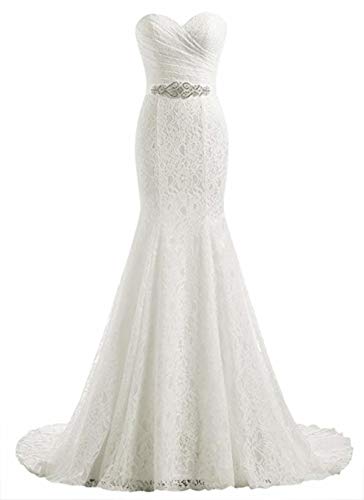
DESIGN: Elegant strapless ball gown silhouette featuring a romantic sweetheart neckline and voluminous tulle skirt perfect for a fairytale wedding

Runs generous through the bust and waist: this feather sleeve mini dress skims the body instead of clinging to it. Size M measures 41 in at the bust, closer to a standard US large. Between sizes, or want a bodycon fit? Size down one.
8. High-slit Satin Gown
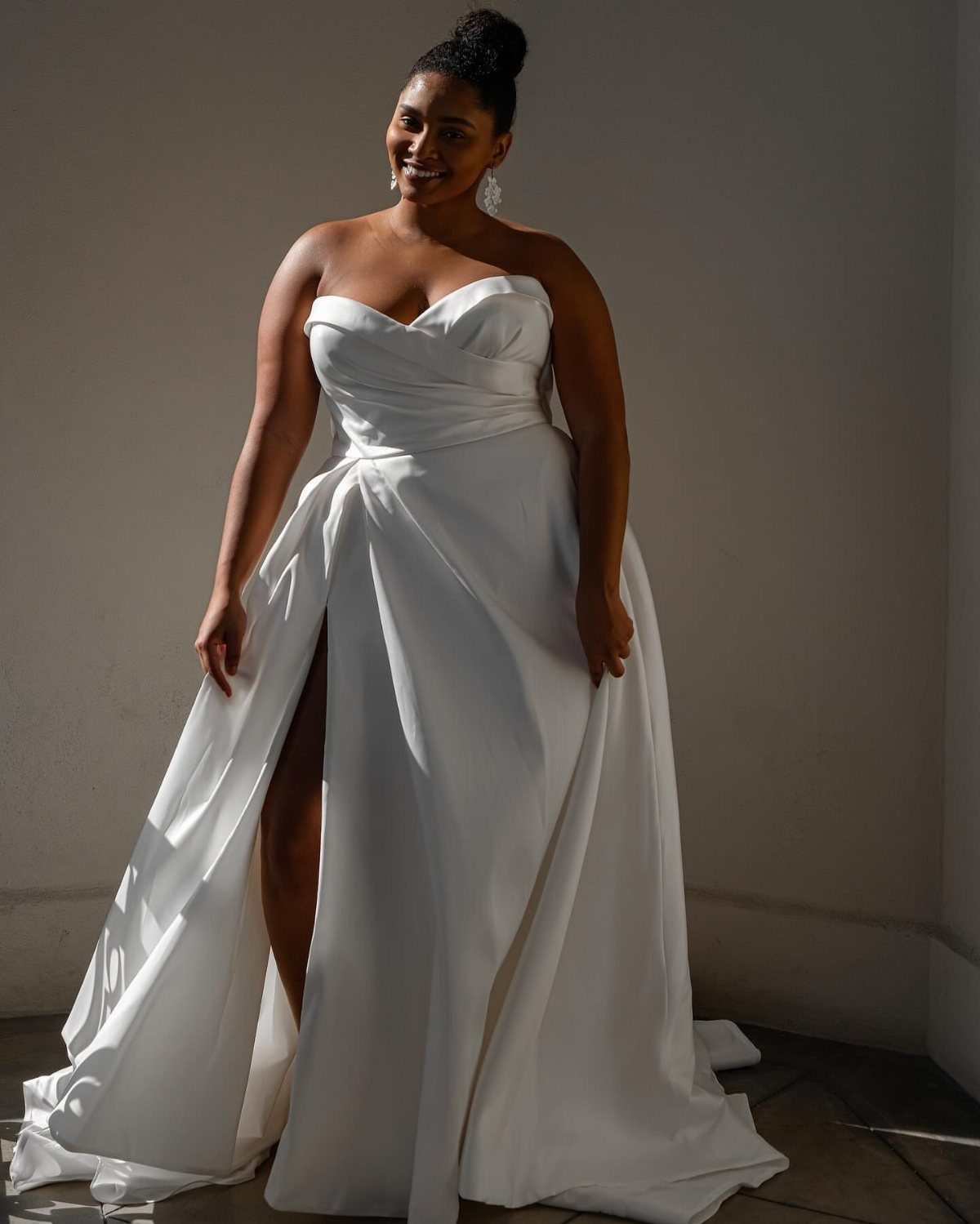
Strapless satin with a high slit trades the full skirt for a single line of leg and a lot of shine.
The fabric does the statement work, so the cut stays clean: no ruffles, no beading, just the drape and the opening. That slit height is the decision you make; a few inches above the knee reads modern, higher reads bold.
Satin creases where you sit, so this is a gown for standing receptions or brief appearances rather than a long seated dinner.
I would save this for the entrance moment, the one where you come back into the room changed and the crowd notices.

This dress adopts high elasticity fabric and soft lining, suitable for most women. (The V-neck is designed on the front and back, so there is No Zipper Closure)

【Feature】Feather hem sways softly with every move, creating a light, dreamy silhouette. Beaded corset bodice with pearl straps, deep V illusion neckline, and adjustable Beaded-up back for a perfect fit

Elegant Halter Neck Design: Features a classic halter neckline that highlights the shoulders and neckline for a chic, feminine look
9. Transformative Detachable Overskirt Gown
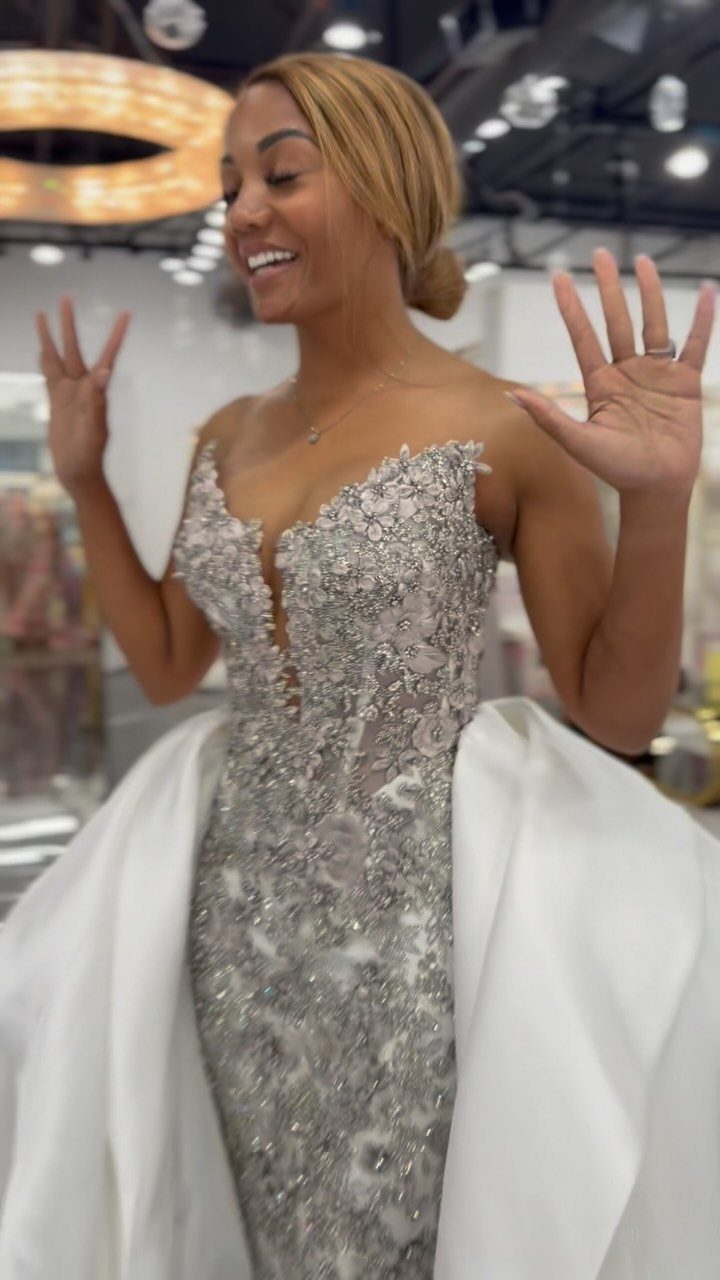
A sequined base with a detachable satin overskirt gives two dresses in one without ever leaving the venue. The sequins catch light for the ceremony or early reception, then the overskirt comes off for easier movement later.
That removal is the practical detail: some attach with buttons, some with hooks, and the weight of the satin means you need a secure fastener or the skirt drags.
The volume difference is dramatic, from full silhouette to fitted, so the change reads as a real switch. I would ask about the attachment points during fitting; a bulky closure at the waist shows through the slimmer second shape.

Versatile Style: Y2K sleeveless sequin mini dress for women, floral rhinestone cami dress for women, featuring low cut deep V neckline, sleeveless with spaghetti straps, criss cross open back detail with tie back design which easy to show your charming silhouette, glitter beading rhinestone party dress

SPARKLY FLORAL DETAIL: This women's sequin mini dress combines iridescent vine embroidery and dimensional 3D floral appliques over a layered mesh overlay for a textured, light-catching finish.
Emotional Significance of Second Looks
For many brides, the change marks a shift in the day itself: from the formality of ceremony to the looseness of celebration, from one role to another.
The outfit carries that meaning whether the bride names it or not. A second look can carry heritage forward: the red qipao after the white gown, a lehenga re-draped, the details that say where you come from.
Even without that frame, the choice tends to surface something the first look did not: confidence earned, a style finally owned, a version of self the bride recognizes more readily.
The growth is not in the fabric but in the wearing. What reads as fashion decision from outside often functions as personal punctuation from within.
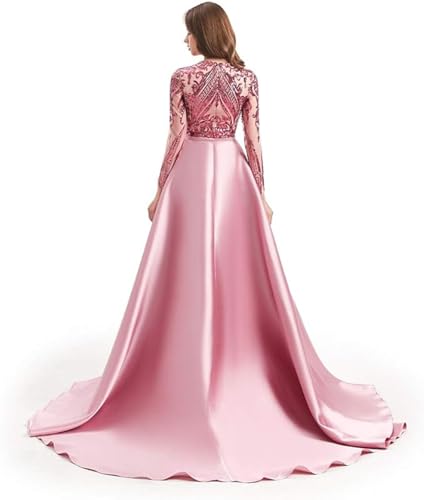
Luxurious Satin – Elevate Your Dress: High-quality satin adds rich gloss and gorgeous flow, making your dress elegant and formal for any special occasion.

Luxurious Satin – Elevate Your Dress: High-quality satin adds rich gloss and gorgeous flow, making your dress elegant and formal for any special occasion.

Luxurious Satin – Elevate Your Dress: High-quality satin adds rich gloss and gorgeous flow, making your dress elegant and formal for any special occasion.
Planning the Second Look
Timing the change matters more than most brides expect.
The gap between ceremony and reception is usually narrow; a second look needs fast transition, which means pre-planning: someone assigned to help, the outfit hung where it is reachable, shoes and jewelry laid out in order.
I would rehearse the switch once before the day, if only to learn where the zipper catches or the clasp fights back.
The outfit itself should earn its place. Custom work, embroidery of initials, a family button or pin sewn in: these details carry weight because they cannot be bought ready-made.
One bride I read about incorporated her grandmother’s lace into a reception sleeve; another added her new initials in thread the color of her bouquet. The work takes lead time.
Custom work takes longer than off-the-rack, and the makers worth waiting for book up early. Ask about attachment points during fitting, not after.
Fashion Trends for Second Looks
The move away from bridal white in second looks is now common enough to count as normal.
Printed reception dresses, floral or abstract, let a bride re-enter the room as something other than "the bride" in the expected sense. Modern silhouettes follow the same loosening.
Jumpsuits with trains, mini lengths, feathered hems that move on their own: these shapes signal celebration rather than ceremony. The practical benefit is re-wearability.
A dress that does not shout "wedding" gets a second life, honeymoon or birthday or dinner out. That was not the point for earlier generations, but it is now a consideration worth naming.
Many contemporary brides are embracing a second look for their night time reception.
Comfort in Wedding Attire
Weight and restriction teach their own lessons.
A bride who spent her ceremony conscious of her bodice, her hem, her ability to sit, will not repeat that for the hours after dinner. Convertible pieces answer this directly.
Detachable overskirts, removable sleeves, layers that shed without a full change. These let the same garment shift rather than demand a swap.
For those who do change entirely, the second look should move. Fringe, draping, wide legs, a slit that frees the stride: these details matter more than they photograph.
The common error is choosing a second look for how it will read in still images rather than how it will feel at hour seven of standing, talking, raising arms.
The body knows the difference even when the camera does not.
Frequently Asked Questions
What is a second look wedding dress?
A second look is an outfit change the bride makes after the ceremony, usually for the reception. It is not about a second marriage; the phrase means a second outfit within the same wedding day.
The change marks a shift from formality to celebration, and the outfit itself often carries looser silhouettes, shorter hems, or bolder details than the ceremony gown.
What are the wedding dress trends for 2026?
Printed reception dresses, florals and abstracts in particular, have turned the non-white second look into something you now expect rather than notice.
Silhouettes loosened too: jumpsuits with trains, hems cut short, feathers that keep moving after you stop. Dresses quiet enough to not scream wedding are getting packed again for the honeymoon, or pulled out later for a nice dinner.