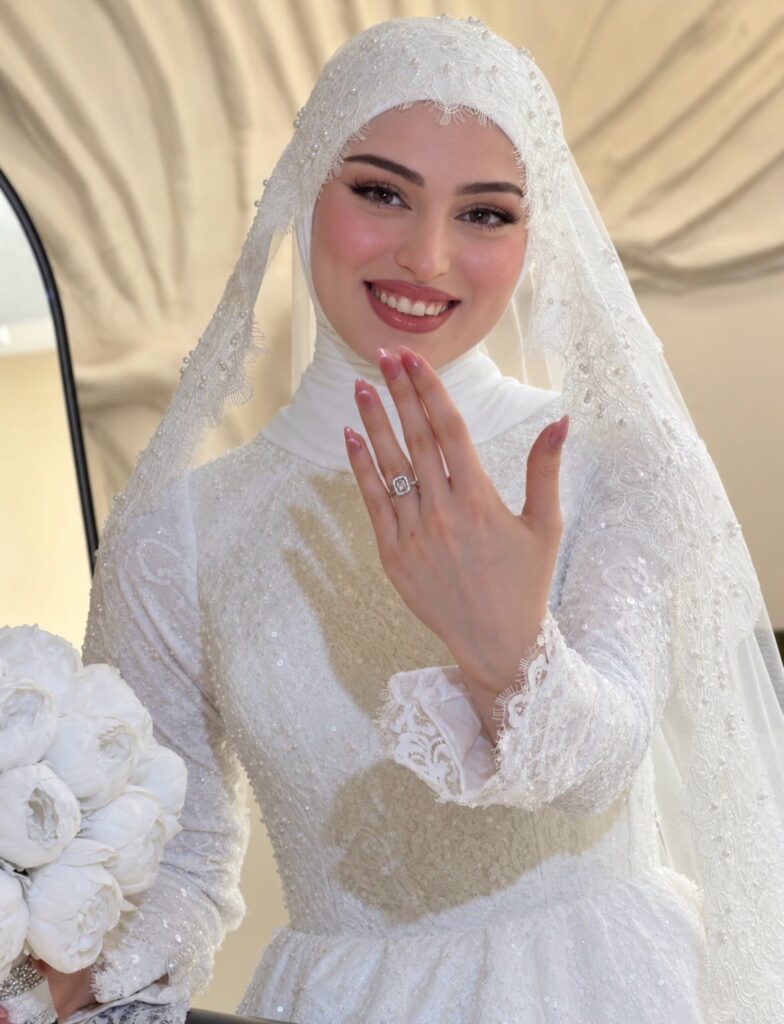
You will find everything from a shoulder-length birdcage to a cathedral train that pools behind you, each one built from the styles listed below.
Vintage veils come in shapes that range from barely-there tulle to lace that trails behind you, and the material you pick changes how the whole thing moves.
1. Juliet Cap Veil
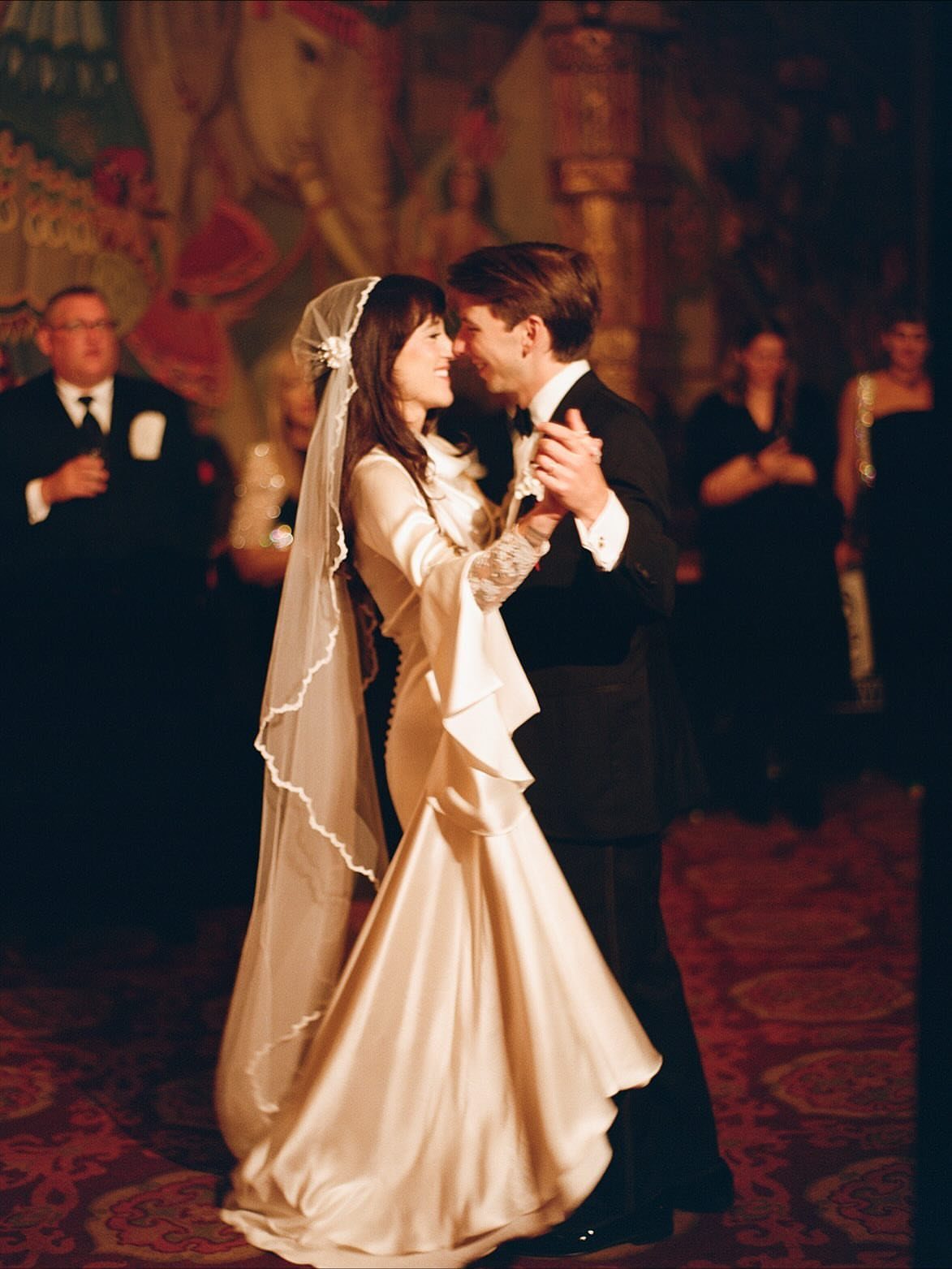
The Juliet cap veil sits close to the head like a soft skullcap, with gathered tulle or lace falling from behind it.
I like this one for brides working with a modest budget because the cap itself does the holding; you skip the cost of an elaborate comb or headpiece.
Tulle works for a lighter drape, lace for more texture.
Pearl or floral appliqués at the cap edge catch light without adding weight. For an Art Deco feel, keep the trim simple and let the silhouette read 1920s.
Check that the cap circumference matches your head measurement; too loose and it slides, too tight and the line breaks.
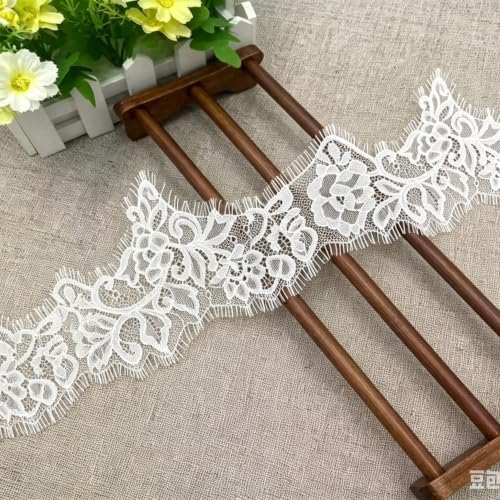
Elegant Floral Eyelash Lace Design This white eyelash lace trim features delicate floral embroidery with soft scalloped edges and fine mesh details, creating a romantic vintage style perfect for luxury sewing and handmade DIY projects.

This is a stunning lace veil! Made of 100% Nylon, it is lightweight, soft, and provides excellent coverage while remaining airy

[Artisanal 3D Floral Embroidery] Elevate your designs with our premium guipure lace. Featuring a meticulously raised, three-dimensional openwork pattern that captures a classic American boutique aesthetic, this delicate trim adds breathtaking texture and timeless elegance to bridal wear and premium handmade crafts.
2. Lace Wedding Veil
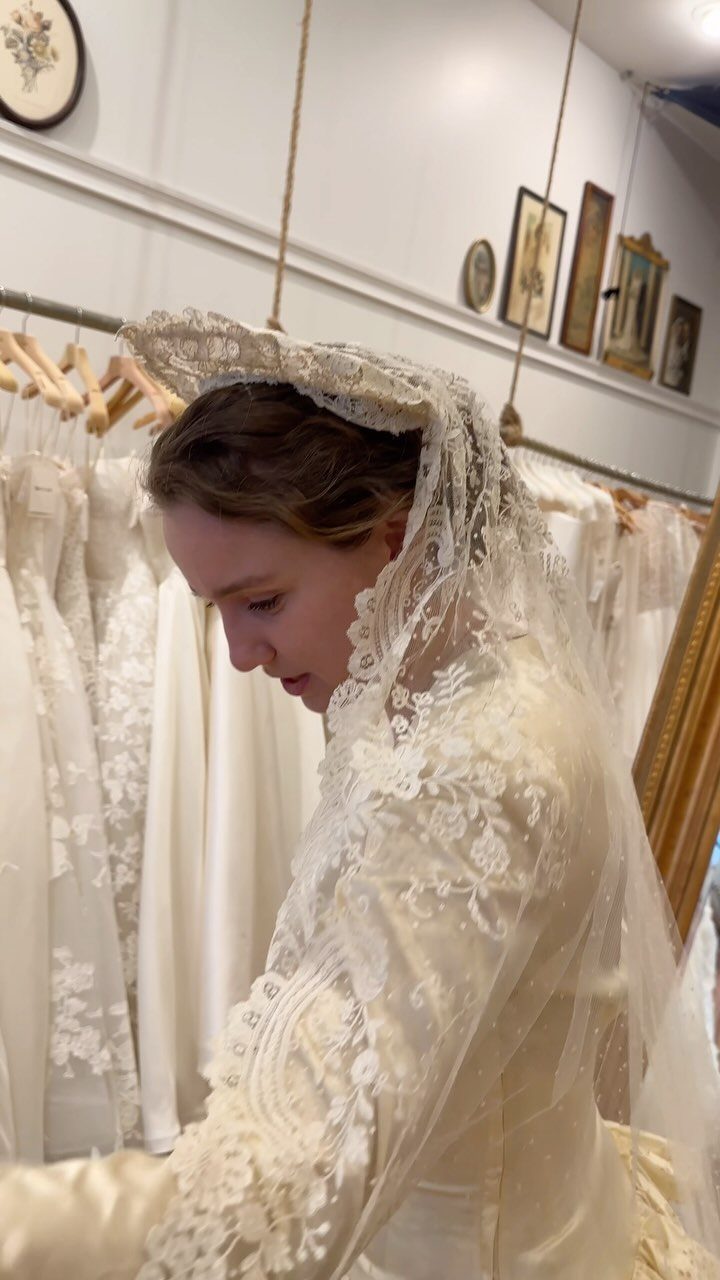
Scalloped lace edges and floral embroidery turn plain tulle into something that reads collected-over-time rather than bought-yesterday. The trim is where the money goes; wider lace bands cost more but need no additional headpiece.
I would ask to see the lace against my dress fabric before committing.
Matching ivory to ivory sounds simple until 2 creams clash under reception lighting. Some makers offer ribbon ties instead of combs, which suits loose hairstyles better.
A long-sleeved lace gown with this veil risks lace overload. One or the other should carry the pattern; let the second piece stay simple.

Cathedral length bridal veil material: Tulle and metal comb.

Package Includes: the package includes 1 white bridal veil with 3 combs, offering a long cathedral inspired shape with noticeable trailing effect behind the gown; This design works well for brides seeking lace detail, soft tulle drape, and a fuller ceremonial look, making it suitable for wedding day styling, bridal portraits, rehearsal photography, and formal venue dressing where a long lace headpiece can add elegant framing around the dress and a more complete overall bridal presentation

[What You Get]--1* the cocktail tea party headwear(both can be clipped directly into your hair), easily match with other styles of clothes and hairstyles.
3. Birdcage Veil
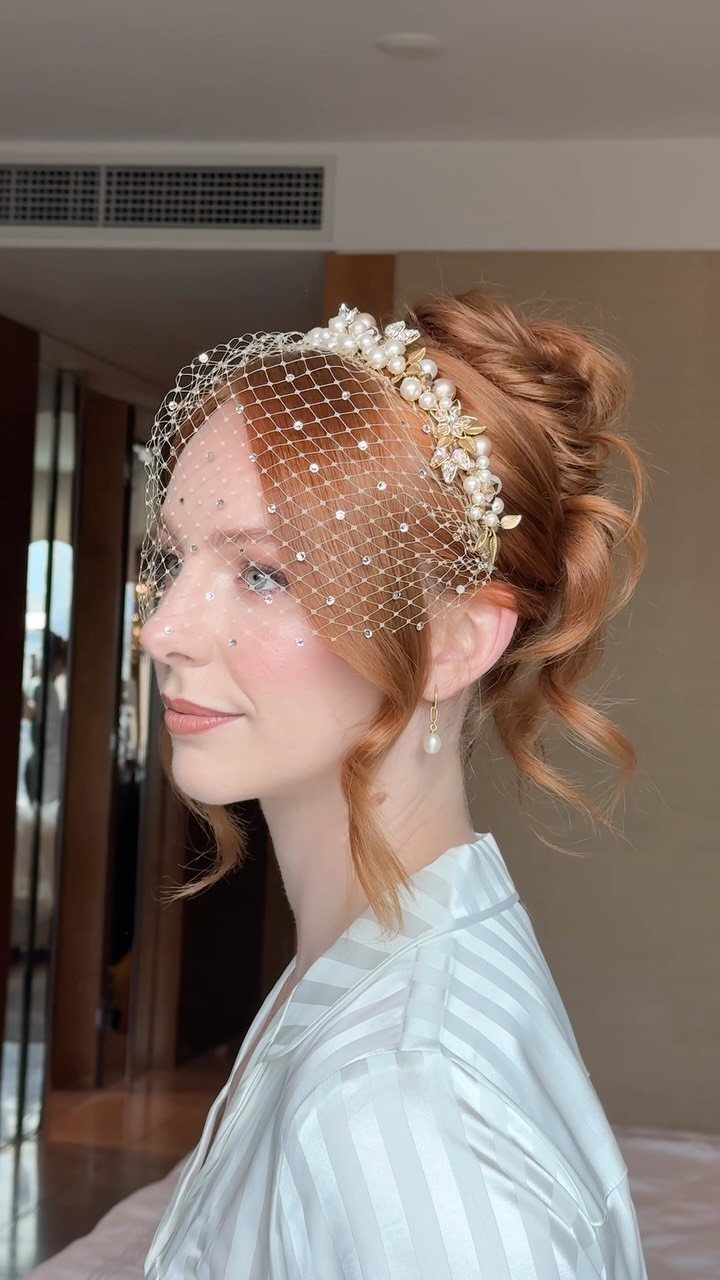
Netting across the eyes reads mid-century, the length of a cocktail hat without the hat. I think of it for city hall ceremonies or receptions where a full veil feels like costume.
The netting is Russian or standard birdcage, stiffer or softer.
Small pearl dots or a rhinestone grid add texture; fabric flowers and feathers push it toward statement territory. A headband does the securing, so your hair can be up, down, or half-done.
This one trades away the drama of a long train for mobility and a clear view of your face. Guests see your expression during the ceremony, which matters more than I expected at my own wedding.
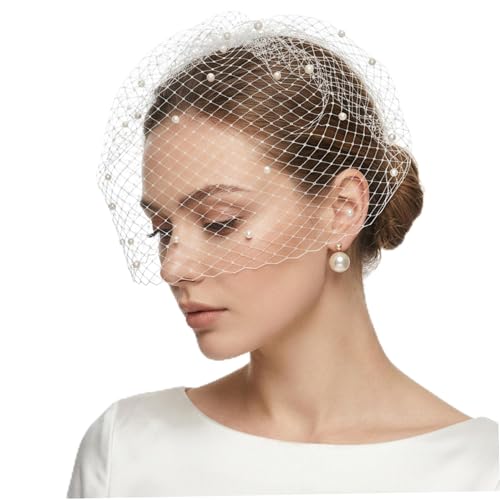
Vintage-Inspired Elegance: This delicate birdcage veil features a classic white netting adorned with evenly spaced, lustrous pearls, creating a timelessly elegant and sophisticated look for your special day.

Vintage-Inspired Elegance: This delicate birdcage veil features a classic white netting adorned with evenly spaced, lustrous pearls, creating a timelessly elegant and sophisticated look for your special day.

Bridal birdcage veil is made of netting and embellished with pearls and crystal hair comb.
4. Mantilla Veil
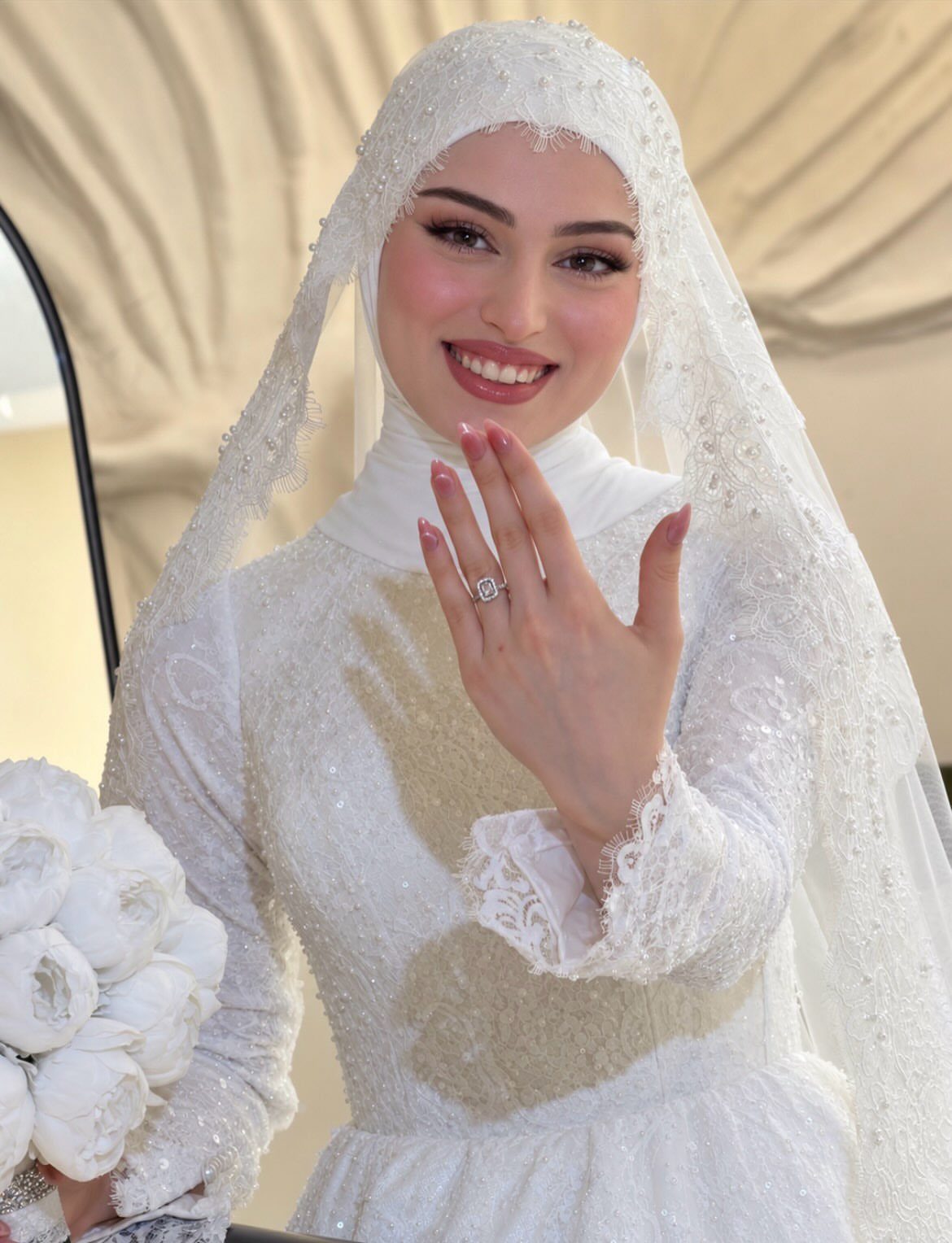
A mantilla drapes over the head and shoulders in a single oval or rectangle, often with lace edging the entire perimeter. The shape is traditionally Spanish, but the style has spread to any bride wanting coverage without a blusher layer.
Soft tulle keeps it from reading too heavy; Chantilly lace at the edge adds the vintage note.
The lace can run just the border or cover more ground. I have seen versions where the lace itself carries the floral pattern, others where the tulle stays plain and the edge does all the work.
This veil needs a secure anchor at the crown; the fabric’s weight pulls forward if the pin or comb slips.

Choose the ideal length for your ceremony,fingertip length 37.4inch/95cm,chapel length 98.4inch/250cm,cathedral length 118inch/300cm,width 59inch/150cm

-Made of high quality lace. One edge of the silver is surged, and the other is scalloped.

Designed in a classic fingertip length 37.4inch/95cm, this veil offers freedom of movement while maintaining bridal elegance
5. Short Tulle Veil
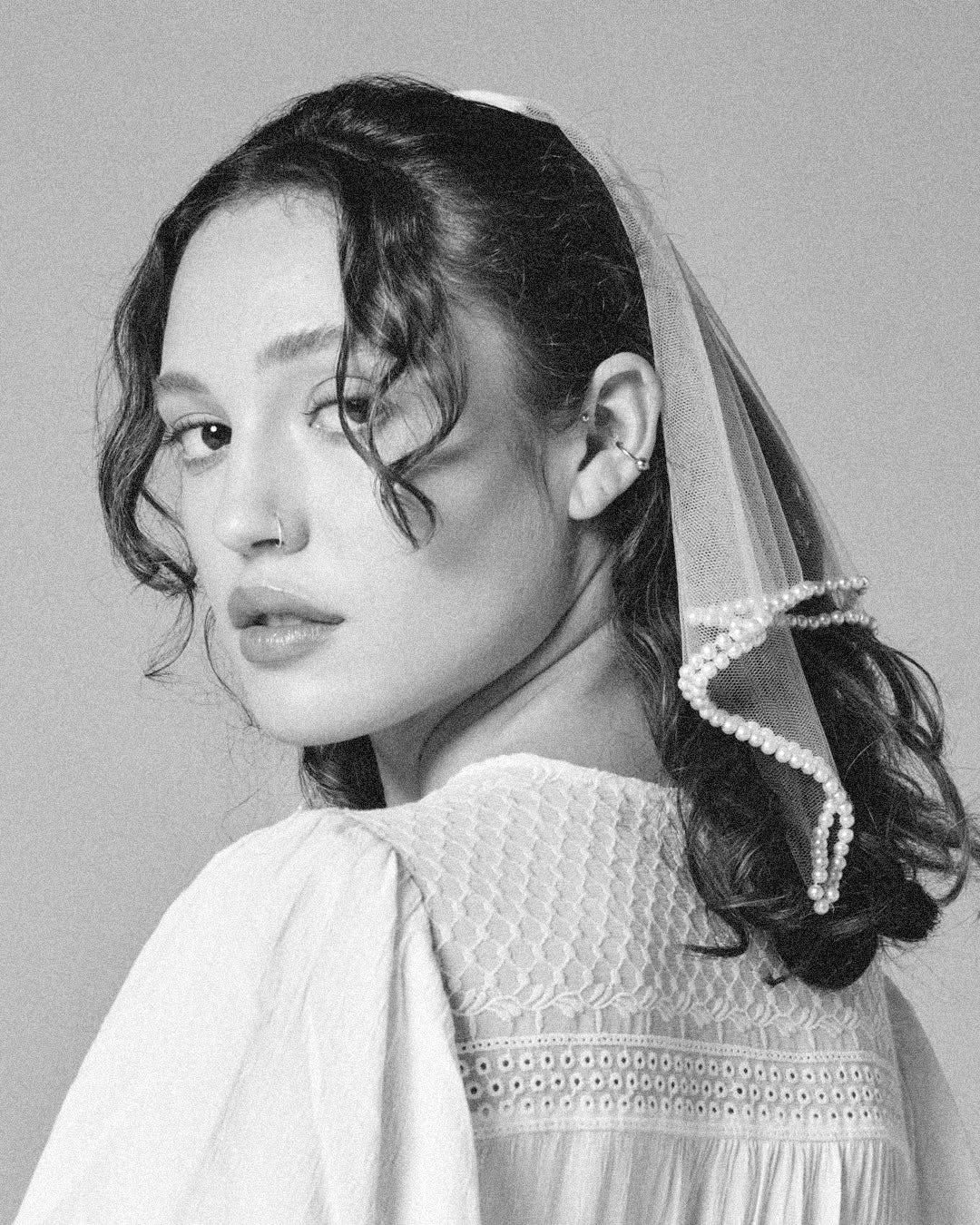
A short tulle veil stops at or above the shoulders, adding gesture without the care a floor-length piece demands. Pearl trim at the edge gives it a finished line that reads intentional rather than abbreviated.
I would style this with a floral accent at the side or back, matching the tulle’s own sheerness. The single tier keeps it light; you barely notice it during the reception, which means you might keep it on longer.
This is the one for dancing, for moving through crowded rooms, for not thinking about what is trailing behind you.

Size: This bridal veil measures 118 inches long and 63 inches wide.

Material: Lace&Tulle

Soft Lightweight Tulle: Crafted from soft, lightweight tulle that drapes beautifully for a graceful bridal silhouette; classic cream white color complements a wide range of wedding gowns, creating a cohesive bridal look
6. Floral Lace Veil
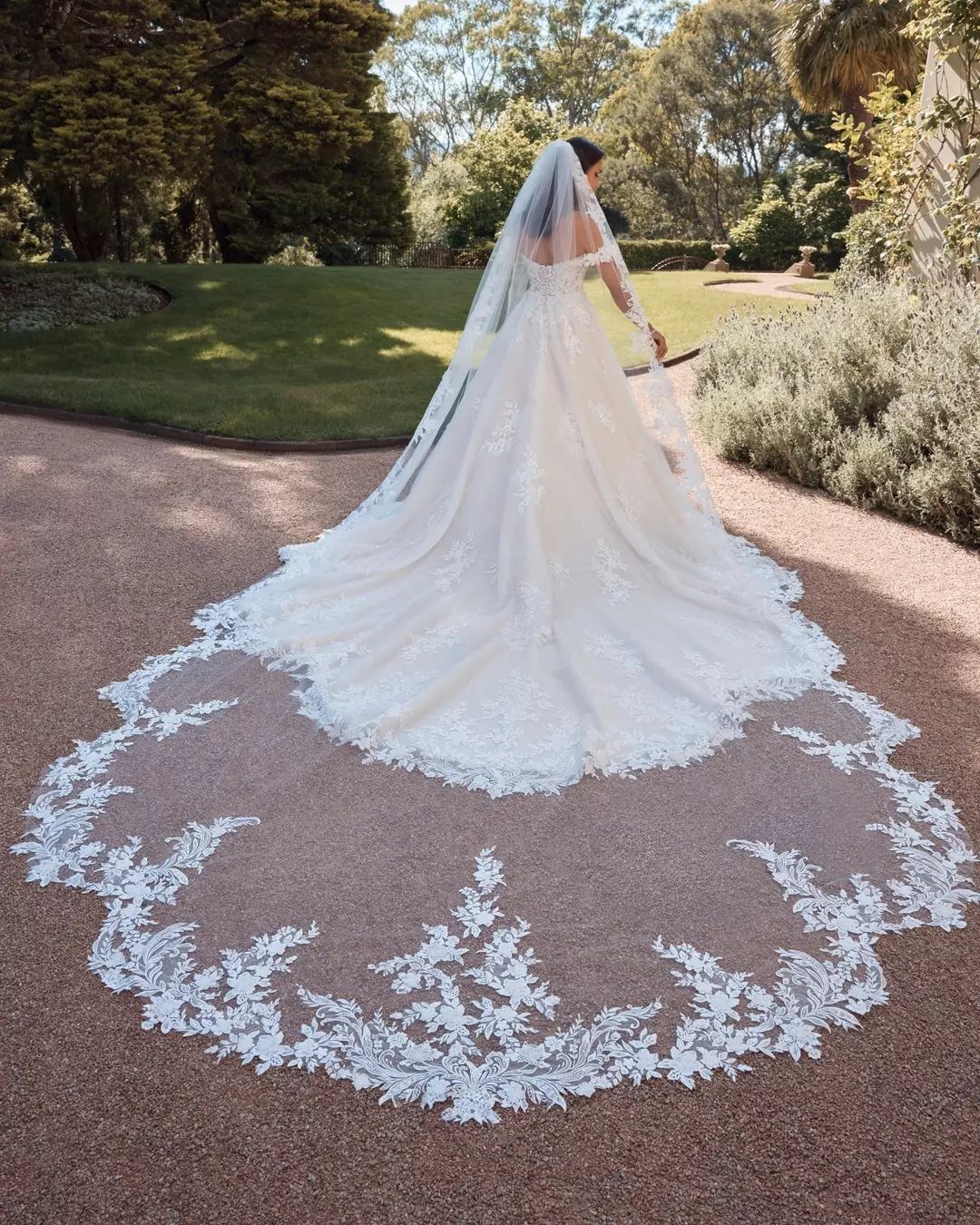
Floral lace on a cathedral-length veil spreads across the ground behind you, the pattern visible from every angle as you walk. When the bride moves, the lace moves with her, a train that is not fabric alone but drawn pattern.
Scalloped edges soften the line where veil meets floor.
Three-dimensional rose appliqués add height and shadow; they also catch on rough surfaces, so the path matters. A satin ribbon tie, offered on some versions, lets you adjust tension across the comb.
This length needs a bustle or removal before the reception, unless your venue has wide, smooth floors and you have practiced walking backward in heels.

Triangle mantilla made of 90% Nylon and 10% Polyester offers a delicate touch that is even more beautiful in person. The substantial lace fabric provides a "drape-able" weight, ensuring the veil stays elegantly in place

ELEGANT DESIGN: Delicate embroidered lace trim in classic white features intricate floral and scroll patterns with scalloped edges for a sophisticated, romantic look

This is a stunning lace veil! Made of 100% Nylon, it is lightweight, soft, and provides excellent coverage while remaining airy
7. Two-Tier Veil
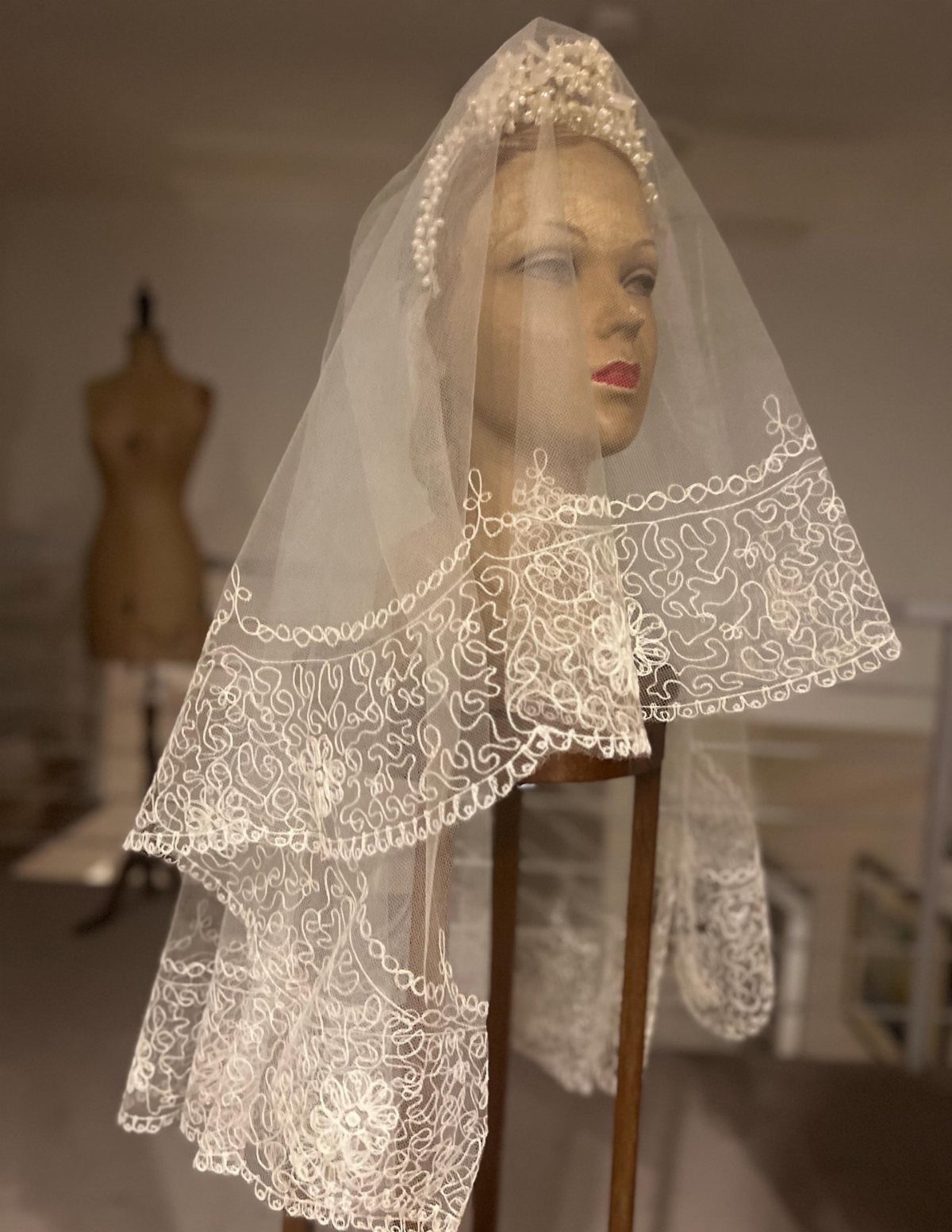
Two layers of tulle give this veil more body than a single tier, the shorter layer floating above the longer one for depth that reads vintage without needing antique lace.
Small fabric bows scattered through the tiers add a vintage touch; lace trim at the edge does the same job with more formality.
A comb anchors both layers at once, which keeps the shape from shifting.
I would check that the top tier falls where you want it; too short and it frames like a blusher, too long and the two layers collapse into one.
This one suits brides who want coverage and volume without the weight of a cathedral length. The shorter options move easily through a crowded reception and need no bustling.
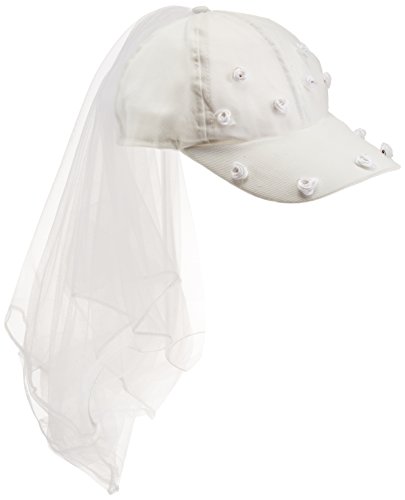
This item is a great value!

UNIQUE BRIDAL STYLE: This bandana veil offers a fun, bohemian twist on traditional bridal accessories.

Attention: the color of this product is light ivory but some people also consider it to be pure white. If you have any concerns about the color, please be cautious when you make the purchase.
8. Beaded Lace Vintage Veil
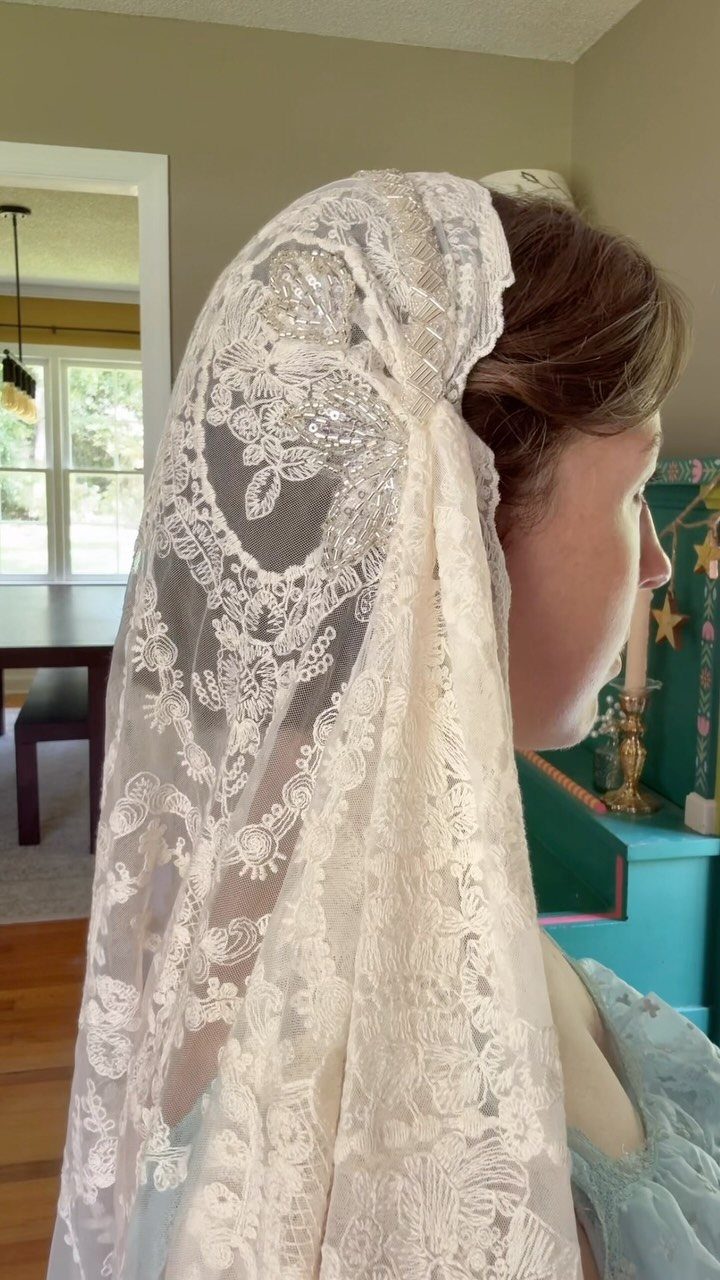
Silver beading and embroidery on lace catch light in a way plain tulle never will, each movement sending a different glint across the surface.
The work is dense enough that the veil becomes its own headpiece; you may not need earrings, and a necklace would compete.
A beaded cap or headband does the holding, the weight distributed across the band rather than a single comb.
Pearl and crystal embellishments at the crown continue the pattern upward, which I like because it gives the eye somewhere to rest when the veil is lifted back.
This is not the veil for an outdoor summer ceremony in direct sun; the beads gather heat and the lace holds it. For evening or indoor light, the effect justifies the extra care.

ONE SIZE: Headband measures approximately 4.33–5.12 in across; the attached mesh veil is 9.06 in long.

Vintage 1920s Birdcage Veil: This elegant pearl birdcage veil features a retro mesh design with securely attached pearl embellishments, perfect for completing a classic flapper look. This birdcage veil adds timeless charm to weddings, tea parties, and costume events, making it a must-have fascinator for vintage enthusiasts.

Elegant and Charming: The rhombus mesh with pearl design, elegant and fashionable, used to make veils to retain mystery, French decoration brings you eye-catching effects
Wearing a Veil
The meaning you assign to a veil is yours to choose.
Some brides wear one because the gesture connects them to generations before; others pick it up the way they would any accessory that finishes the dress. Both approaches are common now.
A lush floral crown pairs with sheer tulle without any rule saying you must choose between them.
The veil sits where you place it: over the crown, behind it, or set further back so the flowers read as the focal point.
The combination works because the tulle does not compete; it lets the denser texture have the attention.
If you are deciding between symbolism and style, you do not actually need to separate them. The same piece can carry personal weight and also look right in the photographs.

Choose your perfect length,fingertip length 37.4''/95cm,waltz length 59''/150cm,chapel length 98.4''/250cm,cathedral length 118''/300cm,the width 59''/150cm

At a dramatic 118inch/300cm,width 59inch/150cm,this magnificent cathedral veil trails beautifully behind you,creating the ultimate sense of ceremony for your special day

Designed in a classic fingertip length 37.4inch/95cm, this veil offers freedom of movement while maintaining bridal elegance
Choosing Veil Length
English tulle runs about 1.5 meters wide, which shapes what a maker can build from it.
A single tier at one meter stops near the shoulders; at three meters it pools behind you as you walk. The width matters because it determines fullness: narrower material gathers more tightly, wider drapes with looser folds.
A full border of scalloped lace gives the veil enough heft to hang straight rather than floating away from you.
That same weight helps a cathedral length stay spread behind you instead of collapsing, but it also means the comb or pin takes more strain. Check the attachment before you commit.
Available lengths cluster at one, two, or three meters. Two meters hits near fingertip for most wearers, a middle position that does not demand the space of a full cathedral piece or the minimal gesture of a shoulder-length one.
Match the length to your venue: tight aisles and turns favor shorter; open spaces and straight paths carry longer.

Gorgeous wedding veil measures 118 inches in length and 63 inches in width. It is specially designed for a classic wedding. The elegant and flowing royal train perfectly complements the main wedding dress, creating an eternal and romantic atmosphere.

CATHEDRAL LENGTH 118" or 300 cm length lace veil for a dramatic entrance. Other wedding veils say they're 118", but our long wedding veil actually measures at 118", a true cathedral length wedding veil.

[ 118-INCH CATHEDRAL WEDDING VEIL ] Create a stunning bridal entrance with this 118-inch wedding veil, featuring a 63-inch width and elegant cathedral-length train. The long wedding veil adds graceful movement and a dramatic touch to your bridal gown, making it a beautiful choice for brides seeking a classic and romantic wedding look.
Care for Vintage Veils
Beading and rhinestone work on a headband or cap catches against other surfaces more readily than plain tulle.
Store the piece flat or on a broad support that lets the decoration rest without pressure points; a narrow hook will kink the band over time.
Hand washing is the standard for English tulle, though the beads and rhinestones complicate it.
Water can loosen adhesives or cloud finishes that looked bright in dry air. A professional who handles vintage costume is the safer route for anything with attached metal or paste.
If the veil came to you already aged, check the thread or adhesive holding the decoration before wearing it. Old repairs sometimes fail where they were invisible.
Combining Veils with Hairstyles
The securing method shapes what your hair must do. A comb needs purchase; smooth or freshly washed hair slips against metal teeth.
Texture, whether natural or added, gives the comb something to grip. A headband distributes pressure across a wider area, so your hair can be looser underneath without the veil shifting.
Updos that build volume at the crown can throw off the fit; the cap wants to sit close to the head. Loose styles or lower buns leave room for the cap to settle where it belongs.
The netting is short enough that it frames the face rather than interacting with the length of your hair, which makes it forgiving if you change your mind the morning of.
Frequently Asked Questions
What is the rule of wedding veils?
There is no single rule. A veil can nod to family history or simply complete the look of the dress; either reason is enough.
Can a non-virgin wear a veil?
Yes. Brides today pick up a veil the way they would any accessory, not because of any requirement.