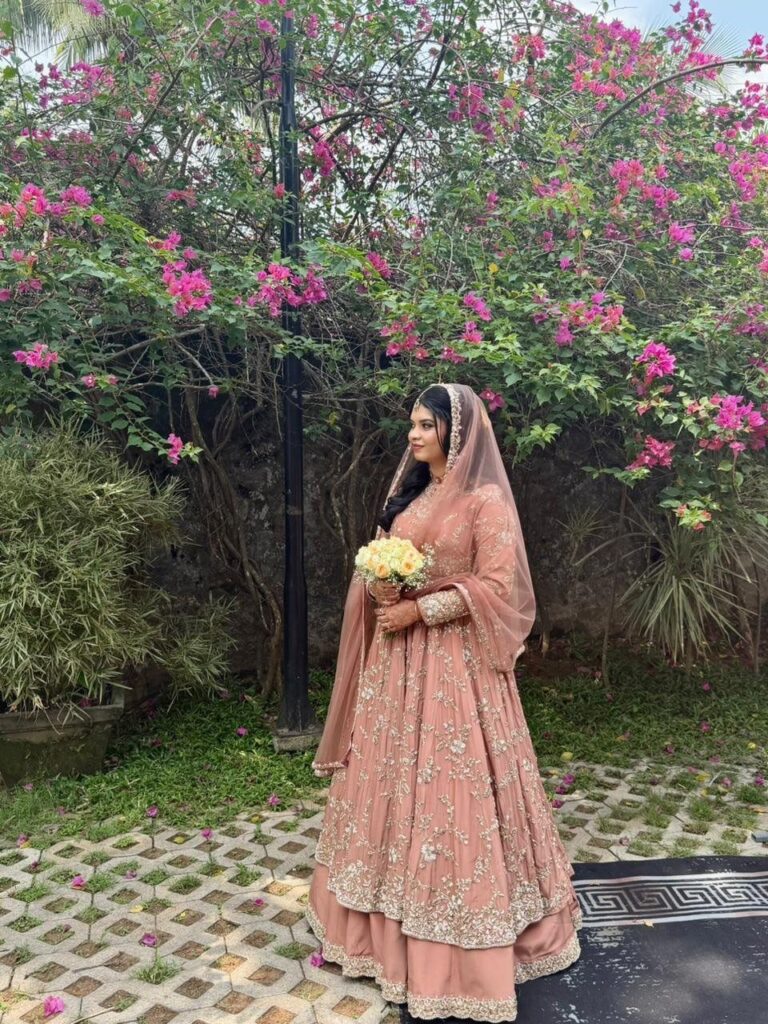
A roses wedding dress can run from a single dusty rose satin column to a full sculptural skirt heavy enough to weigh down an outdoor summer ceremony, with the deciding factor being whether you want the flower as color, texture, or three-dimensional architecture.
The shade itself does much of the work: dusty rose flatters skin like candlelight made fabric, while white-on-white keeps the symbolism without the statement.
1. Dusty Rose Wedding Dress
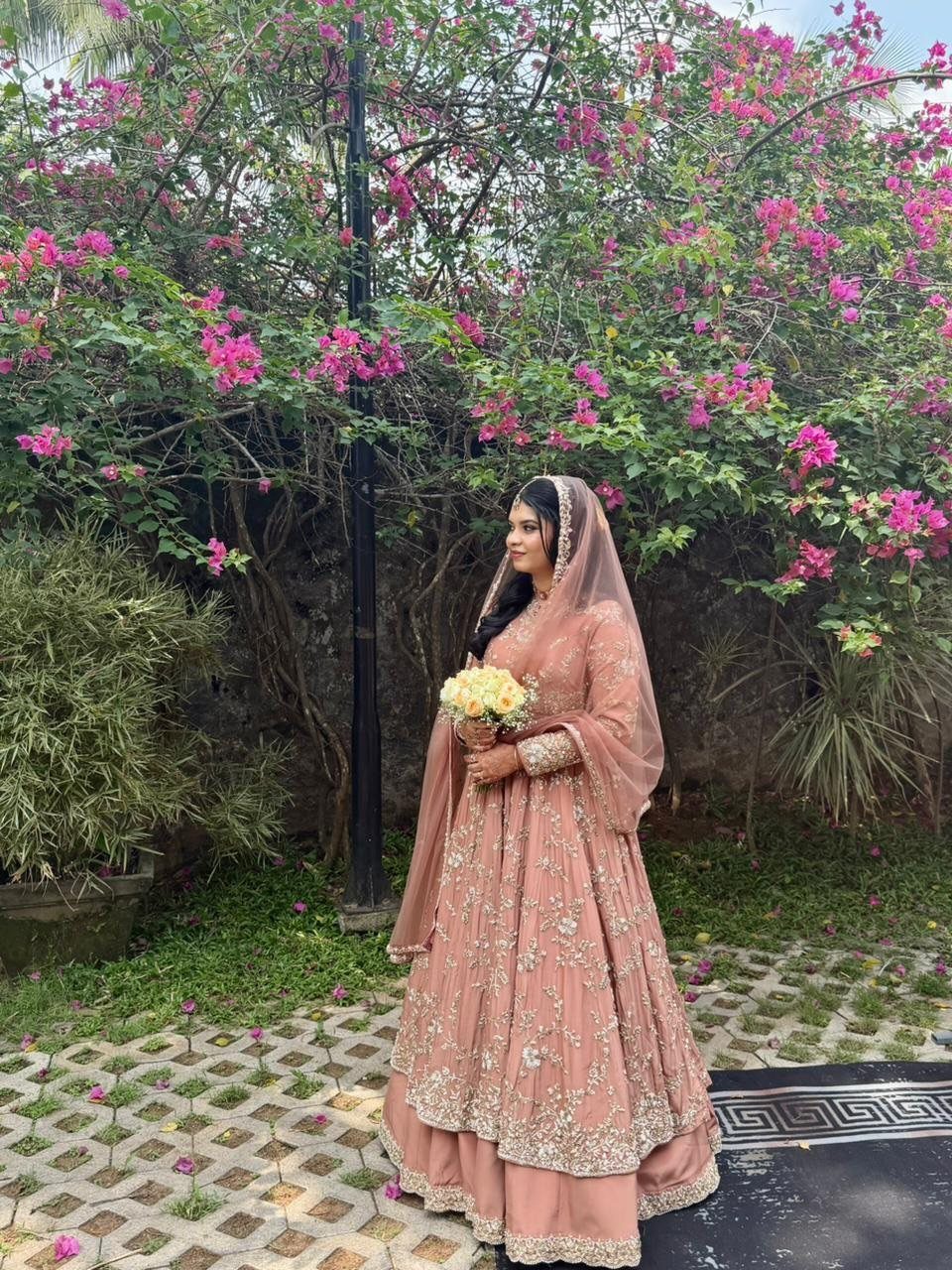
A dusty rose gown reads as color first, flower second, which is why it works for brides who want the idea without the literal appliqué.
The shade sits between blush and mauve, moody enough to carry a formal wedding but soft enough for daylight.
Off-the-shoulder cuts and corset bodices show up often in this color, probably because the dusty tone flatters skin in the same way candlelight does. Tulle veils in matching sheer keep the look unified rather than costumey.
The Lirika Matoshi ballgown version goes full volume with fabric rosettes and structured boning.
That is one way to do it. A simpler satin column in the same shade, no flowers at all, is another, and it travels easier.

ONE SIZE: fits all US 0-16; PLUS SIZE: fits all US 18-24

Features: This satin bridesmaid dress features a flattering a line silhouette and spaghetti straps. Decorated with ruched and pleated detailing, finished with a corset back for easy on and off.
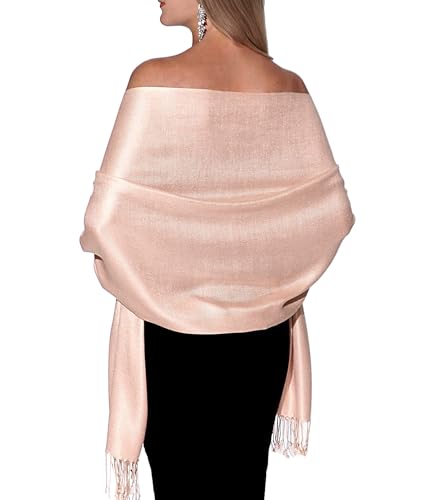
☆Multiple Ways to Wear☆ Our pashmina shawls offer generous coverage, draping over your shoulders to provide warmth and comfort. Whether you need to stay cozy during a cool evening or simply want to add a stylish layer to your outfit. Wear in a variety of styles: long, knotted, looped, twisted, capes, poncho, wrap, pashmina or doubled around the neck. Measures approximately 74” x 29” including fringe 3.5”. Made from 100% Viscose – even if the tag says otherwise.
2. Pink Rose Wedding Dress
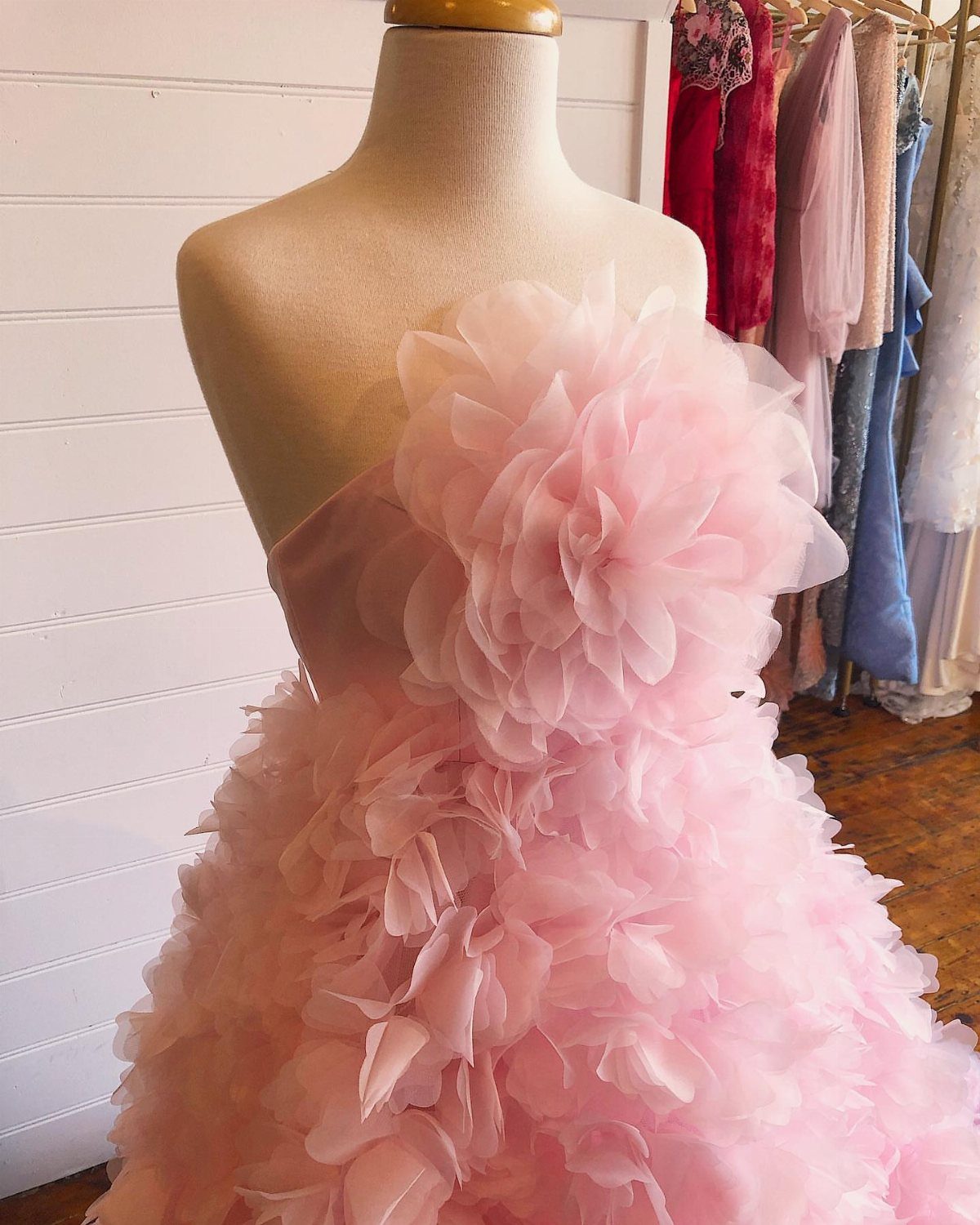
Pastel pink fabric roses built into the bodice or skirt read young and deliberate, not accidental. The texture matters more than the color alone; layered organza or silk petals catch light differently than flat lace.
Strapless gowns with ruffled petal skirts tend to run formal, almost cake-icing, so the venue should handle that much statement. A matching veil in the same pink, rather than ivory, keeps the tone consistent head to toe.
The 9,999 real rose petal dress exists as proof of concept, but fabric is what you can actually wear, sit in, and preserve. For a reception with dancing, that distinction matters.

VERSATILE DESIGN: Beautiful organza chiffon rose flowers with burnt edges, perfect for wedding dress decoration, headbands, and other DIY crafts

Vintage Inspired Organza Design: This organza photoshoot dress features a soft square neckline, dramatic puff sleeves, layered ruffle cuffs, and a flowing A-line skirt, creating a romantic vintage fairy look.

Material: Stunning and Elegant Shimmering Poly Satin / Satin Lining / Tulle
3. Red Rose Wedding Dress
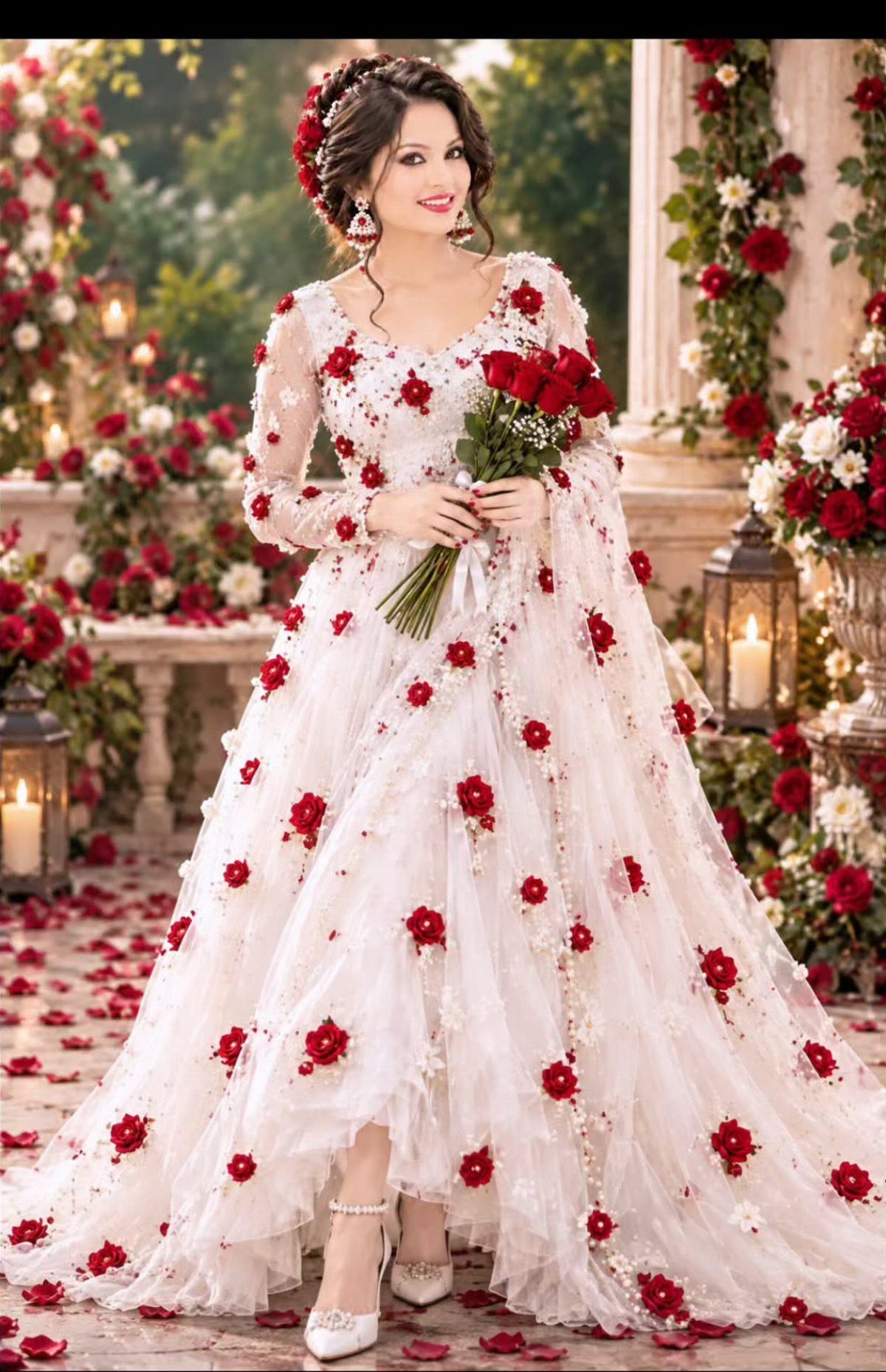
Red roses on white fabric carry specific associations: bold, romantic, slightly theatrical. This is not a quiet choice, and the gown will dominate every photo.
Off-the-shoulder necklines with cascading appliqués down the skirt keep the eye moving so the red does not pool in one spot.
The Cadena Collective version places red and green 3D roses along the bodice and waist, which breaks the white field without letting the motif take over entirely.
A red rose bouquet in the same tone risks too much match; ivory flowers or greenery might balance better. The gown already made the statement.


Features:gothic a-line wedding dresses for bride;black lace long sleeve bridal gowns;applique v neck wedding gowns with color train

4. White Rose Wedding Dress
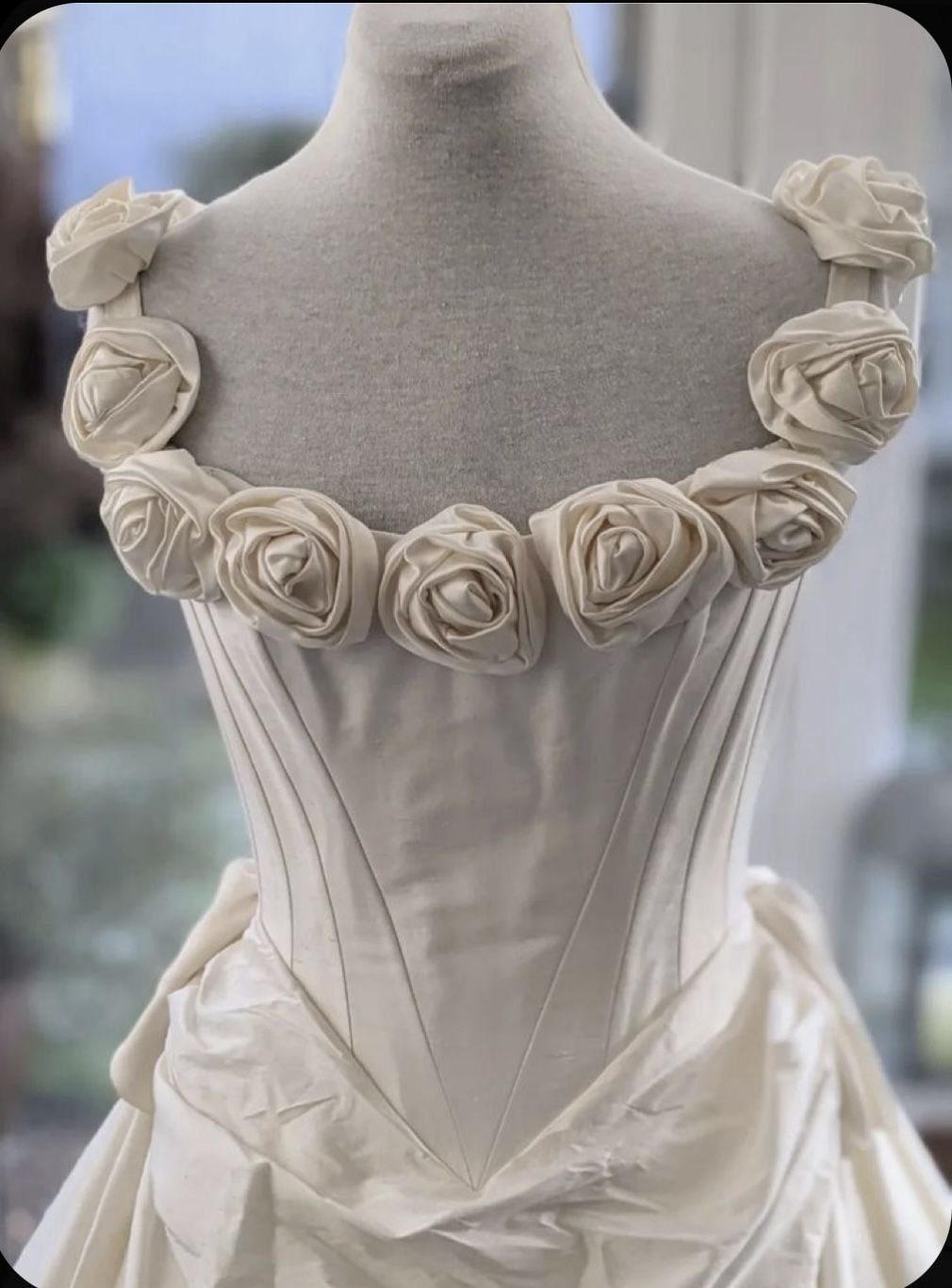
White-on-white roses sculptural enough to cast shadows read as texture, not pattern, which is how this idea stays elegant rather than busy.
The David’s Bridal organza rosette ballgown covers the skirt in layered silk roses that move when the wearer does.
Scoop necklines with roses lining the straps frame the face without competing. Mermaid shapes with appliqués at the hip or thigh keep the detail where the silhouette narrows.
Tulle over satin gives the petals something to grip; all-silk constructions need heavier interfacing to hold the shape through hours of wear. Ask about that before ordering.


[Womens dresses for wedding guest] Elegant formal party dress, made of quality lace and chiffon, featuring with soft, comfy, stretchy and skin-friendly.If you between sizes, we recommend sizing up for a better fit.
5. Ella Rose Wedding Dress
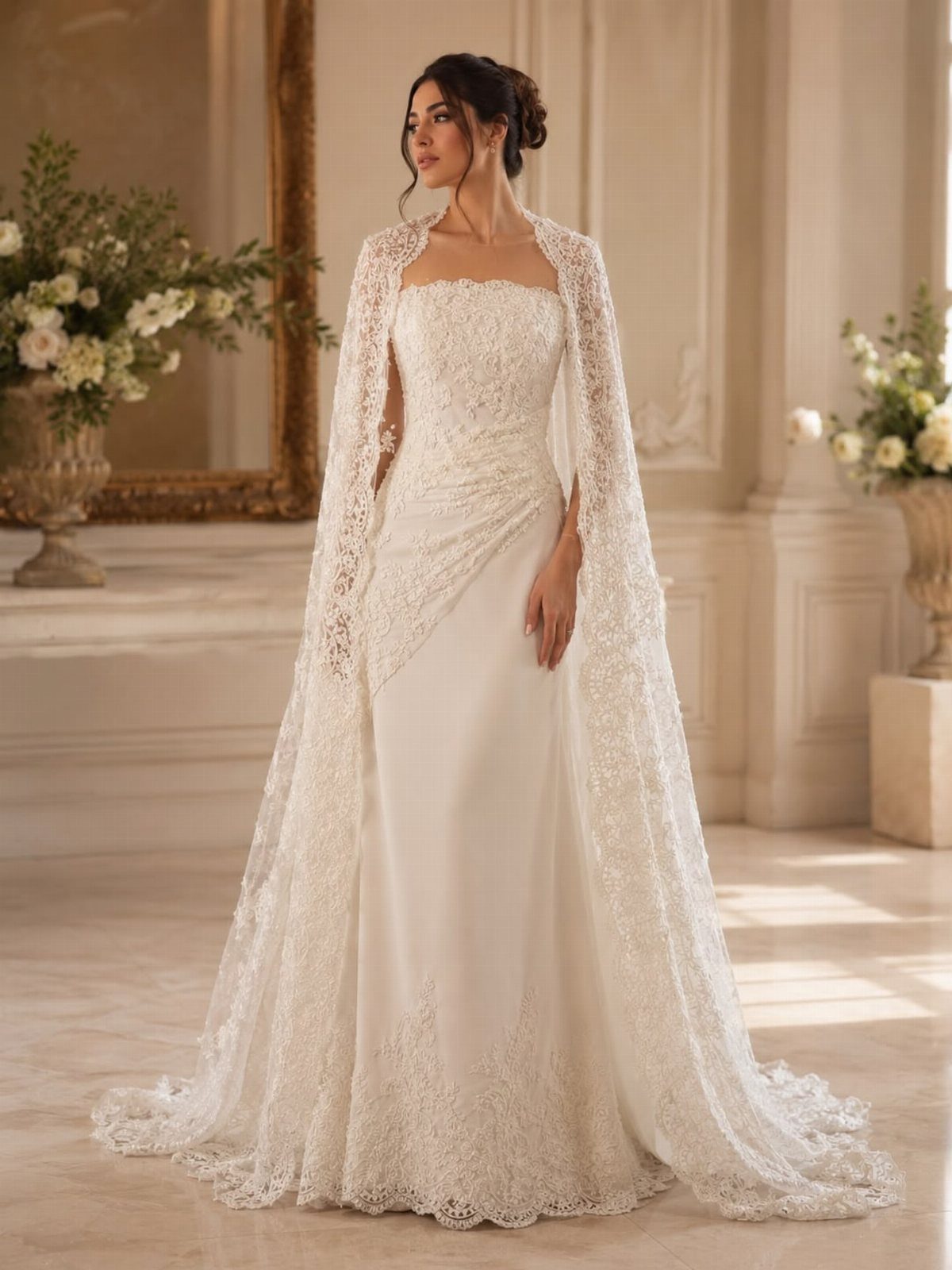
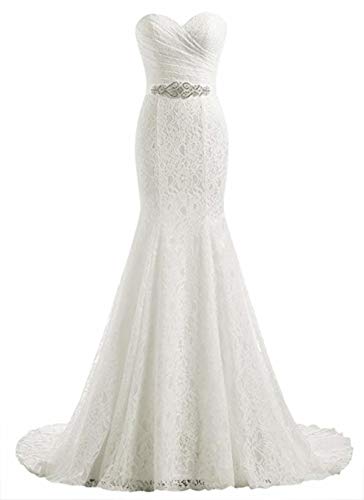
The Ella Rose collection builds its reputation on lace with floral embroidery rather than applied flowers, a different technique with a flatter, more integrated look.
Sweetheart necklines and ruched bodices recur across the line, with trains that pool without needing an overskirt.
One spring collection added thin straps and layered tulle; the next pleated the bodice and gathered the waist with a single hip embellishment. Both versions keep the flower detail small enough to read as texture from a distance.
A matching lace cape, floor-length, turns any of these into a formal church option without buying a second gown for the ceremony.

Floral Print & Corset Bodice: Strapless Tiered Ruffle Prom Dress Features a romantic blue floral print on chiffon with a corset bodice, sweetheart neckline, and built-in bra for a flattering, supported fit.

Non-Mirrored Identical 3D Rose Lace Set: This pack includes 2 exactly-same floral appliques built on mesh-free solid embroidery base. These are NOT left-right mirrored pairs. Beautiful raised 3D rose embroidery delivers classic vintage glamour. Crafted from high-quality polyester. You may freely trim edges for custom layout; each applique measures 12.5 × 7 Inches (31.7cm × 17.7cm).

Golden Roses, Red-Carpet Shine: Hand-finished 3D embroidered roses, layered leaves and sweeping feathered branches in a soft champagne-gold tone are densely woven with shimmering sequins and faceted rhinestones on a sheer mesh-luxurious and light-catching, yet soft enough to drape like couture.
6. Wedding Dress with 3D Floral Appliqués
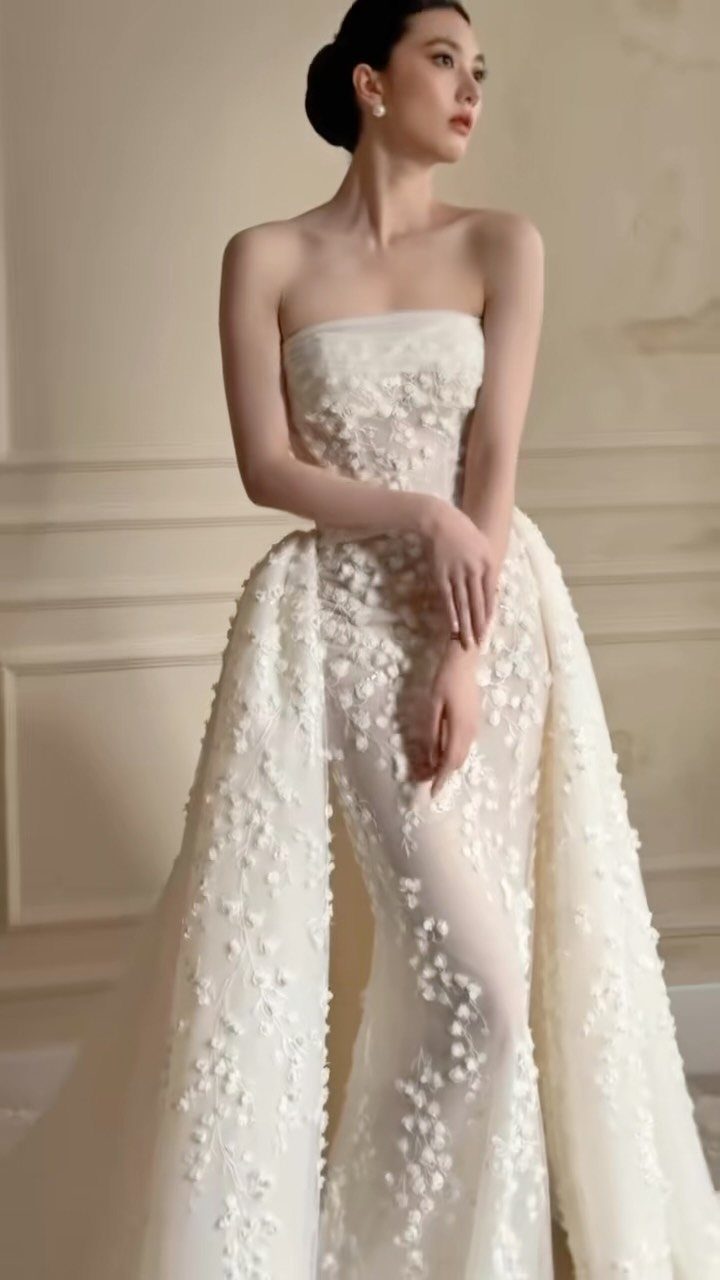
Three-dimensional appliqués lift off the fabric enough to read as architecture, not print. The technique works in any colorway, though white on blush, as in the A-line with layered tulle, keeps the effect soft.
The maker of one strapless version describes delicate florals flowing over the fitted gown, finished with a dramatic overskirt.
That overskirt is the practical piece: it photographs full for the ceremony, then comes off for the reception so the wearer can move.
Placement matters more than density.
Appliqués clustered at the bodice and fading to nothing at the hem draw the eye up; scattered all over can read as random. Ask to see the gown on a body, not flat, before deciding.

This wrap scarf is made of soft chiffon fabric, good hand feel silky especially perfect for a cool outdoor night.can cover up your shoulders,keep warm.

Package include: The corset zipper replacement kit Lace up closures replacement vest tie set contains three pieces(Without panel, suitable for most dresses)

Elegant Satin & Tulle Design for Special Occasions: Crafted with a smooth, high-quality satin bodice and a fluffy tulle skirt, this dress balances sophistication and whimsy. The sleeveless silhouette features a delicate pearl-trimmed neckline and a plunging V-back, adding a touch of luxury that’s perfect for flower girl duties, first communions, birthdays, or any formal event.
7. Wedding Dress with Sculptural Fabric Roses
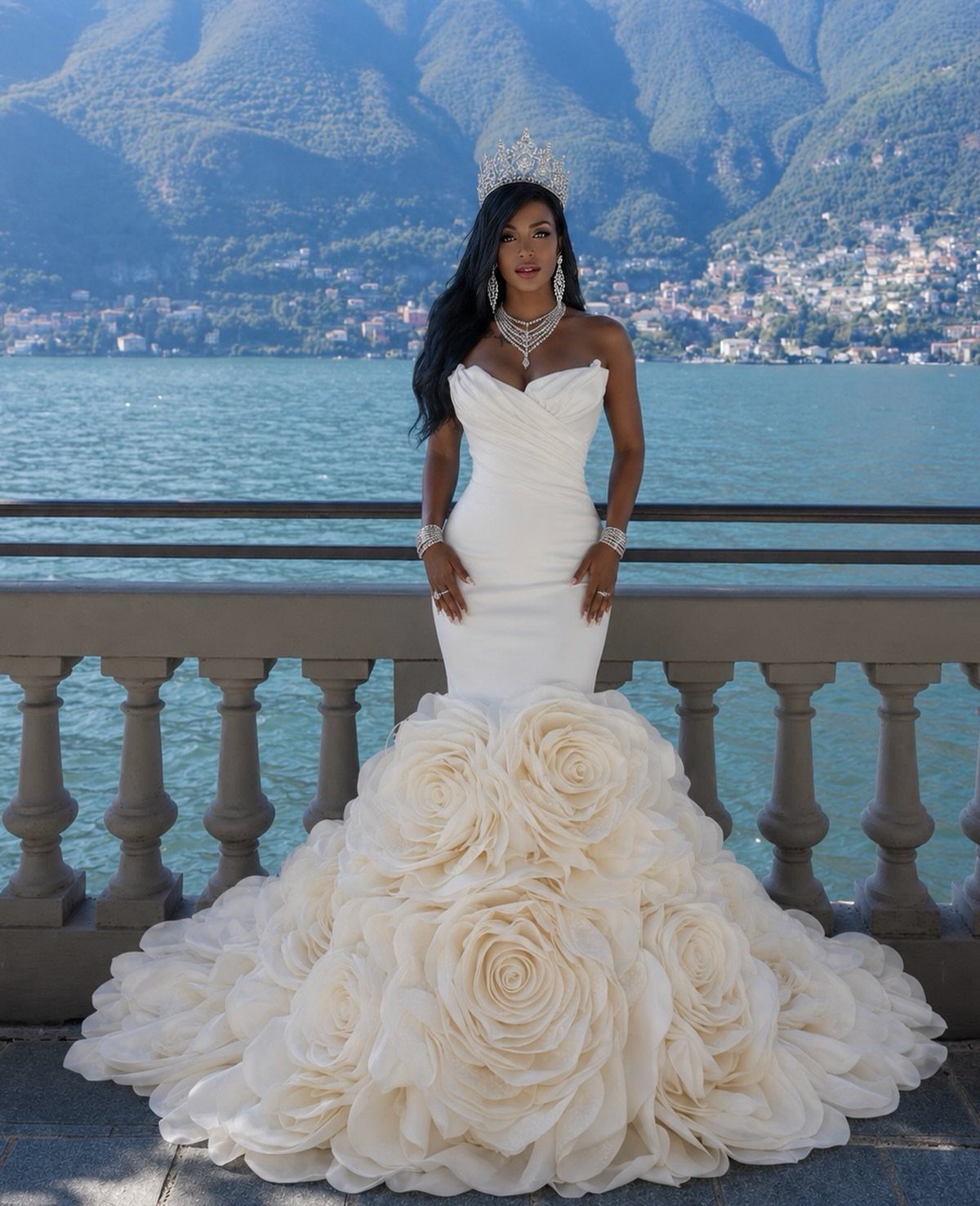
Large fabric roses built into the skirt turn the gown itself into a bouquet. The mermaid silhouette keeps the volume where it belongs, below the hip, so the wearer does not drown in petals.
A strapless satin bodice gives the eye somewhere to rest. Without that calm top half, the skirt reads as costume instead of couture.
The cream silk versions I have seen keep the roses in one scale, roughly palm-sized, which lets them read as deliberate pattern rather than scattered decoration.
Matching the rose silk to the bodice satin matters; even a half-shade off breaks the illusion that the flowers grew there.
These gowns photograph heavy. For an outdoor summer ceremony, that weight matters more than the look.

maxi length

Elegant Design: Handmade organza chiffon fabric rose with a shimmery finish, perfect for adding a touch of elegance to wedding dresses, hats, shoes, and hair accessories.

Current Wedding Dress Trends
Romantic styling with floral elements is showing up across bridal collections right now, not as a niche look but as a mainstream option.
Dusty rose in particular has moved from accent color to full gown territory, with strapless and V-neck cuts in satin, tulle, and lace leading the way.
Voluminous skirts with corset bodices and long capes keep the silhouette formal rather than casual.
Current wedding dress trends favor two approaches: three-dimensional floral appliqués and fabric dyed in watercolor rose patterns. Both approaches treat the rose as material rather than motif, which is the shift that makes them wearable rather than thematic.

Handmade beaded applique with intricate crystal and bead detailing for aluxurious look

Fine workmanship,beautiful and in delicacy

Feature:Chiffon bridesmaid dresses with pockets,sleeveless bridesmaid dress for women, Chiffon Formal Dress Long; Floor Length Lace Applique Bodice Evening Gown With Pockets; Zipper Back;Fully Lined;Bulit In Bra,a-line simple long formal evening dress,plus size,backless/open back, bridesmaids dresses .A simple and elegant bridesmaid dress will let you receive a lot of compliments.
Choosing Rose Colors
The color makes the statement for you, which works if you want the gown to dominate the room.
Pink reads younger and more deliberate, especially in pastel layers where texture does more work than hue alone. It suits admiration and playfulness better than grandeur.
White-on-white keeps the symbolism of purity without the volume of statement. The roses become shadow and texture, visible on close inspection rather than announcement.
Dusty rose splits the difference, moody enough for evening, soft enough for daylight. The shade flatters skin in a way that reads as candlelight made fabric.
Choose based on what role you want the color to play in photos and memory, not only what the color means in a chart.

Size: Please check Our Size Chart before you placed the order.

ELEGANT DESIGN: Stunning A-line wedding dress featuring a sweetheart neckline and beautifully detailed bodice with intricate embellishments

Hi-Lo Cocktail Dress:Comfortable for skin, elastic and wrinkle resistant.
Dress Customization
A sweetheart neckline edged with large handmade fabric roses turns a plain bodice into something with real dimension.
Pale pink ruffled silk with voluminous tiered layers and fabric rose accents works as a custom commission, with the satin bow at the neckline as a finishing piece.
The construction matters more than the color: tiered layers need proper understructure to hold their shape, and the rose placement has to account for how the skirt moves when the wearer walks.
Free custom sizing is standard from some makers for standard US sizes 2 through 16, with bespoke measurement service typically available beyond that range.
Ask whether the rose embellishments are stitched through all layers or applied to the outer fabric only; this affects how the gown drapes and how it can be altered later.

DRAMATIC GOTHIC DESIGN: Stunning strapless ball gown featuring a sweetheart neckline with striking black and red blue emerald green purple pink yellow etc color combination, adorned with intricate 3D floral lace appliques and rose embellishments for a romantic yet edgy aesthetic

DRAMATIC GOTHIC DESIGN: Stunning strapless ball gown featuring a sweetheart neckline with striking black and red blue emerald green purple pink yellow etc color combination, adorned with intricate 3D floral lace appliques and rose embellishments for a romantic yet edgy aesthetic

ELEGANT DESIGN: Stunning A-line wedding dress featuring a sweetheart neckline and beautifully detailed bodice with intricate embellishments
Care for Floral Wedding Dresses
Fabric roses collect dust and catch on hangers.
Store the gown flat if possible, with acid-free tissue between the petals to prevent crushing. Hanging risks distortion where the roses weight the fabric unevenly.
Spot-cleaning is safer than full immersion; water can shrink the interfacing that gives petals their shape, and dry-cleaning solvents vary in what they do to silk versus synthetic blends.
Ask your cleaner specifically about dimensional appliqués before handing it over.
The large handmade roses along a sweetheart neckline are particularly vulnerable to snagging during storage and transport. A breathable garment bag, not plastic, lets moisture escape while keeping the surface protected.
After the wedding, professional preservation runs higher for appliquéd gowns because the process has to account for each raised element. Budget for that, or accept that the roses may flatten slightly over decades regardless of method.
Frequently Asked Questions
What are the hottest wedding dresses right now?
Right now the most talked-about gowns are the ones building the whole dress out of roses, not just pinning a few on as decoration.
Three-dimensional floral appliqués and watercolor rose patterns on fabric are both showing up across current bridal collections.
What colors of roses are best for a wedding?
Red, pink, white, and dusty rose each carry a different weight in a wedding context.
Red reads bold and theatrical, pink younger and more deliberate, white keeps the symbolism without statement, and dusty rose splits the difference between moody and soft.
The right choice depends on whether you want the color to dominate the room or support the overall tone.
What colors are frowned upon at weddings?
I have never seen a guest asked to leave for wearing the wrong color, but white, ivory, and anything close to the bride’s dress still draws stares.