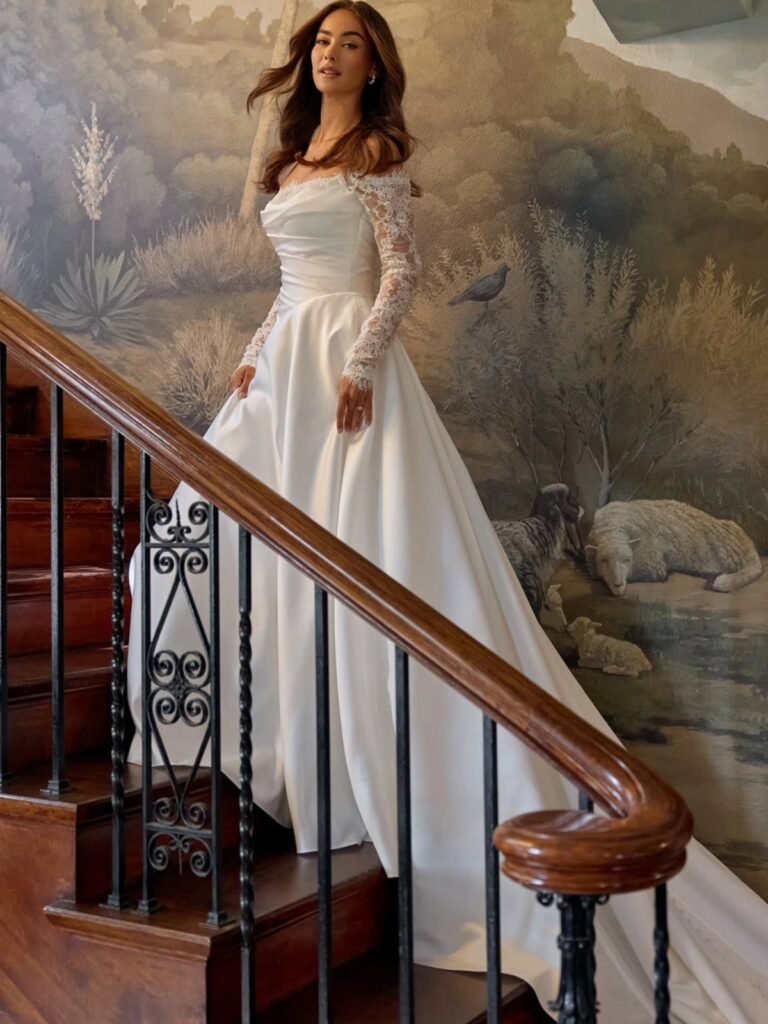
A line vintage wedding dress options run from resale finds to alteration-heavy investments, and the deciding factor is where you plan to wear it.
Gowns in lace and satin suit formal spaces with their structured trains, while tulle over lace handles outdoor heat better and costs less to alter.
The puff sleeve versions add weight that shows in photographs but tests your shoulders by the reception, so try raising your arms before you buy.
1. Vintage Wedding Dresses in Lace and Satin
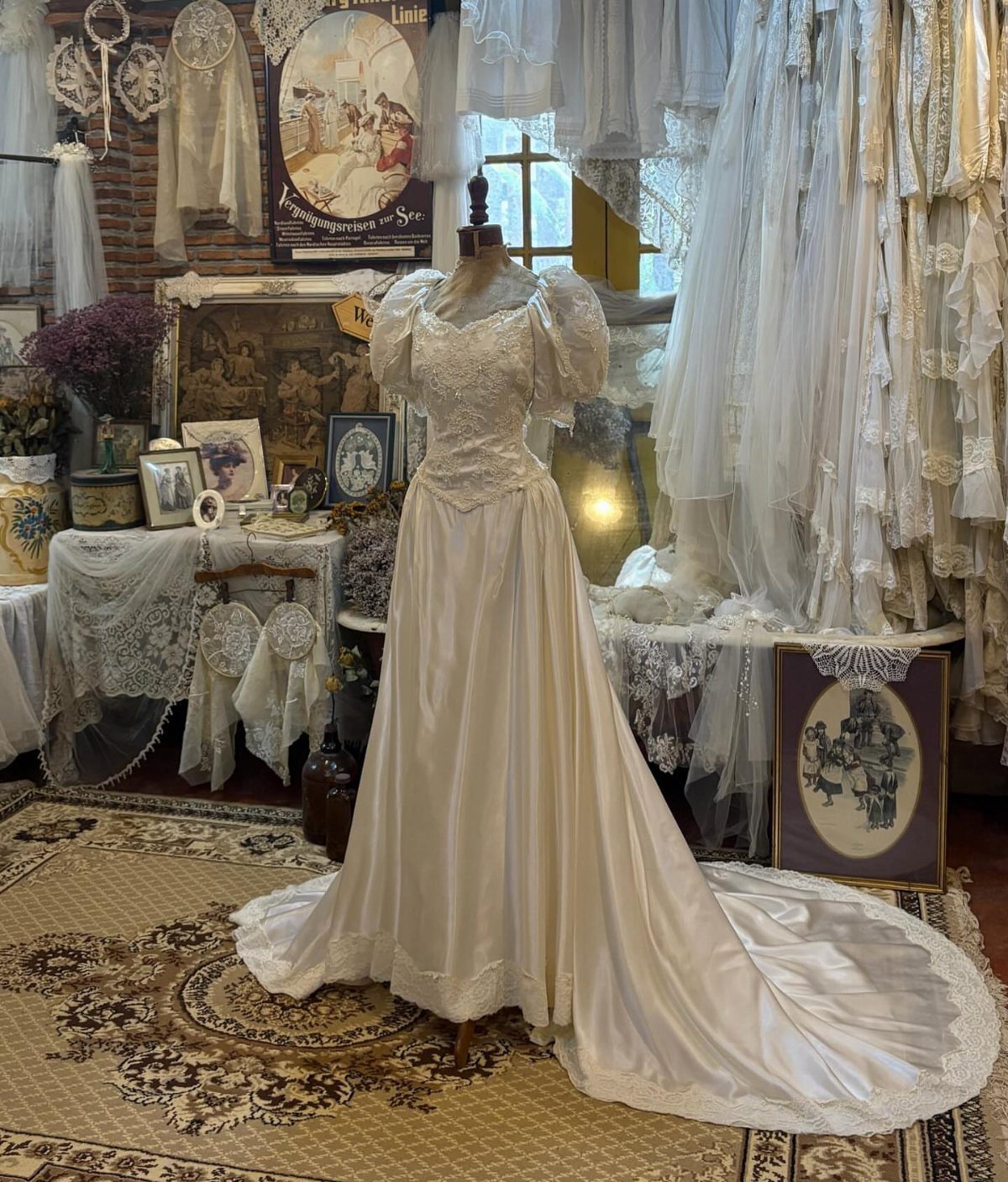
Lace and satin together hit a balance that full lace sometimes misses: the structure holds its shape through hours of standing, hugging relatives, and dancing, while the lace keeps it from reading as plain.
Priscilla of Boston built her reputation on exactly this combination, and her gowns still turn up in resale at prices well below what they cost new.
The satin train photographs clean and bright, and the lace bodice forgives a little fit variation if you are between sizes.
Check the hem for discoloration and count the buttons before you buy; vintage storage leaves predictable marks, and one missing closure is common enough that I would plan on a backup hook.

Comfortable fabric: This maxi dress is made of Polyester and Spandex, which has excellent drape and wrinkle resistance, making it easy to wear an elegant and high-end look; it has just the right amount of elasticity, fits closely but not restrictive, making the body curve more beautiful

Fabric:Satin, lace,tulle,Embroidery.
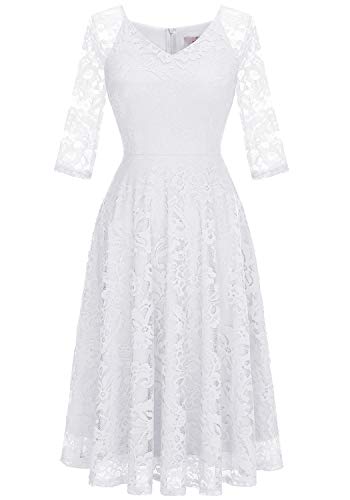
Selected materials: Made of quality lace with soft skin-friendly stretchy smooth lining, this lace dress with sleeves is super soft, breathable and comfortable to wear all day
2. Vintage Lace and Tulle A-Line Dress
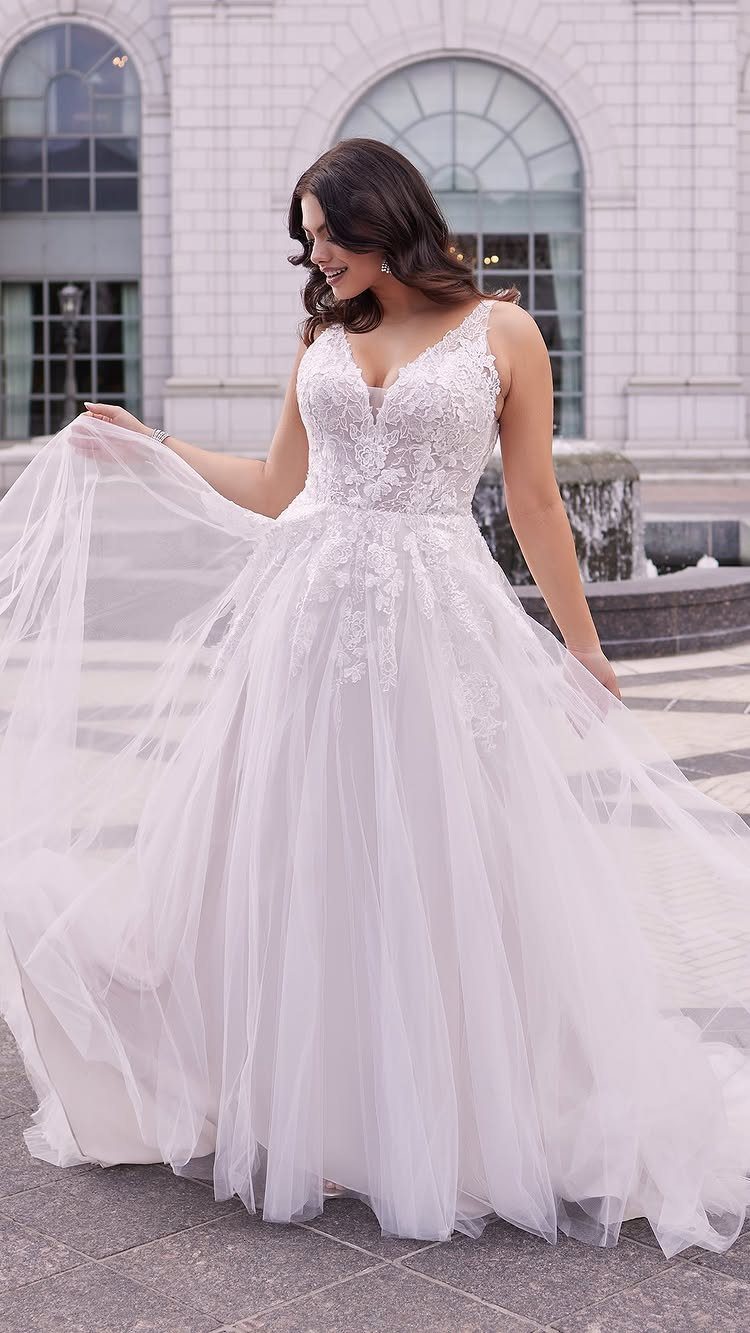
A lace bodice over tulle reads lighter than all-lace and breathes better for outdoor summer ceremonies. The tulle skirt needs less understructure than satin, so the whole dress stays lighter to wear and often cheaper to alter.
I would ask a seamstress about swapping the lining color; ivory tulle over champagne lining warms the tone without changing the dress itself.
The airy silhouette suits gardens, barns, or any venue where a heavy gown would feel out of place.

Premium Boho Bridal Design This A-line boho wedding dress features romantic V-neck, sheer long sleeves decorated with delicate lace appliques, creating a soft vintage bohemian look for your big day.

Enchanting 2Bunnies Flower Girl Dress: This beautiful dress features an intricate floral lace bodice, delicate three-quarter sleeves, and a dreamy, flowing tulle skirt that brings timeless elegance and charm to every special occasion. Whether she’s walking down the aisle as a flower girl, twirling at a birthday celebration, or making cherished memories at a family gathering, this beautiful dress is designed to make her feel like a little princess.

Girls Embroidered Floral Tulle Dress:Girl long sleeve sequins embroidery princess pageant dresses kids ball gown, christening dresses for baby girl lace flower girl dresses for wedding first communion dress half sleeve formal long maxi evening prom ball gown junior bridesmaid dress, girl applique lace tulle flower princess party maxi dress graduation ruched bowknot quinceanera dresses with sleeves floor length rose gold dandelion dresses, your little girl will look beautiful wearing it.
3. Puff Sleeve Vintage A-Line Gown
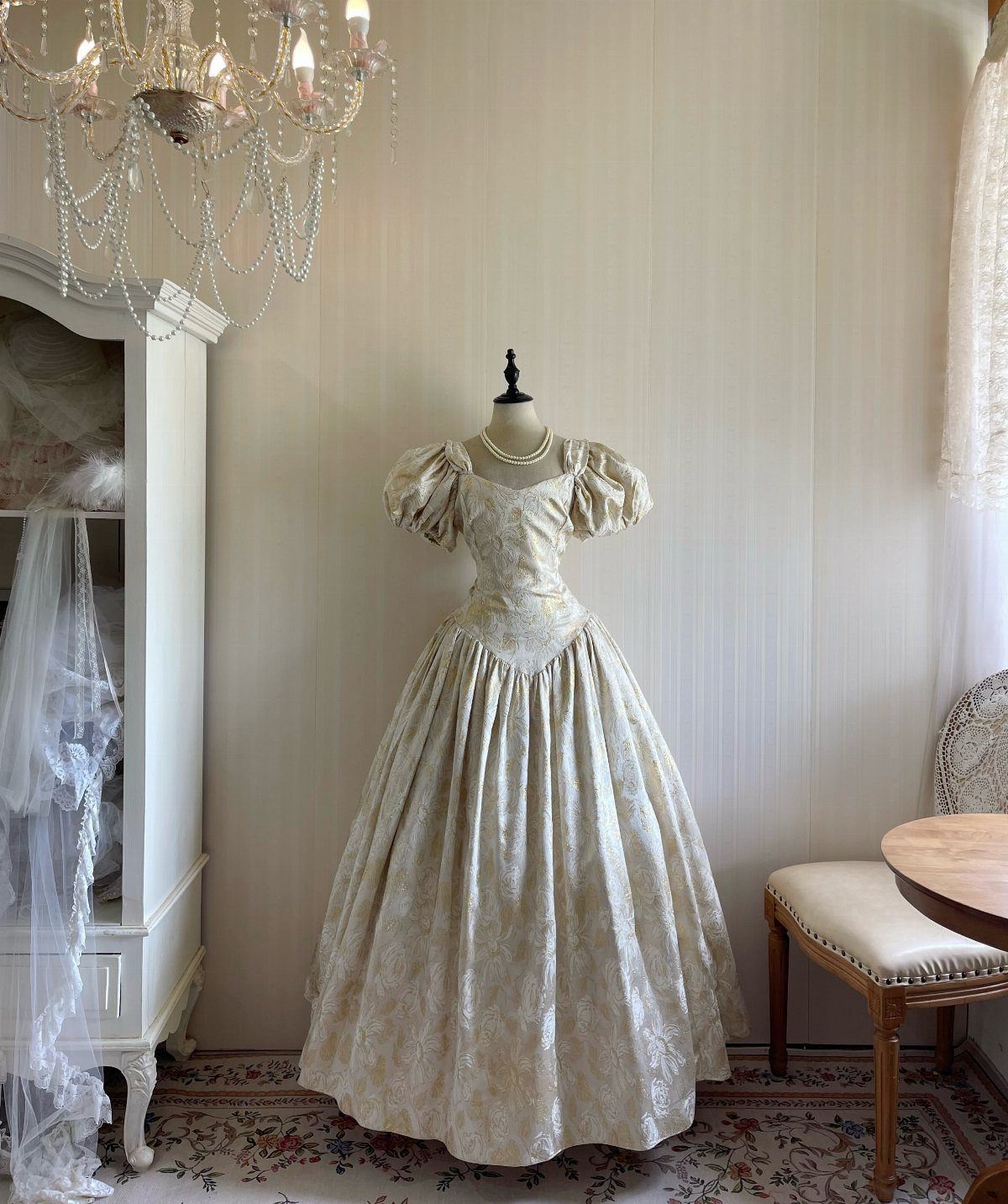
Puff sleeves frame the face and balance a wider skirt without adding actual width at the waist, which is why the silhouette keeps resurfacing.
Brocade has more body than plain satin, so puff sleeves hold their shape without extra support. That structure comes with a trade: brocade wrinkles less but weighs more, and it does not drape softly.
For a full day, I would test the arm movement before committing; raised sleeves cut from stiff fabric can pull at the shoulder.
A detachable petticoat, common in vintage construction, lets you drop volume for the reception without a second dress.

Soft & Breathable Comfort: Crafted from 95% Polyester and 5% Elastane, this puff sleeve dress for women offers gentle stretch and lightweight feel. The fabric drapes beautifully, keeping you comfortable all day.

Fabric : This dress is made from a quality and skin-friendly fabric. Double-Layers on the top part, Not-see through.

COMFY & SOFT MATERIAL: 95%Polyester, 5%Elastane. Women's cocktail dresses is made of lightweight and skin-touch, good quality stretchy fabric, not see through, makes it comfortable to wear in any event.And makes you look elegant and generous!
4. Tiered Lace Vintage Gown
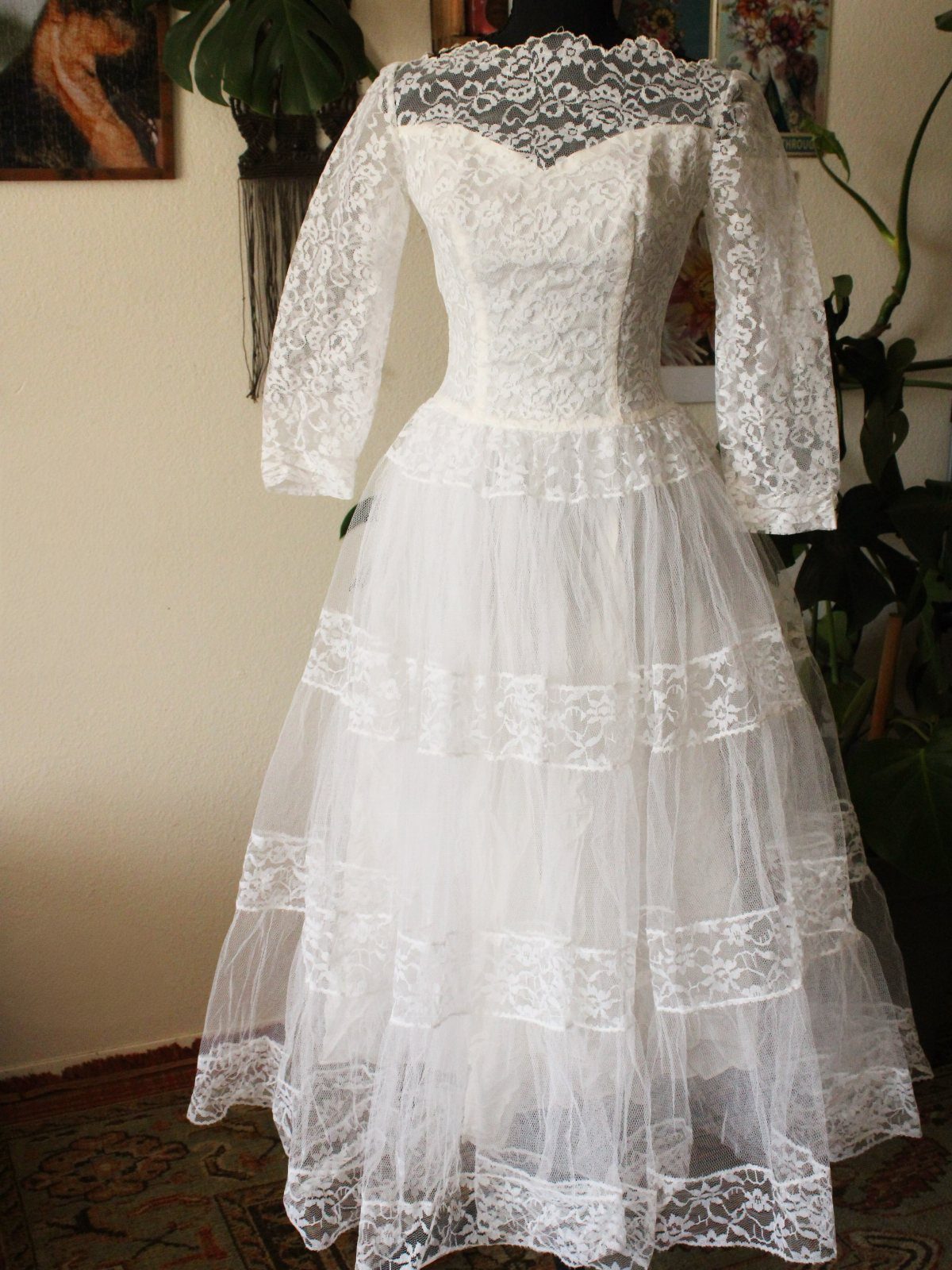
Tiered lace builds volume without the weight of solid fabric, and the tea length keeps it from feeling costume-heavy.
An illusion neckline gives coverage that still reads as open; the lace layer sits directly on skin or over a nude lining, depending on the maker.
Long sleeves in lace run warm, so this version suits spring or fall better than peak summer.
Alteration note: shortening a tiered skirt means adjusting every layer evenly, which costs more than a simple hem. Budget for that if you are under 5’4" or planning flats.

1.Fabric:Satin, lace

Feature:This chiffon layered mother of the bride dresses for women,Women's Boat Neck Lace Appliqued Tulle Short Mother of the Groom Dresses for Wedding features flowy chiffon,high neck,lace applique,tiered.a line,half sleeve.lace up back,empire waist,tea length,built in bra,a perfect choice for your event

Notice:The bow on the waist needs to be tied, not existed originally
5. Strapless Lace A-Line Gown
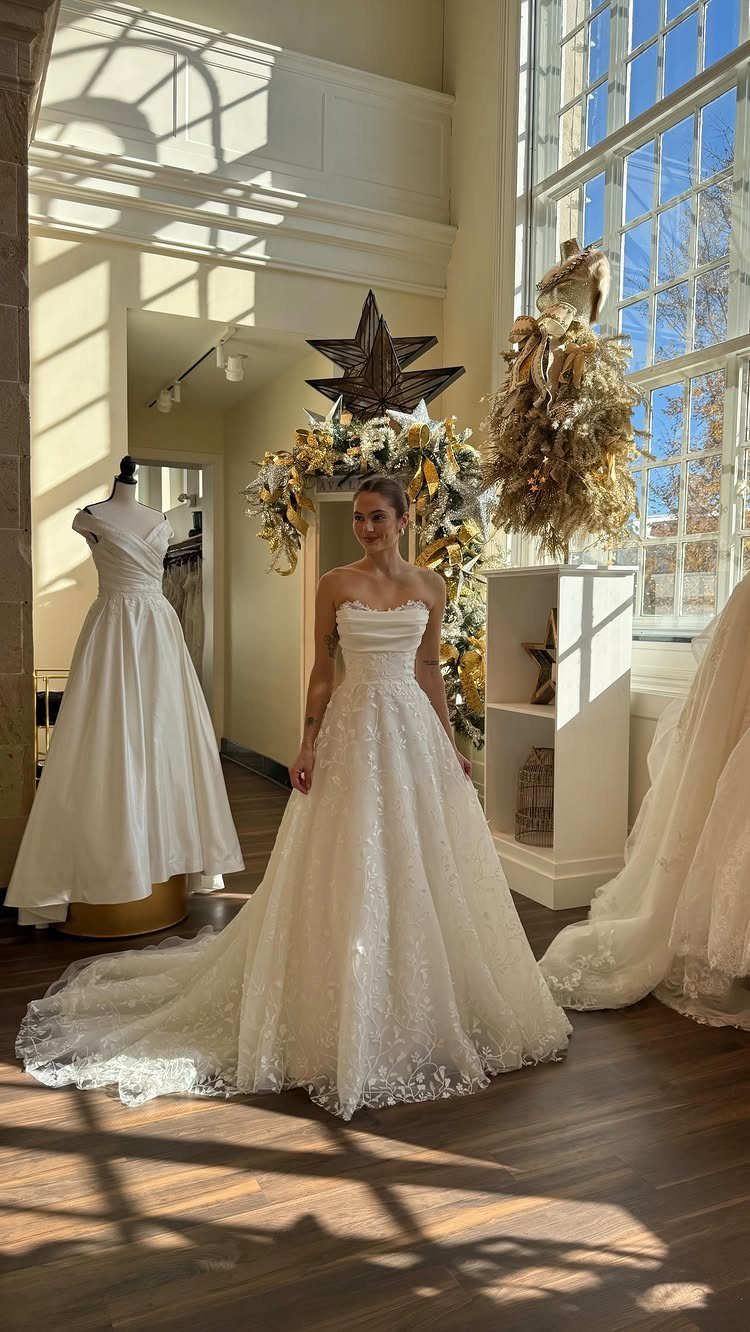
Strapless lace needs internal structure to stay up, and vintage construction often handles this better than modern budget versions: boning through the bodice, sometimes a built-in corset, and gripper tape at the top edge.
Floral embroidery adds texture without extra layers, so the dress stays relatively light. A sweeping train photographs well but collects floor debris fast; for a reception, I would ask about a bustle point or consider a second, shorter lining underneath.
This cut suits broader shoulders or anyone who wants to keep the neckline open without sleeve bulk.

Stunning Sequin Bodice & Flowing Tulle Hem: This formal dress blends a sparkly sequin bodice with full-length A-line tulle hem with beautiful drape, offering timeless glamour and breathable comfort during the festivities

Elegant Princess Design with Stunning Back Bow: Toddler baby girls' dress features a classic round neckline and elegant sheer long puff sleeves adorned with delicate faux pearls. v back with the big bow flower girl dress for toddler, the highlight is the oversized, detachable satin bow at the back, adding a touch of royalty and sophistication perfect for any special occasion,such as flower girl, wedding guest, baby pageant, formal event, photoshoot.

Material:Sequin dress made of polyester with soft cotton lining.lightweight and breathable, perfect for kids' delicate skin, ensuring all-day comfort even during active play and celebrations.
Frequently Asked Questions
What body type does an A-line dress fit?
The A-line shape works for almost everyone because it narrows at the waist and flares out from there, which masks differences in hip and thigh proportion.
The puff-sleeve version in particular balances a wider skirt without adding width at the waist itself. Anyone between sizes gets a little forgiveness from a lace bodice, though satin shows fit problems more readily.
How much does a vintage wedding dress typically cost?
Prices swing widely. Priscilla of Boston gowns in resale sell well below original retail, while some listings hit $7,500.
The lace-and-tulle versions often cost less to alter than satin, which saves money after purchase. Budget separately for cleaning, storage, and any hem or tier work a vintage piece needs.
What does an A-line wedding dress mean?
The dress fits close through the torso and flares gently from the waist to the hem, forming a capital A shape.
In the vintage versions here, that flare comes from tulle, satin, or tiered lace depending on the specific gown. The structure holds up through hours of standing and dancing without the volume of a full ballgown.
Is a 20 year old wedding dress considered vintage?
Vintage has no hard age threshold; a wedding dress becomes vintage when its style is no longer what anyone would call current.
Sellers and shoppers generally treat a wedding dress as vintage once its silhouette, fabric, or detailing places it firmly outside what is being made now.
Condition matters more than a hard cutoff: check hems for discoloration and count closures before buying.